A vehicle history report is the most crucial reference tool when purchasing a used car, yet it can also hide an incomplete truth. Globally, buying a used car carries risks: in the United States, 1 in 10 vehicles has an accident record, while in Cambodia, up to 80% of imported used cars have tampered odometers.
01 The Limitations of a Vehicle History Report and Global Risks
A Vehicle History Report is a key tool for uncovering a used car’s past, but it is not foolproof. The data in these reports comes from partner sources like dealers, repair shops, and insurance companies. However, any incident that was not reported will not appear in the report.
In the United States, an analysis of 1 million vehicle history reports shows that approximately 1 in 10 vehicles has been in an accident, 1 in 27 has a theft record, and 1 in 10 has an outstanding lien.
It is important to note that the global used car market carries cross-border risks. For example, damaged vehicles from the United States are often cleaned up and sold in markets like Cambodia. In 2023, $324 million worth of vehicles were exported from the U.S. to Cambodia, of which 40% of imported units were insurance write-offs.
02 Special Risks and Report Interpretation for the Cambodian Market
In Cambodia, obtaining a Vehicle History Report for a car for sale in Cambodia is particularly critical. These reports can help reveal key information such as whether the imported vehicle sustained flood damage, has an accident history, or a theft record during its time in the United States.
Regarding the Cambodian market, research by Toyota indicates that nearly 80% of imported used cars have their odometers rolled back. This means buyers are likely overpaying for a vehicle with significantly more wear and tear.
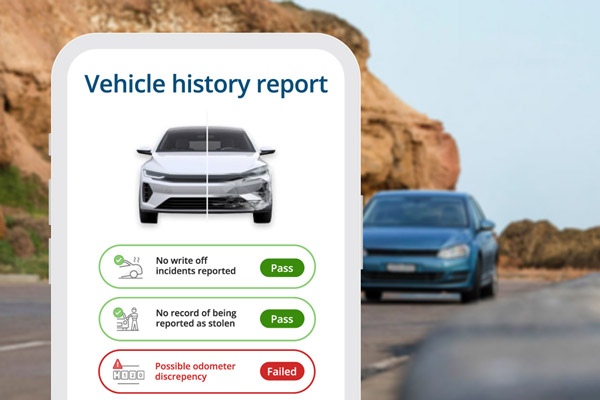
A complete Vehicle History Report for a car for sale in Cambodia should include an odometer rollback check, accident records, flood damage records, salvage/rebuilt title checks, theft records, and auction/sales history. This information is vital for assessing the vehicle’s true condition.
03 Nine Universal Red Flags to Identify
No matter which country you are buying a used car in, the following red flags in a vehicle history report deserve special attention:
Accident History is the primary concern. A major accident, especially one involving frame damage or airbag deployment, can have lasting effects on the vehicle’s safety and long-term reliability.
A Salvage or Rebuilt Title means an insurance company once declared the car a total loss, usually due to severe damage or flooding. Unless you are a mechanic or collector who understands the risks, it’s best to avoid these vehicles.
Inconsistent Mileage is a clear red flag. If the report shows a mileage reading lower than a previous record, it could indicate illegal odometer tampering.
Multiple Ownership Changes in a Short Time may suggest recurring problems with the vehicle. If a car has changed hands several times in just a few years, it could be due to mechanical issues or hidden costs prompting quick sales by previous owners.
Table: Major Red Flags in a Vehicle History Report and Recommended Actions
| Red Flag | Potential Meaning | Recommended Action |
| Salvage/Rebuilt Title | The vehicle was declared a total loss; hidden structural issues may exist. | Avoid purchasing unless you are a professional and can assume the risk. |
| Inconsistent Mileage | The odometer was likely tampered with; actual wear is higher than displayed. | Request an explanation or have a professional verify the true mileage. |
| Multiple Ownership Changes | There may be recurring mechanical problems or hidden defects. | Scrutinize the report’s service records and mechanic’s notes. |
| Open Recalls | The vehicle has a known safety defect that has not been repaired. | Request the seller complete the recall repair before purchase. |
| Flood Damage Record | Potential for electrical system corrosion and engine problems. | Conduct a professional inspection, specifically of the electrical system. |
Open Recalls mean the manufacturer has identified a defect affecting safety or performance that has not been fixed. Driving a car with unresolved recall issues could put you at risk.
Registration in Multiple States, especially in regions known for floods or harsh winters, warrants investigation into the reason. Frequent interstate changes might hide regional issues.
Previous use as a rental, fleet, or taxi means the vehicle likely experienced heavy use. Even with regular company maintenance, wear and tear can be higher compared to a privately-owned car.
Long Gaps in Service or Registration suggest the vehicle may have been idle for an extended period due to a major mechanical problem, accident damage, or flood exposure. Vehicles sitting unused for long periods can suffer from dried-out seals, rust, and fuel system degradation.
Failed Safety or Emissions Inspections can point to neglected maintenance or incompletely repaired serious mechanical issues. Multiple failures indicate an ongoing problem.
04 Avoiding Scams and Taking Action
Globally, used car buyers must also be vigilant against direct scams. CARFAX reports that scammers engage in fraud by enticing sellers to purchase fake vehicle history reports. This activity occurs in European countries like Italy and Germany, as well as in North America and Australia.
Professional mechanics advise that buying a used car should not rely solely on the vehicle history report; checking the ownership history is also essential. If a car has had many previous owners, it might indicate problems.
Ensuring an independent professional inspection is crucial. Whether a car is certified or not, hiring a third-party mechanic for a thorough inspection can help uncover hidden issues like engine sludge.
Regarding a Vehicle History Report for a car for sale in Cambodia, it is recommended that buyers pay special attention to checking for flood damage records, as damaged vehicles from the United States are often cleaned up and sold there. Additionally, checking lien records is very important because an outstanding loan could lead to the vehicle being repossessed.
One Cambodian buyer successfully avoided a 2015 Jeep Wrangler by checking its Vehicle History Report. The report revealed the car had one accident record, one damage record, four lien/loan records, as well as odometer rollback and salvage records. This report helped him avoid purchasing a vehicle with an outstanding lien and prevented him from overpaying for a heavily worn car.
Before finalizing any deal, comparing the vehicle history report with the seller’s statements and physical inspection findings is essential. If you notice anything suspicious, be sure to have a professional mechanic evaluate the vehicle.
Looking for top-quality new or used cars? Trust DG Motors for fast, reliable service—or visit our Phnom Penh showroom today!