As electrification accelerates in the global auto market, many car buyers are caught between two popular options: traditional hybrids (HEVs) and plug-in hybrids (PHEVs). If you don’t have access to a home charging station—a common situation for apartment dwellers or urban drivers—you may be wondering which option makes more sense. This question is especially relevant in emerging markets, where infrastructure is still developing and consumers searching for a car for sale in Cambodia are weighing practicality against future-ready technology.
Let’s break down the real-world differences to help you make the smartest choice.
Understanding the Difference: Hybrid vs. Plug-in Hybrid
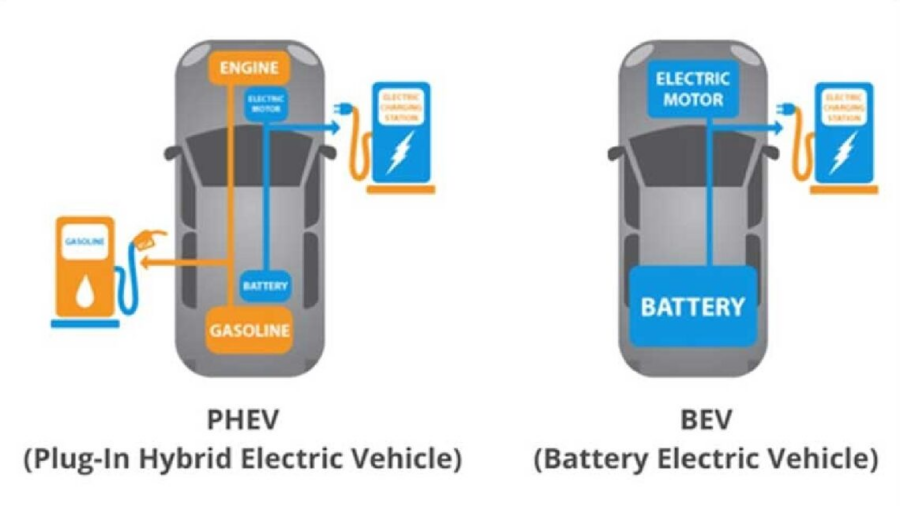
A hybrid vehicle (HEV) combines a gasoline engine with a small electric motor and battery. The battery is charged automatically through regenerative braking and engine power—you never need to plug it in.
A plug-in hybrid (PHEV) has a larger battery that can be charged externally and allows for limited all-electric driving, typically between 40–80 km (25–50 miles), before switching to hybrid mode.
On paper, PHEVs sound superior. But without home charging, the story changes.
What Happens If You Can’t Charge at Home?
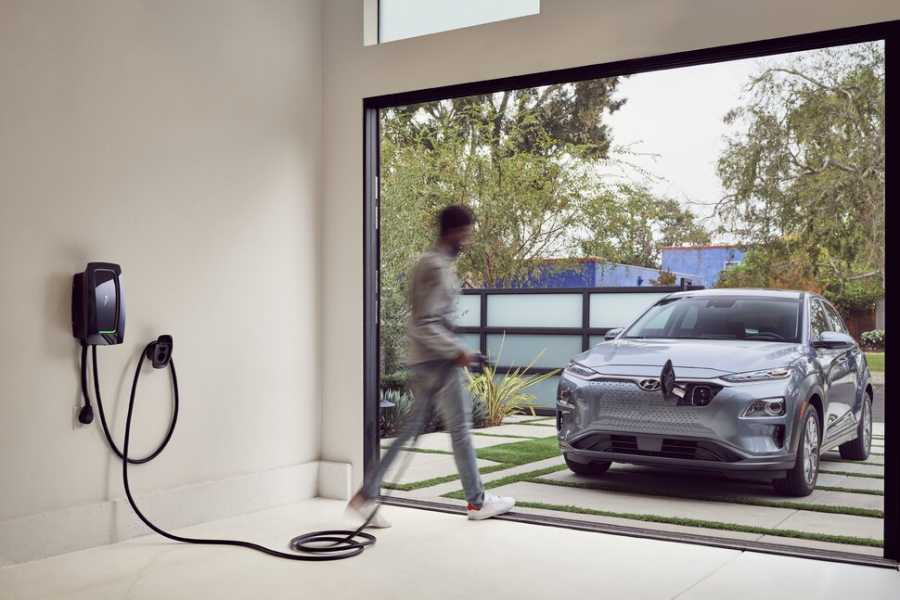
If you don’t have a home charger, a PHEV will mostly operate like a heavier, more complex hybrid.
Key drawbacks include:
Underused battery capacity
Without regular charging, the large battery becomes dead weight rather than an advantage.
Lower real-world efficiency
A PHEV running primarily on gasoline often consumes more fuel than a standard hybrid due to extra weight.
Longer charging times on public chargers
Many PHEVs charge slowly (often 3–7 hours on AC), making public charging inconvenient.
For buyers focused on convenience—especially those browsing for a car for sale in Cambodia, where home charging access may be limited—this is a critical consideration.
Why a Regular Hybrid Often Makes More Sense
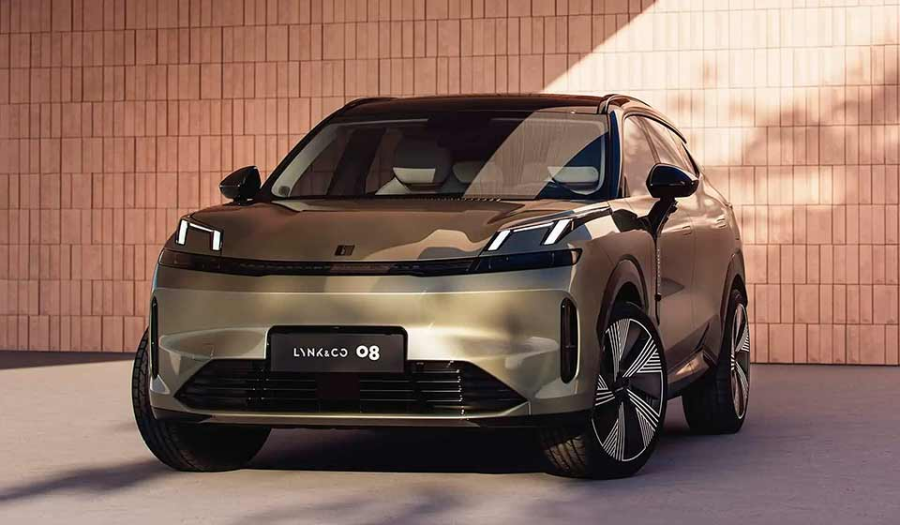
For drivers without a home charger, a traditional hybrid is usually the more practical and cost-effective option.
Advantages of hybrids include:
No charging required
You refuel just like a conventional car—no range anxiety, no charging planning.
Consistent fuel savings
Hybrids are optimized to work efficiently without external power, especially in city traffic.
Lower purchase price
Hybrids are typically cheaper than PHEVs, both upfront and in long-term maintenance.
Simpler ownership experience
Fewer components and no dependence on charging infrastructure.
In markets where charging networks are still developing, these benefits are especially valuable.
When a Plug-in Hybrid Could Still Work
That said, a PHEV isn’t automatically the wrong choice.
- A plug-in hybrid may still make sense if:
- You have reliable charging at work
- You live near fast, affordable public chargers
- Your daily driving is short and predictable
- You plan to gain home charging access in the near future
Some urban drivers find that even charging two or three times a week significantly reduces fuel use. However, this requires discipline and infrastructure that isn’t always available.
Infrastructure Matters More Than Technology
The best powertrain isn’t just about technology—it’s about fit. In regions where fuel stations are abundant but charging stations are limited, hybrids offer unmatched reliability.
For buyers looking for a car for sale in Cambodia, this is particularly important. While EV and PHEV adoption is growing, gasoline availability remains far more widespread and dependable than charging infrastructure.
Hybrids provide:
- Immediate usability
- No dependency on external charging
- Strong resale value in developing markets
Total Cost of Ownership Comparison
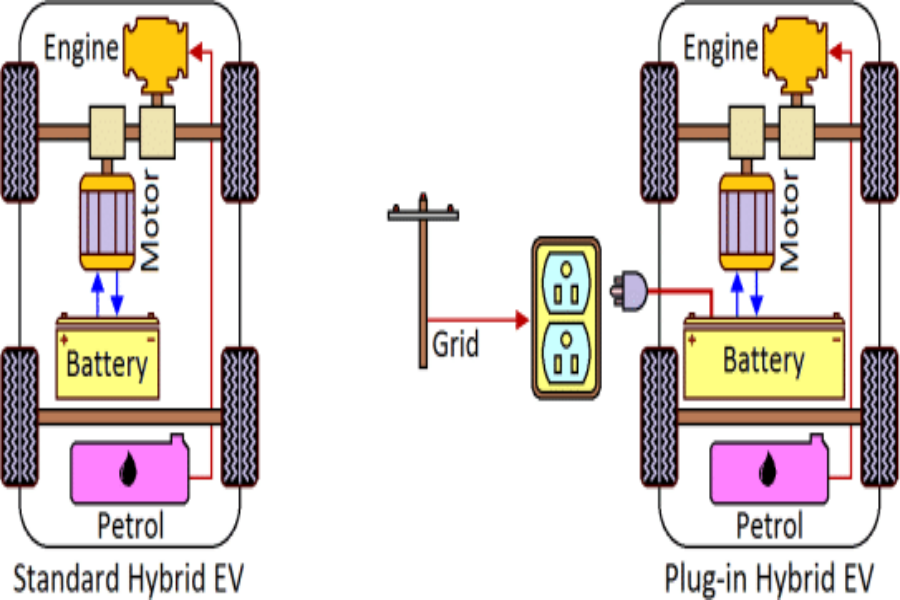
When evaluating long-term costs without home charging:
Hybrid:
Lower purchase price, predictable fuel savings, minimal lifestyle changes.
Plug-in Hybrid:
Higher upfront cost, limited benefit without charging, potentially higher fuel use if not plugged in regularly.
Unless you can consistently charge, a PHEV’s financial advantage often disappears.
The Verdict: Which Should You Choose?
If you don’t have a home charging station, a regular hybrid is usually the smarter choice. It delivers reliable fuel efficiency, lower costs, and zero charging hassle—making it ideal for most real-world driving scenarios.
A plug-in hybrid only makes sense if you have dependable access to charging elsewhere and are committed to using it consistently.
For drivers exploring a car for sale in Cambodia, where convenience, reliability, and infrastructure compatibility matter more than theoretical electric range, hybrids remain the most balanced and practical solution.
Final Thoughts
Electrification doesn’t have to be all or nothing. Choosing the right hybrid technology depends less on trends and more on your daily reality. If charging isn’t guaranteed, simplicity wins—and in that case, a traditional hybrid is hard to beat.
Looking for top-quality new or used cars? Trust DG Motors for fast, reliable service—or visit our Phnom Penh showroom today!