

As the global automotive market accelerates its transition toward electrification, Mazda and Toyota have launched their respective flagship models: the Mazda EZ-6 and the Toyota BZ3. These vehicles reflect each brand’s technology and market strategy in the new energy field. However, they show clear differences in range, features, and value.
This article offers a detailed comparison of both models. It aims to help global consumers, especially those looking for a car for sale in Cambodia, make better-informed purchase decisions.
01 Market Positioning and Pricing Strategy
Price often tops the list of considerations for EV buyers worldwide. While the Mazda EZ-6 and Toyota BZ3 target a similar market segment, their pricing approaches differ noticeably.
The Mazda EZ-6 provides a more flexible price range. In China, its official starting price is 139,800 RMB (about $19,300 USD). It also qualifies for several subsidy programs.
After subsidies, buyers can start from as low as 99,800 RMB (around $13,800 USD). This makes the EZ-6 highly competitive.
For overseas buyers in markets like Cambodia, suppliers on Alibaba list the EZ-6 between $15,001 and $20,001 USD. Bulk orders receive discounts, and the price includes export services.
The Toyota BZ3 carries a slightly higher price tag. In China, its official range is 169,800–199,800 RMB (approx. $23,400–$27,600 USD).
During promotions, dealers may drop the starting price to 134,800 RMB (about $18,600 USD). On used export platforms, the 2025 BZ3X SUV lists for $18,679 USD.
Globally, the Mazda EZ-6 shows stronger price flexibility. It appeals to a wider audience by offering both extended-range and pure electric versions.
02 Range and Powertrain
Drivers of electric cars pay close attention to range. Here, the Mazda EZ-6 and Toyota BZ3 take different technical paths.
The Mazda EZ-6 meets various needs with two powertrain options: extended-range and pure electric. The extended-range model uses a 1.5L range extender paired with a rear-mounted single motor. It delivers 160kW of power and 320N·m of torque.
You can choose between two CLTC electric-only ranges: 130km or 200km. A fast charge takes only 0.33 hours.
The pure electric version employs a 190kW rear motor with 320N·m of torque. It carries a 68.8kWh LFP battery, providing up to 600 km of CLTC range.
Even more impressive, it supports 3C charging. This means you can charge from 30% to 80% in 15 minutes, gaining 300km of range.
The Toyota BZ3 uses a pure electric system supplied by BYD. It comes with a front-mounted single motor in two power variants: 135kW or 180kW. Buyers can select a 49.9kWh or 65.3kWh battery. These offer CLTC ranges of 517 km and 616 km, respectively.
In fast-charging mode, the BZ3 goes from 30% to 80% in 27 minutes. It also includes a 3300W external discharge function. This can power 220V home appliances, adding everyday usefulness.
In Cambodia, where charging infrastructure continues to grow, the extended-range Mazda EZ-6 offers a practical choice. It helps reduce range anxiety effectively.
03 Features and Technology Experience
Both models emphasize technology and comfort through their included features.
The Mazda EZ-6 comes standard with a 10.1-inch full LCD dashboard and a 14.6-inch central screen. A Qualcomm Snapdragon 8155 chip powers the system for smooth operation.
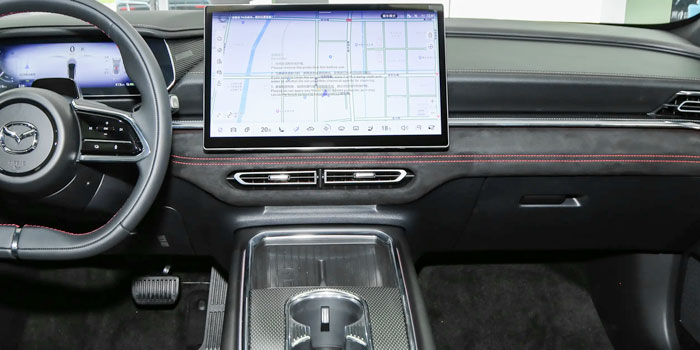
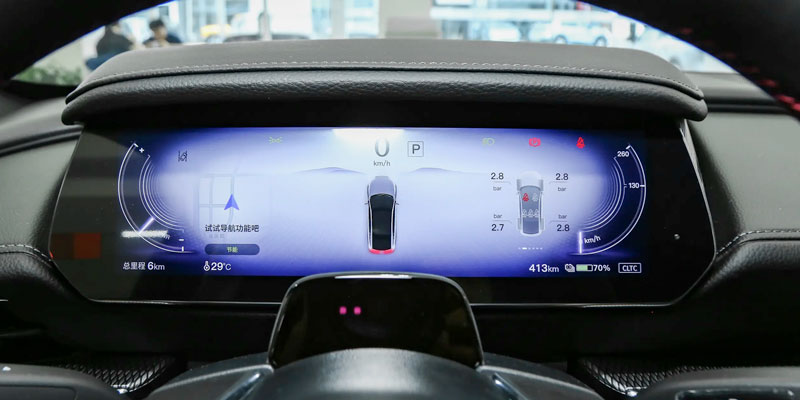

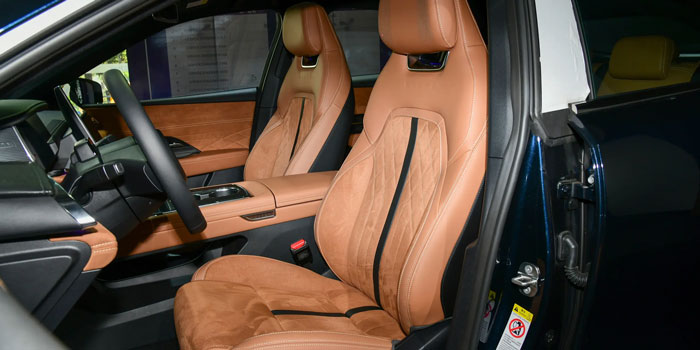

Higher trims add a 50-inch AR-HUD display. This boosts both safety and the high-tech feel.
For audio, mid and low trims include 6 speakers. The top version upgrades to a 14-speaker Sony sound system.
Safety is a strong point: the EZ-6 includes 9 airbags as standard, covering front and rear rows, plus a far-side airbag.
Inside, the Toyota BZ3 introduces a 12.8-inch central display—the largest ever in a Toyota.
Its infotainment system features an AI assistant named “Xiaofei.” It understands multiple dialects and works without wake-word activation in many scenarios. The system also accepts continuous commands for 120 seconds and understands natural speech.
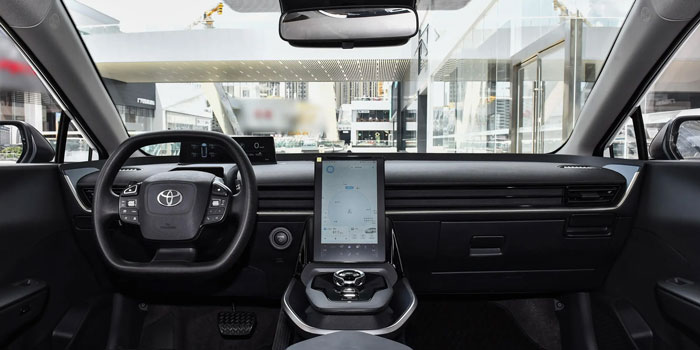

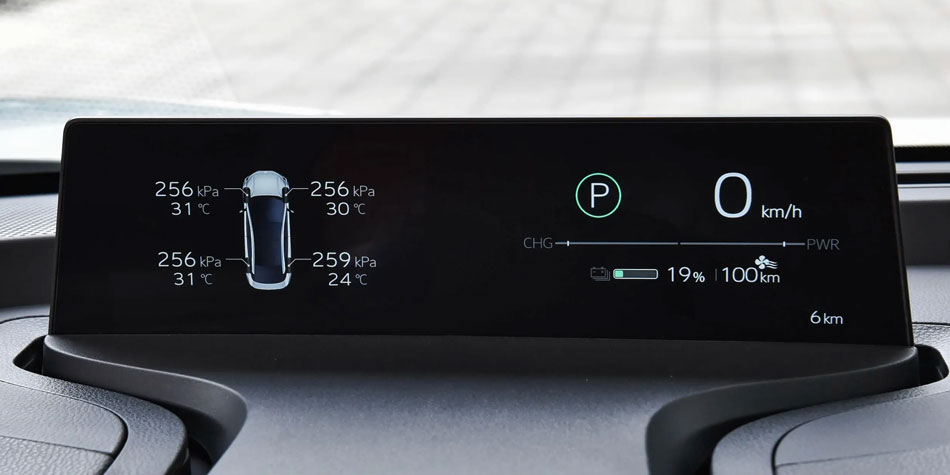

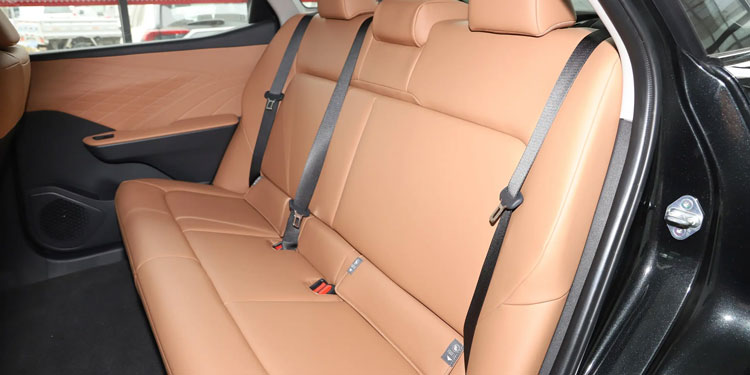
For safety, the BZ3 offers a full suite of L2-level driving assistance systems.
Overall, the Mazda EZ-6 holds a small advantage in features. Its standard 9 airbags and available AR-HUD show a strong focus on safety and innovation.
04 Design and Space
Design style and cabin space greatly influence buying decisions. These two models express unique personalities.
The Mazda EZ-6 continues the brand’s “KODO – Soul of Motion” design language. It transforms the classic spindle grille into a closed front fascia.
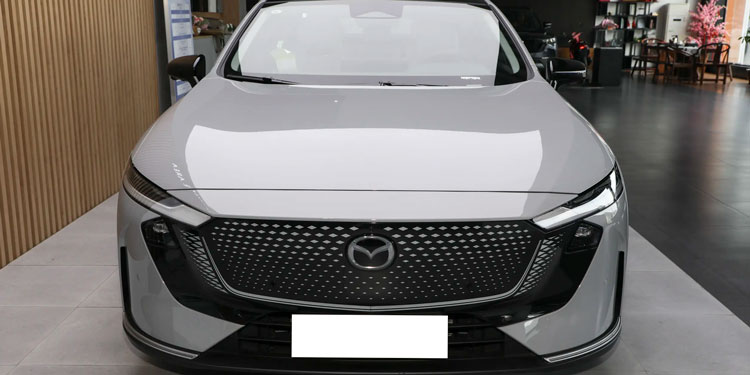
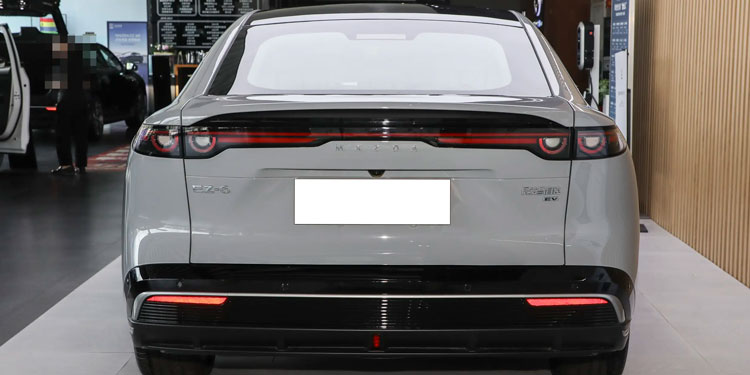
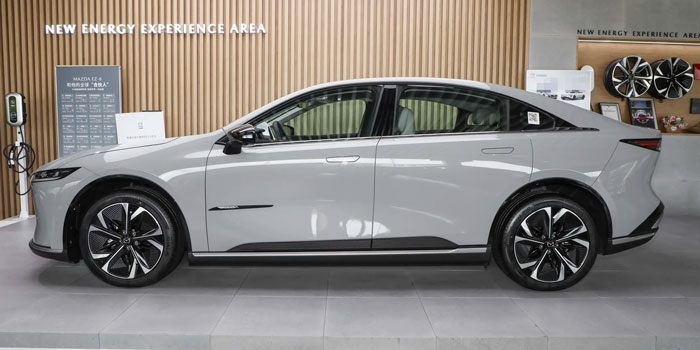
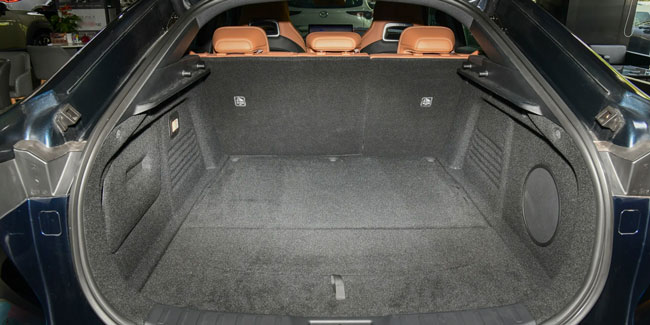
The pure electric and extended-range versions have slight styling differences. One uses a dot-matrix closed panel, the other a dot-matrix grille.
It rides on 245/45 R19 tires and features frameless doors. Dimensions are 4921×1890×1485mm, with a 2895mm wheelbase—close to C-segment standards.
Thanks to the long wheelbase, rear passengers enjoy up to three fist-widths of legroom. That is one more fist-width than the older Atenza model.
The Toyota BZ3 opts for a sharp, mecha-inspired look. Its clean front end lacks a grille, and it sports circular front and rear light bands. This style will likely attract younger buyers.
The BZ3 measures 4725×1835×1475mm, with a 2880mm wheelbase—10mm longer than the Toyota Avalon.
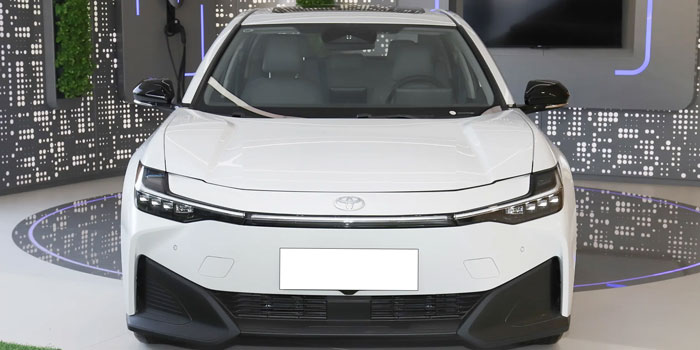
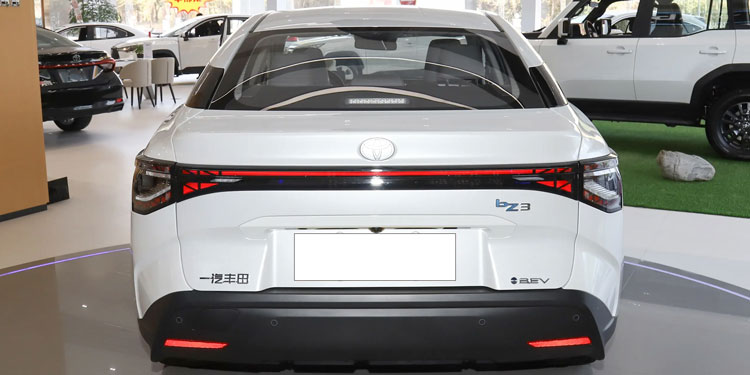
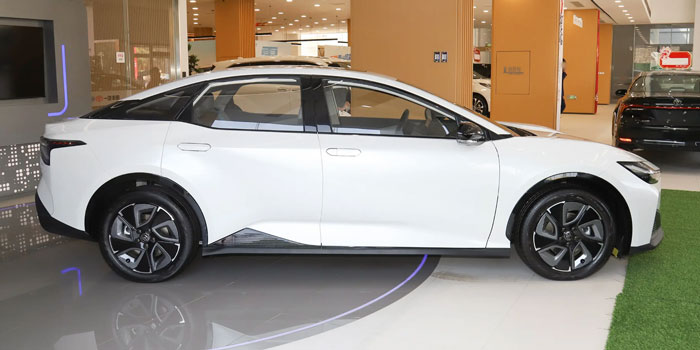
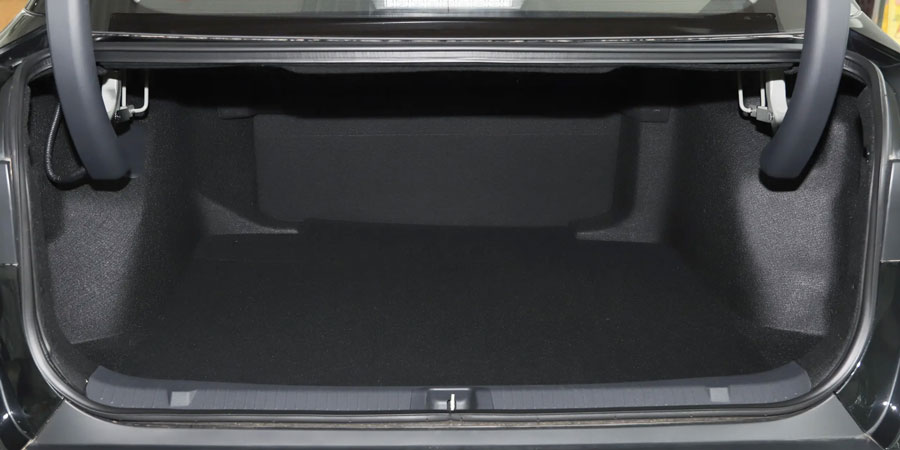
It also uses special inward-retracting door handles. These differ from common pop-out handles, blending design and function.
Both cars make good use of interior space. Still, the Mazda EZ-6 leads slightly in overall size and cabin room.
05 Global Value and Resale Rate
Long-term value and worldwide service support matter to international buyers.
Mazda builds the EZ-6 to a single global standard. It sells as the EZ-6 in China and as the 6e in Europe and Thailand.
So whether you buy it in Cambodia, Europe, or Thailand, you receive the same quality and performance.
This global approach ensures parts commonality and broader service coverage—a clear benefit in the car for sale in Cambodia market.
Mazda also offers a lifetime “Zero Combustion” warranty. It transfers between owners and has no mileage limit, cutting long-term costs.
The Toyota BZ3 uses Toyota’s well-established global sales and service network. A key advantage is its BYD-sourced electric drive system. This combines Toyota’s quality control with BYD’s battery expertise.
Toyota has a strong record for resale value. As an important electric model, the BZ3 will likely continue that trend.
Globally, each model presents a unique value. The Mazda EZ-6 promotes a “global car at a Chinese price.” The Toyota BZ3 draws on Toyota’s brand strength and BYD’s technical backing.
If you are in Cambodia and considering the Mazda EZ-6 or Toyota BZ3, we recommend a test drive. Experience each car’s handling, space, and tech features firsthand.
Your final choice should match your driving style, charging access, and budget. The best car is the one that fits you best.
In the growing car for sale in Cambodia market, both the Mazda EZ-6 and Toyota BZ3 represent modern EV technology. Each one delivers the innovation and benefits of electric driving.
Looking for top-quality new or used cars? Trust DG Motors for fast, reliable service—or visit our Phnom Penh showroom today!


