

Competition in the global electric vehicle market is intensifying. In the price segment of around 300,000 RMB (approximately $42,000 USD), two models stand in direct rivalry: the 2025 Avatr 12 from China and the Tesla Model 3 from the United States.
According to the latest market data, the entry-level Tesla Model 3 2025 starts at $36,990 in the United States. In comparison, the Avatr 12 has a starting price of 269,900 RMB (about $37,800 USD) in the Chinese market.
01 Market Positioning and Pricing Strategy
The global EV market showcases a diversified competitive landscape, where regional pricing strategies reflect differences in brand positioning and market approach.
As a global model, the Tesla Model 3 employs differentiated pricing across markets. In the United States, the newly released Model 3 Standard starts at $36,990. This entry-level version achieves a lower price point by streamlining features, omitting items like the glass roof, rear screen, and seat ventilation.
Currently, the 2025 Avatr 12 primarily targets the Chinese market, with an official guide price ranging from 269,900 to 429,900 RMB. Converted, this is approximately $37,800 to $60,200 USD. Notably, with limited-time offers, the effective price can be as low as 259,900 RMB.
The price comparison shows that both cars hold similar positioning in their respective main markets, but their configuration strategies differ significantly. Below is a price comparison table for the two models in the Chinese and US markets:
| Model | Starting Price in China | Starting Price in USA | Primary Target Market |
| 2025 Avatr 12 | 269,900 RMB | No official quote yet | Mainly China |
| Tesla Model 3 2025 | 235,500 RMB | $36,990 USD | Global Market |
For consumers interested in the car for sale in Cambodia market, both vehicles might be available through import channels. However, their prices would be significantly higher than in their home countries due to tariffs, shipping costs, and other factors.
02 Design and Space
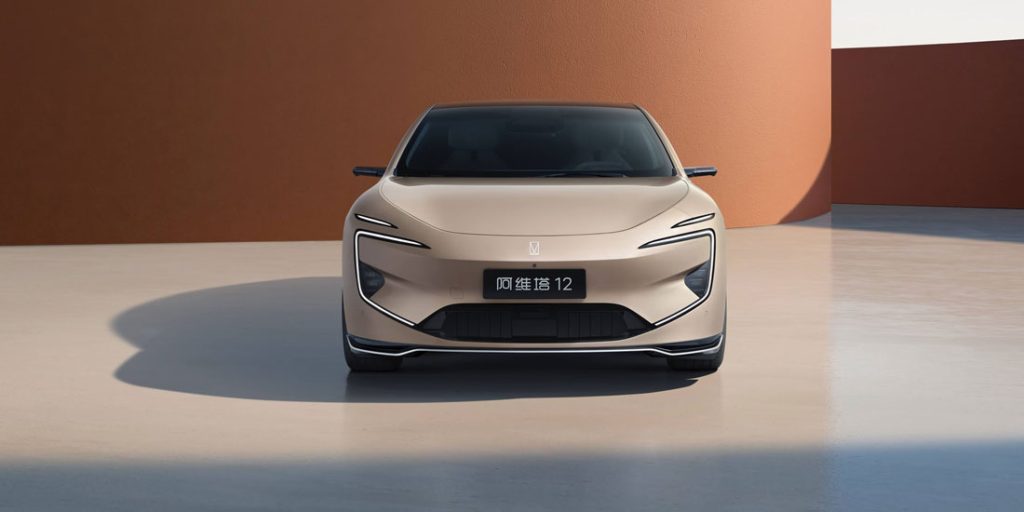
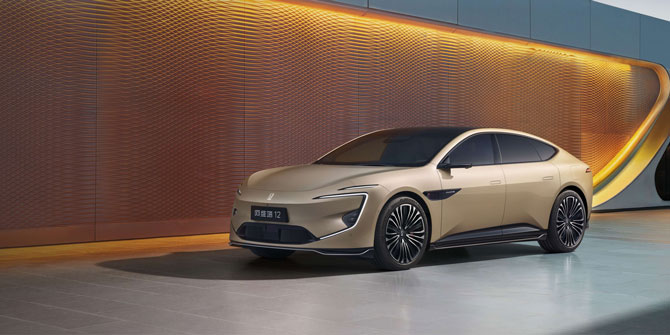
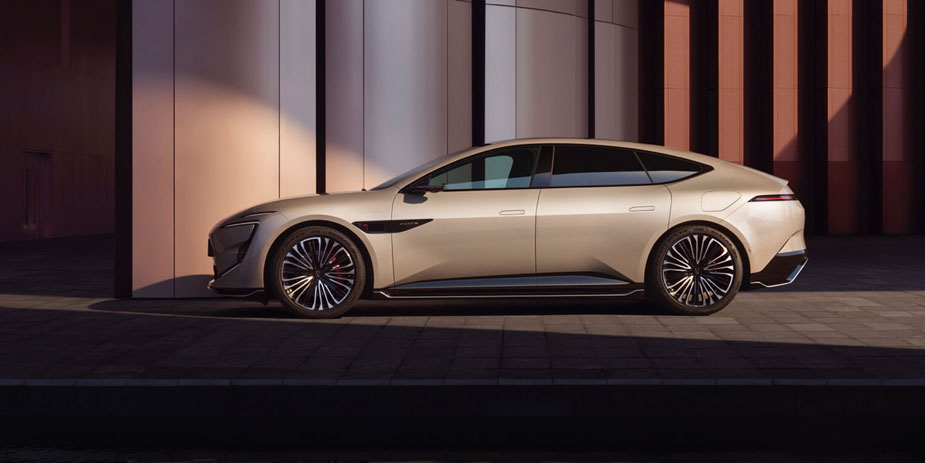
In terms of exterior design, the two cars represent distinct aesthetic philosophies. The 2025 Avatr 12 centers its design on a “Future Aesthetics” language, with dimensions of 5020×1999×1450mm and a wheelbase reaching 3020mm.
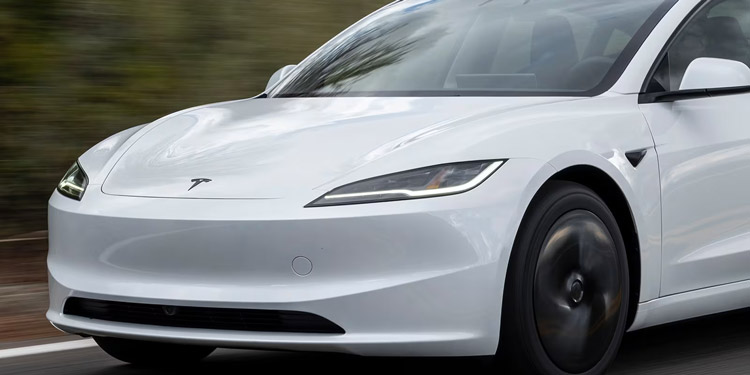
The Tesla Model 3 2025 continues the brand’s iconic minimalist style, with a key change being the shift to an all-black design for both front and rear logos. This “blacked-out” treatment aligns with current design trends.
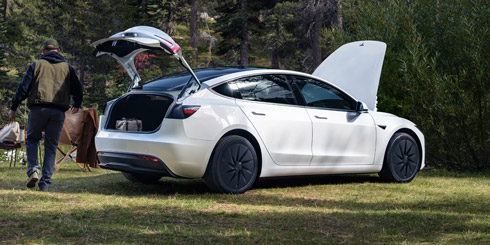
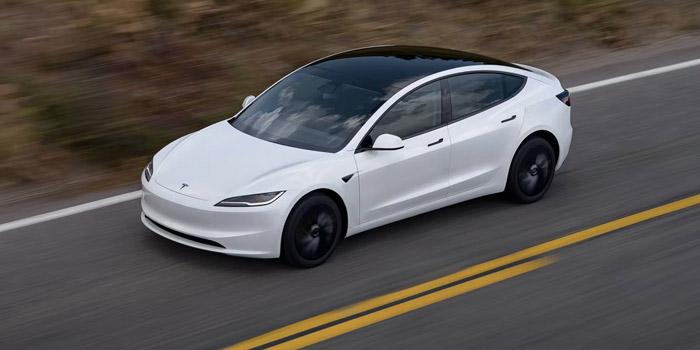
Regarding interior space, Avatr car focuses more on crafting a sense of luxury. The Avatr 12 cabin uses Nappa leather, features hand-stitched craftsmanship, and includes carefully designed ambient lighting.
The interior of the Tesla Model 3 leans more towards functionalism, with its 15.4-inch central touchscreen integrating most vehicle controls. This design philosophy sacrifices some luxury feel but offers an intuitive operational experience.
03 Smart Technology Comparison
The advanced driver-assistance system (ADAS) is the area where the technological differences between the two cars are most pronounced. The 2025 Avatr 12 comes standard with a Huawei quad-laser radar system across all trims.
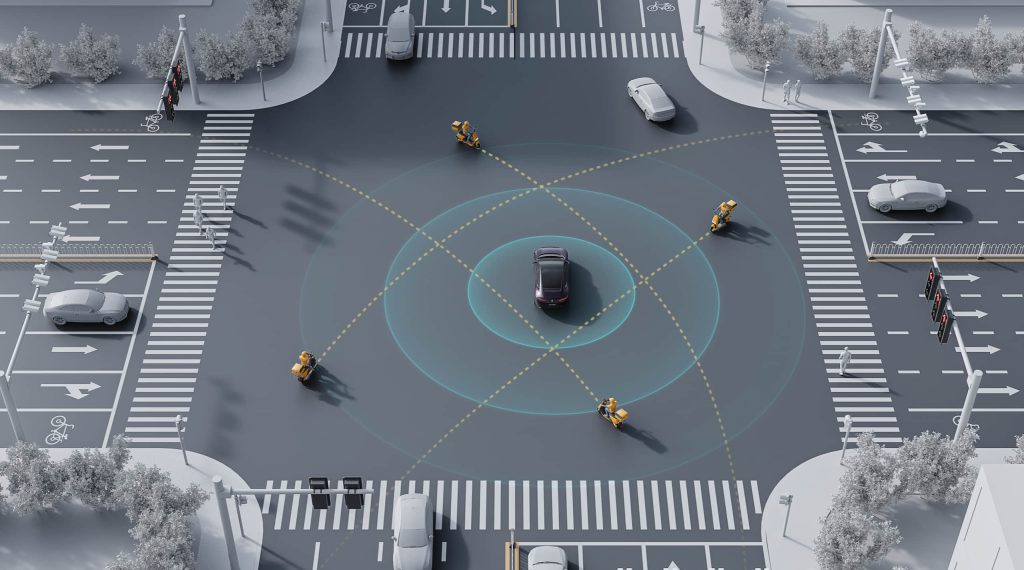
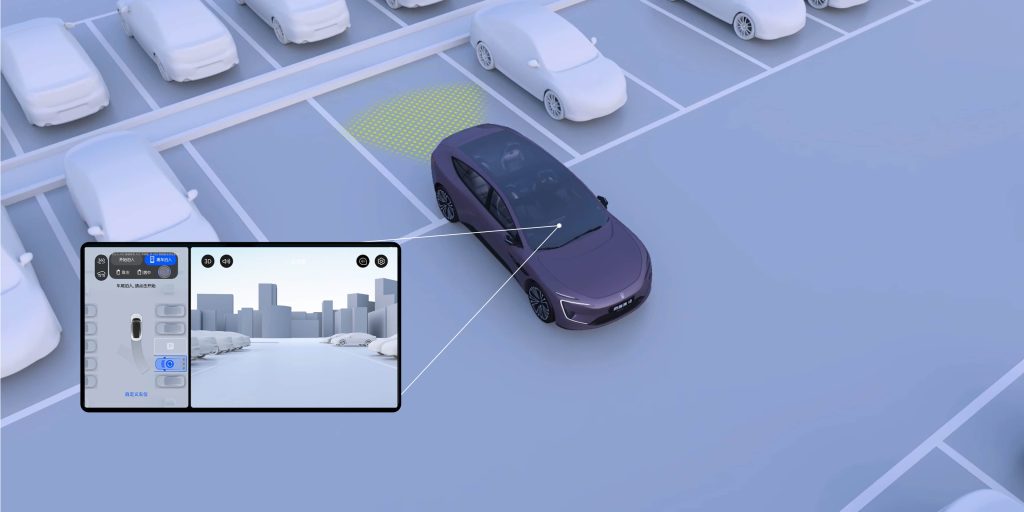

Specifically, this system includes three long-range laser radars and one rear high-precision solid-state laser radar, achieving 360-degree blind-spot-free perception. Coupled with the Huawei Qiankun ADS 4.0 system, it aims to evolve decision-making from “imitating human driving” to “surpassing human driving.”
Tesla persists with a pure vision-based approach. A key upgrade for the 2025 Model 3 is the addition of a front bumper camera. This system relies on eight external cameras for environmental perception and comes standard with Traffic-Aware Adaptive Cruise Control (Autopilot).
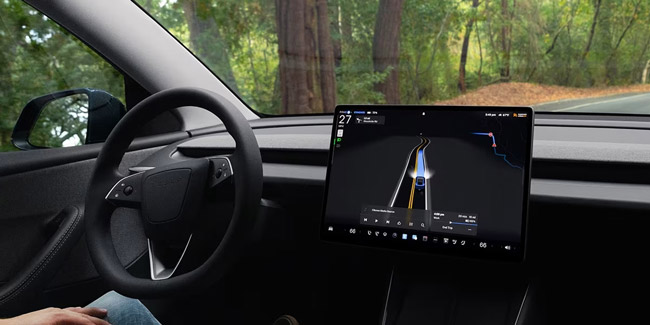
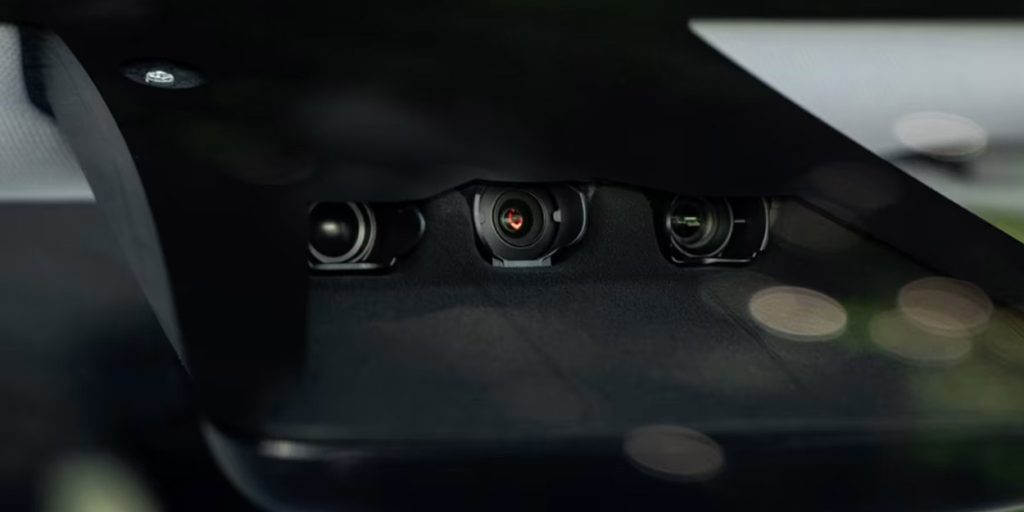
For the smart cockpit, the Avatr 12 is equipped with a HarmonyOS-based system, featuring a 35.4-inch 4K panoramic wide-screen and a 15.6-inch central control screen. The Tesla Model 3 maintains its design centered around the 15.4-inch central screen.
04 Performance and Range
The two cars offer different solutions in their powertrain systems. The 2025 Avatr 12 offers both pure electric and extended-range (EREV) options.
The pure electric version is equipped with a 94 kWh battery. The rear-wheel-drive (RWD) version boasts a CLTC range of up to 755 km, while the all-wheel-drive (AWD) version can accelerate from 0-100 km/h in just 3.8 seconds. The extended-range version features a 52 kWh CATL battery, offering a pure electric range of 356 km and a combined maximum range of 1270 km.
The Tesla Model 3 offers multiple battery configurations. The Long Range RWD version uses a 78.4 kWh lithium-ion battery, achieving a CLTC range of 830 km. The Standard RWD version is equipped with a 62.5 kWh LFP battery, providing a range of 634 km.
Regarding charging technology, the Avatr 12 extended-range version supports 5C peak charging rates, capable of charging from 30% to 80% in 10 minutes. Tesla leverages its extensive Supercharger network to provide fast charging services globally.
05 Features and Luxury Experience
The level of standard features directly reflects two different product philosophies. The 2025 Avatr 12 markets itself on “cross-segment luxury,” featuring a standard 25-speaker Meridian sound system across all trims.
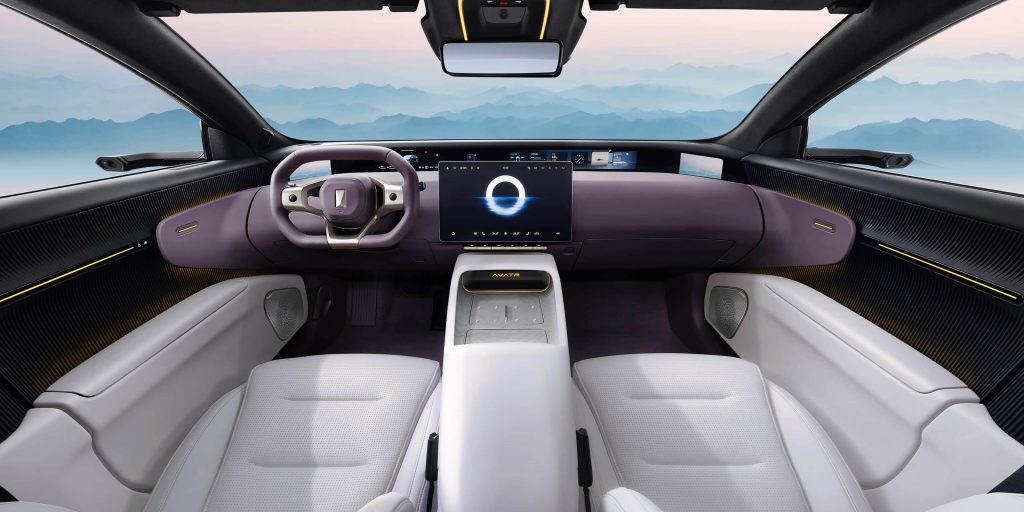

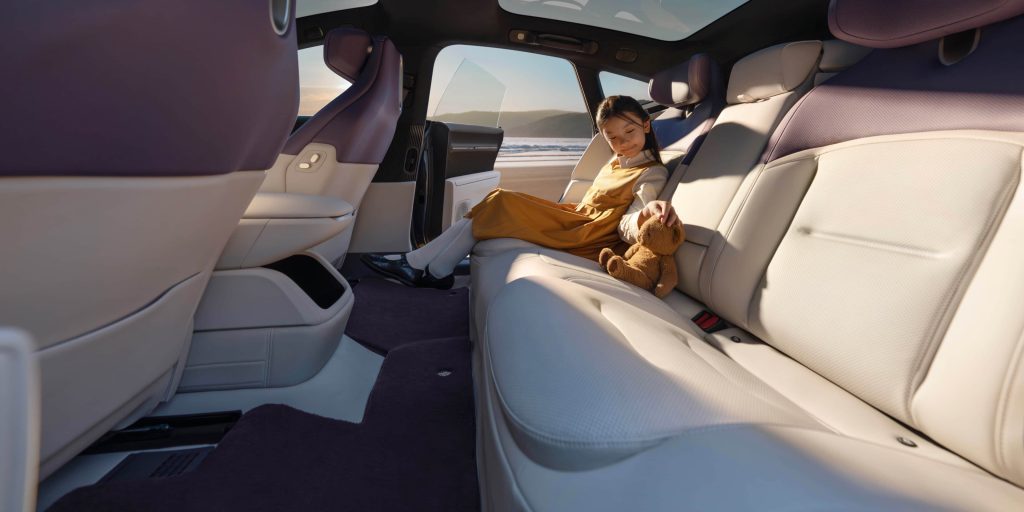
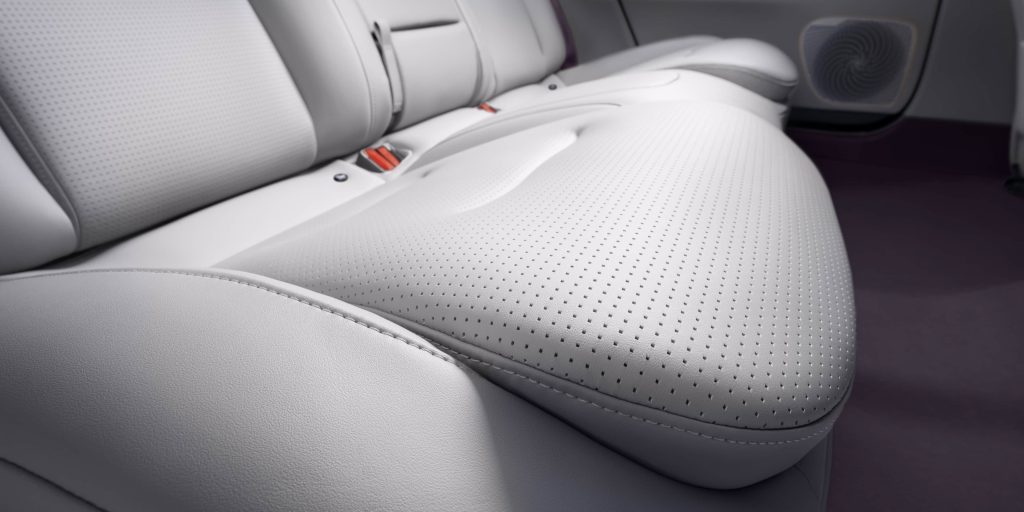
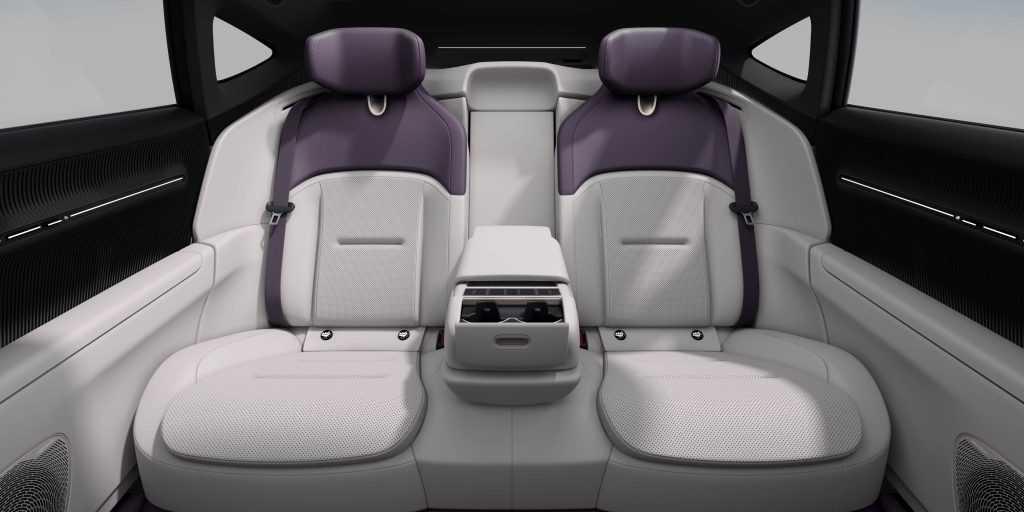
The seat configuration is particularly noteworthy. The front features dual zero-gravity seats with 8-point massage, heating, and ventilation functions. Higher trim levels offer a VIP four-seat package, where rear seats support electric adjustment, heating, ventilation, and massage.
The Tesla Model 3‘s configuration strategy prioritizes practicality and cost control. The 2025 model comes standard with features like Full-Speed Adaptive Cruise Control, a split panoramic glass roof (non-opening), and a leather-wrapped steering wheel.
However, to control costs, the entry-level Model 3 Standard removes features like the glass roof, rear screen, seat ventilation, and a HEPA air filter. The seats also use a blend of synthetic leather and fabric material.
06 Global Market Adaptability
From a global perspective, the market adaptability of the two cars shows clear differences. The Tesla Model 3, as a globalized model, has established sales and service networks in multiple countries.
Tesla’s extensive Supercharger network provides a relatively consistent charging experience for users worldwide. Additionally, Tesla’s high brand recognition contributes to relatively stable resale value.
Avatr car, as a Chinese premium brand, currently focuses primarily on the Chinese market. However, for overseas users, particularly in Southeast Asian regions like Cambodia, it can be purchased through import channels.
The extended-range version of the Avatr 12 is especially suitable for regions with underdeveloped charging infrastructure. Its 1270 km combined range and fast-charging capability can effectively alleviate range anxiety.
Conclusion
The minimalist central screen of the Tesla Model 3 still dominates its dashboard, while the 35.4-inch panoramic screen of the 2025 Avatr 12 spans the entire console. On one side is the globally validated pragmatism; on the other is the bold innovation of a Chinese brand.
The price table shows that the two cars have similar positioning but divergent paths: Tesla lowers the entry barrier by simplifying features, while Avatr challenges traditional luxury cars by piling on luxurious features. In emerging markets like Cambodia, charging conditions determine the practical advantage of an extended-range version, while brand recognition influences long-term value retention.
The quad-laser radar system of the Avatr 12 is redefining smart safety standards, while Tesla’s vision-only approach continues to prove its versatility. There is no absolute winner in this showdown—only the choice that best fits the individual user.
Looking for top-quality new or used cars? Trust DG Motors for fast, reliable service—or visit our Phnom Penh showroom today!


