In today’s increasingly competitive electric SUV market, driving range and ride comfort have become central to consumer decision-making. The 2025 Chevrolet Blazer EV and the 2025 Volkswagen ID.4 are two popular models that contend directly on these focal points. This article will provide a detailed comparison of these two electric vehicles regarding their real-world range performance and cabin comfort, offering clear insights for your purchase decision. It is worth mentioning that for consumers in Southeast Asian markets, such as those looking for a car for sale in Cambodia, understanding the differences in these core performances is particularly important.
01 Market Positioning
The electric SUV market has become quite crowded, and consumers are often confused when faced with numerous choices. Both the Chevrolet Blazer EV and the Volkswagen ID.4 attempt to attract customers with range and comfort, but their strategies and performances differ.
The 2025 Chevrolet Blazer EV is positioned as a mid-to-large-size electric SUV in the United States market, offering multiple configurations, from entry-level to the performance SS version. Its price range spans from $45,995 to $61,995.
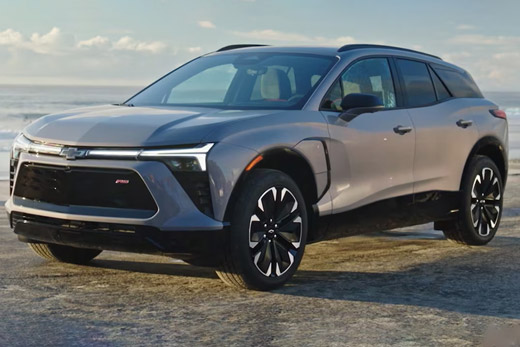
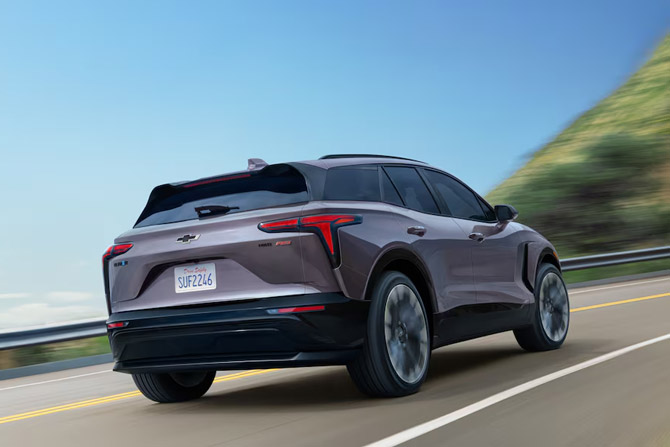
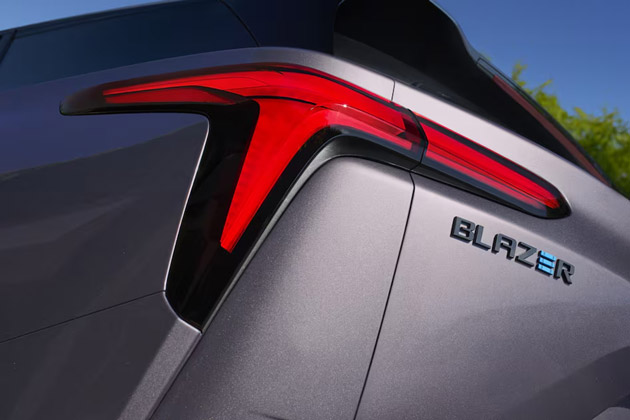
The Blazer EV emphasizes a combination of performance and space. Its body dimensions are 4824mm×1961mm×1640mm, with a wheelbase reaching 3100mm, providing a quite spacious interior.
In contrast, the 2025 Volkswagen ID.4, as a compact electric SUV, continues to gain market recognition globally. In the South Korean market, it has even become the top-selling European brand electric vehicle.
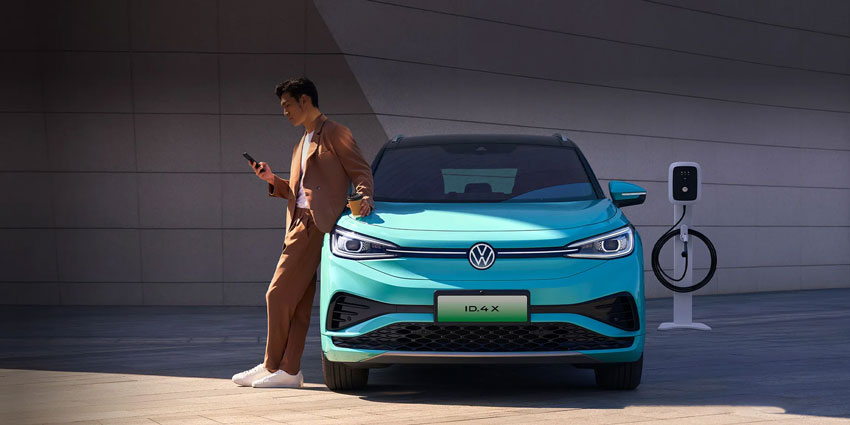
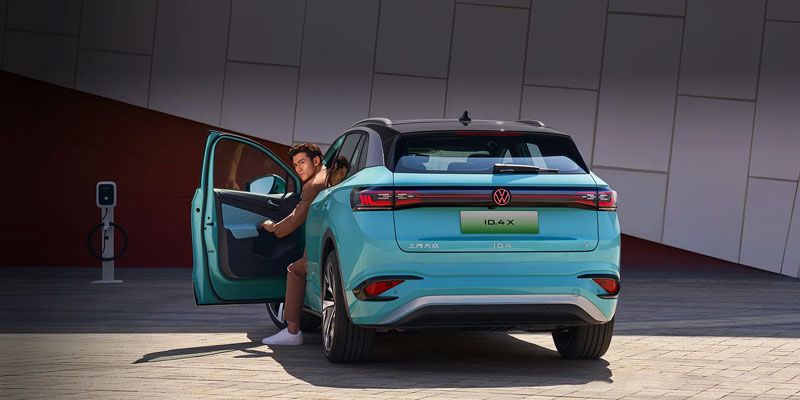
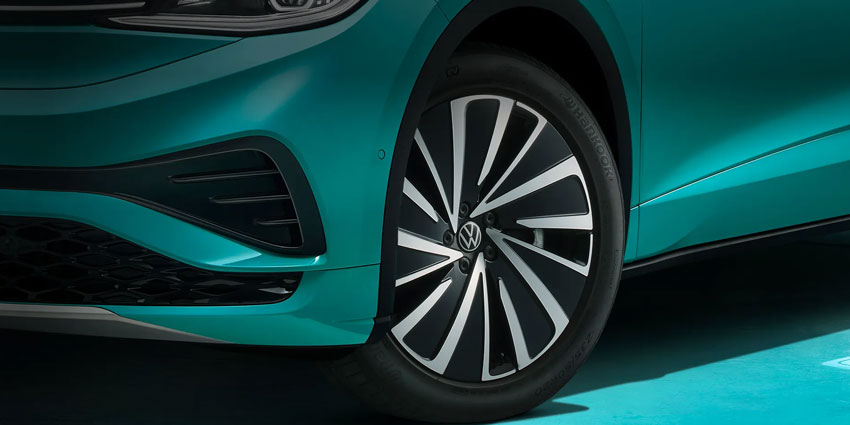
In the North American market, the 2025 ID.4 has a starting price of $46,520, offering both rear-wheel-drive and all-wheel-drive versions. The two vehicles target different consumer groups but both seek a place in the electric SUV market.
02 Core Comparison
To more intuitively compare the core differences between the two models, we have compiled the following key parameter comparison table:
| Comparison Dimension | 2025 Chevrolet Blazer EV | 2025 Volkswagen ID.4 |
| Vehicle Positioning | Mid-to-Large Electric SUV | Compact Electric SUV |
| Starting Price (USA) | $45,995 | $46,520 |
| Maximum Range | 538 km (Rear-Wheel-Drive version) | 424 km (South Korean version) |
| Battery Capacity | 102 kWh (SS version) | 82 kWh |
| Maximum Power | 595 hp (SS version) | 286 hp |
| Charging Power | Up to 190 kW | Up to 170 kW |
| Interior Space | 3100mm wheelbase, spacious rear row | Ample rear space, large trunk capacity |
| Comfort Features | Seats comfortable on long drives but average support | Quiet cabin, comfortable ride |
As can be seen from the table, the Blazer EV clearly leads in range and performance data, while the ID.4 has its advantages in price and comfort configurations.
03 Range Capability
For electric vehicles, range is one of the most concerning metrics for consumers. The 2025 Chevrolet Blazer EV excels in this aspect, with its rear-wheel-drive version achieving a range of up to 538 km.
Even the performance SS version equipped with a 102 kWh battery can achieve a range of 488 km. This vehicle is built on General Motors’ Ultium platform, demonstrating quite good energy consumption performance.
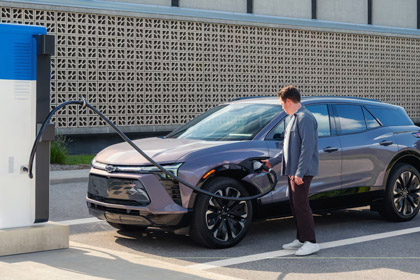
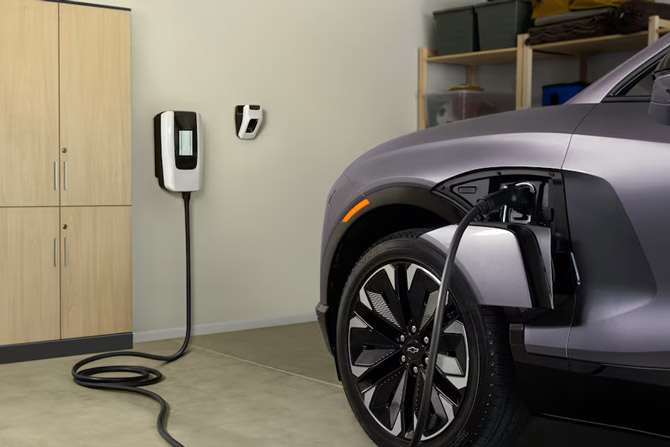
In actual testing, the comprehensive energy consumption of the Blazer EV SS is 22.73 kWh/100 km. When driving on city roads, consumption can even fall below 18 kWh/100 km.
Regarding charging, the Blazer EV’s maximum charging power is 190 kW. According to official data, under ideal conditions, a 10-minute charge can restore 127 km of range. Additionally, owners can purchase an NACS adapter to use the Tesla Supercharger network.
The range performance of the 2025 Volkswagen ID.4 is different. Its South Korean version can travel 424 km on a single charge. It is equipped with an 82 kWh lithium-ion battery, capable of meeting daily commuting and medium-distance travel needs.
The ID.4’s maximum charging power is 170 kW, slightly lower than the Blazer EV’s. However, it features an optimized thermal management system and an intelligent cooling system, which help maintain battery efficiency and lifespan.
04 Comfort Experience
The comfort of an electric vehicle involves not only the seats but also multiple aspects such as cabin space, noise control, and ride quality.
The interior design of the 2025 Chevrolet Blazer EV is quite ingenious. The front seats offer multi-directional power adjustment functions, providing the optimal seating position for drivers of different physiques.
However, some test drive reports point out that although the seat base is on the firm side, it is surprisingly comfortable on long drives. On the other hand, the forward-leaning design of the headrest may prevent the upper part of the driver’s back from fully contacting the seatback.
The Blazer EV’s wheelbase reaches 3100mm, providing ample legroom for rear-seat passengers. Furthermore, its trunk volume is considerable, and the rear seats can be folded down, meeting the storage needs of family trips.
The 2025 Volkswagen ID.4 also has its advantages in terms of comfort. Consumer Reports describes it as “spacious and comfortable to ride in.” Particularly, the rear seats and luggage space are quite ample, offering convenience for family users.
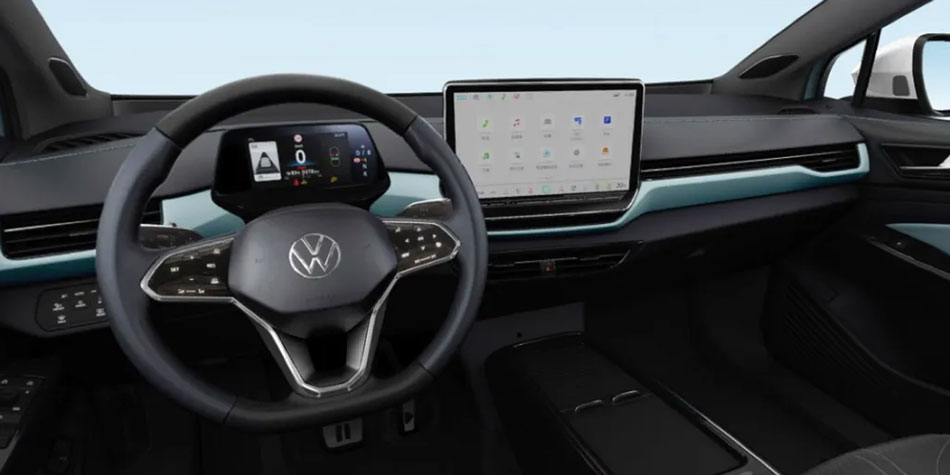
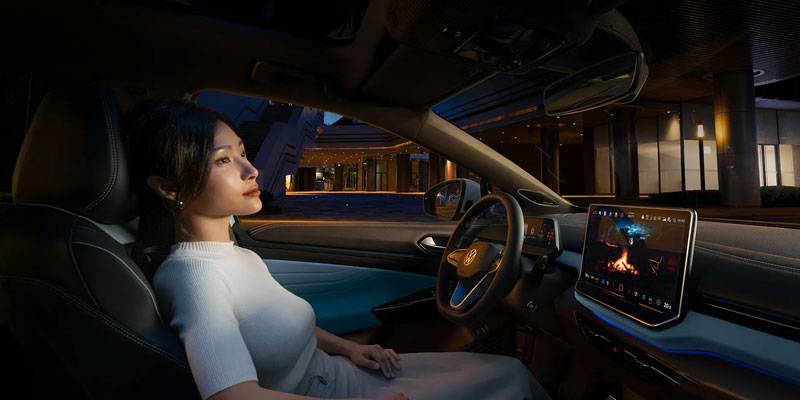

The ID.4’s cabin noise control is excellent, providing a quiet environment for passengers. However, some users report that its infotainment system is not intuitive to operate, and its response speed needs improvement.
05 Purchase Advice
When choosing between the 2025 Chevrolet Blazer EV and the 2025 Volkswagen ID.4, consumers need to make a decision based on their actual needs and preferences.
If you prioritize range, space, and performance, the 2025 Chevrolet Blazer EV might be the better choice. Its rear-wheel-drive version offers a range of up to 538 km, and its larger body size is suitable for families who frequently take long trips or have higher cargo space requirements.
Simultaneously, the Blazer EV offers a variety of configuration choices, from economical to high-performance versions, allowing consumers to choose flexibly based on budget and needs.
If you place more importance on ride comfort, urban driving convenience, and brand reliability, the 2025 Volkswagen ID.4 is worth considering.
It has gained a good reputation in markets like South Korea, and as the sales champion among European brand electric vehicles, its quality and reliability have been validated. The ID.4 is more suitable for users who primarily drive in urban areas and value ride comfort.
It is important to note that in Southeast Asian markets like Cambodia, both models may be imported and sold as a car for sale in Cambodia. However, specific configurations, prices, and after-sales services may differ from those in the United States or South Korean markets. Potential buyers are advised to contact local dealers directly for the latest information.
Looking for top-quality new or used cars? Trust DG Motors for fast, reliable service—or visit our Phnom Penh showroom today!