The starting price for the Volkswagen ID. Buzz in the U.S. market is $59,995 (approximately RMB 428,000). In contrast, the starting price for the Tesla Model X in China is RMB 724,900, equivalent to about $100,000.
Furthermore, the two models exhibit significant differences in range under the WLTP test standard: the ID. Buzz can achieve up to 487 kilometers, while the Model X offers a maximum single-charge range of 600 kilometers.
01 Market Positioning and Design Philosophy
The 2025 Volkswagen ID. Buzz and the 2025 Tesla Model X represent two distinct design philosophies and market positions in the electric family vehicle segment. Specifically, the ID. Buzz revives the classic design of the Volkswagen T1 microbus. It features a distinctive two-tone body and smooth, rounded lines that pay homage to its heritage while simultaneously incorporating modern electric elements.
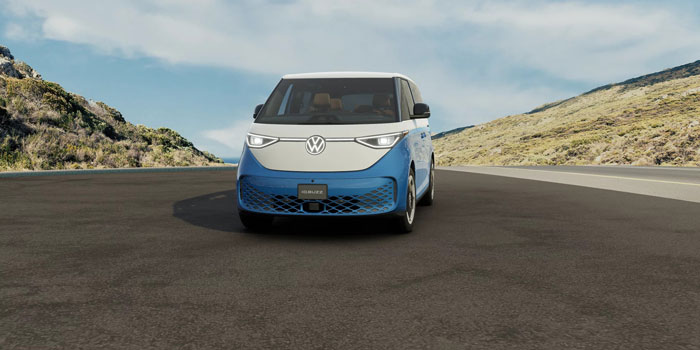
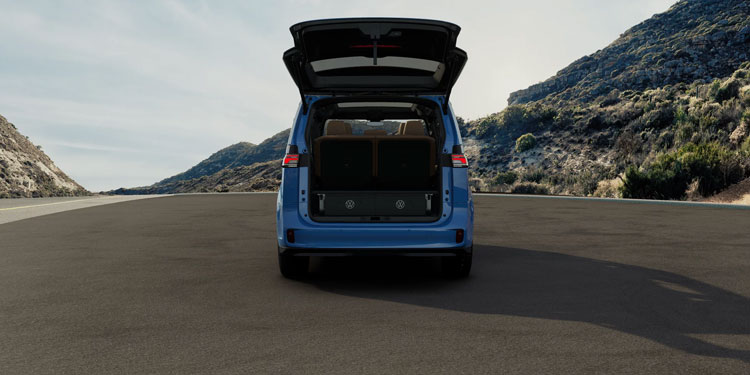
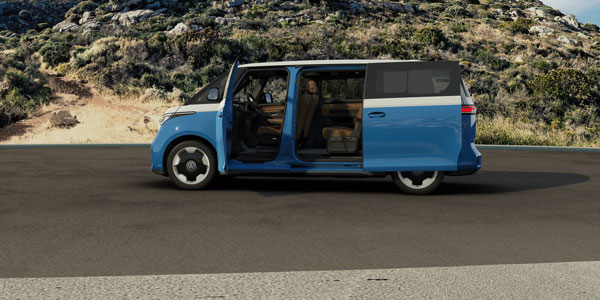
Volkswagen builds this vehicle on its MEB modular electric platform. With a length of 4,962 mm and a wheelbase of 3,239 mm, it embodies classic van proportions.
Meanwhile, the Tesla Model X continues the brand’s iconic streamlined design and maintains a low drag coefficient of 0.24 Cd. For the 2025 model, Tesla introduces a new Lake Blue paint option and 20-inch turbine-style wheels equipped with aerodynamic covers to optimize performance.
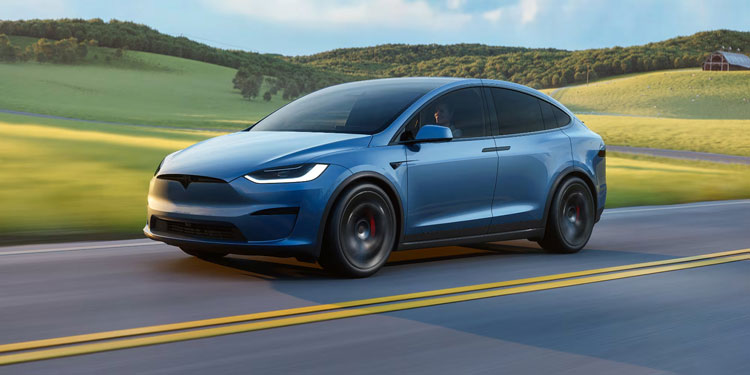
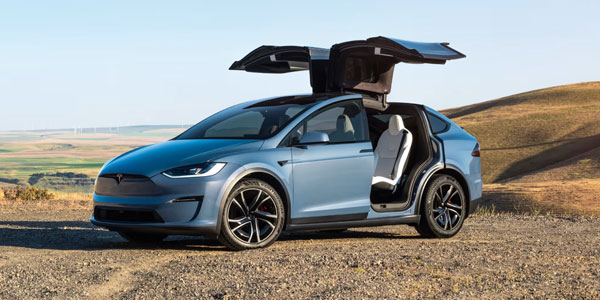
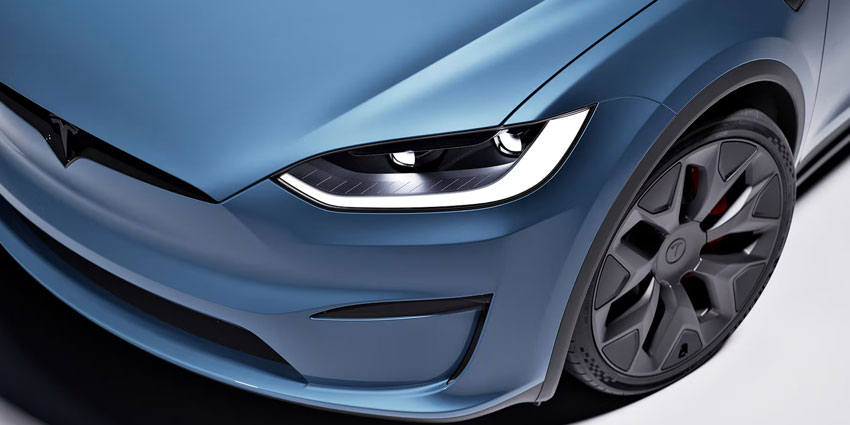
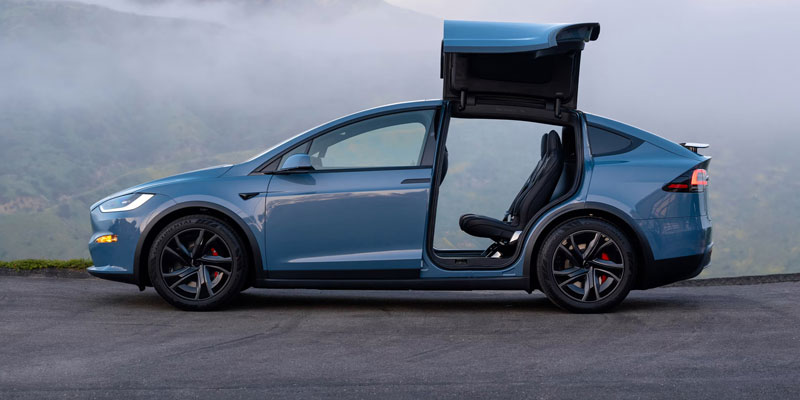
Undoubtedly, the most striking feature of the Model X remains its rear Falcon Wing doors, which facilitate easy passenger access even in tight spaces.
02 Global Pricing and Market Availability Comparison
From a global perspective, a notable price difference exists between these two electric vehicles. For instance, the 2025 Volkswagen ID. Buzz for sale in the U.S. market starts at $59,995, whereas in Europe, its starting price is €55,000 (approximately $58,500).
Looking at Taiwan, the six-seat, single-tone version of the ID. Buzz is priced at NT$2.398 million (approx. $73,000), and the two-tone version at NT$2.486 million (approx. $76,000).
Conversely, the Tesla Model X occupies a higher price point. In the Chinese market, the dual-motor version starts at an expected RMB 724,900 (approx. $100,000), and the Plaid version at RMB 824,900 (approx. $115,000).
In Europe, the Model X starts at €114,990 (approx. $122,000). It is worth noting that Tesla increased prices for the Model X in European and American markets in early 2025; for example, the Model X Plaid in Germany saw a €25,000 price hike.
03 Interior Space and Seating Layout
For family users, cabin space and seating flexibility are important considerations. Notably, the Volkswagen ID. Buzz offers exceptional spatial versatility. Its cabin height of 1,330 mm creates ample vertical space.
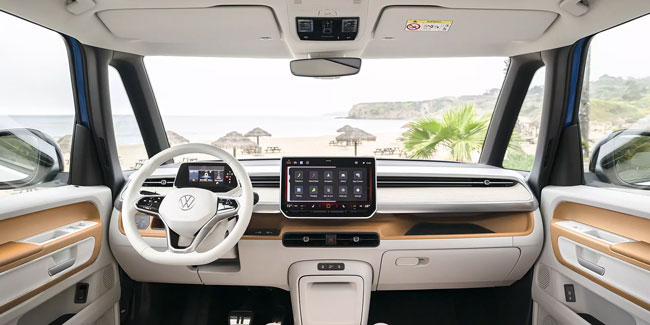
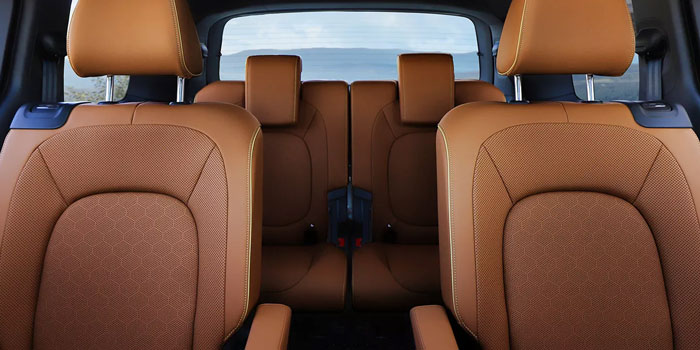
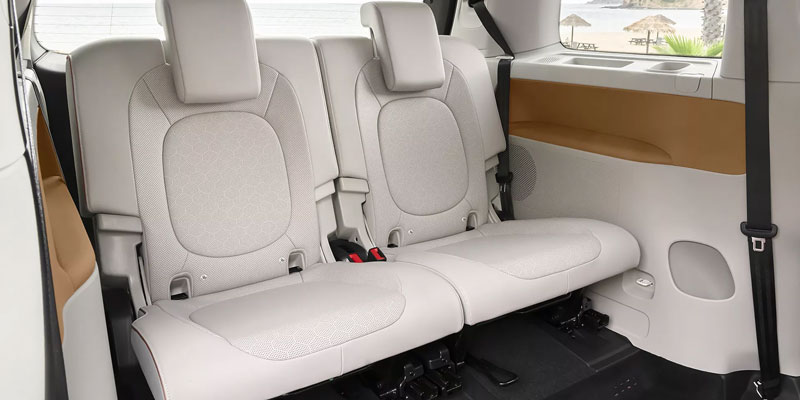
In 2025, the ID. Buzz introduced a new six-seat version featuring a “2-2-2” independent seat layout. Each seat is individually adjustable, and the second-row seats come with side armrests that users can angle for comfort.
Furthermore, the second and third-row seats in the ID. Buzz can slide fore and aft and recline. The design also allows for independent removal of the third-row seats. This flexibility maximizes cargo space up to 2,469 liters, which makes the vehicle ideal for family trips or transporting large items.
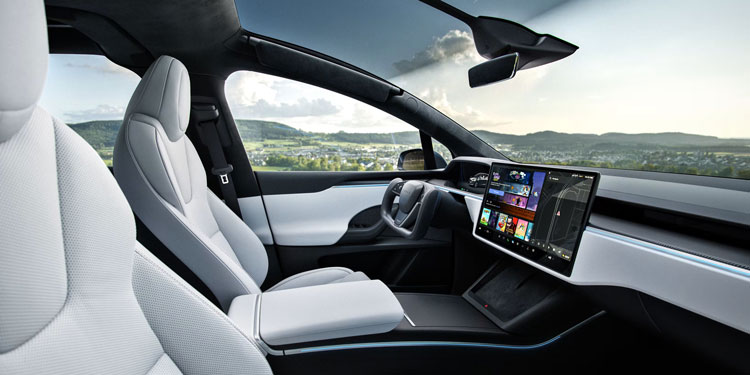
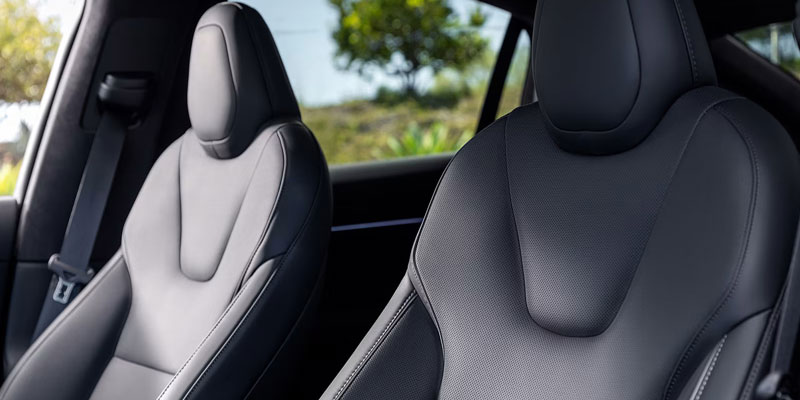
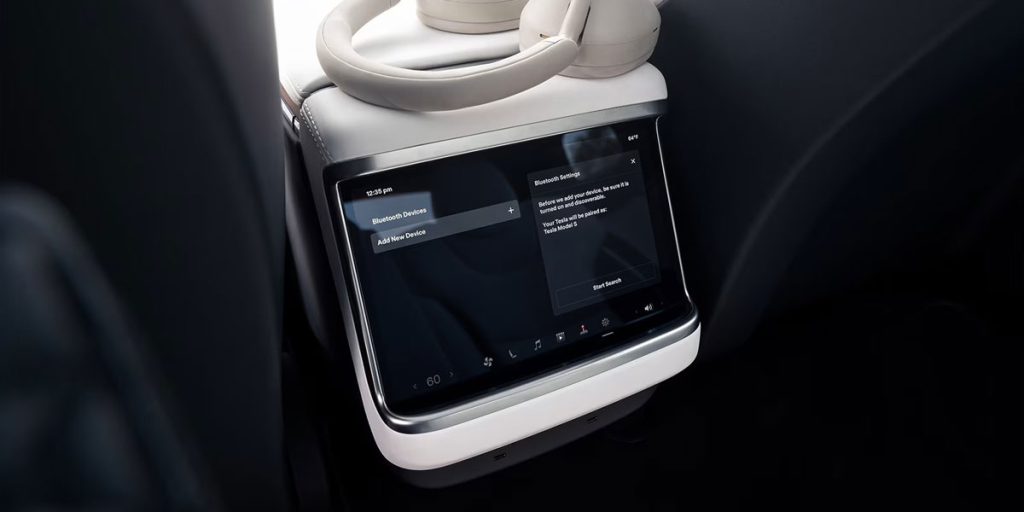
On the other hand, the Tesla Model X offers 5-seat, 6-seat, and 7-seat configurations. The 2025 model features redesigned third-row seating to enhance passenger comfort.
04 Performance and Range
The two vehicles showcase entirely different performance orientations in their powertrain systems. The Volkswagen ID. Buzz carries a 91 kWh battery pack, which delivers a maximum output of 286 horsepower and a peak torque of 57 kg/m.
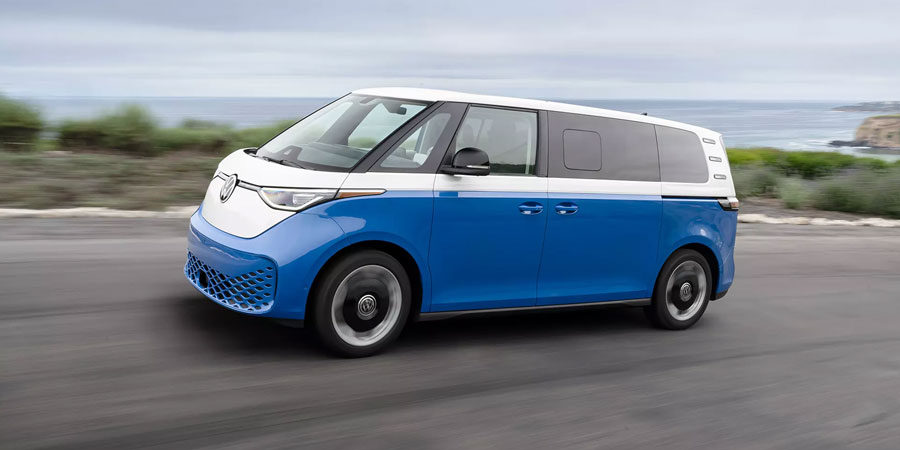
According to the WLTP standard, the ID. Buzz has a maximum range of 487 kilometers. Under the U.S. EPA standard, its rear-wheel-drive version offers a range of 234 miles (approx. 377 km), while the all-wheel-drive version provides 231 miles (approx. 372 km).
In contrast, the Tesla Model X offers more powerful performance options. The standard dual-motor version has a combined power output of 442 kW and a CLTC pure electric range of 700 km. Moreover, the Plaid version, with three motors, delivers a combined power output of up to 590 kW, a CLTC range of 664 km, and accelerates from 0 to 100 km/h in just 2.6 seconds.
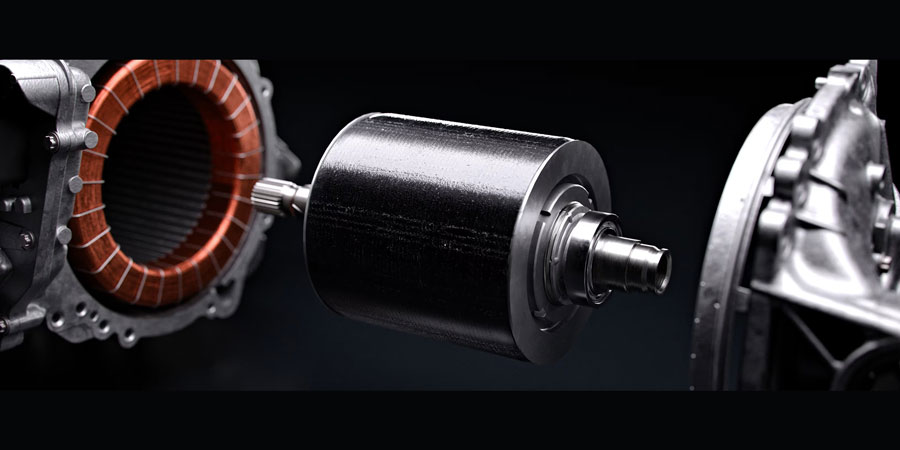
Under the European WLTP standard, the Model X achieves a range of up to 600 km. Additionally, the 2025 model further improves energy efficiency because it employs new aerodynamic wheel designs and low rolling resistance tires.
05 Charging Technology and Intelligent Features
Charging efficiency is a key indicator of an electric vehicle’s practicality. For example, the Volkswagen ID. Buzz supports DC fast charging at up to 200 kW, which allows the battery to charge from 20% to 80% in as little as 30 minutes. For home charging, it supports 11 kW AC charging.
Meanwhile, the Tesla Model X can utilize Tesla’s global Supercharger network. Notably, Tesla reintroduced the offer of lifetime free Supercharging for Model S and Model X vehicles in European and American markets.
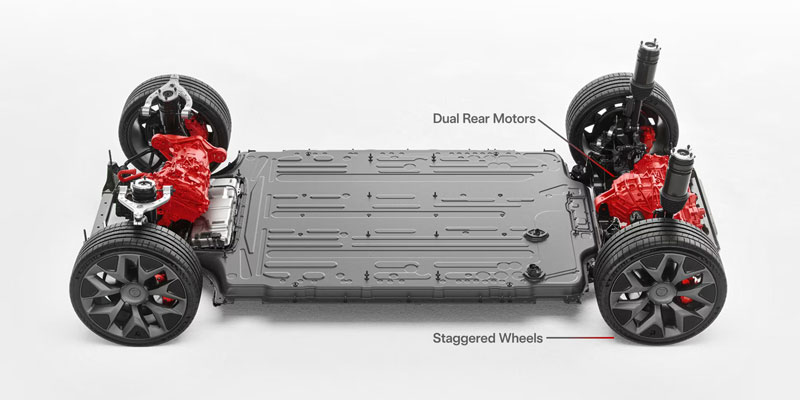
Regarding intelligent features, the ID. Buzz carries a Discover 12.9-inch multimedia touchscreen and an ID. Digital Cockpit fully digital instrument panel. It also features the IQ.Drive intelligent driving assistance system, which meets Level 2 semi-autonomous driving standards.
Similarly, the Tesla Model X comes standard with the HW4.0 hardware system across all trims; this system offers three times the computing power of HW3.0. Furthermore, the interior includes a 17-inch central control screen that users can adjust left/right and tilt, along with a new customizable 256-color ambient lighting system.
06 Family Practicality Comparative Analysis
For family users, practicality is often the deciding factor. The following table compares the family practicality of the two vehicles across multiple dimensions:
| Comparison Dimension | Volkswagen ID. Buzz | Tesla Model X |
| Seating Flexibility | 2-2-2 six-seat independent layout; third row removable | 5/6/7-seat options; 2025 model optimized third-row space |
| Cargo Space | Maximum 2,469 liters | Not specified; Falcon Wing doors facilitate loading |
| Child-Friendliness | Low floor design for easy child access | Falcon Wing doors prevent head bumps but require overhead clearance |
| Long-Distance Comfort | Cabin height of 1,330 mm provides a strong sense of space | Optimized sound insulation materials and active noise cancellation technology |
| Charging Convenience | Fast charge in 30 minutes (20%-80%) | Access to Tesla Supercharger network; free Supercharging in some markets |
Overall, the ID. Buzz’s advantage lies in its ultimate spatial flexibility, making it particularly suitable for families who frequently transport items or carry multiple passengers. The Model X, on the other hand, offers a more premium ride quality and stronger performance.
Consequently, those who prioritize space and flexibility will find the 2025 Volkswagen ID. Buzz an irreplaceable choice. Its removable third-row seats and massive 2,469-liter cargo capacity completely redefine the practical boundaries of a family vehicle.
Alternatively, devotees of technology and performance will find their match in the 2025 Tesla Model X. From its 2.6-second 0-100 km/h acceleration to its continuously evolving full self-driving hardware, every upgrade reinforces its status as a technological benchmark.
Looking for top-quality new or used cars? Trust DG Motors for fast, reliable service—or visit our Phnom Penh showroom today!