Today, the global electric vehicle market is undergoing a strategic divergence. Tesla is attempting to enter the mainstream market by launching the Model Y Standard Range, pushing its starting price down to $39,990. On the other hand, BYD electric car models, with their hybrid options starting as low as $15,000 and a comprehensive product matrix, continue to consolidate their dominant position in the mass market.
In emerging markets like Cambodia, BYD cars price points are often more attractive than Tesla’s, making them the preferred choice for many families seeking a car for sale in Cambodia.
01 Price and Product Line
In the global EV market, price remains a key factor in consumer decision-making. In 2025, the two giants show clear differences in product positioning and pricing strategy, directly reflecting their market ambitions.
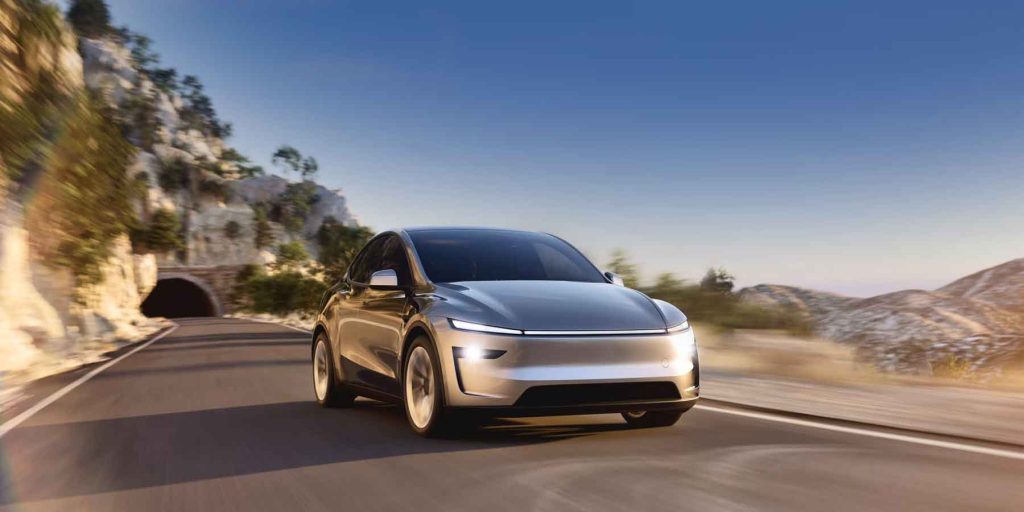
Tesla introduced its “Standard Range” models in 2025, aiming to lower the entry barrier. The Model Y Standard Range starts at $39,990 in the US market, while the Model 3 Standard Range starts at $36,990.
In contrast, BYD cars price advantage is more pronounced. Taking the Seal 06 DM-i Travel Edition launched in July 2025 as an example, its starting price is only 109,800 Chinese Yuan, equivalent to approximately $15,000 at current exchange rates.
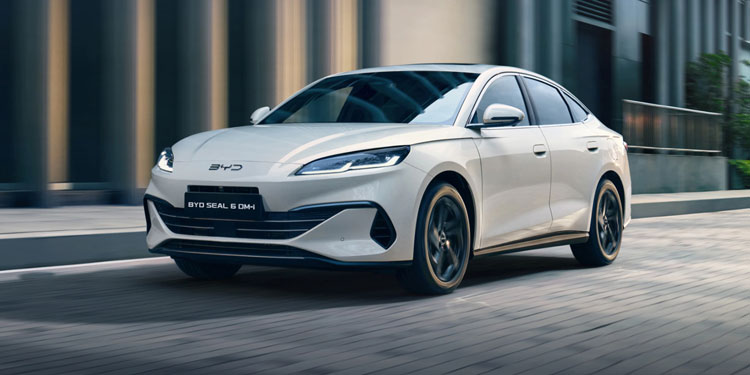
In terms of product line breadth, BYD offers full coverage from economy to luxury segments. It boasts the Dynasty series, Ocean series, and premium brands like Denza and Yangwang, covering a wide price range from about $15,000 to over $100,000.
Tesla, however, focuses more on a streamlined and premium product line, relying primarily on a few core models like the Model 3, Model Y, Model S, Model X, and Cybertruck. This differentiated positioning gives each brand distinct advantages in different market segments.
02 Core Technology Comparison
In the core technology field of electric vehicles, BYD and Tesla have chosen different development paths, which directly impacts their value-for-money proposition.
BYD has adopted a dual-track technological strategy of “pure electric + hybrid,” enabling it to meet the needs of different regions and users. Its fifth-generation DM technology is particularly outstanding, achieving a combined range of 2000 km on a full tank and full charge, with a fuel consumption of only 3.15 liters per 100 km under NEDC conditions when the battery is low.
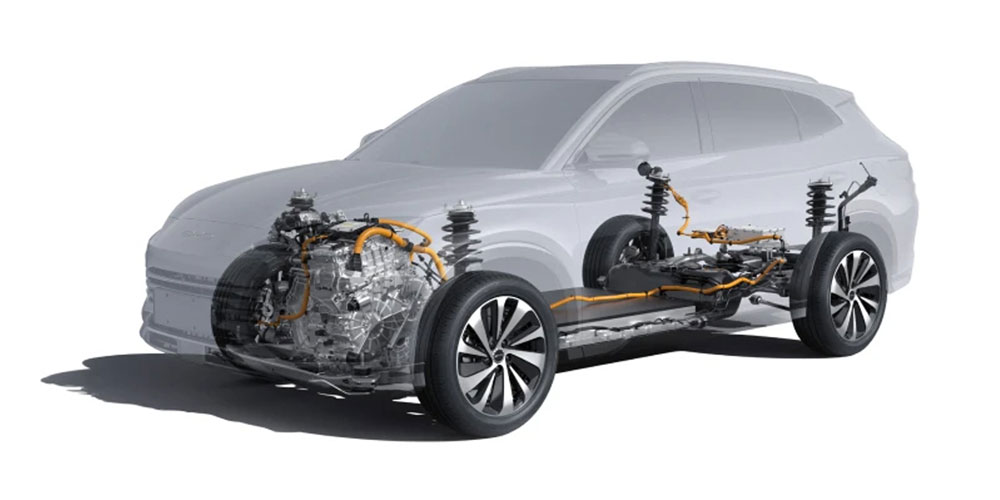
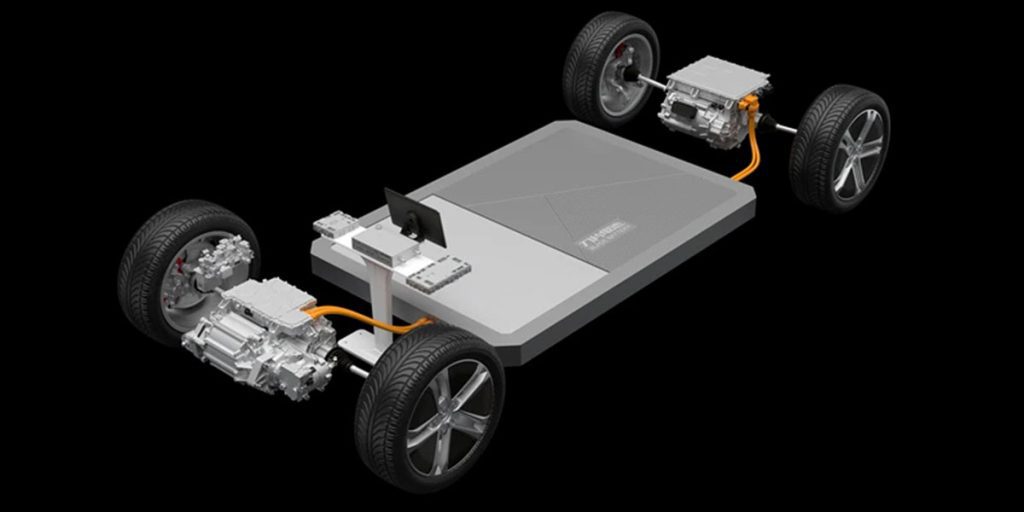
Regarding battery safety, BYD’s self-developed Blade Battery (LFP) offers higher thermal stability, with a thermal runaway temperature as high as 500°C. This feature is especially appealing to family users who prioritize safety.
Tesla focuses solely on pure electric technology and leads in Battery Management System (BMS), allowing for more precise control over battery charging and discharging processes, thereby improving range accuracy. Its 4680 battery technology is also continuously enhancing energy density and performance.
In terms of charging infrastructure, Tesla holds the network advantage with over 45,000 Superchargers globally. In comparison, although BYD has established an extensive charging network within China, its global charging facility layout is still in a catching-up phase.
03 Intelligent Systems and User Experience
Intelligent driving and in-car systems have become crucial areas for differentiation in the EV competition. Both brands have distinct characteristics in their investments and achievements in this field.
Tesla’s Autopilot system enjoys relatively high global recognition due to years of data accumulation and technological iteration. However, its Full Self-Driving (FSD) capability requires an additional payment, costing approximately 64,000 Chinese Yuan.
BYD has adopted a different strategy, making intelligent driving assistance systems standard across its model range. For instance, the Seal 06 DM-i Travel Edition comes standard with the “God’s Eye” C-Intelligent Driving Assistance System.
In terms of actual user experience, Tesla’s minimalist interior design has become a brand signature, with almost all functions centralized on the large center touchscreen. This design is beloved by tech enthusiasts but also requires some adaptation time for users.
BYD places greater emphasis on practicality and comfort. Its models typically feature more physical buttons and a layout more aligned with traditional driving habits. For example, the Seal 06 DM-i Travel Edition offers practical configurations like front seat ventilation/heating and a dual-temperature compartment refrigerator.
04 Global Market Performance and User Profile
In 2025, the global competitive landscape between BYD and Tesla has changed significantly. The two brands show different appeal across various markets and user groups.
From sales data, BYD made notable progress in 2025. Its pure electric vehicle sales reached 416,400 units in Q1 2025, surpassing Tesla’s 336,700 units. Particularly in the Hong Kong market, BYD topped the new energy vehicle sales chart with 2,473 units, outperforming Tesla.
Tesla maintains advantages in premium brand image and its global charging network. Within Hong Kong’s financial circles, Tesla is still perceived as a symbol of “high-end and technology.” This brand effect allows Tesla to retain strong appeal among specific user groups.
Looking at user profiles, BYD electric car models mainly attract family users and pragmatists who value cost-effectiveness. For example, Ms. Chan from Hong Kong chose the BYD Seal because “value for money is my top priority.”
Tesla’s users are more often tech enthusiasts and premium segment consumers. Mr. Lee, an industry analyst in Hong Kong, stated that choosing Tesla is “mainly because of its brand influence,” which conveys an image of “keeping up with trends, focusing on environmental protection and technology.”
05 Purchasing Advice
Faced with the two major EV brands, BYD and Tesla, consumers should make wise choices based on their own needs, budget, and usage scenarios.
For consumers with a limited budget who prioritize practicality and family travel, a BYD electric car is undoubtedly the more cost-effective choice. Whether it’s an entry-level hybrid model under $15,000 or the well-equipped Seal 06 DM-i Travel Edition, they offer great value.
If you live in a major city with well-developed charging infrastructure, pursue technological experience and driving pleasure, and have a relatively generous budget, then Tesla is a worthwhile consideration. Its Standard Range models, although with simplified configurations, retain the core driving experience and long-range capability.
For consumers in emerging markets like Cambodia, the availability of after-sales service and charging infrastructure requires special consideration. In these regions, BYD may have established more complete sales and service networks, making BYD cars price and practicality more advantageous for a car for sale in Cambodia.
It is worth noting that both brands are constantly adjusting their strategies. Tesla is moving “downward” by launching more affordable models to expand market share, while BYD is breaking “upward” through its premium brands to enhance its brand image and profit margins. This two-way movement may further blur the lines between the two brands.
In Tesla’s showroom in Wan Chai, Hong Kong, the tag highlighting the Model S’s 800V fast-charging capability is particularly eye-catching. Not far away, at the BYD flagship store, the SEALION 7 accounts for nearly 70% of its sales in Hong Kong.
When BYD’s vertical integration capability meets Tesla’s software ecosystem advantage, and as the former’s overseas sales proportion of 27.5% gradually approaches the latter’s globalization level, the definition of value for money has transcended mere price tags.
It is evolving into a comprehensive contest involving technological innovation, localization adaptation, and global service networks. Ultimately, the beneficiaries are every electric vehicle shuttling through the nightscape of Victoria Harbour and the increasingly discerning global consumers behind them.
Looking for top-quality new or used cars? Trust DG Motors for fast, reliable service—or visit our Phnom Penh showroom today!