

Smart preparation and meticulous inspection are key to avoiding risks when selecting a Cambodia used car in Phnom Penh. This guide provides a complete process from document verification to physical inspection, empowering you to make a confident decision.
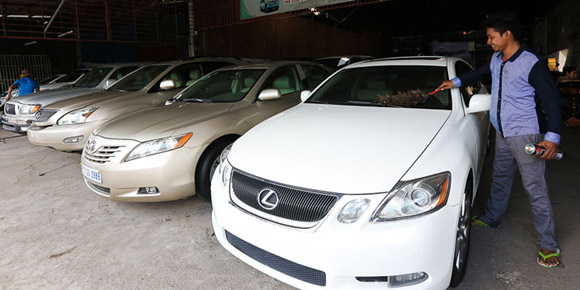
Part 1: Pre-Purchase Preparation and In-Depth Research
First, define your budget clearly and allocate roughly 10% extra for potential immediate repairs. Next, conduct thorough market research. You can familiarize yourself with price ranges by browsing local mainstream platforms and websites dedicated to cars for sale in Cambodia. Additionally, joining community forums for expatriates in Cambodia can offer valuable practical insights from their experiences.
Part 2: Rigorous Document and History Verification
Once you find a potential vehicle, document review is the first and most critical step.
- Request Core Documents: Always inspect the original vehicle registration card (“Grey Card”) and verify the owner’s information. Simultaneously, request all available maintenance and service records.
- VIN Code Verification: Locate the Vehicle Identification Number (VIN) on the lower left side of the windshield or on the door frame. Then, meticulously compare this VIN with the numbers on the registration card, insurance papers, and all other documents to ensure they match exactly. You can also use paid online VIN check tools (like CarFax or local services such as Bikroy) to obtain a potential history report for accidents or odometer tampering.
- Accident History Assessment: Because historical records for a Cambodia used car can be incomplete, the physical inspection becomes even more vital. A complete service history is a positive sign, but missing records are also common; therefore, you must rely on the subsequent professional inspection.
Part 3: Systematic Physical Inspection Checklist
Bring a flashlight and a knowledgeable friend, and conduct the inspection in daylight, following these steps.
A. Engine Bay Inspection
First, check the oil dipstick for its color and viscosity. The presence of milky emulsion or a burnt smell indicates problems.
Then, check the coolant, brake fluid, and other fluid levels to ensure they are adequate and the fluid appears clear.
After that, visually inspect the battery condition, look for cracks in the belts, and check for any obvious signs of oil leaks or corrosion.
B. Interior and Electronic Equipment Check
Once inside the car, check all seats and seatbelts for integrity. Test every electronic function, including windows, air conditioning, audio system, and central locking.
It is particularly important to observe the airbag indicator on the dashboard when starting the vehicle. Normally, it should illuminate for a few seconds and then turn off. If it stays lit or doesn’t light up at all, the system may be faulty.
Also, check the pedals and steering wheel for abnormal wear, which might contradict the displayed mileage.
C. Body, Chassis, and Tire Inspection
Walk around the vehicle and observe the paint from different angles for color mismatches or an orange-peel texture, which often indicates repainting. Next, check that the gaps around doors, the hood, and the trunk lid are even.
Make sure to crouch down and check for even tire wear and inspect the chassis for significant dents, deformation, or rust.
D. Safety and Visibility System Check
After starting the vehicle, ask an assistant to help you test all lights one by one: low beam, high beam, front and rear fog lights, turn signals, brake lights, and reverse lights.
Finally, ensure all mirrors are intact and their adjustment functions work, and check the windshield and window glass for major cracks or scratches that could impair vision.
Part 4: Comprehensive Road Test and Final Verification
The test drive should last at least 20-30 minutes and include both city streets and highways.
- Starting and Driving: During a cold start, pay attention to whether the engine shakes abnormally or makes loud noises. While driving, feel whether gear shifts are smooth and note any unusual vibrations in the steering wheel or body.
- Brake Test: On a safe road section, try braking with different pressures to check if the vehicle pulls to one side or produces sharp, unusual noises.
- Sensory Alertness: Throughout the drive, be alert for any burnt, gasoline, or musty smells inside the cabin. Simultaneously, listen for any unusual noises when driving over bumps, turning, or braking.
- Final Verification: After the road test, open the engine bay again to check for any new leaks or odors. For absolute peace of mind, we strongly recommend hiring an independent professional mechanic for a final lift inspection. This small investment will allow you to fully understand the true condition of this specific car for sale in Cambodia.
Part 5: Legal Procedures and Secure Transfer of Ownership
After being satisfied with the vehicle’s condition and agreeing on a price, ensure you sign a written contract detailing the vehicle information, price, transaction date, and an “as-is” clause. Prioritize bank transfers for payment to keep a record. Ultimately, you must go with the seller to the relevant transport department to complete the ownership transfer. Only after you receive the new registration certificate in your name should you make the full payment.
Conclusion: Purchasing a used car in Cambodia in Phnom Penh requires patience and attention to detail. Strictly following this inspection checklist can significantly reduce your purchasing risks. Remember, if a deal feels wrong, be prepared to walk away and continue your search. We wish you success in finding a reliable vehicle!
Looking for top-quality new or used cars? Trust DG Motors for fast, reliable service—or visit our Phnom Penh showroom today!


