

Contents
hide
- Three Major Barometers of the 2026 Global Car Market
-
Six Money-Saving Tips for Buying a Car in 2026
- Tip 1: Embrace the “Nearly New” Used Market
- Tip 2: Focus on New Car Inventory and Incentives
- Tip 3: Use Your Trade-In as a Negotiating Chip
- Tip 4: Calculate Total Cost of Ownership, Not Just the Sticker Price
- Tip 5: Think Globally, Understand Regional Price Differences
- Tip 6: Beware of the Long-Term Loan Trap
After several years of price fluctuations and supply shortages, the global automotive market in 2026 has finally shifted in favor of consumers. Mastering the right purchasing strategies can help you save thousands of dollars, whether you’re in New York, USA; Berlin, Germany; or searching for a car for sale in Cambodia. This article will reveal the latest market trends and provide actionable money-saving tips to help you make informed decisions.
Three Major Barometers of the 2026 Global Car Market
Before diving into the tips, we need to understand the current market environment. These global trends directly impact your purchasing power.
First, the global electric vehicle market is entering an adjustment phase.
S&P Global data shows that sales of battery electric vehicles (BEVs) will still grow by 19% in 2026, but the growth rate has slowed compared to previous years. This creates an interesting phenomenon: a large number of high-quality used electric vehicles are flooding the market. In the United States, electric vehicles leased in 2023 are now returning to the market in significant numbers, driving down the prices of used EVs. That is undoubtedly good news for budget-conscious buyers.
Second, Chinese automotive brands are accelerating their globalization.
Chinese car manufacturers are expanding worldwide at an unprecedented pace. They have not only carved out a place in European and Southeast Asian markets but have also shown particularly strong performance in Cambodia. Nowadays, it’s easy to see cars from brands like BYD, Changan, or Hongqi on the streets of Phnom Penh. These models typically challenge traditional brands with feature-rich configurations and highly competitive prices. This directly impacts the pricing structure for cars for sale in Cambodia and provides consumers with more diverse options.
Third, supply chains are improving, leading to increased inventory.
Finally, the chip shortage that plagued the industry for years has eased, and production of new cars has recovered. This means dealers are no longer “out of stock,” and consumers have more room to negotiate.
Six Money-Saving Tips for Buying a Car in 2026
With the macro trends in mind, let’s look at specific actionable steps. These tips will help you take the initiative during negotiations.
Tip 1: Embrace the “Nearly New” Used Market
In 2026, the used car market might be your best battleground for saving money.
- Off-Lease Vehicles: As mentioned, a large number of low-mileage, well-maintained leased electric vehicles are returning to the market. These cars are typically in good condition but priced much lower than new ones.
- Certified Pre-Owned (CPO): If you’re worried about battery or mechanical issues, consider spending a little more on a Certified Pre-Owned vehicle. Dealers have rigorously inspected these cars and offer an extended warranty, giving you peace of mind.
Tip 2: Focus on New Car Inventory and Incentives
With increasing inventory, automakers and dealers are starting to offer incentives again.
- Compare Financing Rates: Although interest rates are still not low, they are beginning to stabilize. Don’t just accept the dealer’s first offer. First, get pre-approved through a bank or credit union. Then, use that rate to negotiate with the dealer for potentially lower manufacturer promotional rates.
- Look for Year-End or Model-Year Clearance Events: This is a timeless money-saving rule. When dealers need to make room for new models, they often offer significant discounts on outgoing models.
Tip 3: Use Your Trade-In as a Negotiating Chip
If you have a car to sell, congratulations – your vehicle might be worth more than you think. Data shows that in 2025, the average trade-in value for a 7-year-old car was as high as $14,400. This is a significant increase compared to $8,400 in 2019.
- Action Guide: Before going to the dealer, research your car’s value using online valuation tools or by checking with local used car buyers. Go to the negotiation armed with this estimate to ensure you get a fair price.
Tip 4: Calculate Total Cost of Ownership, Not Just the Sticker Price
This is the most commonly overlooked point. Whether a car is truly “money-saving” depends not only on the purchase price but also on the cost of ownership. Take the Cambodian market, for instance. Here, Chinese brands are concentrated. While new car prices might be attractive, some buyers report lower resale values for used cars. Parts availability can also be less stable compared to established brands like Toyota or Honda.
Therefore, before making a decision, consider:
- Fuel Efficiency: A car consuming 5 liters per 100 km will definitely save more money than one consuming 8 liters.
- Maintenance Costs: Brands with high reliability (like Toyota, Honda) typically require less frequent and cheaper repairs.
- Insurance Costs: Check the insurance premium rates for your target model before buying.
- Resale Value: A car that can still sell for a good price after 3 years has a much lower actual cost than one that depreciates quickly.
Tip 5: Think Globally, Understand Regional Price Differences
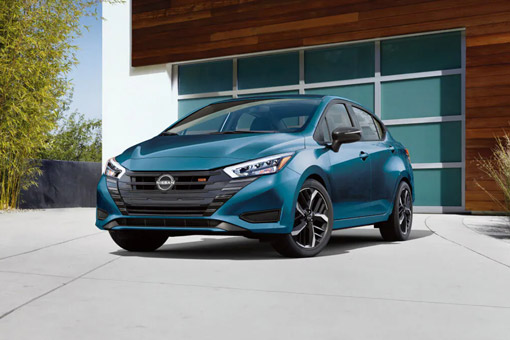
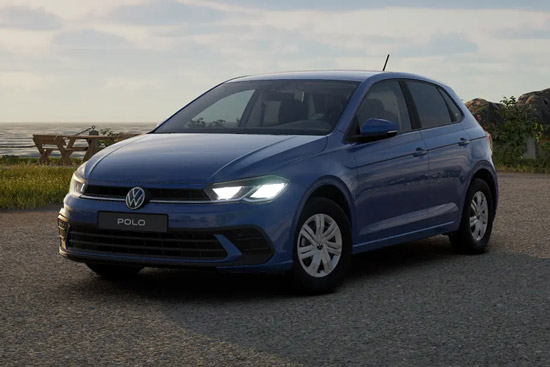
Car prices are highly regional. In the US, the most affordable new car in 2026 might be the Nissan Versa, starting around $19,500. In Germany, the Volkswagen Polo is favored for its efficiency and practicality.
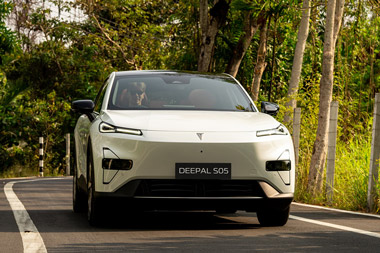
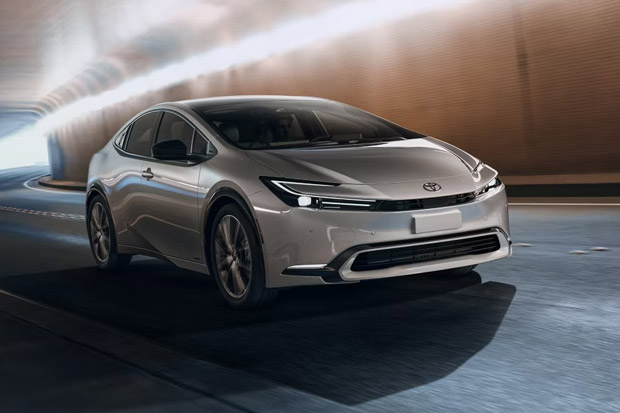
In the Southeast Asian market, the situation differs. If you are browsing cars for sale in Cambodia, you’ll notice an interesting contrast. On one hand, there are Japanese used cars with relatively firm prices. For instance, a 2006 Toyota Prius might still be listed around $10,200. On the other hand, there are vibrant new Chinese cars. A brand new 2026 Changan Deepal S05 Max with advanced tech features, for example, is priced at $26,000. Understanding the local market and clarifying what your budget can buy is a crucial first step to saving money. Will you choose a brand new Chinese SUV or a used Japanese car?
Tip 6: Beware of the Long-Term Loan Trap
Faced with high prices, dealers might recommend 72-month or even 84-month loans to lower the monthly payment. While the monthly payment is lower, the total interest you pay increases substantially. It can also keep you “underwater” (owing more than the car is worth) for a long time. Try to choose a shorter loan term, or pay off the loan early if you can.
2026 is a year for savvy buyers. You will surely find the perfect money-saving vehicle for yourself as long as you do your homework, focus on total cost of ownership, and leverage current market trends. Whether you are in a mature market like the US or Europe, or in a vibrant Southeast Asian market looking for cars for sale in Cambodia, happy car hunting!
Looking for top-quality new or used cars? Trust DG Motors for fast, reliable service—or visit our Phnom Penh showroom today!


