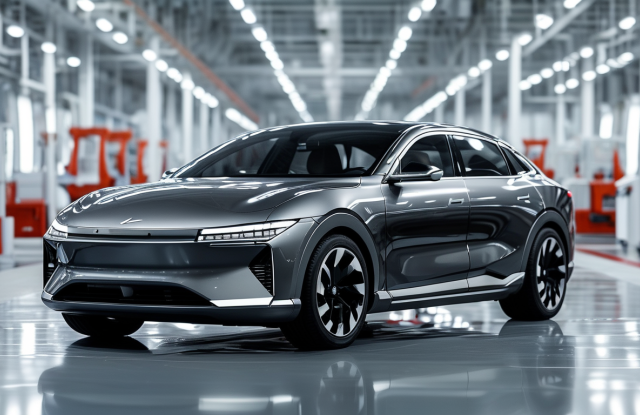
Both models have garnered significant attention not only in the domestic Chinese market but are also set to become the core of Nissan’s “reverse export” strategy starting in 2026. They will be exported globally from Chinese factories, reaching markets across Southeast Asia, the Middle East, and Latin America.
01 Core Specifications at a Glance
For global consumers facing the choice between the Nissan N7 and the Nissan N6, the key differences are clear. The table below systematically outlines the essential information for both models.
| Comparison Dimension | Nissan N7 (Mid-to-Large Full-electric Sedan) | Nissan N6 (Mid-size Plug-in Hybrid Sedan) |
| Model Positioning | “Ultra-Comfort Mid-to-High Grade Full-electric Sedan” | “Large Battery Ultra-Comfort Mid-to-High Grade Plug-in Hybrid Sedan” |
| Launch Date | April 2025 | December 2025 |
| China Market Guide Price | 119,900 – 149,900 RMB | 99,900 – 129,900 RMB |
| Powertrain Type | Full Electric (EV) | Plug-in Hybrid (PHEV) |
| Core Powertrain Config | 160kW/200kW Single Motor | 1.5L Engine + 155kW Motor |
| CLTC Pure Electric Range | 510km or 625km | 180km (All variants) |
| Fuel Consumption at Low Charge | Not Applicable | As low as 2.79L/100km |
| Body Dimensions (LxWxH) | 4930/1895/1487 mm | 4831/1885/1491 mm |
| Wheelbase | 2915 mm | 2815 mm |
| Smart Cabin Chip | Qualcomm Snapdragon 8295P (Top variant) | Qualcomm Snapdragon 8775 |
| Intelligent Driving Assist | Co-developed with Momenta, supports Urban/Highway NOA | L2+ Assist, supports Highway Pilot |
| Unique Comfort Features | AI Zero-Pressure Cloud Cushion Seats, Smart Cool/Warm Box, Dual-Rising Speakers | Front & Rear Row Zero-Pressure Cloud Cushion Sofa |
| Global Export Plan | Export from China to SE Asia, Middle East etc., from 2026 | Planned for parts of SE Asia, Middle East & Latin America |
02 In-Depth Analysis of the N7: The Pure Electric Comfort Flagship
The Nissan N7 is the first strategic new energy model built by Nissan on its Tianyan architecture. Upon launch, it set a clear goal: to create the “most home-like” full-electric sedan under $200,000.
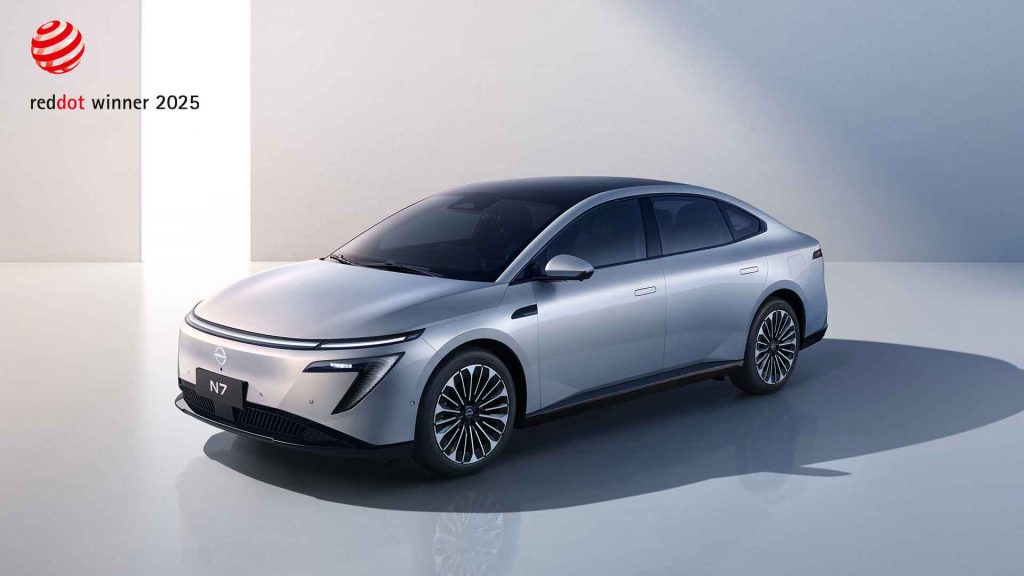

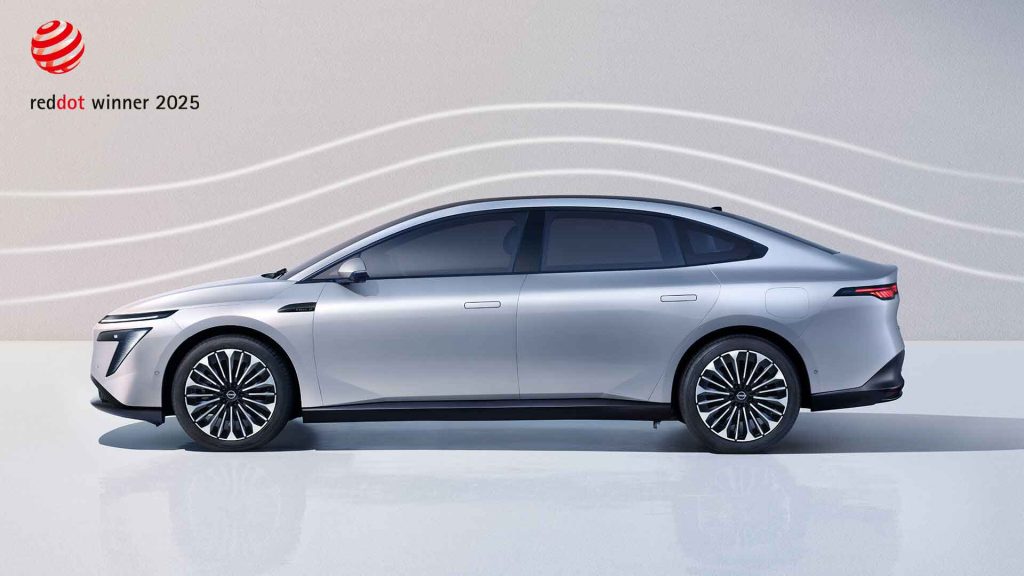
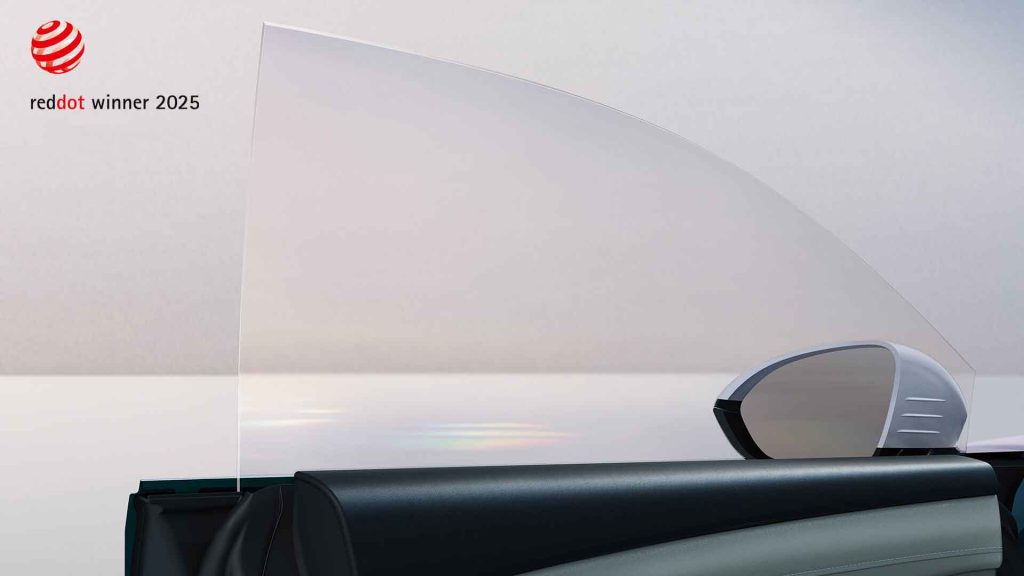
With a length nearing 5 meters and a wheelbase exceeding 2.9 meters, this car offers the spaciousness of a mid-to-large sedan, with a space efficiency rate of 83%. More importantly, it brings features traditionally found only in luxury models into a more accessible price range.
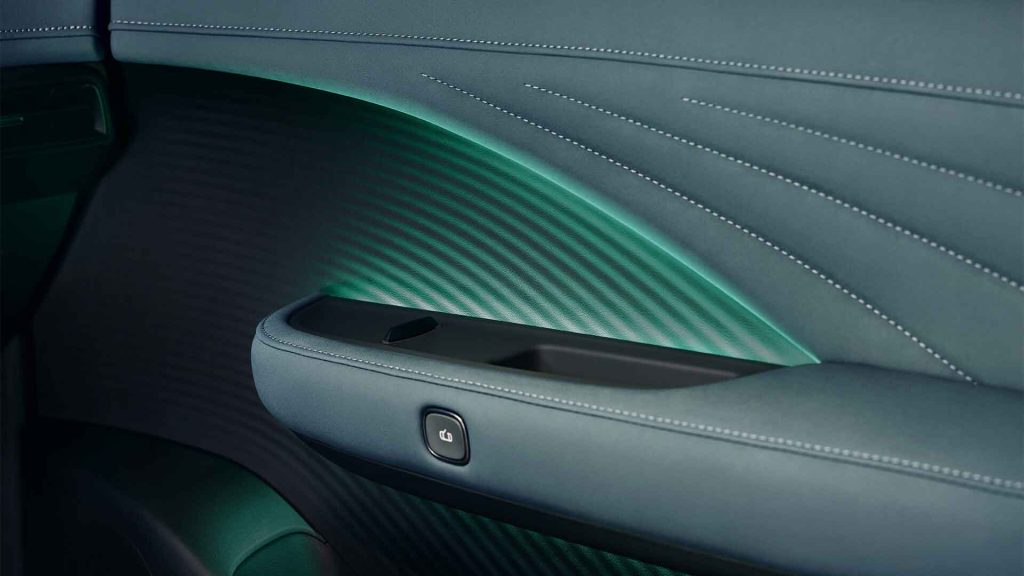
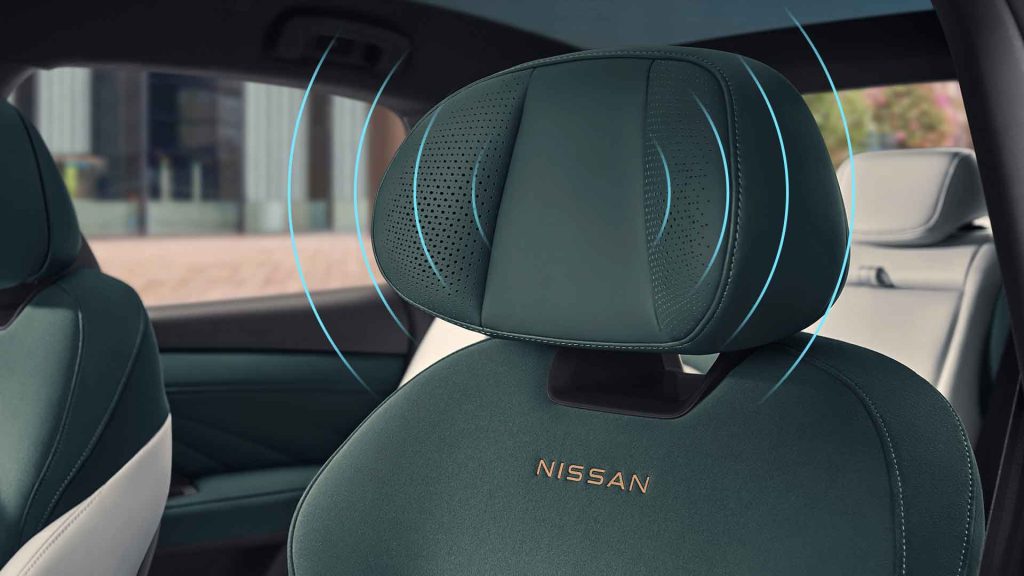
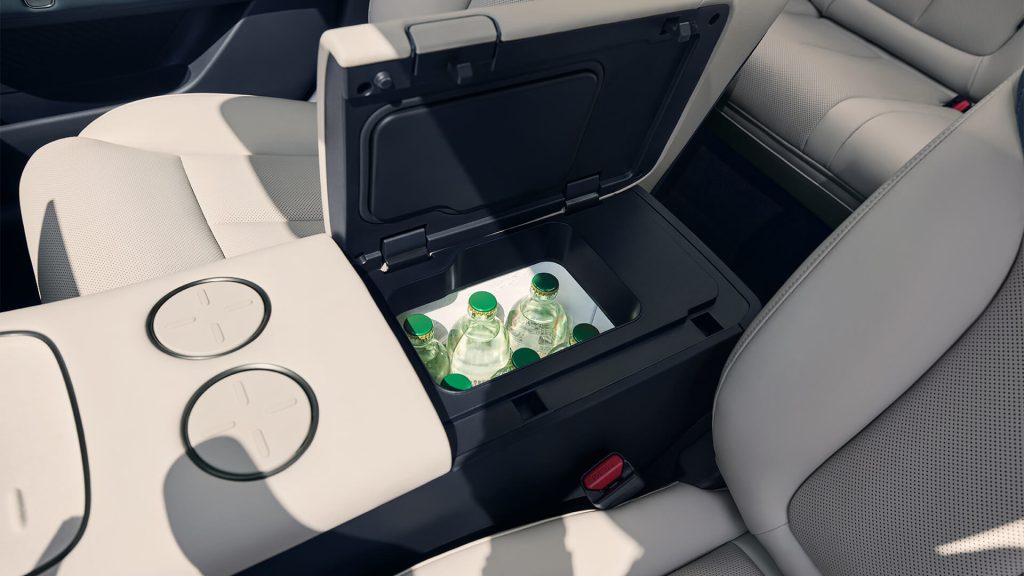
The N7’s “Cross-Level Comfort Quartet” is its core selling point. This includes a smart cool/warm box supporting refrigeration and heating, a 2.5K ultra-clear central touchscreen, a master-level audio system rivaling professional recording studios, and the multi-award-certified AI Zero-Pressure Cloud Cushion Seats.
In terms of intelligence, the N7 is equipped with the industry’s most powerful chip, the Qualcomm Snapdragon 8295P. It also features a one-stage, end-to-end combined driving assistance system developed through deep collaboration with Momenta.
03 Understanding the N6: The PHEV Value King
As the first plug-in hybrid model on the Tianyan architecture, the launch of the Nissan N6 has further enriched Nissan’s new energy portfolio. It enters the market at a highly competitive price, with an official starting guide price of 99,900 RMB and a limited-time launch offer as low as 91,900 RMB.
The N6’s “Four 2s” new PHEV standard is impressive: 2-point-something liters of fuel consumption per 100km at low charge, a battery over 20 kWh, mid-section recharge efficiency under 20 minutes, and an ultra-low annual travel cost under 2,000 RMB.
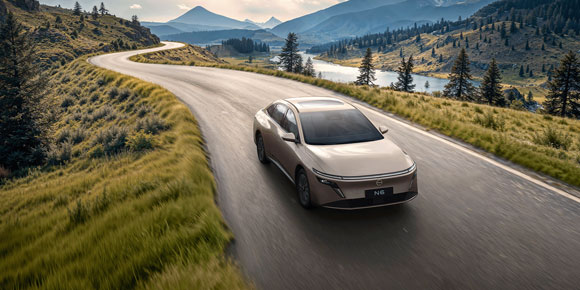
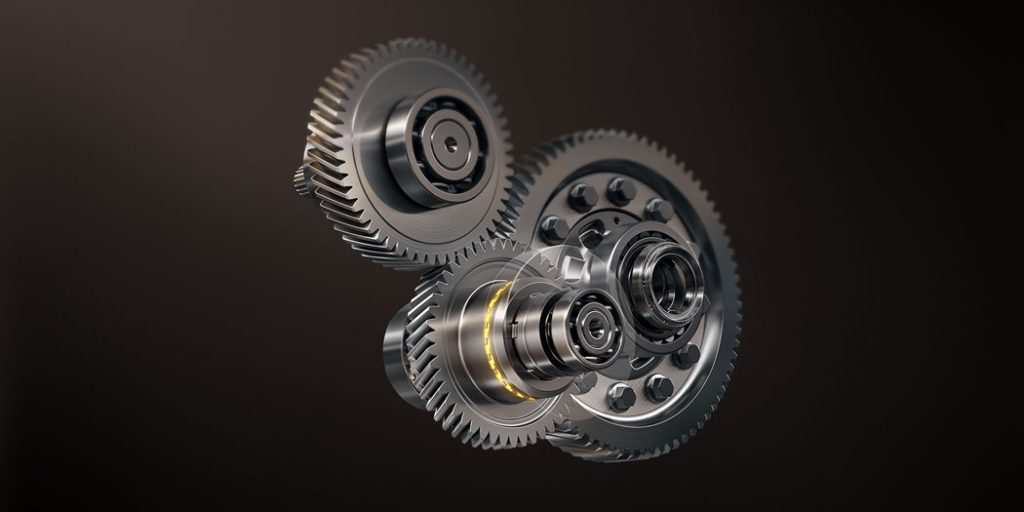
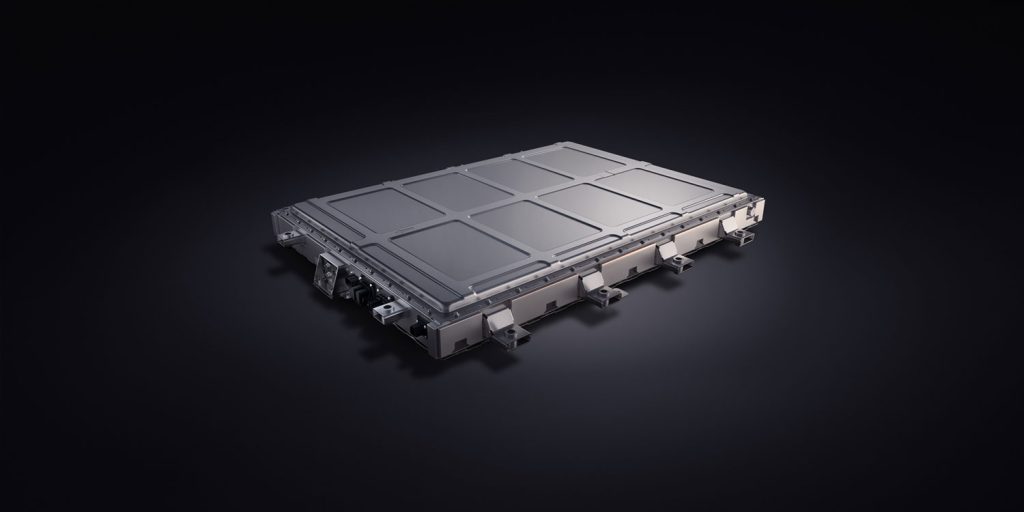
This model comes standard with a large 21.1kWh battery, providing a CLTC pure electric range of 180km. During a 28-day, 30-province, over 14,000-km fuel efficiency challenge across China, the N6 set a Guinness World Record with a consumption of 2.90 liters per 100km, fully validating its energy-saving prowess.
Although positioned and priced below the N7, the N6 does not compromise on comfort. Its front row is equipped with the same “million-level sofa” as the N7—the AI Zero-Pressure Cloud Cushion Seat—while the rear features a newly developed Zero-Pressure Cloud Cushion Sofa.
04 Global Market Perspective and Price Comparison
For consumers outside China, especially in target markets like Southeast Asia and the Middle East, understanding the global positioning and potential pricing of these two cars is crucial.
Nissan has established a clear global export plan. According to this strategy, the company will begin exporting electric vehicles from its Chinese factories to overseas markets in 2026, with the N7 leading this initiative. In the future, the N6 is also expected to be launched in parts of Southeast Asia, the Middle East, and Latin America. This expansion means that a Nissan N7 or Nissan N6 could soon be a car for sale in Cambodia and similar developing markets, offering new choices to local consumers.
For a more intuitive global price comparison, we convert the Chinese RMB guide prices to US dollars (estimated at 1 USD ≈ 7.2 RMB):
- Nissan N7: Price range approximately $16,600 – $20,800.
- Nissan N6: Price range approximately $12,800 – $16,900 (limited-time launch offer approximately $11,900 – $16,900).
This pricing is highly competitive compared to rivals in the same class. For instance, in the Chinese market, the N7’s starting price is significantly lower than the Tesla Model 3 (starting at approx. $32,200) and the BYD Han EV (starting at approx. $26,400).
This “high-spec, low-price” strategy is central to Nissan’s goal of attracting substantial orders in overseas markets by leveraging the cost and technological advantages of manufacturing in China.
For developing automotive markets like Cambodia, the arrival of the Nissan N7 and Nissan N6 as potential cars for sale in Cambodia will provide local consumers with quality and cost-effective new options. Leveraging Nissan’s existing dealer network in Southeast Asia, these models are expected to be available in the short term.
05 Your Best Choice: N7 or N6?
When choosing between the N7 and N6, your core decision should be based on usage scenarios, infrastructure, and personal preference.
Prioritize the Nissan N7 if:
You live in a city with well-developed charging infrastructure, have a fixed daily commute, and pursue the ultimate quietness of pure electric driving along with more cutting-edge smart technology. The N7’s 625km range is sufficient for a week of commuting, and its 3C ultra-fast charging technology can replenish 400km of range in 17 minutes.
The Nissan N6 is the wiser choice if:
You frequently undertake long-distance travel or live in an area where the charging network is still developing. Its plug-in hybrid system completely eliminates range anxiety. The 180km pure electric range covers most daily scenarios, and the low fuel consumption of 2.79L/100km at low charge makes long-distance travel very cost-effective.
As orders for the Nissan N7 continue to grow in the global market, a broader picture is emerging: by June 2025, orders for the N7 in the Chinese market had exceeded 20,000 units.
This figure not only signals the initial success of Nissan’s new energy strategy but may also foretell a profound shift in the global automotive industry landscape—a new era for new energy vehicles, co-written by Chinese manufacturing, Japanese technology, and the global market, has already begun.
Looking for top-quality new or used cars? Trust DG Motors for fast, reliable service—or visit our Phnom Penh showroom today!