

Purchasing a private car is a common choice for many individuals who live or do business long-term in Cambodia. However, many people still find the vehicle registration process unfamiliar. The good news is that Cambodia’s vehicle registration system has become increasingly standardized. If you master the correct procedures, you can complete all legal formalities within 30 days.
This guide will walk you through the complete process. You will learn everything from selecting and paying for a car to completing its registration and legally hitting the road. We will also show you how to avoid common pitfalls and extra costs.
01 Pre-Purchase Preparation
Adequate preparation before buying a car in Cambodia can prevent numerous future troubles. First, clarify your needs and budget. You should also understand the characteristics of the local automotive market.
The Cambodian car market predominantly features used vehicles. Prices for new cars remain relatively high. Major cities like Phnom Penh and Siem Reap host concentrated car sales markets. For instance, you can find multiple dealerships near the Russian Market in Phnom Penh. We advise you to compare options through multiple channels. Do not rush your decision.
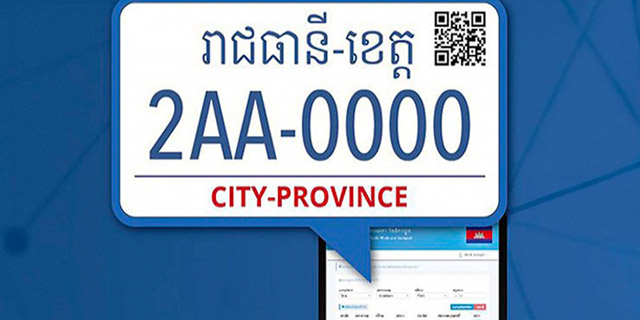
If you have a limited budget or plan to reside in Cambodia temporarily, consider a well-maintained used car. Many used cars in Cambodia originate from Japan, Korea, and the US. They offer relatively reliable quality. However, you must inspect the vehicle’s condition carefully. Ideally, bring a professional mechanic with you during the viewing.
Whether you choose a new or used vehicle, ensure the seller can provide complete original documents. These should include import papers, the original manufacturer’s certificate, and past maintenance records. This step is key to a smooth subsequent registration process. As you begin your search for a car for sale in Cambodia, verifying document completeness is your first critical task.
02 Vehicle Purchase and Document Handover
Once you select your desired vehicle, exercise extra caution during the formal transaction. When you purchase a car in Cambodia, a written contract forms the essential foundation for legal protection.
The sales contract should detail the vehicle information, identities of both buyer and seller, the transaction price, and the payment method. Pay special attention to the Vehicle Identification Number (VIN). You must ensure the VIN in the contract matches the actual car exactly. People often overlook this point in Cambodia car sales transactions.
We recommend using a bank transfer for payment to maintain clear records. Cash transactions may be convenient, but they lack valid proof. This makes it difficult to protect your rights in a dispute. Some official dealerships accept installment payments, but interest rates are typically high. Therefore, calculate the costs carefully.
After you complete the transaction, obtain all relevant original documents from the seller. These include: the vehicle registration certificate, sales invoice, import duty receipt, and vehicle technical inspection report. Missing any document could hinder the registration process. Always request these when finalizing a deal for a car for sale in Cambodia.
03 Core Vehicle Registration Process
After purchasing the car, your primary task is to complete the vehicle registration on time. Cambodian law requires that you complete the transfer of vehicle ownership within 30 days of purchase. Late completion may result in fines.
Your first registration step is paying the registration tax. Authorities calculate the amount based on the vehicle’s market value. You must pay it at the General Department of Taxation. Keep the tax payment receipt safe, as it is the cornerstone for all subsequent procedures.
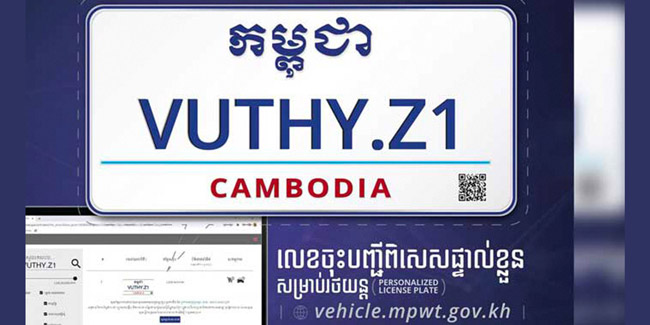
Prepare the following documents to submit for registration at the Ministry of Public Works and Transport. You will need a valid passport and visa, proof of residence (from local police or your landlord), the car purchase contract, proof of registration tax payment, and the vehicle’s original documents. Proof of residence is often an overlooked yet crucial document.
After the ministry accepts your application, officials will conduct a basic vehicle inspection. They primarily verify the engine and chassis numbers. Once your vehicle passes the inspection, you can choose a license plate number. Cambodia offers both standard plates and personalized plates. The latter requires an additional fee but offers more distinctiveness.
04 Annual Road Tax and Insurance
After registration, you must account for two recurring annual expenses: road tax and vehicle insurance. Both are prerequisites for legally driving your car on public roads.
Authorities calculate the road tax based on your vehicle type and engine displacement. An ordinary private car typically costs approximately $150 per year. The payment period concentrates between June and November each year. You can make payments through banks or mobile applications. Late payment incurs penalties, so setting a reminder is advisable.
Cambodian law mandates third-party liability insurance. This is the most basic vehicle coverage. Additionally, consider comprehensive or theft insurance based on your car’s value and personal needs. Insurance not only protects your own interests but also serves as a necessary document for registration renewal.
For insurance companies, your options range from local firms like Forte to international companies like AXA. We advise you to compare premiums and claim services from different providers. Pay particular attention to the claims process and efficiency, as this significantly impacts your experience later on.
05 Practical Tips and Frequently Asked Questions
After completing your vehicle registration in Cambodia, pay attention to some practical details. These seemingly trivial matters actually affect the convenience of your daily car usage.
Cambodia’s traffic rules differ slightly from those in China. For example, drivers keep to the right-hand side and may turn right on red lights unless a sign prohibits it. We advise new car owners to spend time familiarizing themselves with local traffic regulations. This is especially important for navigating the complex conditions in cities like Phnom Penh.
Driver’s licenses often concern foreign car owners. You can use a Chinese driver’s license short-term in Cambodia, but we recommend obtaining a local license. The process is relatively straightforward and costs around $280. Long-term residents must hold a Cambodian driver’s license to drive legally.
Regarding vehicle maintenance, major cities like Phnom Penh and Sihanoukville host numerous professional repair shops. However, service points in remote areas are limited. Choosing a model with high market availability facilitates easier access to parts and repair services.
When you resell your vehicle, complete registration and tax records can significantly increase its value. Developing the habit of retaining all related documents brings practical benefits when you decide to sell your car for sale in Cambodia.
Looking for top-quality new or used cars? Trust DG Motors for fast, reliable service—or visit our Phnom Penh showroom today!


