Tires are the only part of a vehicle that makes contact with the road. They directly affect your safety, handling, and fuel efficiency. Yet many people overlook the warning signs from their tires. This article will take a global perspective to guide you through the clear indicators that tires need replacement. Whether you are in North America, Europe, or Southeast Asia, these rules apply. Additionally, if you are looking for a car for sale in Cambodia, checking the condition of the tires is an essential step before purchasing.
1. Tread Wear Indicators Are Exposed
Modern tires come with built-in tread wear indicators. These are small raised bars located within the tread grooves. When you inspect the tread and notice these bars are flush with the tread surface, it means the tread depth has fallen below 1.6 millimeters. At this point, the tires lose grip on wet roads. You must replace them immediately.
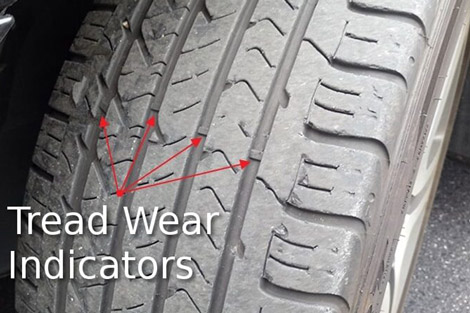
A simple proactive check involves inserting a coin into a tread groove. If you can see the top of the coin’s design, the tread is too shallow. In Germany, professionals recommend maintaining a tread depth of at least 4 millimeters on winter tires. This helps cope with snow and ice.
2. Cracks or Bulges Appear on the Sidewall
The sidewall is a vulnerable area of the tire. Regularly inspect the sidewall for fine cracks or unusual bulges. UV exposure, ozone, or aging typically cause cracks. A bulge indicates that the internal ply has broken. This poses a risk of a sudden blowout at any time.
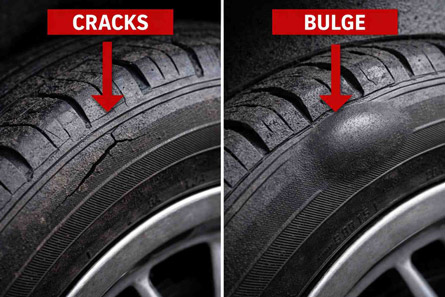
If you are driving in Thailand or Australia, high temperatures can accelerate rubber degradation. Therefore, even if the tread pattern still appears deep, replace tires immediately if they show cracks or bulges. This is particularly important for buyers considering a car for sale in Cambodia. Damage to the sidewall is often irreparable. It also suggests the vehicle may have been poorly maintained.
3. Tires Frequently Lose Pressure
Tires naturally lose about 0.07 bar of pressure per month. This is normal. However, if you need to refill the air weekly, it indicates a slow leak. Causes for a leak could be corroded wheel rims, aging valve stems, or a puncture from a foreign object in the tread.
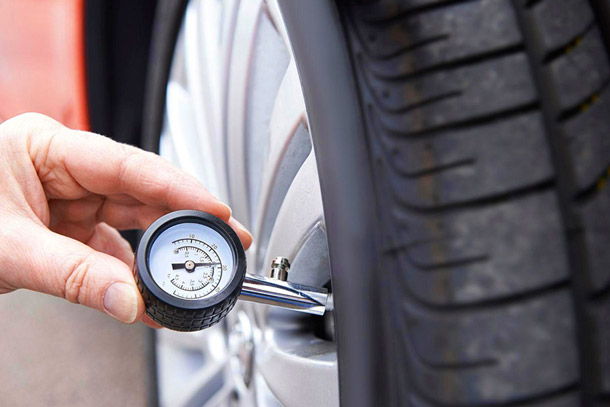
Procedure: Remove the tire and submerge it in water to observe where bubbles emerge. Once you find the leak point, determine if it is repairable based on the damage’s location. A puncture in the center of the tread is usually repairable, provided it is smaller than 6 millimeters in diameter. If the damage is on the sidewall or shoulder, you must replace the tire. In the United States, a professional tire repair costs about $20 to $35. Replacing a mid-range all-season tire costs approximately $120 to $180 (using the U.S. market as an example).
4. Abnormal Vibrations Occur While Driving
Do not ignore unusual vibrations felt in the steering wheel or seat. Vibrations may result from tires being out of balance. They could also indicate internal structural deformation. First, have a professional technician perform a dynamic balance test. If the vibration persists, it means the tire has lost its uniformity.
In countries with challenging road conditions like Brazil or South Africa, tires are more prone to deformation from impacts with potholes. Such deformation cannot be repaired; you must replace the tire. Furthermore, vibrations can accelerate wear on suspension components. This leads to higher future maintenance costs.
5. Tire Manufacturing Date Exceeds Six Years
Rubber degrades over time and with exposure to the elements. Even if a tire has never been used, you should replace it if it is more than six years old from the date of manufacture. You can find the DOT code on the tire sidewall; the last four digits indicate the week and year of production. For example, “3519” means the tire was manufactured in the 35th week of 2019.
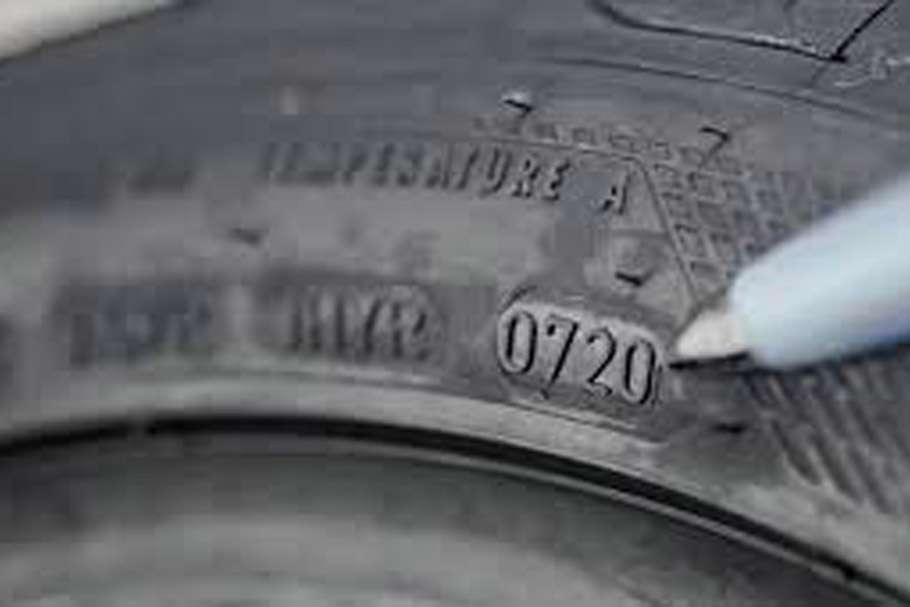
Climate differences across regions affect the aging rate. In desert areas of the Middle East, high temperatures shorten tire lifespan to three or four years. In temperate climates like Canada, tires can last five to six years with proper care. Proactively check the manufacturing date and avoid using “over-age” tires. For used car transactions—such as the car for sale in Cambodia you are considering—verify the production dates on all four tires. This is a crucial clue for determining whether the vehicle has been parked for an extended period or if someone has tampered with the odometer.
6. Uneven Tread Wear Appears
Uneven wear manifests as one side of the tire wearing faster than the other. It can also show as a saw-tooth or feathered pattern on the tread. This typically points to misaligned wheel alignment, loose suspension components, or persistently incorrect tire pressure.
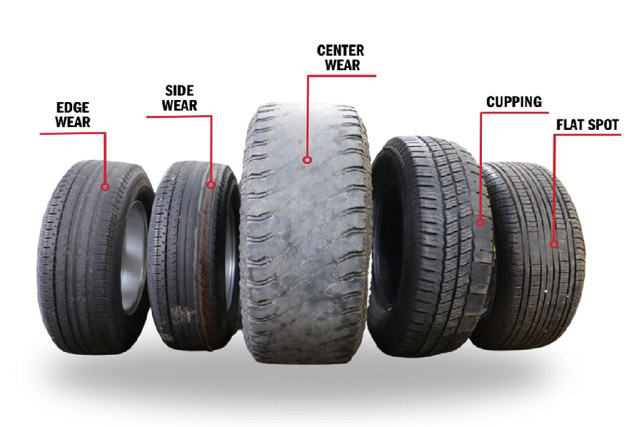
Solution: First, perform a four-wheel alignment check. In Sydney, Australia, a four-wheel alignment service costs about 50 to 80 Australian dollars (approximately $35 to $55 USD). If the tires are already heavily worn after alignment, they still need replacement. Tires with uneven wear offer reduced grip, especially in rainy or snowy conditions.
Regular Inspections Are Low-Cost Safety Assurance
Proactively maintaining tires is far wiser than waiting for an accident to happen. Check tire pressure and tread appearance once a month. Rotate your tires every 8,000 to 10,000 kilometers. This ensures even wear across all four tires. Rotation costs are generally low—about $20 to $40 in the United States—yet can extend the overall lifespan of a set of tires.
When purchasing a used car, the condition of the tires directly reflects the previous owner’s maintenance habits. A car with evenly worn tires, similar manufacturing dates, and no cracks or bulges is often well-cared for in other aspects as well. Conversely, if you see a car for sale in Cambodia fitted with four mismatched tires that show severe wear and old dates, you should approach the overall condition of that vehicle with extra caution.
Do not rely solely on mileage when deciding to replace tires. Observe these six key signs—tread wear indicators, sidewall cracks and bulges, abnormal vibrations, aging date, and uneven wear. By doing so, you can accurately determine when replacement is necessary. Remember that road conditions, climate, and labor costs vary across countries and regions. These factors affect the actual lifespan of tires and the budget for replacement. Proactively use the methods above to inspect your tires. Choose tires suitable for your local driving environment. This is the best way to ensure every journey is safe and reliable.
Looking for top-quality new or used cars? Trust DG Motors for fast, reliable service—or visit our Phnom Penh showroom today!