Engine knocking is one of the most concerning sounds a driver can hear. That repetitive “pinging” or “knocking” noise coming from your engine is not just annoying—it can signal serious internal issues. If ignored, it may lead to costly repairs or even engine failure. Whether you already own a vehicle or are browsing a car for sale in Cambodia, understanding engine knocking is essential for maintaining long-term performance and reliability.
What Is Engine Knocking?
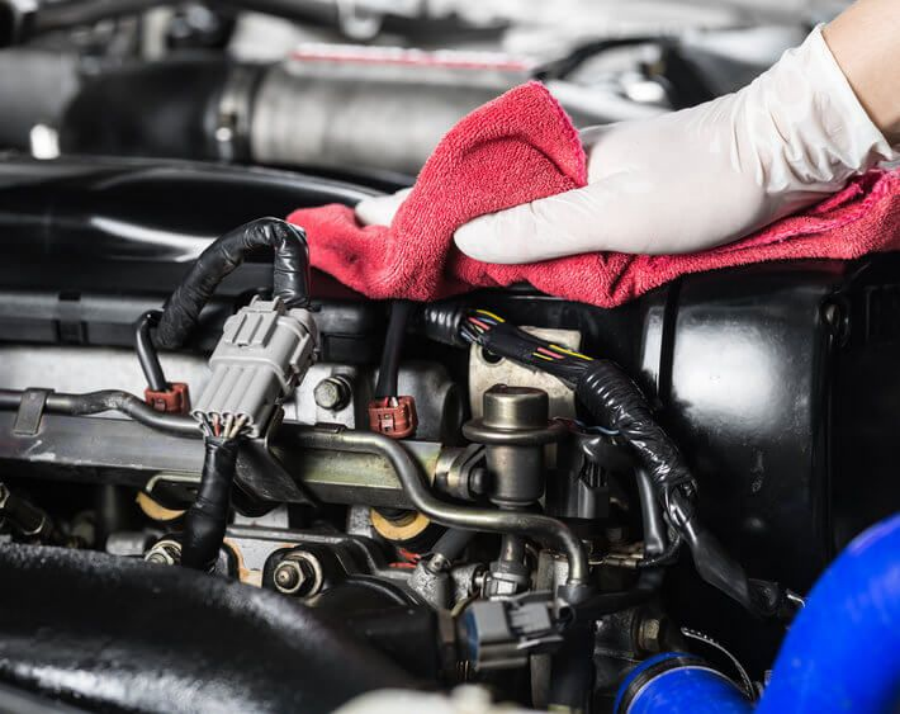
Engine knocking, also known as detonation, occurs when the air-fuel mixture inside the engine’s cylinders ignites unevenly. Normally, combustion happens in a controlled manner, with the spark plug igniting the mixture at precisely the right time. However, when knocking occurs, multiple combustion events happen at once, creating shock waves that produce the knocking sound.
Over time, this irregular combustion can damage pistons, cylinder walls, and other internal components.
Common Causes of Engine Knocking
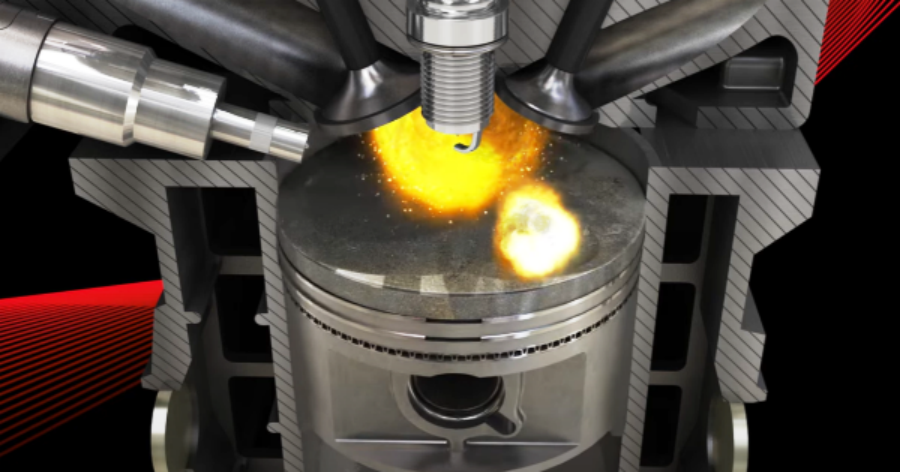
There are several reasons why your engine may start knocking. Identifying the root cause is key to fixing the problem effectively.
1. Low-Quality or Incorrect Fuel
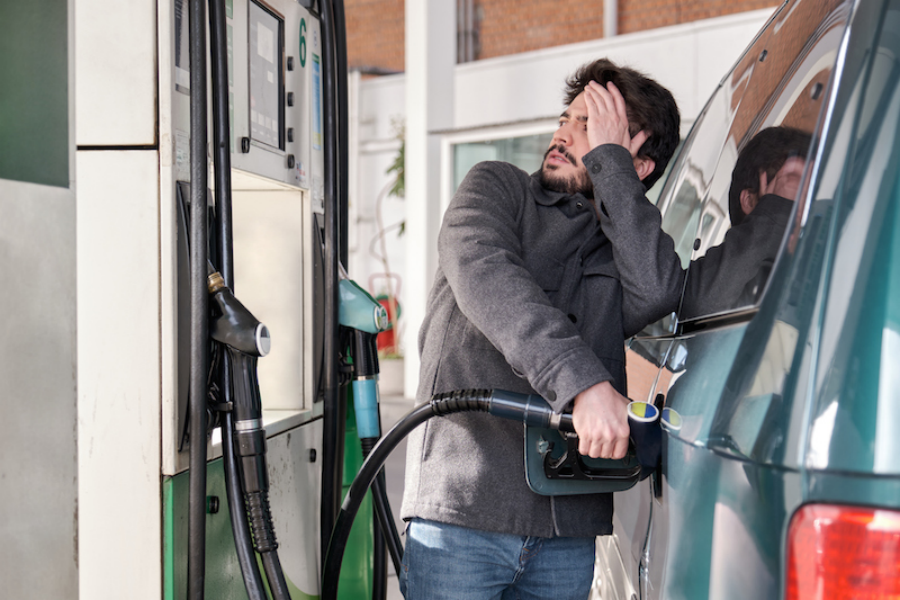
One of the most common causes of engine knocking is using fuel with an octane rating that is too low for your vehicle. Lower-octane fuel ignites more easily, which can lead to premature combustion.
If you’ve recently purchased a car for sale in Cambodia, it’s important to check the manufacturer’s recommended fuel type. Using the wrong fuel can quickly lead to knocking issues.
2. Carbon Buildup in the Engine
Over time, carbon deposits can accumulate on the walls of the combustion chamber. These deposits reduce the available space and increase pressure inside the cylinder, which can cause the air-fuel mixture to ignite prematurely.
Carbon buildup is especially common in vehicles that:
- Frequently drive short distances
- Use low-quality fuel
- Skip regular maintenance
3. Incorrect Ignition Timing
Ignition timing determines when the spark plug fires. If the timing is off—either too early or too late—it can disrupt the combustion process and cause knocking.
Modern vehicles usually manage timing automatically through the engine control unit (ECU), but sensor failures or software issues can still lead to problems.
4. Overheating Engine
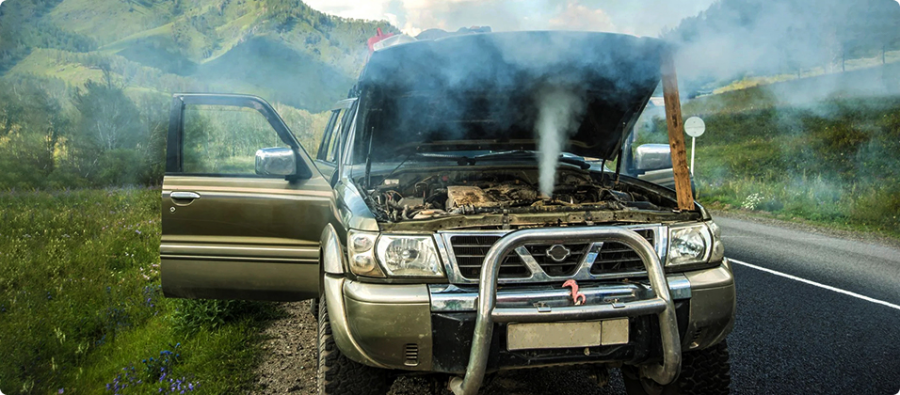
High engine temperatures can increase the likelihood of knocking. When the engine overheats, the air-fuel mixture becomes more unstable and prone to premature ignition.
Common causes of overheating include:
- Low coolant levels
- Faulty radiator
- Broken cooling fan
If you’re considering a car for sale in Cambodia, especially in a warm climate, ensuring the cooling system is in good condition is crucial.
5. Worn or Faulty Spark Plugs
Spark plugs play a vital role in the combustion process. If they are worn out, damaged, or of the wrong type, they may not ignite the mixture properly, leading to uneven combustion and knocking.
How to Fix Engine Knocking
The good news is that engine knocking can often be resolved if addressed early. Here are some effective solutions:
1. Use Higher-Octane Fuel
Switching to fuel with a higher octane rating can prevent premature combustion. This is often the simplest and quickest fix.
Always follow the manufacturer’s recommendations, especially when maintaining a car for sale in Cambodia that may have specific fuel requirements.
2. Clean Carbon Deposits
Using fuel additives or professional engine cleaning services can help remove carbon buildup. In more severe cases, a mechanic may need to manually clean the combustion chamber.
3. Check and Adjust Ignition Timing
If incorrect timing is the issue, a mechanic can recalibrate the engine’s timing system. This may involve adjusting sensors or updating ECU software.
4. Fix Cooling System Issues
Ensure your engine stays within the proper temperature range by:
- Refilling coolant
- Repairing leaks
- Replacing faulty components
A well-maintained cooling system reduces the risk of knocking significantly.
5. Replace Spark Plugs
Installing the correct type of spark plugs and replacing them at recommended intervals can restore proper combustion and eliminate knocking sounds.
Preventing Engine Knocking
Prevention is always better than repair. To keep your engine running smoothly:
- Follow regular maintenance schedules
- Use high-quality fuel
- Avoid overloading your engine
- Monitor engine temperature
- Address warning signs early
If you’re planning to buy a car for sale in Cambodia, having a pre-purchase inspection done by a professional can help you avoid vehicles with existing engine issues.
Conclusion
Engine knocking is a clear warning sign that something isn’t right under the hood. From low-quality fuel to overheating and carbon buildup, several factors can contribute to this problem. Fortunately, with proper diagnosis and timely action, most causes can be fixed before serious damage occurs.Whether you’re maintaining your current vehicle or exploring a car for sale in Cambodia, understanding engine knocking will help you make smarter decisions and keep your engine in top condition for years to come.
Looking for top-quality new or used cars? Trust DG Motors for fast, reliable service—or visit our Phnom Penh showroom today!