Contents
hide
In 2026, international trade is increasingly frequent. Importing vehicles into different countries means navigating a complex maze of regulations. Whether you are a car dealer or a private collector, understanding these rules helps you avoid hefty fines and customs delays. This article will outline the key regulations affecting global vehicle imports. It also puts a special focus on dynamics in the Southeast Asian market. If you are looking for a car for sale in Cambodia, understanding the background of these vehicles is equally crucial.
Why Do Countries Impose Restrictions on Imported Vehicles?
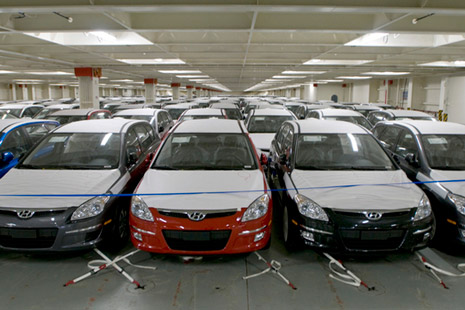
Countries implement vehicle import restrictions for three core purposes. They want to protect the domestic automotive industry. They aim to reduce exhaust emissions to meet climate goals. They also seek to ensure public safety. These restrictions typically manifest in four main categories: emission standards, safety regulations, age limits, and tariffs. Non-compliant imports can lead to vehicle seizure. They can also result in fines amounting to tens of thousands of dollars.
The North American Market: The US Stringent Admission System
The United States has extremely detailed requirements for imported vehicles. The US Code of Federal Regulations states that any imported vehicle must meet the safety standards of the US Department of Transportation. It must also meet the emission requirements of the Environmental Protection Agency.
Safety and Emission Compliance
Importers must declare the vehicle to the National Highway Traffic Safety Administration. If a vehicle is “substantially similar” to a model sold in the US, the US may allow it for import. It must also meet safety standards through simple modifications. Otherwise, the importer must provide destructive test data to prove compliance.
Timing and Penalties
During conditional admission, authorities prohibit driving or selling vehicles on public roads. If importers do not obtain final release within 120 days, the vehicle becomes illegally imported. Civil penalties for violators can reach up to $32,500 per vehicle.
Tariffs and Restrictions
Currently, the US imposes a 2.5% tariff on imported passenger cars. It also enforces the Tier 3 emission standard. Notably, the US generally prohibits right-hand drive vehicles from operating on its roads.
The European Market: EU Type Approval and Euro 7 Standards
The European Union operates a unified Whole Vehicle Type Approval system. Under Regulation (EU) 2018/858, importers bear significant compliance responsibilities when bringing in vehicles.
Importer Responsibilities
Before placing a vehicle on the market, importers must verify that it holds a valid EU type approval certificate. It must also be accompanied by a certificate of conformity. If a vehicle presents a serious risk, importers must inform the manufacturer and market surveillance authorities.
Emission Standard Upgrade
The EU has mandated the Euro 7 emission standard since 2025. This standard is stricter than the previous Euro 6 standard. Imported vehicles must pass the WLTP testing procedure to prove compliance. Currently, the EU import tariff is 10%. Member states also levy value-added tax ranging from 19% to 27%.
The Asian Market: A Diverse Regulatory Landscape
Asian countries have vastly different regulations. These range from Japan’s specific systems to rapid updates in Southeast Asian nations. Importers must pay close attention.
Japan: Special Concession System
Japan implements a Type Designation System for automotive products. For imported cars, Japan has established the “Special Concession System for Imported Motor Vehicles.” This system simplifies the certification process to some extent. It’s important to note that while Japan adopts UN regulations, it retains its own unique testing and requirements regarding emissions.
Vietnam: Intensive Regulatory Updates
Vietnam significantly updated its automotive regulations in 2025. The Vietnam Register issued dozens of new national technical regulations. These cover safety, emissions, and components. Importers need special attention because Vietnam has specific exemption clauses for imported used cars. These clauses exclude them from general energy labeling requirements. New vehicles must comply with Stage 5 gaseous pollutant emission standards.
Singapore: ERP 2.0 System Requirements
The Land Transport Authority in Singapore requires all registered vehicles to have an On-Board Unit. This unit interfaces with the new ERP 2.0 charging system. Importers must submit the OBU Compliance Form and relevant test reports during vehicle import. Additionally, from January 2026, Singapore has raised the minimum emission standard for new models to Euro 6B.
Cambodia: Market Potential and After-Sales Challenges
In Southeast Asia, Cambodia’s automotive market is growing rapidly. Chinese brands are rising quickly due to their pricing and design advantages. If you are monitoring the market for a car for sale in Cambodia, you will find many models imported from the US, Japan, and neighboring countries.
However, imported vehicles in Cambodia face unique challenges. Many consumers, when choosing a car for sale in Cambodia, pay close attention to the availability of spare parts. They also focus on the resale value of used cars. Compared to the well-established after-sales networks that Japanese brands have built over many years, the parts supply chains for some emerging brands are still underdeveloped. This leads to long repair waiting times. It consequently affects their residual value in the used car market. Therefore, when introducing vehicles to Cambodia, importers must not only focus on customs clearance tariffs (approximately 5% plus a 4% municipal fee). They must also consider long-term after-sales parts support.
Overview of Other Key Markets
- China: China only allows the import of new vehicles and imposes a used car ban. It imposes a 25% tariff and 13% VAT. It also enforces the China VI emission standard.
- UAE: Compliance with GCC standards is key. There is no age limit, but the UAE bans right-hand drive vehicles. The tariff is 5% .
- Australia: Importing vehicles less than 25 years old requires specialist or personal import approval. A 10% Goods and Services Tax and a 10% luxury car tax apply.
How to Ensure Compliant Imports?
- Check in Advance: Before shipping, verify the latest regulations through the official channels of your target country.
- Prepare Documents: You typically need the original title or ownership document, bill of sale, certificate of conformity, and certificate of origin.
- Choose Logistics: Select Ro-Ro (Roll-on/Roll-off) or container shipping based on the vehicle type. Collaborate with logistics experts familiar with local regulations.
Global vehicle import regulations are becoming increasingly stringent. This is particularly true in the areas of emissions and safety technology. For businesses looking to expand into the Southeast Asian market, a long-term view is crucial. Besides focusing on immediate opportunities like the strong demand for a car for sale in Cambodia, you must also establish robust compliance import processes. Building after-sales service systems is essential. Only by doing so can you meet consumer demand for cost-effective vehicles. You will also earn their long-term trust.
Looking for top-quality new or used cars? Trust DG Motors for fast, reliable service—or visit our Phnom Penh showroom today!