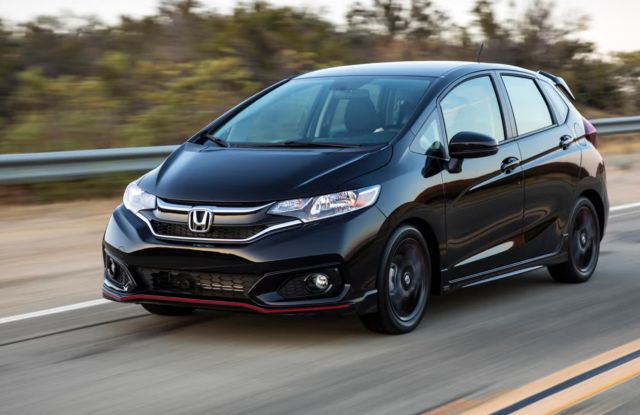
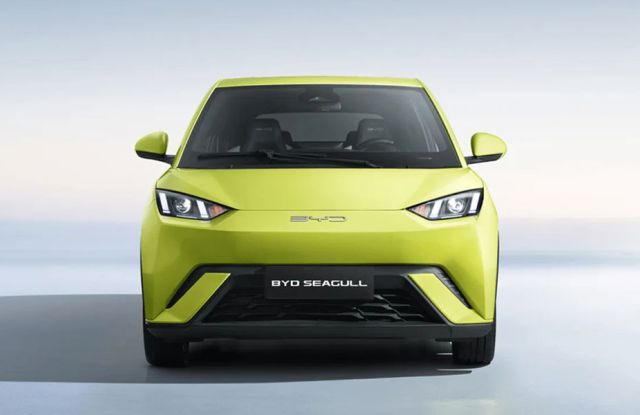
A test drive is one of the most important steps when buying a vehicle. No matter how attractive a listing looks online or how convincing a seller sounds, a test drive reveals the real condition of a car. Whether you are purchasing from a dealer or a private seller, knowing what to check during a test drive can help you avoid costly mistakes—especially when looking for a Car for Sale in Cambodia, where road conditions, climate, and maintenance history can vary widely.
Below is a comprehensive guide to help you make the most of your test drive and confidently evaluate any vehicle.
1. First Impressions Before Driving

Before you even start the engine, take a moment to inspect the car visually. Walk around the vehicle and look for dents, scratches, uneven panel gaps, or signs of repainting, which may indicate past accidents. Check that the tires are evenly worn—uneven wear can signal alignment or suspension problems.
Open and close all doors, the trunk, and the hood. They should operate smoothly without strange noises. Inside the car, observe the condition of the seats, dashboard, and steering wheel. Excessive wear may suggest higher usage than advertised.
2. Starting the Engine
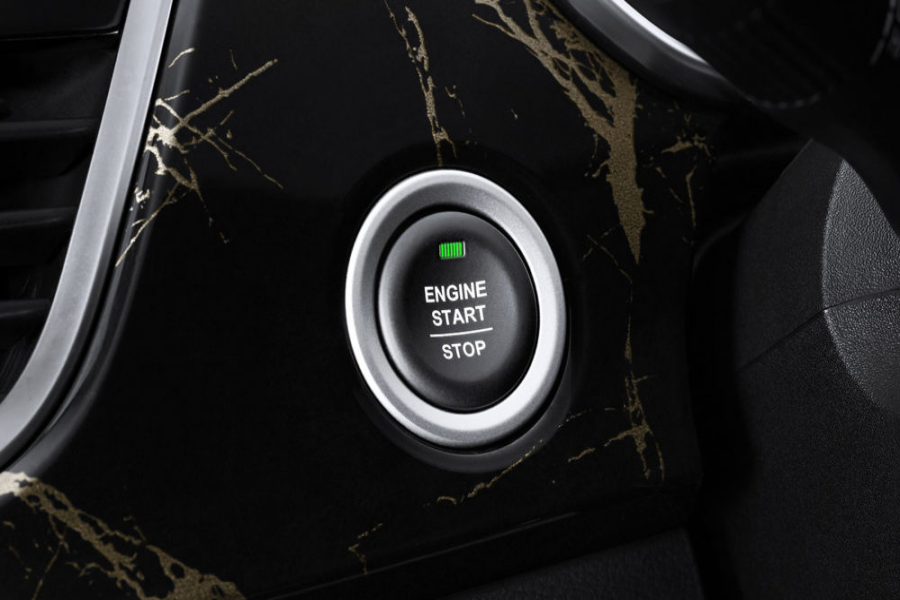
When you start the car, pay close attention. The engine should start easily without long cranking or strange sounds. Listen for knocking, rattling, or ticking noises. The idle should be smooth and steady, not rough or shaky.
Also, check the dashboard warning lights. All lights should briefly turn on and then go off after the engine starts. If any warning lights stay on—such as the engine, oil, or ABS light—that could indicate serious issues.
3. Acceleration and Engine Performance
During the test drive, gently accelerate and see how the car responds. The power delivery should feel smooth, without hesitation or jerking. Press harder on the accelerator when safe to do so; the engine should respond confidently without excessive noise or vibration.
If the car feels sluggish, struggles to accelerate, or makes unusual sounds, it may have engine or transmission problems. This is especially important when evaluating a used Car for Sale in Cambodia, as some vehicles may have been exposed to heat, humidity, or inconsistent maintenance.
4. Transmission Check

For automatic cars, gear changes should be smooth and timely. There should be no harsh shifting, slipping, or delayed response when changing gears. For manual transmissions, the clutch should engage smoothly without slipping, and gear changes should feel precise, not stiff or grinding.
Try shifting through all gears and observe how the transmission behaves at different speeds.
5. Steering and Handling

A good test drive includes different road conditions if possible. Drive on straight roads and see if the car pulls to one side, which could indicate alignment issues. The steering wheel should feel responsive and centered.
Turn the wheel fully in both directions at low speed. Listen for clicking or clunking noises, which may suggest suspension or steering problems. On rough roads, the car should feel stable, not excessively bouncy or noisy.
6. Braking Performance
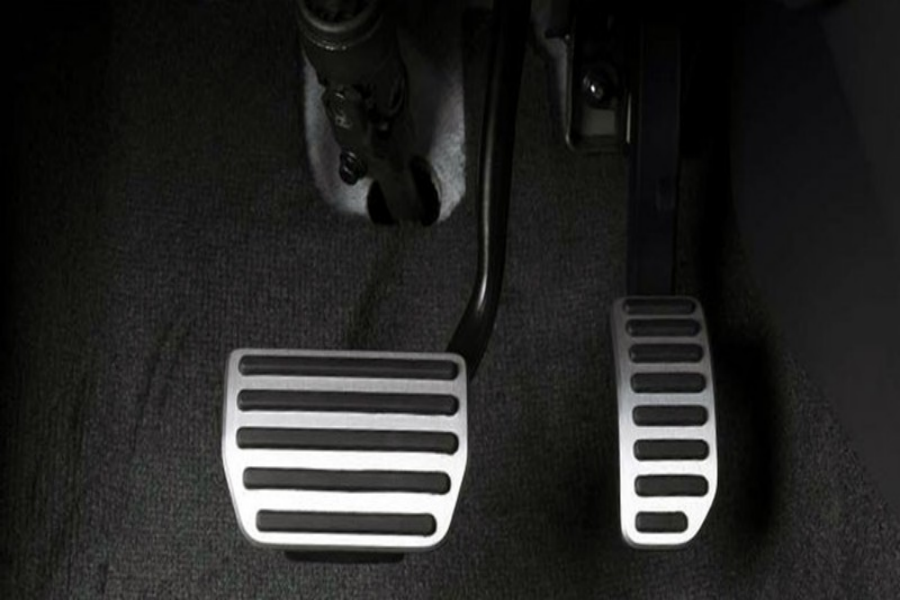
Test the brakes carefully. Apply light braking first, then gradually brake harder. The car should stop smoothly and in a straight line. If you feel vibrations in the brake pedal or hear squealing or grinding noises, the brake system may need attention.
Brakes are critical for safety, especially in busy urban traffic common in Cambodia, so this step should never be skipped.
7. Comfort and Interior Features

During your test drive, evaluate comfort and visibility. Adjust the seat, mirrors, and steering wheel to ensure a good driving position. Make sure you have clear visibility in all directions.
Test the air conditioning, which is especially important in Cambodia’s hot climate. Check the infotainment system, windows, lights, indicators, and other controls to ensure everything works properly.
8. Noise, Vibrations, and Smells
Pay attention to any unusual noises, vibrations, or smells while driving. Burning smells, excessive road noise, or strong vibrations can indicate mechanical issues. A well-maintained car should feel solid and relatively quiet.
9. After the Drive
After finishing the test drive, look underneath the car for any fluid leaks. Open the hood again and check for unusual heat, smells, or visible leaks. These final checks can reveal problems that only appear after driving.
Final Thoughts
A thorough test drive is your best protection against buying the wrong vehicle. By carefully checking engine performance, transmission, brakes, steering, and comfort, you can make a smarter decision and avoid future repair costs. When searching for a Car for Sale in Cambodia, taking the time to do a proper test drive is especially important due to varying vehicle conditions and driving environments.Never rush the process—ask questions, trust your instincts, and if something feels off, be prepared to walk away. A careful test drive today can save you time, money, and stress in the long run.
Looking for top-quality new or used cars? Trust DG Motors for fast, reliable service—or visit our Phnom Penh showroom today!