

As the global electric vehicle market continues to expand, consumers face an increasing number of choices. In 2024, Mazda launched its heavyweight electric model—the Mazda EZ-6. It directly challenges the long-dominant Tesla Model 3.
These two electric sedans each have unique characteristics. They represent two different philosophies of electric vehicles. This article provides an in-depth comparison of their performance to help you find the electric vehicle that best suits your needs.
01 Price and Global Market Positioning
The Mazda EZ-6 enters the market with a highly competitive price. In China, its pre-sale price ranges from 160,000 to 200,000 RMB (approximately $22,000 to $28,000 USD). The car offers both pure electric and range-extender versions. This choice significantly reduces range anxiety for consumers.
Consumers can now purchase the Mazda EZ-6 in Cambodia through international platforms like Alibaba. Prices start from around $20,000.
Tesla Model 3 pricing varies significantly by market and configuration. In China, the Model 3 starts at 231,900 RMB (approximately $32,000 USD).
In the United States, the base Model 3 costs $40,380. The Long Range version sells for $43,880, and the Performance version reaches $56,380.
We should note that Tesla’s prices differ noticeably across markets. For example, the Model 3 Long Range version costs 271,900 RMB (approximately $37,500 USD) in China. This price makes it over $7,000 cheaper than the same version overseas.
This pricing strategy gives Tesla varying cost-performance characteristics globally.
02 Design and Interior Comfort
Exterior Design
The Mazda EZ-6 inherits Mazda’s signature “Kodo: Soul of Motion” design aesthetic. It features smooth, dynamic body lines. Mazda uses a 4-door, 5-seat coupe style. The design includes frameless doors and an oversized hatchback tailgate. This approach combines practicality with a sporty feel.
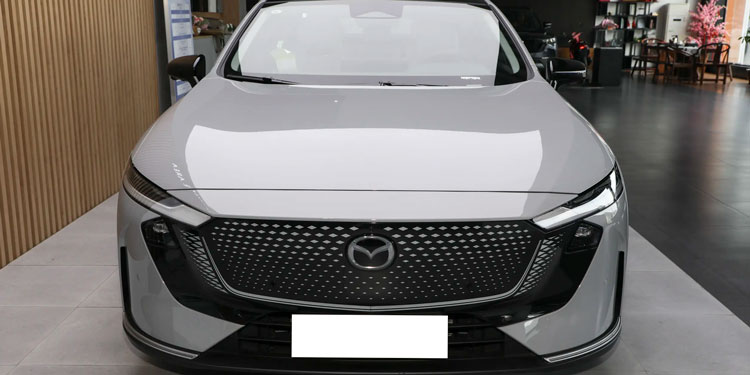
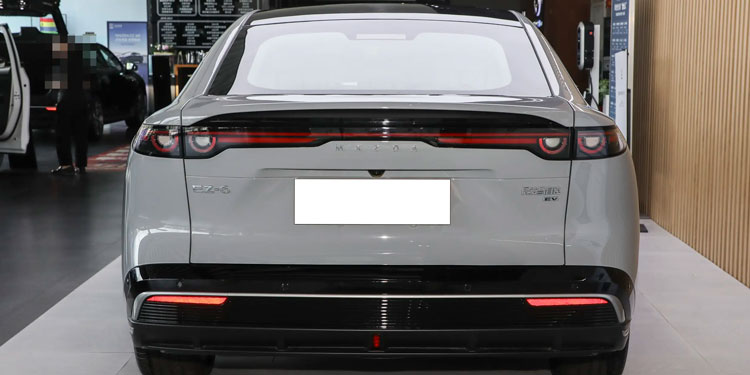
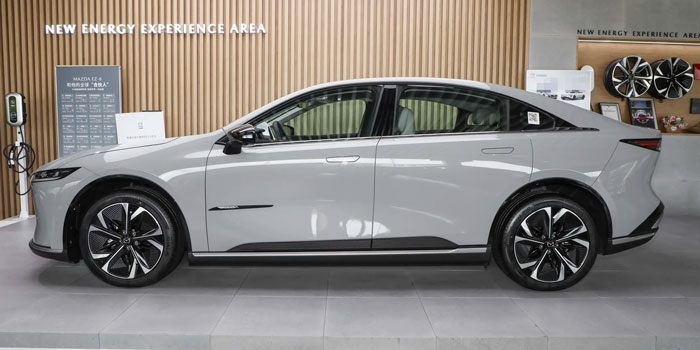
The vehicle length reaches 4,921 mm. Its wheelbase measures 2,895 mm. These dimensions make it more elongated than many competing models.
In comparison, the Tesla Model 3 design focuses more on aerodynamic efficiency. It employs a minimalist style. The car measures 4,720 mm long with a 2,875 mm wheelbase. This gives it a more compact overall shape.
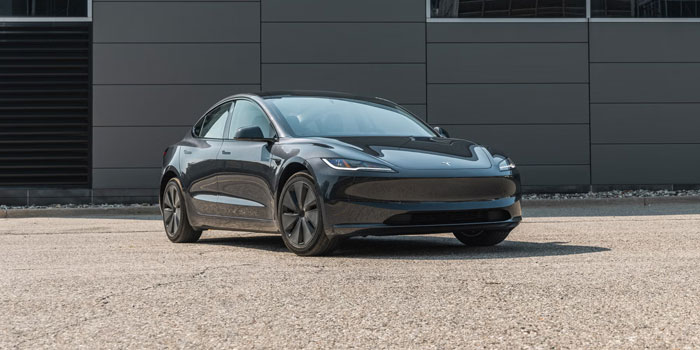
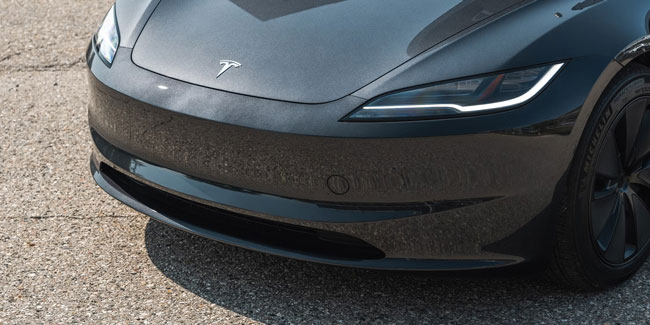
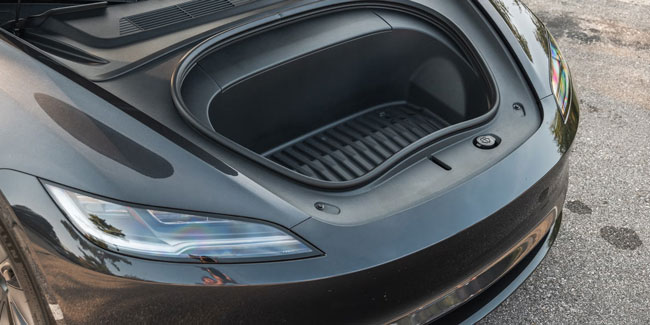
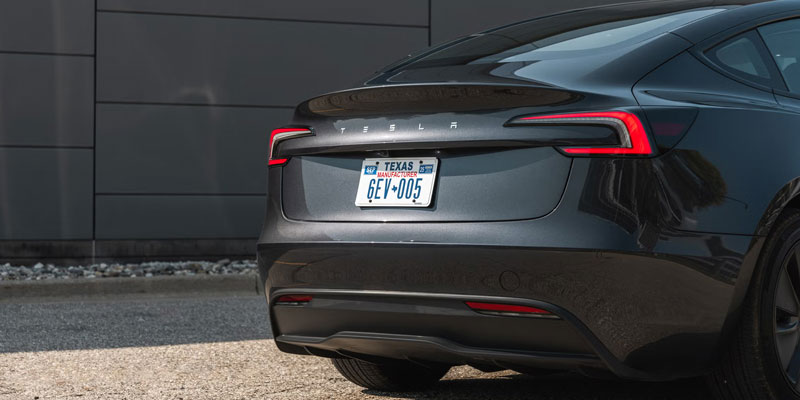
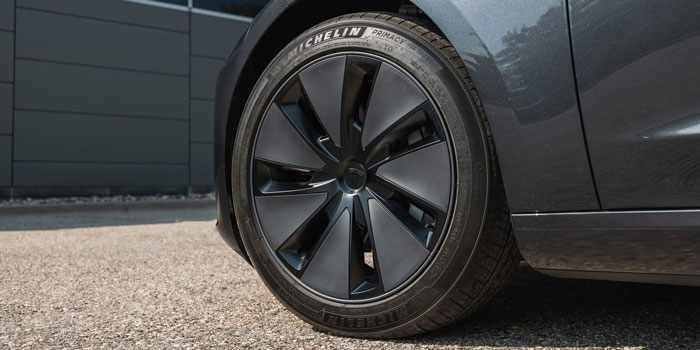
Although the design languages differ, both cars exhibit distinct modern electric sedan characteristics.
Interior and Comfort
We can describe the Mazda EZ-6 interior as luxurious. It uses high-quality materials like NAPPA leather and suede fabric. Craftsmen have executed excellent workmanship.
The vehicle features ventilated, heated, and massaging zero-gravity seats. These seats offer 120-degree cloud-like floating adjustment and 8 massage modes. They provide a riding experience comparable to a high-end massage chair.

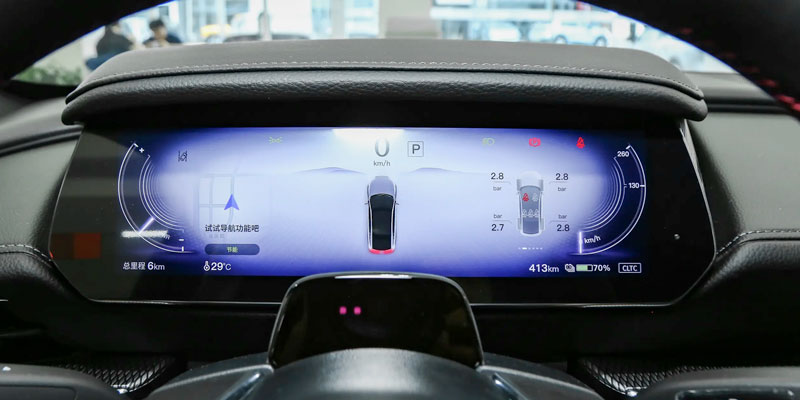
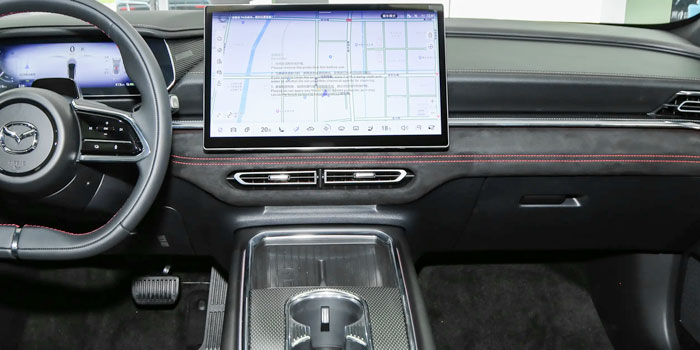
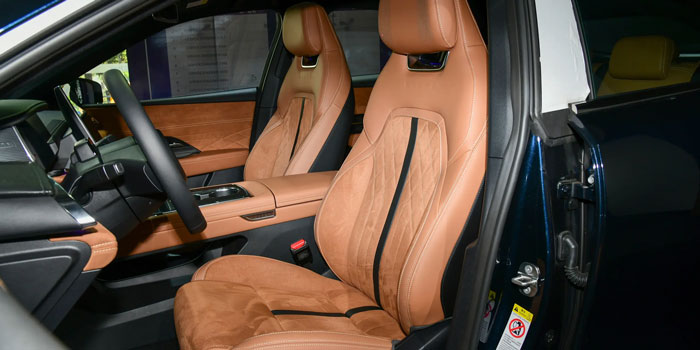

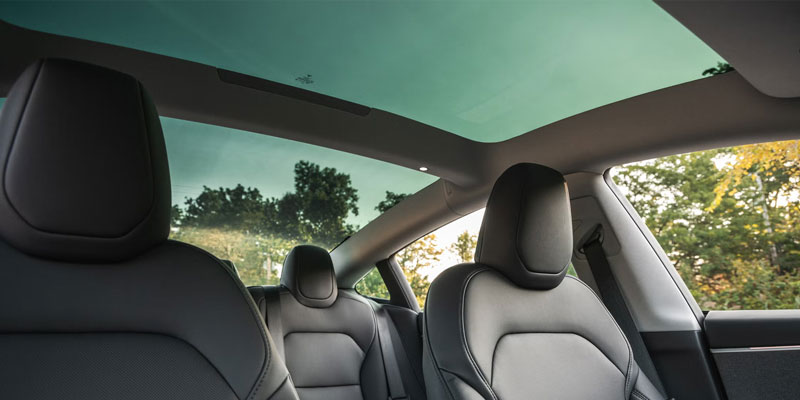
The Mazda EZ-6’s glass deserves special mention. It possesses excellent solar radiation isolation capabilities. During high-temperature summer conditions, the interior temperature rises significantly slower than in competitors’ vehicles.
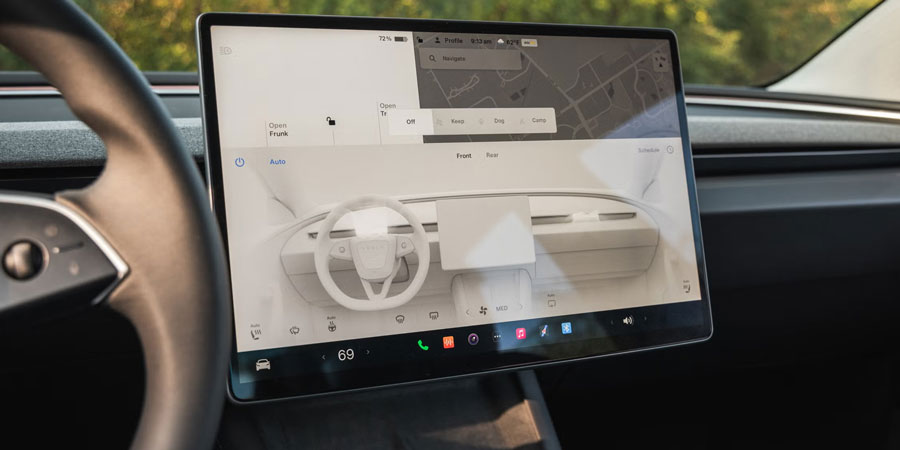
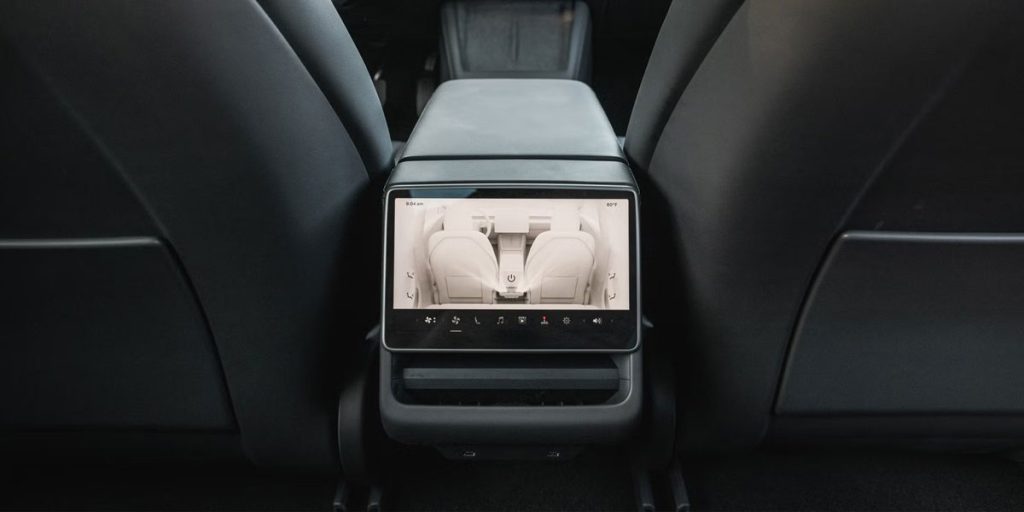
The Tesla Model 3 interior maintains its iconic minimalist style. A 15.4-inch central touchscreen serves as the control center. Tesla has eliminated almost all physical buttons. Leather covers the seats. The driver’s seat offers electric adjustment and heating functions.
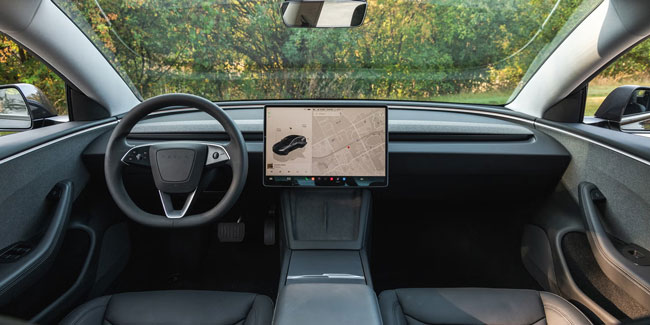
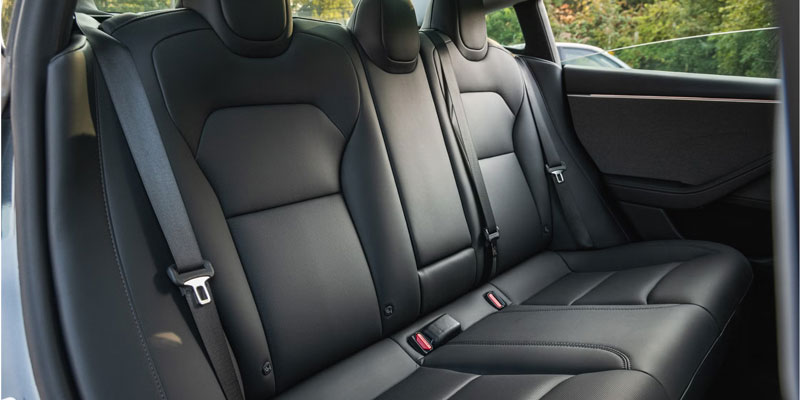
However, some users report that Model 3 seats can become quite hot on the surface in high-temperature environments.
03 Performance and Driving Experience
Powertrain
The Mazda EZ-6 offers both pure electric and range-extender hybrid versions. This variety meets different user needs. The pure electric version delivers a CLTC range of 600 km. The range-extender version achieves a tested range of 1,301 km.
A Qiji battery powers the vehicle. It supports 3C ultra-fast charging. Drivers can charge from 30% to 80% in just 15 minutes.
The Tesla Model 3 uses pure electric power across all versions. Range varies by model. The Long Range Rear-Wheel Drive version covers 363 miles (approximately 584 km).
The Performance version manages 303 miles (approximately 488 km). The base version provides 272 miles (approximately 438 km).
Driving Experience
The Mazda EZ-6 inherits Mazda’s “Jinba Ittai” (horse and rider as one) driving DNA. A 50:50 front-rear weight distribution and rear H-arm multi-link independent suspension provide precise road feedback and excellent handling.
The vehicle employs rear-wheel drive design. It delivers clear road feel and progressive steering feedback.
The Tesla Model 3 also delivers an outstanding driving experience. Its double-wishbone front suspension and multi-link rear suspension combination ensures vehicle stability.
The Long Range All-Wheel Drive version accelerates from 0 to 60 mph in just 4.2 seconds. This demonstrates exceptional performance.
04 Technology and Intelligent Features
Intelligent Cockpit
The Mazda EZ-6 carries an intelligent system based on the third-generation Snapdragon Digital Chassis. It features a 10.1-inch high-definition digital instrument cluster and a 14.6-inch anti-glare liquid crystal floating screen.
The “Hi MAZDA” four-zone intelligent voice recognition system accurately responds to each occupant’s commands.
The vehicle also includes a 50-inch AR-HUD augmented reality head-up display system. This allows drivers to access driving information without looking down. A 14-high-performance speaker Sony audio system, including two headrest speakers, creates an immersive auditory experience.
The Tesla Model 3 centers around a 15.4-inch central touchscreen. This screen integrates all vehicle control functions. The system responds quickly. It offers satellite navigation and smartphone connectivity. Seventeen speakers complete the audio system.
Driver Assistance Systems
The Mazda EZ-6 features an L2.5 intelligent driving and parking assistance system. Five megapixel high-definition cameras, five millimeter-wave radars, and twelve ultrasonic radars support this system.
The system handles adaptive cruise control, lane centering, intelligent lane shifting, and turn-signal initiated lane changing.
For intelligent parking, the EZ-6 offers APA automatic parking assistance and RPA remote parking assistance. It can recognize over 150 different parking space types.
Tesla has built its reputation on the Autopilot automated driver assistance system. This includes full-speed adaptive cruise control, automatic emergency braking, blind spot detection, and lane keeping assist.
However, customers must purchase Tesla’s Full Self-Driving capability separately.
05 Global Market Suitability
For diverse markets including Cambodia, the Mazda EZ-6 offers greater adaptability. Its dual versions suit not only urban areas with developed charging infrastructure but also markets where charging infrastructure remains under development.
The range-extender version serves as an ideal choice for users who frequently drive long distances or face inconvenient charging conditions.
The Tesla Model 3 excels as a pure electric vehicle in regions with established charging networks. However, users in developing charging markets may experience range anxiety.
That said, Tesla continues expanding its Supercharger network globally. This expansion provides convenient charging solutions for users.
For Cambodia’s car market, both models represent good options. However, the Mazda EZ-6’s range-extender version may better suit current local infrastructure conditions.
06 Conclusion
In summary, the 2024 Mazda EZ-6 and Tesla Model 3 both stand as outstanding electric sedan representatives. The Mazda EZ-6 demonstrates strong market potential through its exceptional comfort, dual powertrain options, and competitive pricing.
Meanwhile, the Tesla Model 3 maintains its market position using mature pure electric technology, minimalist design, and brand advantages.
Looking for top-quality new or used cars? Trust DG Motors for fast, reliable service—or visit our Phnom Penh showroom today!


