The morning sun bathed the road from Bangkok to Phnom Penh. A brand-new 2025 Volvo XC40 cruised steadily along. Its City Safety system had just intervened quietly, averting a potential rear-end collision.
In another corner of Cambodia, a 2025 BMW X1 owner enjoyed the driving thrill from its precise steering. The M Sport package gleamed under the Southeast Asian sun. These two models rival each other in the global luxury compact SUV market.
01 Global Pricing Strategy
For global consumers, car-buying decisions often start with price comparisons. The pricing strategies of the 2025 Volvo XC40 and the 2025 BMW X1 reflect their distinct brand positioning.
Market data shows the 2025 Volvo XC40 starts at approximately 260,000 RMB (about $36,000 USD) in China. The higher-end T5 R-Design or plug-in hybrid versions can cost close to 380,000 RMB (about $53,000 USD). Regional variations and taxes typically add 10%-15% to the final on-road price.
In comparison, the new BMW X1 sDrive18i M Sport starts at 1.99 million New Taiwan Dollars (about $62,000 USD) in Taiwan. The sDrive20i M Sport is priced at 2.2 million NTD (about $68,500 USD). Notably, the new model year replaces the xLine with an M Sport variant. Each version’s price rose by about 30,000 NTD.
Major global markets show clear pricing differences. In the United States, the Volvo XC40 starts around $35,000. The BMW X1 starts at approximately $36,500.
In Germany, the Volvo XC40 costs about €39,000. The BMW X1 starts around €41,000. Variations in equipment, powertrains, and regional taxes cause these differences.
02 Design and Space Philosophy
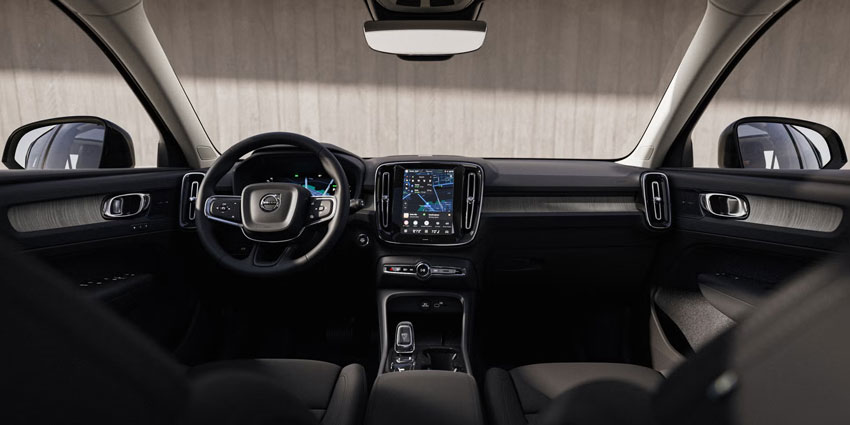
Inside these two vehicles, you immediately sense different design philosophies. The Volvo XC40 continues the Nordic minimalist style. It features the iconic “Thor’s Hammer” LED headlights and a vertical waterfall grille.
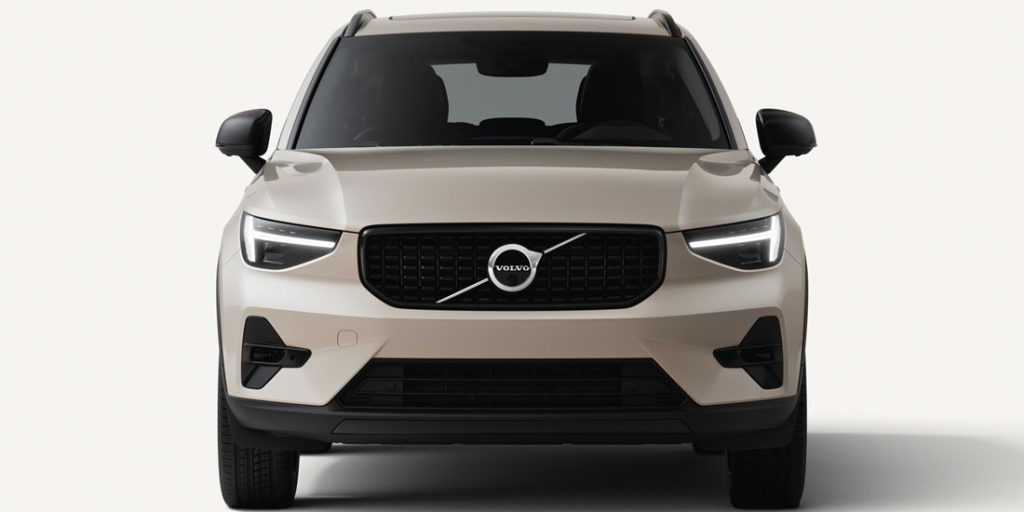
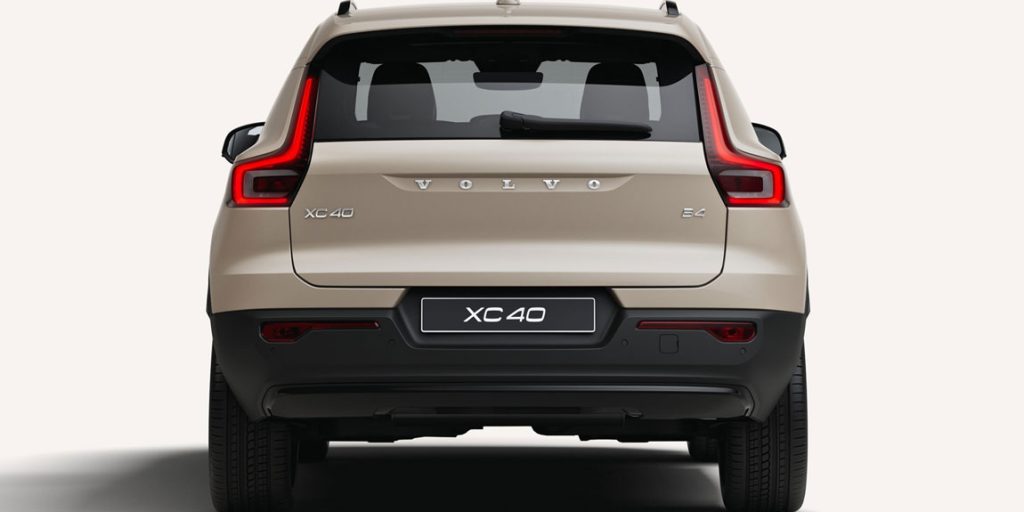
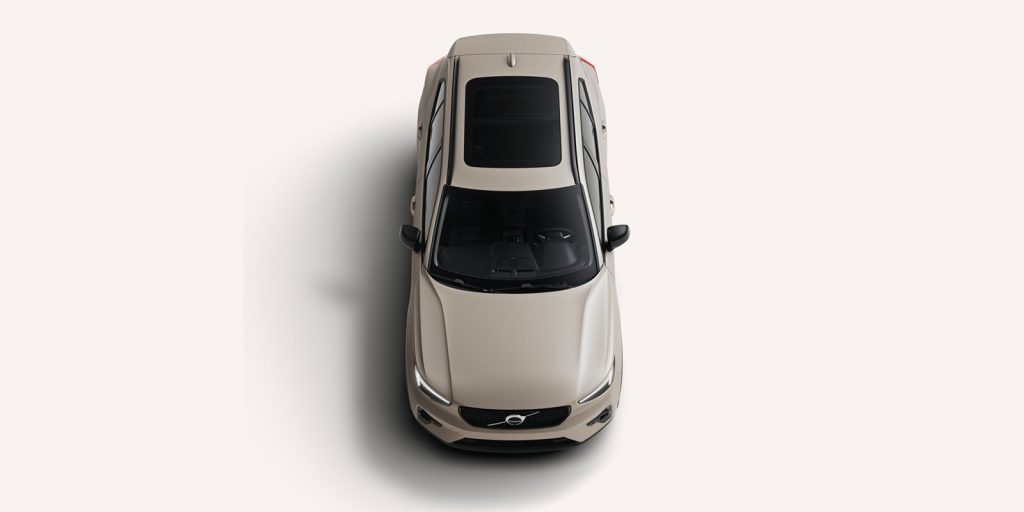
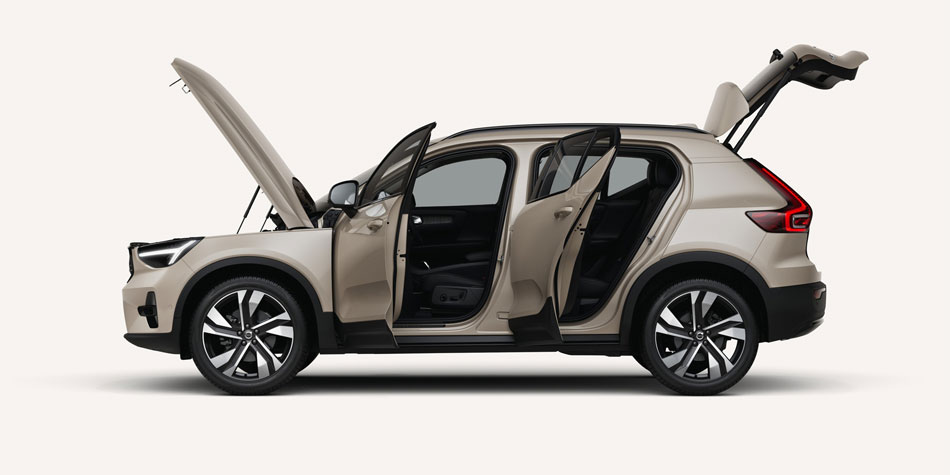
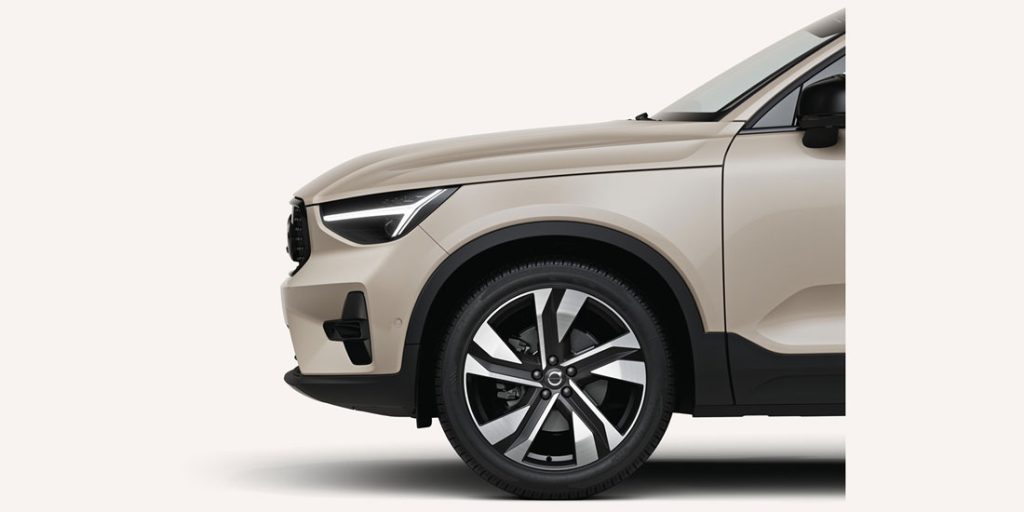
Its body side shows flowing, powerful lines. A two-tone color scheme makes the vehicle look stylish and dignified. Inside, the XC40 uses a minimalist concept. It employs eco-friendly materials to create a warm, comfortable cabin.
The BMW X1 clearly leans towards sporty style. The new model year introduces a handsome M Sport variant. This variant includes an M Sport aerodynamic kit and specific alloy wheels.
The interior also focuses on sporty elements. You will find dual front sport seats and an M leather steering wheel with paddle shifters. Metal accelerator/brake pedals complement light aluminum rhomboid-pattern trim and a black headliner. Together, they create an exhilarating driving atmosphere.
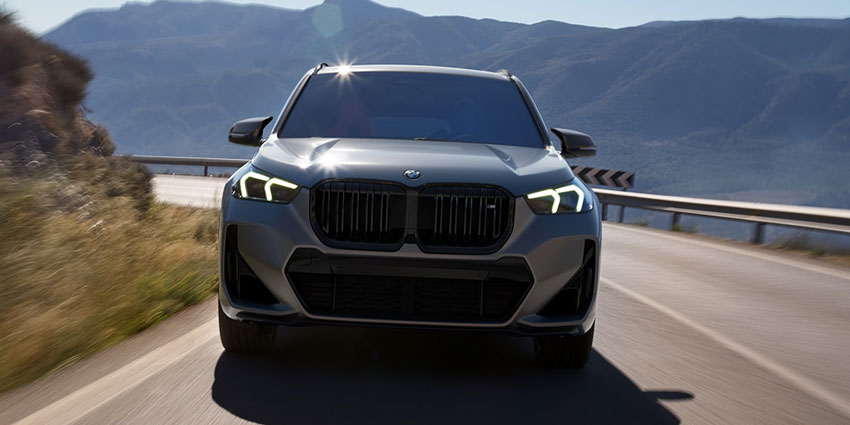
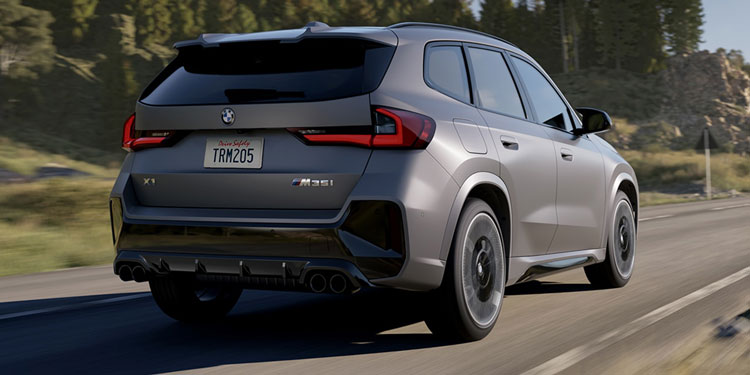
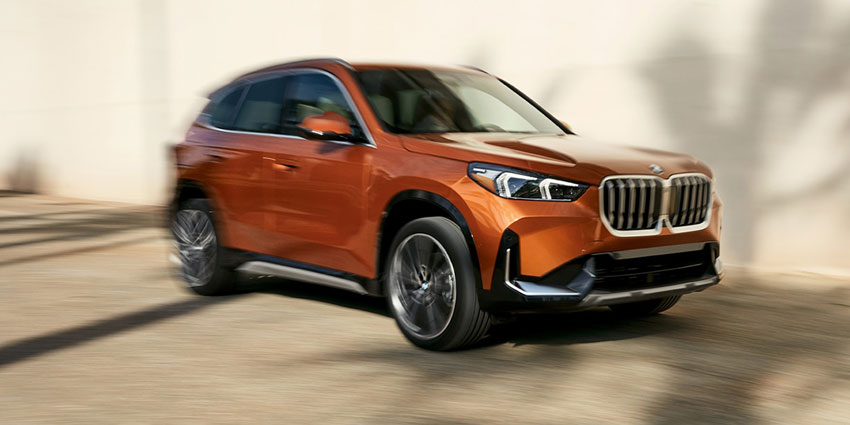
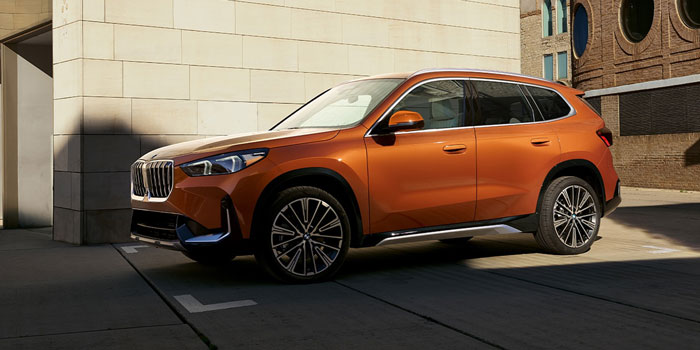
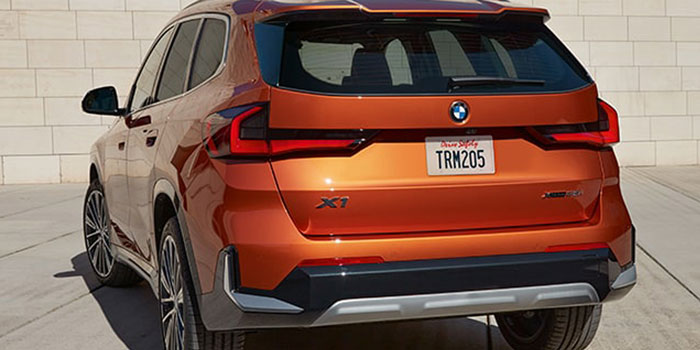
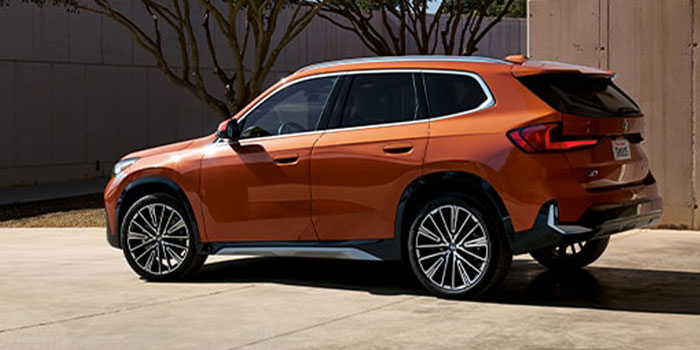
For space, the BMW X1 offers more spacious rear seating, thanks to its 2,820 mm wheelbase. The Volvo XC40 shows more thoughtful storage designs. These include a removable trash bin and practical door panel compartments.
03 Powertrain and Driving Experience
The powertrain shows the most apparent differences. The 2025 Volvo XC40 offers multiple options. The entry-level T4 has a 1.5-liter turbocharged engine with 163 horsepower. The T5 version upgrades to a 2.0-liter turbocharged engine, increasing power to 197 horsepower.
The XC40 B4 model provides the driving experience. It pairs a 2.0-liter turbo engine with a 48V mild-hybrid system, delivering 197 horsepower. An 8-speed automatic transmission handles the power. The delivery feels linear and smooth. The steering is light and easy. Ride quality emphasizes comfort and noise isolation. The car feels stable and reassuring, suited for daily commuting and family use.
The BMW X1, however, adheres to sporty tuning. Both the sDrive18i and sDrive20i use a 1.5-liter three-cylinder turbo engine. They produce 136 and 156 horsepower respectively. The latter also uses a 48V mild-hybrid system for an extra 20 horsepower boost.
Notably, the new model year X1 adds a Sport Boost function. A quick flick of the left paddle shifter lets the driver access maximum power instantly. This delivers a thrilling acceleration rush.
The steering feel exhibits typical BMW traits—solid and precise, with clear chassis feedback. It offers better cornering than its rivals. The excellent handling dynamics suit drivers who enjoy a spirited drive.
04 Safety and Technology Features
Safety is a traditional Volvo strength. The 2025 Volvo XC40 does not compromise here. It features standard active safety tech like Lane Keeping Aid and Blind Spot Information. Higher-spec models also have the advanced Pilot Assist system. This enables Level 2 semi-autonomous driving on highways.
Additionally, the XC40 features the latest Sensus infotainment system. It supports Apple CarPlay and Android Auto. The center console uses a digital cockpit system. This combines a 12.3-inch digital instrument cluster with a 9-inch touchscreen.
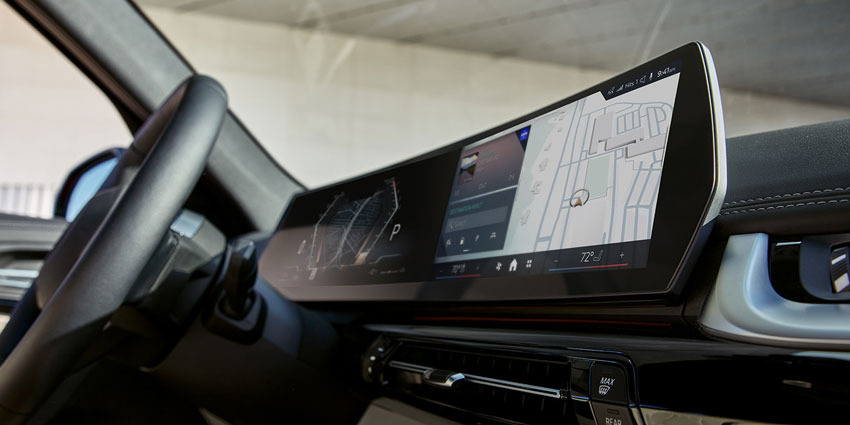
The BMW X1 also boasts impressive technology. It comes standard with automatic parking assist and a reversing assistant. These features help novice drivers. For smart features, the car has a built-in 10.25-inch + 10.7-inch dual-screen setup. It includes satellite navigation and voice interaction.
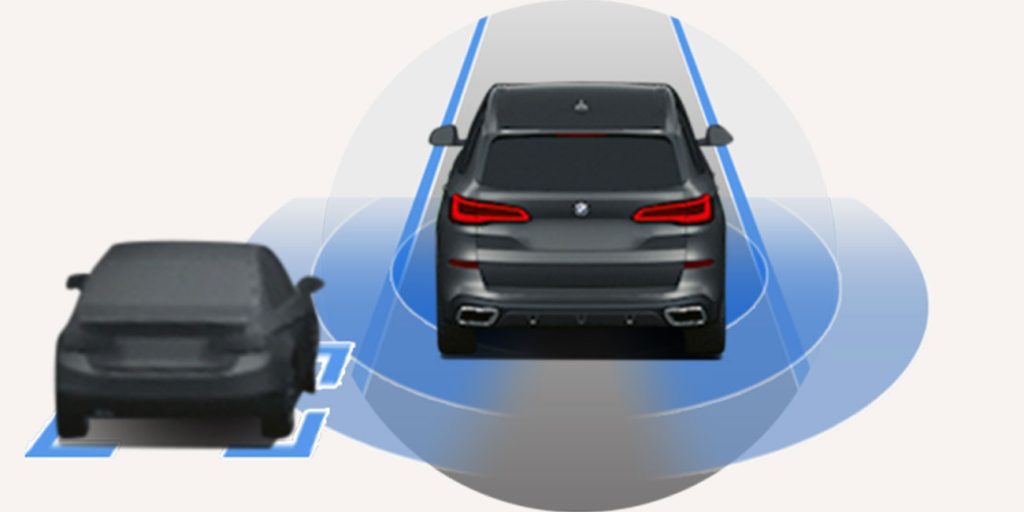


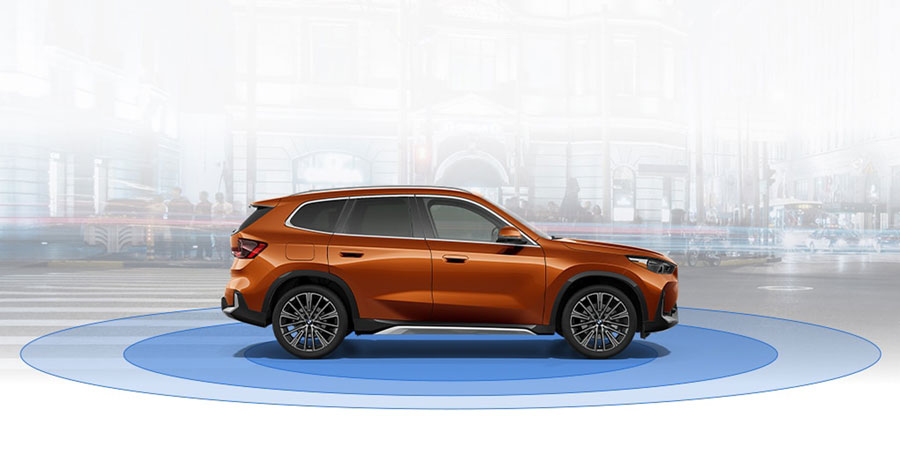
The X1 similarly offers multiple active safety technologies. These include ACC Active Cruise Control with Stop & Go, Lane Departure Warning, and front/rear collision warning. However, compared to Volvo, BMW more commonly offers these safety features as optional extras.
05 Interior Quality and Comfort
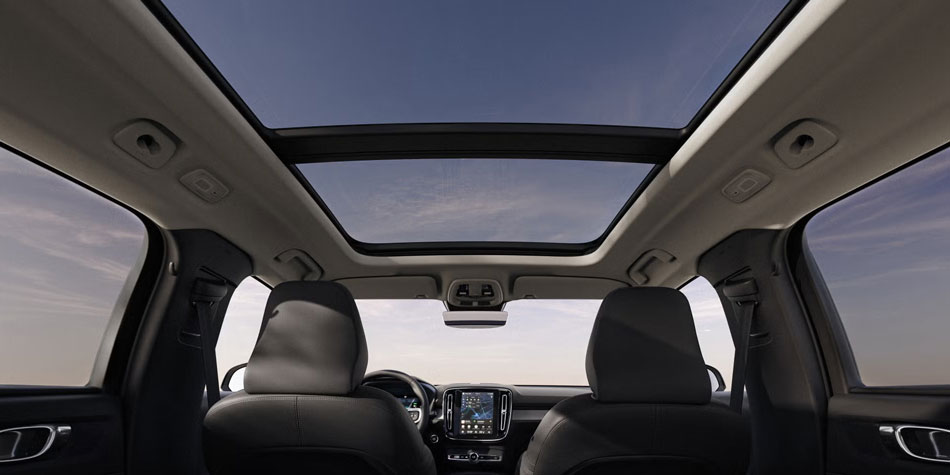
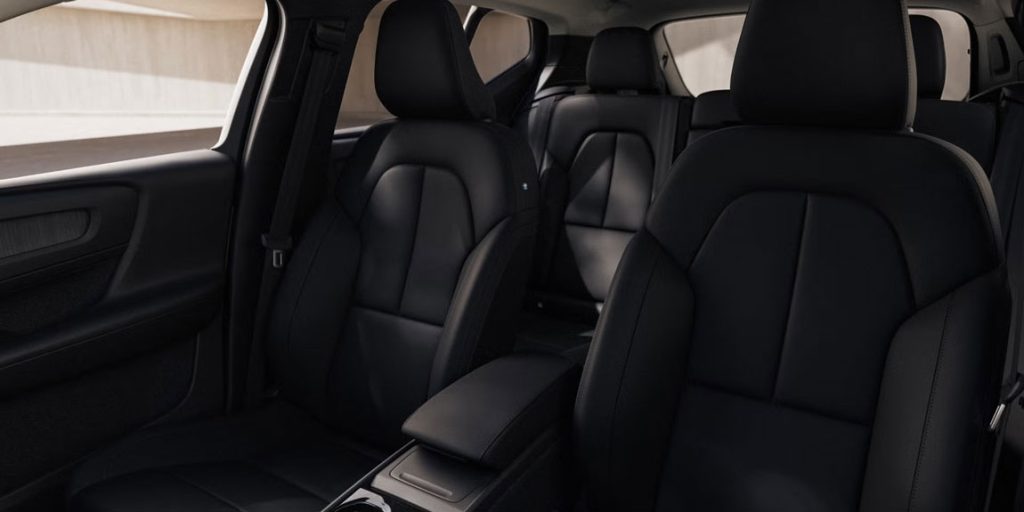
Inside the cabin, the two cars offer distinct atmospheres. The Volvo XC40 uses significant eco-friendly materials. Seat options include premium Nappa leather for a delicate, comfortable feel. Its cabin air quality system is a major feature, effectively filtering fine particulates.
The BMW X1’s interior focuses more on the driver. The M Sport model includes standard dual front sport seats for better lateral support. The cabin trim features light aluminum rhomboid-pattern trim and a black headliner. This creates a sporty luxury ambiance.
For audio, the Volvo XC40 offers an optional high-end Bowers & Wilkins system on higher trims. It provides an immersive experience. The BMW X1 sDrive25Li X Design package has a 12-speaker Harman Kardon system with excellent sound quality.



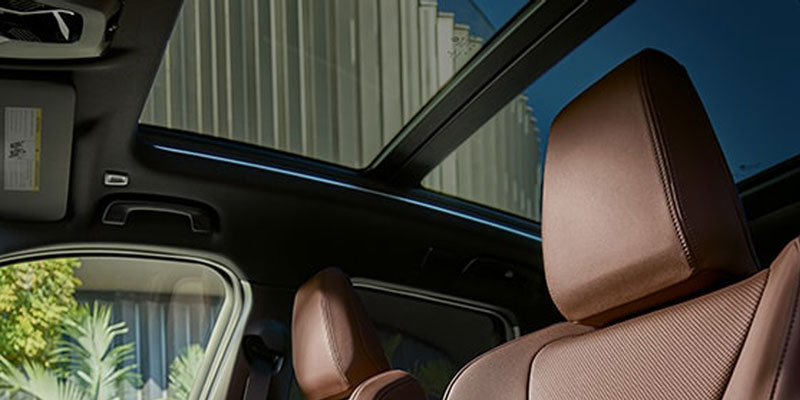
Both cars offer luxury comfort features like panoramic sunroofs, multi-zone climate control, and seat heating. Volvo leads in air purification and ergonomic seats. BMW offers a richer array of driving-related features.
2025 Volvo XC40 owners often value the safety promise rooted in Nordic heritage. Each automatic braking intervention and each moment of clean cabin air contributes to daily peace of mind.
2025 BMW X1 drivers enjoy a different value. They get precise steering feedback, stable cornering posture, and an adrenaline surge from the Sport Boost function. This driving pleasure is irreplaceable, whether in Phnom Penh’s crowded streets or on open highways.
In the car for sale in Cambodia market, both models have devoted followers. The choice comes down to one question: which value do you prefer? Is it the peace of mind from Volvo’s all-around protection, or the driving pleasure from BMW’s precise handling?
Looking for top-quality new or used cars? Trust DG Motors for fast, reliable service—or visit our Phnom Penh showroom today!