

The powerful 2.3T engine in the Explorer delivers a noticeable push the moment you start off. Its longitudinal rear-wheel-drive platform provides precise handling, making this large SUV feel nimble and agile. In contrast, the Highlander’s hybrid system propels the vehicle forward smoothly and quietly. Its impressive fuel consumption of 5.3L per 100km will stand out every time you visit the gas station.
Comparison Overview
To help you quickly understand the core differences between the two models, here is a comparison of key parameters for the 2026 Ford Explorer and the Toyota Highlander:
| Comparison Dimension | 2026 Ford Explorer | 2026 Toyota Highlander |
| Estimated Starting Price | US market: approx. $41,000; China market: approx. ¥350,000 | US market: approx. $41,360; China market: from ¥219,800 |
| Powertrain | 2.3T EcoBoost turbo engine (289 hp) or 3.0T V6 (400 hp) | 2.5L hybrid system (189 hp) or 2.4T turbo (265 hp) |
| Transmission | 10-speed automatic | E-CVT continuously variable transmission |
| Drivetrain | RWD / intelligent AWD optional | FWD / AWD optional |
| Body Dimensions | L×W×H: 5064×2004×1790mm, wheelbase: 3025mm | Body length close to 5 meters |
| Seating Layout | 6-seat (2+2+2) or 7-seat (2+3+2) options | 7-seat (2+3+2) or 8-seat (2+3+3) layout |
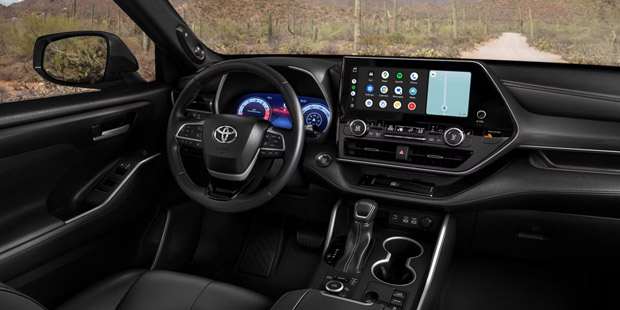
| Smart Technology | 27-inch panoramic infotainment screen, SYNC 5 system | 14.5-inch floating central screen, TSS 3.0 safety system |
| Key Advantages | Strong power, luxury interior, excellent handling, leading tech | Fuel efficiency, high reliability, strong resale value, high space flexibility |
01 Market Positioning and Price Differences
The two vehicles exhibit different market positioning in their pricing strategies. The 2026 Toyota Highlander has a starting price in the Chinese market of ¥219,800, with the top-tier model priced at only ¥249,800. This pricing strategy maintains its strong competitiveness within the same segment.
In comparison, the Ford Explorer is priced slightly higher in the Chinese market, starting at around ¥350,000. This price difference directly reflects the different target consumer groups and product positioning of the two models.
Looking at the global market, the situation varies. In the United States, the Toyota Grand Highlander (an enlarged version of the Highlander) starts at $41,360, while the Ford Explorer starts at approximately $41,000 in the US market. This close pricing internationally highlights the differences in positioning strategies across regions.
For consumers in Southeast Asian markets like Cambodia, whether searching for a 2026 Ford Explorer or a 2026 Toyota Highlander as a car for sale in Cambodia, additional costs such as import duties and shipping fees must be considered, which may raise the final price above that in the country of origin.
02 Performance and Driving Experience
The powertrain is one of the most distinct differences. The Ford Explorer comes standard with a 2.3T EcoBoost engine that produces 289 horsepower. The ST variant is even more impressive. It offers a 3.0T V6 twin-turbo engine with a maximum output of 400 horsepower.
This powerful system pairs with a 10-speed automatic transmission. It enables the Explorer to accelerate from 0-100 km/h in 7.6 seconds. The longitudinal rear-wheel-drive platform provides more balanced weight distribution. It also reduces the turning radius to 5.9 meters. This gives the large SUV, which is over 5 meters long, better maneuverability in cities.
The Highlander follows a different philosophy. Its 2.5L hybrid system focuses on fuel economy, with a maximum output of 189 horsepower. Real-world tests show the hybrid Highlander can achieve as low as 5.3L per 100km. This means a full tank can easily cover over 1000 kilometers.
Beyond the hybrid, the Highlander also offers a 2.4T turbo gasoline engine with 265 horsepower. The flagship Hybrid Max turbo hybrid system delivers up to 362 horsepower. This range of options lets consumers make precise choices based on their needs and budget.
03 Space Design and Practicality
Space and practicality are often top priorities for families. Both vehicles show strong performance here.
The Ford Explorer has an exceptionally long 3025mm wheelbase. This lays a solid foundation for interior space. It offers two seating layouts: 6-seat (2+2+2) and 7-seat (2+3+2). A passenger 175cm tall can still sit comfortably in the third row.
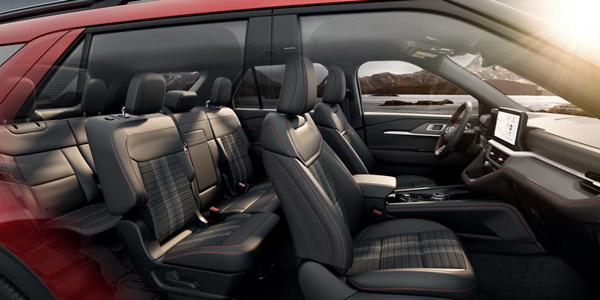
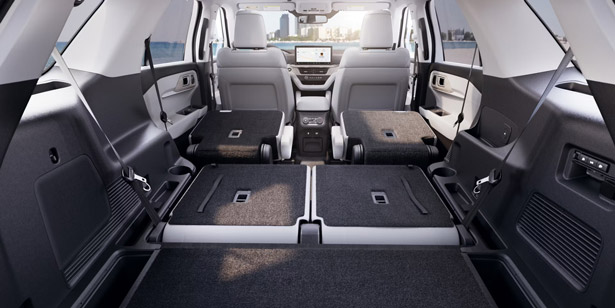
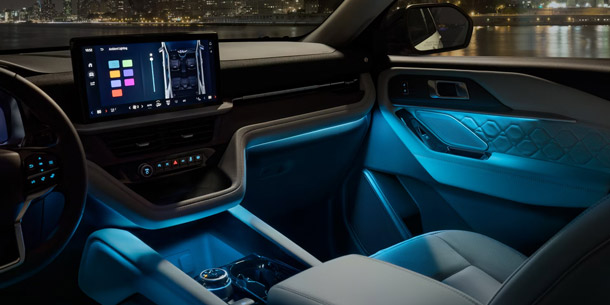
For storage, the Explorer features 37 compartments throughout the cabin. The five-seat version has a trunk depth of 1.8 meters. It can accommodate items up to 2.1 meters long. The seven-seat version offers 515 liters of regular trunk capacity. This is enough for two carry-on suitcases even with all seats occupied.
The Highlander excels in space flexibility. Some versions offer an 8-seat layout (2+3+3). The second row has a spacious middle aisle for easy third-row access. The regular trunk capacity is 520 liters. Folding the third-row seats expands this to 1150 liters.
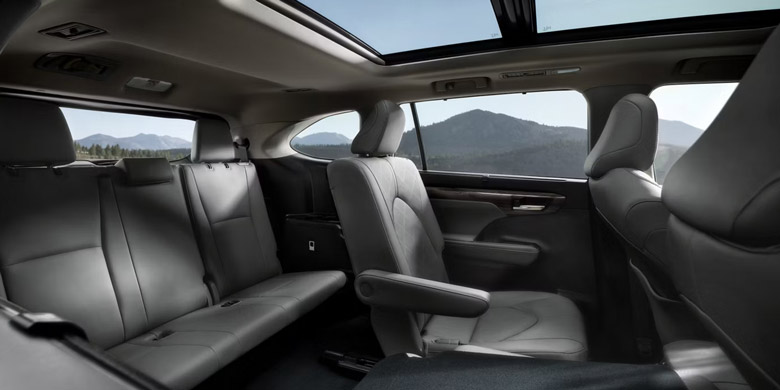
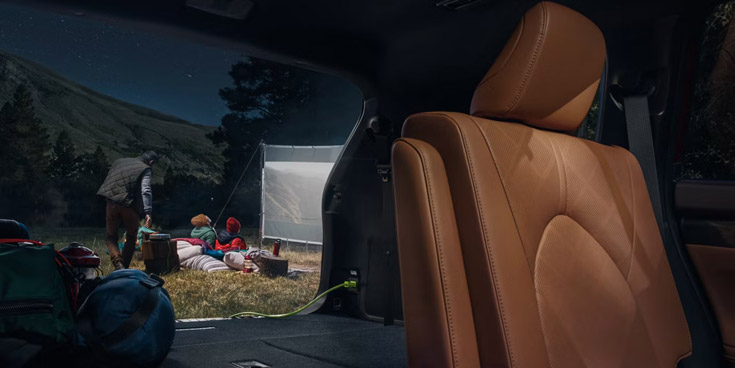
Notably, the Highlander’s “space magic” design creates impressive cargo room when seats fold. It can easily accommodate large items like children’s bicycles, tents, barbecue grills, or inflatable kayaks.
04 Safety Technology and Smart Features
Both 2026 models feature comprehensive upgrades in safety and smart technology. The Toyota Highlander comes equipped with the latest TSS 3.0 system. This includes pedestrian detection, electric vehicle monitoring, and a driver fatigue warning.
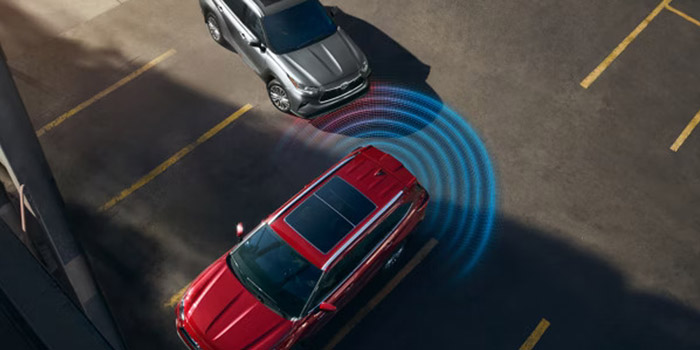
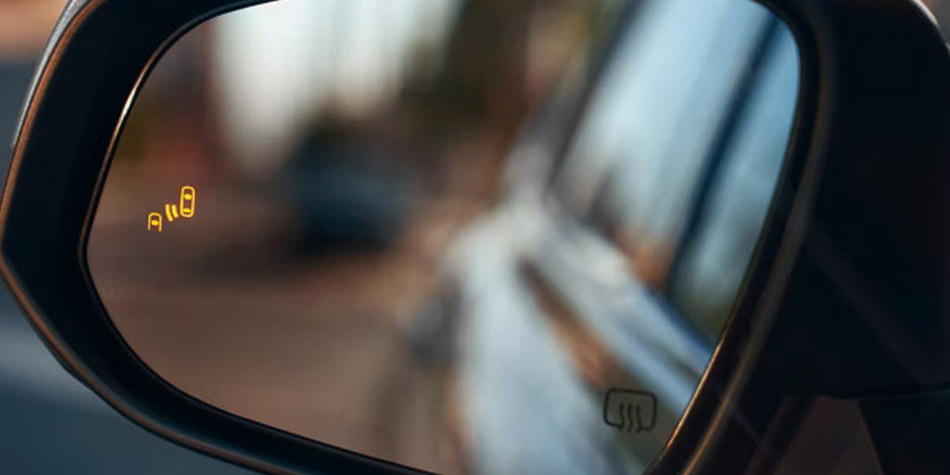
The system alerts the driver via steering wheel vibrations and instrument cluster warnings. This enhances safety on long journeys. Additionally, the Highlander’s voice assistant supports continuous command recognition. It can handle a compound request like “set the air conditioning to 24 degrees and navigate to the nearest gas station” in one go.
The Ford Explorer adopts a more aggressive tech approach. It features a 27-inch 4K panoramic screen and a 12.3-inch digital instrument cluster. A Qualcomm Snapdragon 8155 chip powers the system, which supports split-screen operation and five-screen linkage.
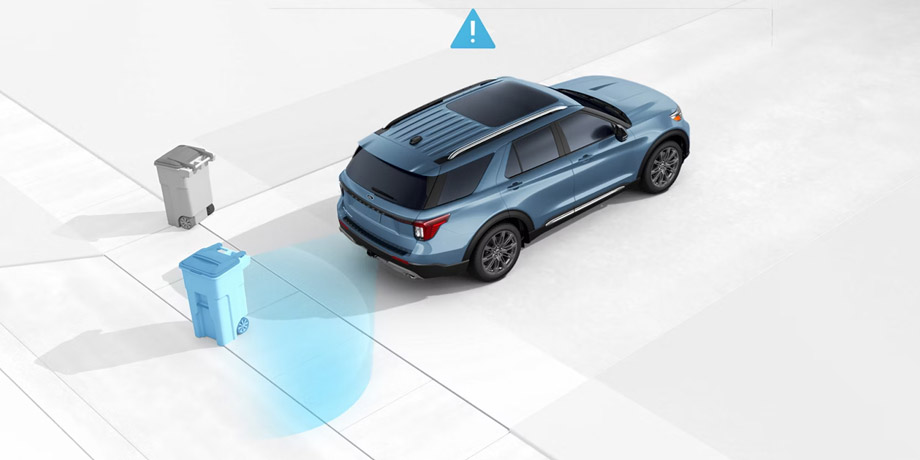
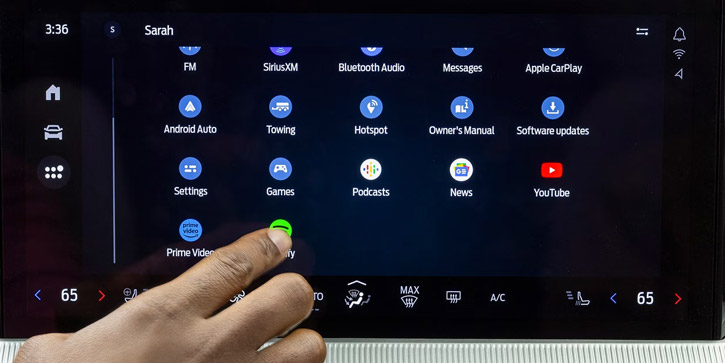
In practice, the Explorer’s voice command responds quickly. Its dialect recognition accuracy exceeds 90%, which is helpful for families with elderly members. Furthermore, the Explorer has an L2+ level driving assistance system. This includes full-speed adaptive cruise control, lane keeping assist, and automatic parking assist.
The Explorer also features a driver status monitor. It provides timely alerts if it detects fatigue and automatically adjusts the air conditioning to help refresh the driver.
Conclusion
When your family needs a three-row SUV, the 2026 Ford Explorer and Toyota Highlander offer two excellent but different solutions. Both models have received significant upgrades for 2026, strengthening their core advantages.
The Explorer brings a longitudinal rear-wheel-drive platform, robust powertrains, and leading-edge tech like the 27-inch screen. It injects driving pleasure and luxury into family travel. This SUV suits families who value driving experience, performance, and cutting-edge technology, even while carrying multiple passengers.
The Highlander relies on proven reliability, excellent fuel economy, and flexible space. It continues to solidify its role as the “all-around family companion.” It remains the most prudent choice for practical families. These families prioritize long-term costs, strong resale value, and a worry-free ownership experience.
Looking for top-quality new or used cars? Trust DG Motors for fast, reliable service—or visit our Phnom Penh showroom today!


