When global off-road enthusiasts turn their attention to the pinnacle of SUVs, the 2026 Jeep Grand Cherokee and the Toyota 4Runner inevitably top the list. This ultimate showdown between American luxury technology and Japanese rugged reliability is not just about specifications and features; it represents two distinctly different philosophies of adventure. This article provides an in-depth comparison from a global perspective, with a special analysis of their unique performance in the Cambodian car sales market, helping you make the most informed choice.
Design Philosophy: The Clash of Luxury Craftsmanship and Rugged Utility
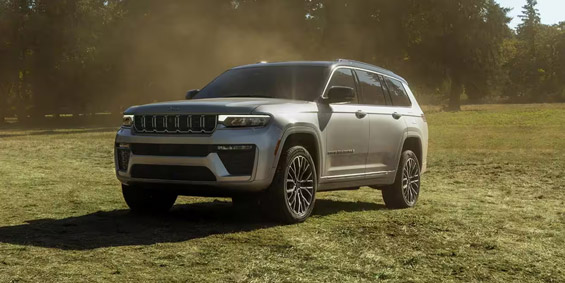
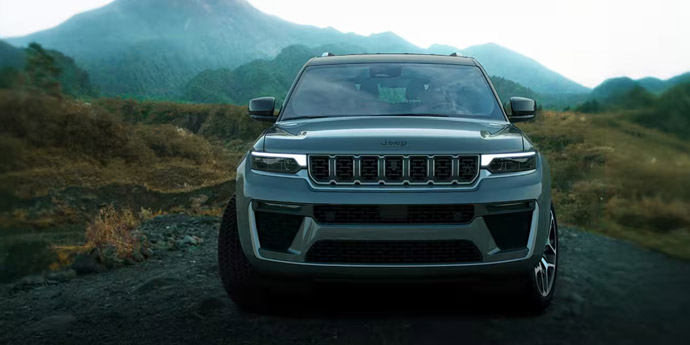
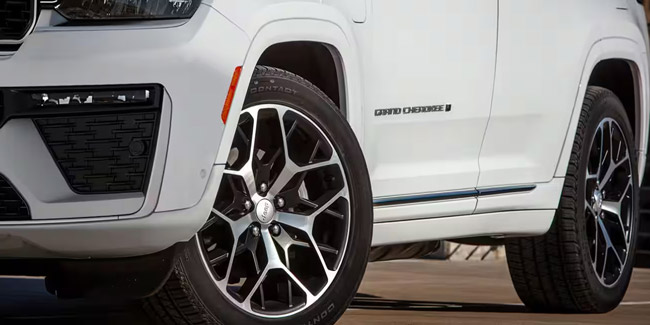
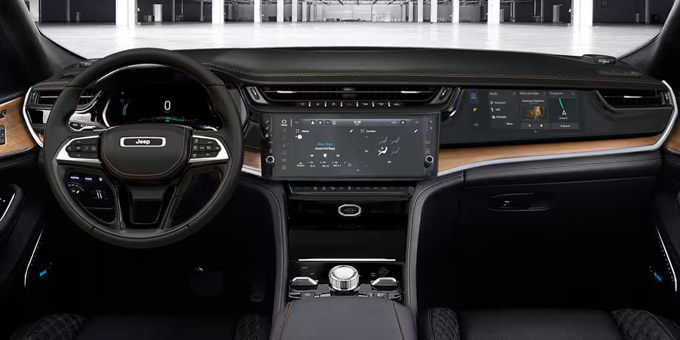
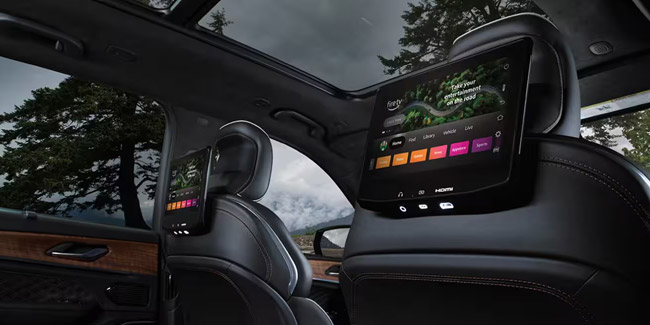
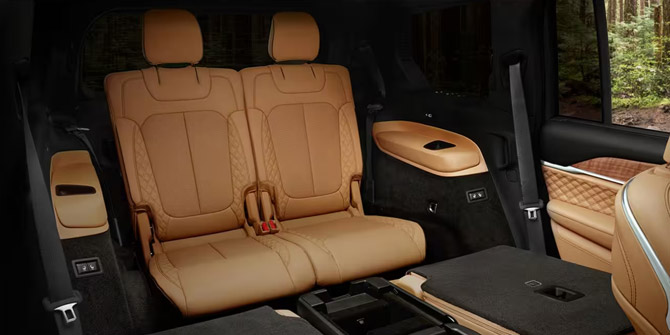
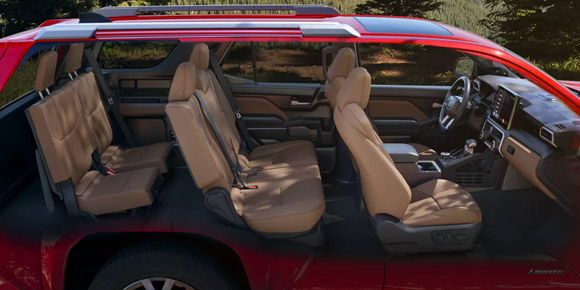
The 2026 Jeep Grand Cherokee perfectly defines the modern luxury off-roader. It inherits the classic seven-slot grille but with more fluid and refined lines. The body proportions retain a sense of strength while adding elegance. The cabin is where its true advantage lies: extensive soft-touch materials, precise stitching, and a standard 12.3-inch fully digital instrument cluster and infotainment screen create an immersive high-tech luxury ambiance. Higher trim levels even offer a 10.3-inch front passenger entertainment screen and a 19-speaker McIntosh audio system, designed to provide a seamless experience for global urban elites, from city centers to the wilderness.
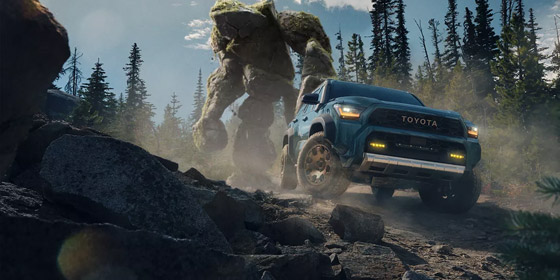
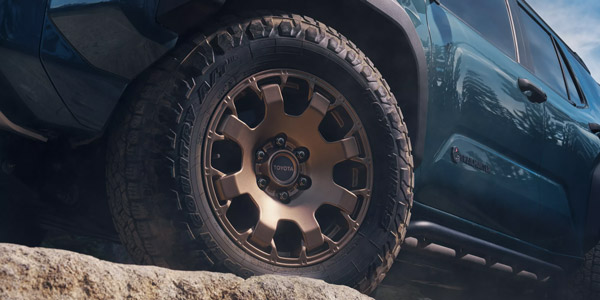
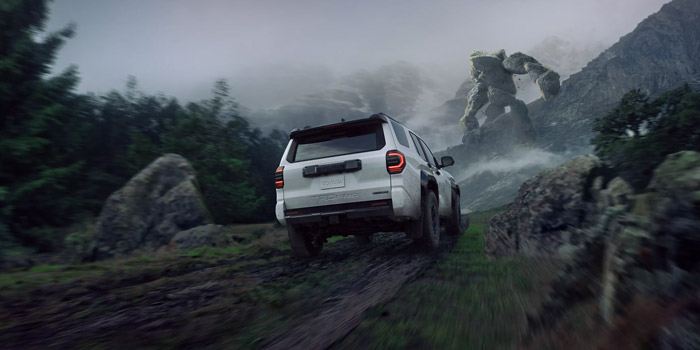
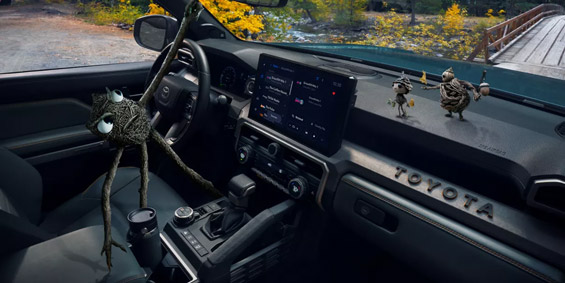
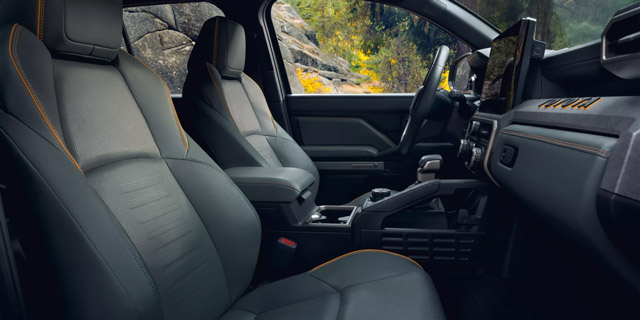
In contrast, the Toyota 4Runner maintains an uncompromisingly tough image. Its boxy, rugged styling, pronounced wheel arches, and high ground clearance clearly assert its off-road sovereignty. The interior design focuses on utility and durability, with all controls laid out clearly and sized generously for easy operation with gloves. Although higher trims also provide a 14-inch central touchscreen, the overall atmosphere leans more towards functionality, with materials chosen for easy cleaning and maintenance.
Core Performance: Smart All-Terrain vs. Mechanical Reliability
The 2026 Jeep Grand Cherokee is an “electronic magician.” Based on a unibody chassis, it conquers tough terrain through a series of advanced electronic control systems. The core lies in the optional three active 4WD systems and the five-mode Selec-Terrain® All-Terrain Management System. Its ace is the Quadra-Lift® air suspension, which can significantly increase ground clearance. These technologies simplify complex off-roading but also imply greater system complexity.
The Toyota 4Runner, on the other hand, is a “mechanical hardcore.” It utilizes a body-on-frame construction, offering extremely high torsional rigidity. Its off-road capability relies on purely mechanical or hydraulic-mechanical systems, such as the manually disconnectable stabilizer bar and the rear differential lock. The most famous feature is the CRAWL Control mode; once engaged, the vehicle automatically manages throttle and braking, allowing the driver to focus solely on steering. This design has endured the harsh tests of deserts and rocks, renowned for ultimate reliability and ease of repair.
Regarding powertrains, the Grand Cherokee’s flagship 2.0T Hurricane turbocharged engine provides excellent horsepower and torque, while the 4Runner’s new hybrid system delivers astonishing low-end torque, ideal for climbing and extraction.
Comparison Matrix
| Dimension | 2026 Jeep Grand Cherokee | Toyota 4Runner |
| Core Architecture | Unibody (Emphasizes on-road comfort & integration) | Body-on-frame (Emphasizes extreme torsional strength & reliability) |
| Core Off-Road Tech | Electronic Intelligent Systems (Adjustable Air Suspension, Multi-Mode Selection) | Mechanical Hardware (Disconnectable Stabilizer Bar, Rear Diff Lock, CRAWL Mode) |
| Powertrain Characteristic | 2.0T Hurricane Turbo – Fast power response, excellent highway efficiency | i-Force Max Hybrid – Extremely abundant low-speed torque, ideal for climbing |
| Towing Capacity | Up to 6,200 lbs (~2.8 tons), leading its class | Slightly lower than Grand Cherokee, but still excellent |
| Cabin Ambiance | Luxury Tech Cockpit, standard dual large screens, premium materials, excellent NVH | Utilitarian Cockpit, intuitive layout, durable materials, function-focused |
Global Pricing & Value Analysis
In the United States, the 2026 Jeep Grand Cherokee starts at approximately $39,990 (RWD Laredo trim), while the top-tier Summit Reserve can easily exceed $70,000. In the Australian market, its entry price starts around AUD 65,000.
The Toyota 4Runner has a slightly higher starting price in the US, with the RWD SR5 trim around $40,770, and the top TRD Pro trim in the $55,000 range. In Canada, its price range is approximately CAD 45,000 to 60,000.
It is worth noting that resale value is a legendary strength of the 4Runner. In many global markets, its three-year resale value consistently ranks at the top, thanks to its unparalleled reliability and lower depreciation rate. The Grand Cherokee offers more value in terms of feature richness and initial driving experience.
Special Buying Guide for the Cambodian Market
For consumers who are searching for a car for sale in Cambodia, choosing between these models requires considering more localized factors:
Vehicle Availability & Channels: In Cambodia, both models are primarily imported through parallel channels. The Toyota 4Runner, due to its massive global (especially North American) presence, is the absolute mainstay of the parallel import market, offering abundant vehicle sources and price options. The 2026 Jeep Grand Cherokee, as a new model, has fewer available units, and its price is significantly higher due to tariffs, shipping costs, and new-model premiums.
Maintenance & Parts: This is one of the decisive factors. Toyota has a deep and well-established after-sales service network across Cambodia and Southeast Asia. The 4Runner’s relatively simple mechanical structure and abundance of common parts make maintenance convenient and costs relatively controllable. Jeep specialist workshops are mainly concentrated in major cities like Phnom Penh. If its complex electronic systems or air suspension require repair, the demands on technical expertise, parts availability, and cost are considerably higher.
Road Condition Suitability: Cambodia’s road conditions are complex. The 4Runner’s mechanical reliability, high suspension travel, and rugged build are well-suited for long-distance travel on rural and unpaved roads. The Grand Cherokee’s air suspension provides a smoother on-road ride quality, but the long-term durability of its precision components under frequent bumps and potholes requires more consideration.
Final Verdict: Find Your Soulmate Vehicle
You should choose the 2026 Jeep Grand Cherokee if:
Your journey is about “Luxurious All-Terrain Exploration.” You seek the perfect fusion of technology, luxury comfort, and formidable off-road capability. You want a vehicle that maintains its style in the city while elegantly taking you to most outdoor destinations. You value the quality of the journey itself and primarily drive on paved or well-maintained roads.
You should choose the Toyota 4Runner if:
Your journey is about “Hardcore Wilderness Conquest.” You regard reliability as the highest priority and plan to venture into truly remote areas with unknown road conditions. You appreciate simple, direct mechanical integrity and are willing to sacrifice some daily comfort and luxury appointments for ultimate durability and the more convenient maintenance conditions in regions like Cambodia.
Looking for top-quality new or used cars? Trust DG Motors for fast, reliable service—or visit our Phnom Penh showroom today!