Contents
hide
- Why has the old habit of “warming up the car for a long time” become obsolete?
- The Scientific Warm-Up Method: Not “Waiting,” but “Driving Slowly”
- Warm-Up Time Reference Under Different Climates
- Warm-Up Differences Among Various Vehicle Types
- The Four Major Hazards of Prolonged Idling to Warm Up
- Cold Start Wear: Data Tells the Truth
- Different Views and Regulations on Warming Up Cars Around the World
- Conclusion: Remember the Golden Rule of “30 Seconds + Low-Speed Driving”
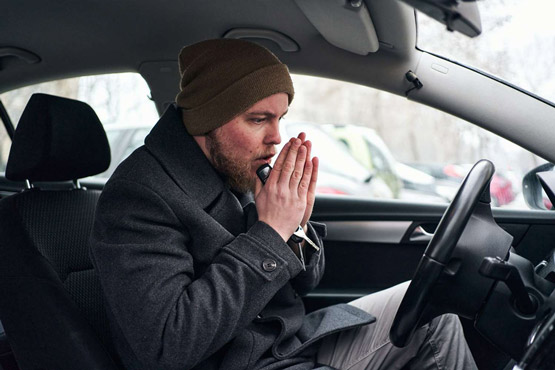
Whether you’re a new driver or a seasoned one, you’ve likely heard that you need to warm up your car before driving. Many experienced drivers often say, “The longer you warm up the car, the better.” But is that really true? The answer is simple: this old belief is obsolete. In 2026, we need to reexamine “warming up the car” with a scientific eye. This article combines the latest global research data and expert advice. It will reveal the correct answer for you. If you plan to purchase a new vehicle—whether gasoline or new energy—the right warm-up method is crucial. This applies equally to the car for sale in cambodia market.
Why has the old habit of “warming up the car for a long time” become obsolete?
Decades ago, car engines used carburetor systems. In low temperatures, the carburetor struggled to fully atomize the fuel. This made engine operation extremely unstable. Therefore, idling in place for 5 to 10 minutes—or longer—was necessary to protect the engine back then.
However, today’s cars are completely different. Modern automobiles almost all use Electronic Fuel Injection (EFI) systems and ECU computers. The computer adjusts fuel injection and ignition timing within milliseconds of a cold start. This allows the engine to run stably even when cold. Meanwhile, modern fully synthetic oils flow far better at low temperatures than past mineral oils. They flow rapidly even in severe cold of -35°C. They protect various engine parts. Therefore, prolonged idling to warm up the car is unnecessary. It may actually damage the engine.
The Scientific Warm-Up Method: Not “Waiting,” but “Driving Slowly”
Expert consensus is very clear: The engine warms up fastest under light load, not at idle. In other words, “warming up while driving” is the most efficient, scientific approach. You can summarize the procedure in these three steps:
Step One: Wait 30 seconds to 1 minute after starting the engine.
After starting, use this time to fasten your seatbelt and adjust the seat and mirrors. Observe the tachometer. The RPM starts higher, around 1200-1500 rpm. It drops to a stable 800-1000 rpm after about 30 seconds. This process lets the oil pump deliver lubricant throughout the engine. It completes initial lubrication. This brief waiting step applies even when choosing a car for sale in cambodia in tropical Southeast Asia.
Step Two: Drive slowly at low speed for 2-5 kilometers.
After engaging gear and moving, keep speed below 40 km/h. Keep engine speed under 2000 rpm. Do not step hard on the accelerator. Avoid sudden acceleration. During this phase, the engine warms faster and more evenly while moving. Components like the transmission, steering, and suspension also reach operating temperature at the same time.
Step Three: Resume normal driving after coolant temperature rises.
When the coolant gauge needle begins to rise, or the blue light turns off, you can gradually drive normally. The entire process takes only a few minutes. This is far more efficient than idling for 10 minutes.
Warm-Up Time Reference Under Different Climates
Of course, climate conditions vary greatly worldwide. Warm-up needs differ from Northern European cold to Middle Eastern heat. Below is a reference guide based on 2025-2026 global research data:
| Ambient Temperature | Recommended Idle Time | Low-Speed Driving Distance | Explanation |
| ≥10°C (Warm Regions) | 0 seconds, start driving immediately | Normal driving | Good oil fluidity, no intentional warm-up needed |
| 0°C to 9°C (Temperate Winter) | 15-20 seconds | Maintain RPM ≤2500 rpm | Catalytic converter reaches operating temperature within 45 seconds |
| -10°C to -1°C (Cold Regions) | 25-35 seconds | Maintain speed 30-45 km/h | Oil viscosity increases slightly, requiring longer circulation |
| ≤-11°C (Extreme Cold Regions) | 40-50 seconds | Maintain RPM ≤2000 rpm | Two minutes maximum, even at -30°C |
Do You Need to Warm Up the Car in Summer?
Yes, you still need to, but the time is very short. Even in hot summer, oil drains back into the pan overnight. The upper engine parts lack lubrication. Summer warm-up only requires 20 seconds to 1 minute. Once the RPM steadies, drive at low speed. Turn on the AC only after the coolant warms up. This avoids extra load on the engine.
Warm-Up Differences Among Various Vehicle Types
Not all vehicles require the same warm-up procedure. Here are recommendations for different powertrains:
Naturally Aspirated Engines: They need the shortest warm-up. 30 seconds to 1 minute is enough. Then drive at low speed.
Turbocharged Engines: The turbo bearings need extra protection during a cold start. Allow 1-2 minutes to warm up. This ensures oil fully lubricates the turbo parts. Never accelerate hard when the engine is cold. This causes dry friction in the turbo and shortens its life.
Diesel Engines: High compression and slower combustion require more time. Diesel vehicles need an extra 30 seconds of warm-up at all temperatures. In severe cold, they may need glow plugs for preheating.
New Energy Electric Vehicles: EVs lack a traditional engine, but battery preheating is crucial. Below -10°C, lithium battery efficiency can drop by 40%. Use a mobile app to start battery preheating 10-15 minutes before departure. Keep the vehicle plugged in. This uses grid power to heat the battery. It saves your driving range.
Hybrid Vehicles: Plug-in hybrids need both engine and battery warm-up. Use the app first to preheat the battery and cabin together. After starting, idle for 30-60 seconds. Drive in pure electric mode first. Switch to hybrid mode after the system fully activates.
The Four Major Hazards of Prolonged Idling to Warm Up
If you still believe “longer is better,” these facts may change your mind:
Hazard One: Increased Carbon Buildup. Idling puts the engine at low RPM and low load. This causes incomplete fuel combustion. Studies show idling over 5 minutes produces 2.3 times more carbon deposits than normal driving. These deposits clog injectors and throttle bodies. They cause power loss and higher fuel use.
Hazard Two: Accelerated Engine Wear. This sounds odd, but it is true. Idling warms the engine extremely slowly. This long “lukewarm period” increases wear from low temperature. In contrast, driving under low load warms the engine faster. It reduces total wear.
Hazard Three: Wasted Fuel and Environmental Pollution. Idling for 10 minutes burns about 0.3 liters of fuel. Research shows idling over 30 seconds raises cold-start emissions by 37%. It also lowers fuel economy by 1.4 miles per gallon over the first 10 miles.
Hazard Four: Uneven Warm-Up of the Entire Vehicle. Idling warms only part of the engine. Transmission fluid, brake fluid, and differential oil stay cold and thick. So even if the engine feels “ready,” your car as a whole is not.
Cold Start Wear: Data Tells the Truth
Many owners lack a clear picture of “cold start wear.” These figures might shock you:
- 70% of engine wear occurs in the first 3 minutes after a cold start.
- In -10°C weather, aggressive driving right after startup can raise engine wear by 300%.
- Sudden acceleration when cold causes 6 times the wear of a warm engine. Piston ring wear doubles instantly.
- A car driven hard when cold for 30,000 km may have more wear than one driven gently for 100,000 km.
These numbers prove a point. Scientific warm-up is not optional. It is a necessary step to protect the engine. Correct starting and warm-up extend vehicle life. This applies to gasoline, electric, and hybrid cars.
Different Views and Regulations on Warming Up Cars Around the World
Attitudes toward warm-up vary by region. In Northern Europe and North America, winters are harsh. Many owners use a Block Heater to preheat the engine while parked. This greatly reduces cold start wear. In Germany, traffic laws ban prolonged idling on public roads. Violators face fines. In tropical Southeast Asia, temperatures stay high year-round. Warm-up time is much shorter.
Note one key fact: The core principle remains the same everywhere. Short idle. Low-speed drive. Gradual acceleration. This rule works worldwide. It applies whether you start a pickup in frigid Canada or test-drive a car for sale in cambodia in balmy Southeast Asia. Following this principle keeps your vehicle in top shape.
Conclusion: Remember the Golden Rule of “30 Seconds + Low-Speed Driving”
Experts worldwide agree on how long to warm up a car. Modern cars do not need long idling. Remember these key points:
- Normal Temperatures (Above 0°C): Wait 30 seconds after starting. Drive at low speed. Resume normal driving after the coolant warms.
- Severe Cold Weather (Below -10°C): Idle for 40-50 seconds up to 1 minute. Two minutes is the absolute maximum. Then drive slowly.
- High Summer Temperatures: A brief 20-second to 1-minute warm-up still helps. Start driving once the RPM settles.
- New Energy Vehicles: Focus on battery preheating. Use an app to start this process before you leave.
Next time you start the car, don’t worry about “how long.” Fasten your seatbelt. Watch the RPM drop. Pull away smoothly and drive slowly. This simple habit protects your engine. It saves fuel and helps the environment. It helps your car last longer.
No matter where you drive—and whether you shop for a new car or maintain an old one—learn these scientific methods. If you watch overseas markets, like car for sale in cambodia listings, use this knowledge. It makes every trip safer and more efficient.
Looking for top-quality new or used cars? Trust DG Motors for fast, reliable service—or visit our Phnom Penh showroom today!