Contents
hide
- Understand the Decisive Factors of Residual Value
- Avoid the “Minefields” of Rapid Depreciation
- Global Car-Buying Strategy: Look at Data, Choose the Right Time
- Looking at Southeast Asia: Unique Opportunities in the Cambodian Market
- How to Leverage Cambodian Market Rules for Value Retention?
- Conclusion
In today’s global automotive market, buying a car is more than just the transaction at the moment you pay. It is a long-term investment, or more precisely, a purchase where you hope the depreciation happens as slowly as possible. Whether you are in New York, North America; Berlin, Europe; or keeping an eye on the Southeast Asian car market, the vehicle’s residual value rate is a key measure of your car-buying wisdom.
Faced with a dazzling array of choices, how can you ensure your beloved car remains “solid” when you resell it in the future? Next, we will start from a global perspective and reveal the ultimate guide to buying a value-retaining car. During this process, we will also turn our attention to the promising Southeast Asian market, such as the currently much-watched car for sale in cambodia market, to see how global patterns are confirmed there.
Understand the Decisive Factors of Residual Value
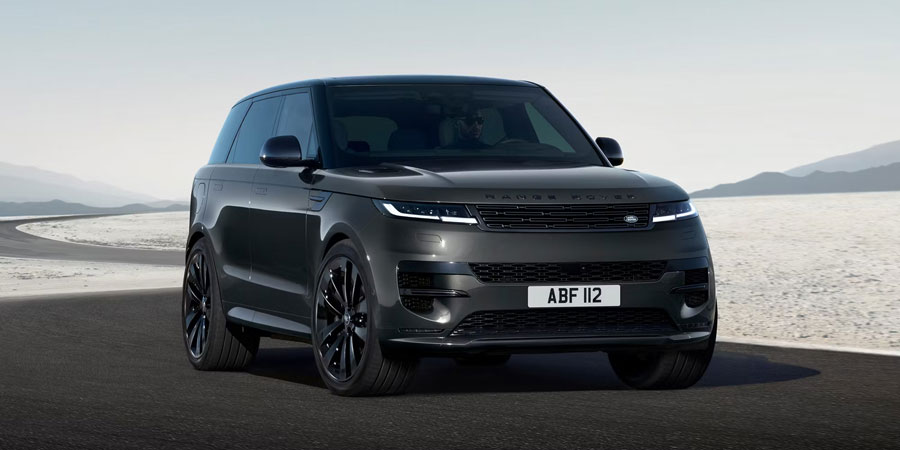
First, you need to understand which cars hold their value better. Brand influence is the universal first rule. In China, German luxury brands like Mercedes-Benz, BMW, and Audi (BBA) have consistently performed strongly. According to data from the China Automobile Dealers Association, even in 2025, the three-year residual value rates of these brands remain stable at over 50%, with some models even higher. Looking globally, the Land Rover Range Rover, in its home market of the UK and even the Middle East, sometimes sees used car prices higher than new ones, benefiting from its scarcity and cultural symbolic value.
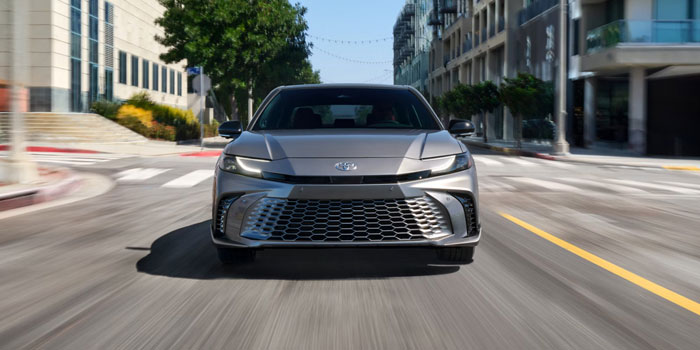
Secondly, reliability is an eternal moat. Japanese brands like Toyota, Honda, and Lexus are “hard currencies” in the global used car market. For example, in the US market, a well-maintained Toyota Camry often retains a residual value five years later that is far higher than its American counterparts in the same class. The reason is simple: buyers worldwide fear high repair costs. Japanese cars have won this trust due to their extremely low failure rates and affordable parts.
Avoid the “Minefields” of Rapid Depreciation
If you want to protect your wallet, you must avoid the traps that cause cars to depreciate quickly.
The first trap is the excessive pursuit of “top-of-the-line” models. Many buyers like to spend their budget on premium sound systems, large wheels, and panoramic sunroofs. However, in the used market, these features often don’t add value. For instance, in the Chinese market, a top-trim sedan driven for three years might depreciate 8% more than a mid-trim version. In the US, used car dealers almost never pay extra just because you installed expensive option packages.
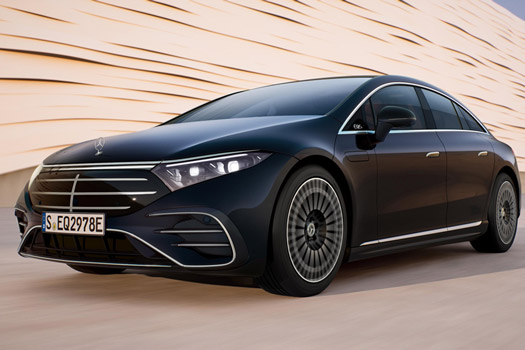
The second trap is blindly following “new technology.” Although electric vehicles are the future trend, the depreciation rate caused by technological iterations is astonishing. Take the Mercedes-Benz EQS as an example. In the US market, this flagship electric sedan has a one-year depreciation rate of up to 47.8%. A new car priced over $150,000 might only be worth $71,000 after one year. This is mainly due to consumer anxiety caused by the rapid advancement of battery technology and inadequate charging infrastructure. In Europe, due to uneven charging networks, the circulation of used electric vehicles faces similar challenges.
Global Car-Buying Strategy: Look at Data, Choose the Right Time
Smart consumers know how to use data. Before buying a car, you should refer to authoritative residual value reports. For example, in the US, you can refer to the Kelley Blue Book; in China, refer to the monthly reports released by the China Automobile Dealers Association. Data shows that mid-to-large sedans like the Mercedes-Benz E-Class or BMW 5 Series maintain extremely high value globally because they balance business and family use, appealing to a very broad audience.
Furthermore, the timing of your car purchase is also crucial. Usually, at the end of the year or just before a model facelift, dealers offer significant discounts to boost sales volumes. But you need to be cautious: an overly large discount might mean this model is about to undergo a major redesign, and the car you just bought could quickly become the “old model,” causing its used price to plummet.
Looking at Southeast Asia: Unique Opportunities in the Cambodian Market
Now, let’s turn our attention to Southeast Asia, specifically the emerging car for sale in cambodia market. If you are considering buying a car, or are engaged in the automotive trade, Cambodia is a highly valuable sample. This market vividly reflects the combination of global value-retention patterns and local policies.
Why is the Cambodian market so active? First, the young consumer demographic supports demand. Over 70% of Cambodia’s population is under 35, and they have a strong demand for high-cost-performance used cars. Here, the price of a used car is usually 30% to 50% lower than a new one, perfectly fitting the budgets of young people.
Secondly, policy dividends are being released. The Cambodian government has lowered import thresholds to meet public demand. Specifically, for private cars with an engine displacement not exceeding 3.0L, the special tax has been directly reduced by 10%; for electric vehicles, the special tax has been cut from 30% to 10%. This means that if you are considering exporting a high-residual-value Japanese or American car to Cambodia, the cost will be significantly reduced.
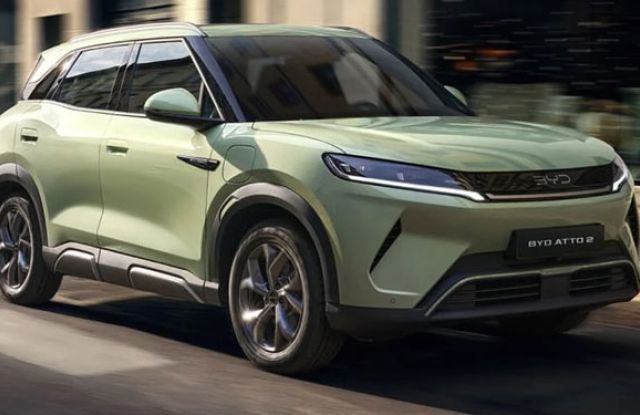
It’s worth noting that the recognition of Chinese-brand used cars in Cambodia is also increasing year by year. Brands like BYD and Chery have gained a foothold in the Cambodian market due to their high cost-performance and durability. Data shows that the circulation share of Chinese-brand used cars locally has risen for three consecutive years. Therefore, if you are looking for a car for sale in cambodia, whether it’s a classic Toyota off-roader or an emerging Chinese-brand electric vehicle, now is a good time.
How to Leverage Cambodian Market Rules for Value Retention?
If you plan to enter the car for sale in cambodia market, or are just curious about how to buy a value-retaining car there, you need to understand the local mandatory regulations. According to Cambodian customs requirements, imported used cars must be left-hand drive, typically not exceed 5 years in age, and must meet Euro 4 emission standards.
This means that when selecting your vehicle source, you must choose models with good condition and stable technology. For example, a 2022 Toyota Highlander (made in the USA) or a 2023 Ford Ranger (produced in Thailand) would be compliant and sought-after resources in Cambodia. Their residual value rates would naturally be high. Furthermore, although regular taxes and fees (import duty, value-added tax, special tax) might total around 50% of the vehicle’s declared value, the 0% tariff policy for American-origin vehicles undoubtedly adds significant weight to the value retention of specific models.
Conclusion
Buying a value-retaining car is essentially a game about information, timing, and strategy. You need to avoid experimental products with immature technology and choose the “hard currency” that has stood the test of the market over time. You need to restrain impulses for flashy features and return to the pursuit of reliability and practicality. You also need to look globally and pay attention to market dynamics in rising regions like Cambodia.
Remember, whether you are considering getting a car for sale in cambodia or choosing a Mercedes-Benz in Germany, the car that loses you less money when you sell it in the future is the truly good car. Stay rational, do your homework, and let today’s consumption decisions become the cornerstone of tomorrow’s asset preservation.
Looking for top-quality new or used cars? Trust DG Motors for fast, reliable service—or visit our Phnom Penh showroom today!