Contents
hide
- 1. Heavy Rain and Floods: Maintaining Visibility and Avoiding Water
- 2. Snow and Ice: Balancing Low Speed and Traction
- 3. High Temperatures and Dust Storms: Preventing Mechanical Failure
- 4. Strong Winds and Typhoons: Key to Vehicle Stability
- 5. Choosing a Vehicle Suitable for Extreme Weather
- 6. Emergency Equipment: A Globally Essential Safety Reserve
- 7. Information Gathering and Trip Planning
- Conclusion
As climate change intensifies, extreme weather has become a shared challenge for drivers around the world. Whether you are navigating torrential rains in Southeast Asia or facing blizzards in North America, mastering the correct safe driving techniques is essential. In the market for a car for sale in Cambodia, an increasing number of buyers are focusing on a vehicle’s ability to handle harsh weather—a trend that reflects a growing awareness of safety among drivers globally. This article provides a practical set of safe driving strategies to help you confidently tackle any extreme weather conditions.
1. Heavy Rain and Floods: Maintaining Visibility and Avoiding Water
When a heavy rainstorm hits, first and foremost, you must immediately turn on your low-beam headlights and fog lights. Many drivers mistakenly use hazard lights, which can confuse other road users. We recommend reducing your speed to below 40 kilometers per hour.
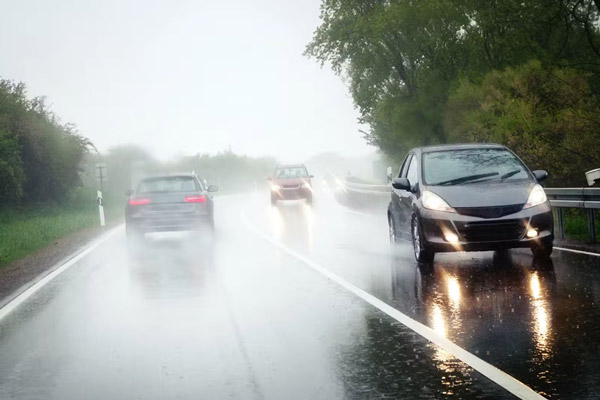
Road surfaces become particularly slippery during the rainy season. If you encounter a flooded section of road, be sure to stop and assess the situation. If the water depth exceeds half the height of your tires, do not attempt to drive through. If your vehicle stalls in floodwaters, never restart the engine. At this point, water entering the engine can cause severe damage.
You need to maintain a following distance of at least four seconds from the vehicle ahead. On dry roads, this figure is two seconds, but in rainy conditions, it must be doubled. Additionally, you should regularly check your windshield wiper blades, as they significantly improve visibility during heavy rain.
2. Snow and Ice: Balancing Low Speed and Traction
In Nordic countries and Canada, winter driving is practically an essential skill for every vehicle owner. The core principle on snowy and icy roads is “gentleness.” You must accelerate gently, brake gently, and steer gently. Sudden maneuvers can cause your tires to lose traction.
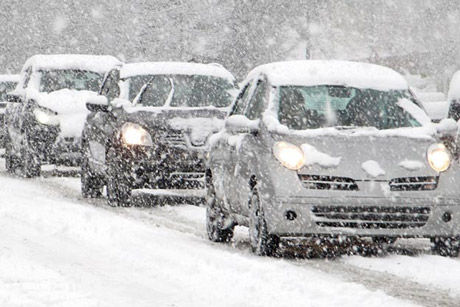
Winter tires are essential for snowy and icy roads. These tires use a specialized rubber compound that remains flexible even below freezing. If you live in a region with harsh winters, do not attempt to substitute all-season tires.
On uphill sections, you need to maintain a steady speed and avoid stopping midway. When going downhill, use engine braking rather than relying solely on the brake pedal. If your vehicle begins to skid, remember: steer in the direction you want to go, not in the direction the vehicle is sliding. This technique is effective worldwide.
3. High Temperatures and Dust Storms: Preventing Mechanical Failure
In Middle Eastern and North African countries, extreme heat poses a severe test for automobiles. In high-temperature environments, the engine cooling system is the most vulnerable. You should regularly check the coolant level and use the mixture ratio recommended by the manufacturer.
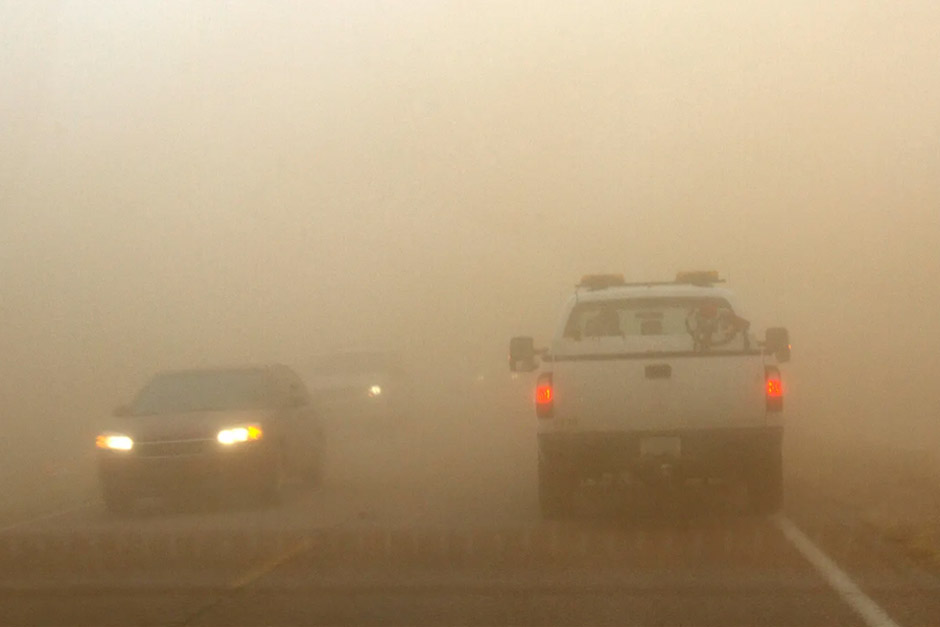
When a dust storm hits, visibility can suddenly drop to just a few meters. In this situation, you should immediately turn on your headlights and fog lights, and slowly move your vehicle off the main road. Never drive at high speed in blowing dust. The air filter plays a critical role at this time, effectively protecting the engine from dust intrusion.
Furthermore, tire pressure can increase significantly in hot weather. You should check tire pressure when the tires are cold and strictly adhere to the values recommended in your vehicle’s manual. Overinflated tires increase the risk of a blowout, a risk common in high-temperature regions globally.
4. Strong Winds and Typhoons: Key to Vehicle Stability
In coastal areas and countries along typhoon paths, driving in strong winds is an essential skill. When encountering strong crosswinds, you need to grip the steering wheel firmly with both hands and steer slightly into the direction the wind is coming from. Large vehicles such as SUVs and high-roof vans are more noticeably affected by wind.
In the Philippines, many drivers reduce their speed to below 60 kilometers per hour during typhoon season. You should avoid driving on bridges, elevated sections, or open areas, as wind forces are stronger in these locations. If the wind becomes strong enough to cause significant vehicle sway, the safest option is to find a sheltered spot to park and wait.
Cargo and roof boxes significantly increase the surface area affected by wind. Therefore, before strong winds arrive, we recommend removing roof boxes. This simple action can greatly enhance vehicle stability.
5. Choosing a Vehicle Suitable for Extreme Weather
Globally, an increasing number of drivers are considering a vehicle’s ability to handle extreme weather as an important factor when purchasing. In the market for a car for sale in Cambodia, models equipped with all-terrain tires, higher ground clearance, and stability control systems are favored by consumers.
A well-maintained used off-road vehicle typically costs between $10,000 and $25,000 in Cambodia. Such vehicles often possess greater wading depth and off-road capability. No matter where in the world you buy a car, please pay close attention to inspecting the following items: the condition of the brake system, tire tread depth, all lighting functions, and the efficiency of the air conditioning system. These components are directly related to your safety in extreme weather.
6. Emergency Equipment: A Globally Essential Safety Reserve
Whether you are driving in the United States or traversing the Australian outback, a comprehensive set of emergency equipment is indispensable. We recommend carrying the following items in your vehicle:
- First aid kit
- Emergency power source or jumper cables
- Reflective warning triangles and reflective vest
- Spare phone power bank
- Thermal blanket and drinking water
- Basic tool kit
In France, the law mandates that all vehicles carry a reflective vest and warning triangle. This regulation is a practice worth emulating for drivers worldwide. These items are not costly but can play a vital role in emergencies.
7. Information Gathering and Trip Planning
In extreme weather, gathering information before setting out is crucial. You should obtain real-time road conditions through local meteorological departments or official traffic websites. In Japan, the “Special Warning” issued by the Japan Meteorological Agency provides several hours’ advance notice of extreme weather, allowing drivers to adjust their travel plans accordingly.
Additionally, you should inform family or friends of your itinerary, including your planned route, estimated arrival time, and alternative plans. This practice is particularly important when driving in remote areas.
Conclusion
The core principles of safe driving in extreme weather are preparation, correct technique, and calm response. Although climatic conditions vary around the world, the principles of safety are highly consistent. From managing visibility in heavy rain to mastering control techniques on snow and ice, and maintaining your vehicle in high heat, every skill is worth mastering.
Keeping your vehicle in optimal condition and continuously improving your own driving skills—these two elements combined are your most reliable guarantee for handling any extreme weather conditions worldwide.
Looking for top-quality new or used cars? Trust DG Motors for fast, reliable service—or visit our Phnom Penh showroom today!