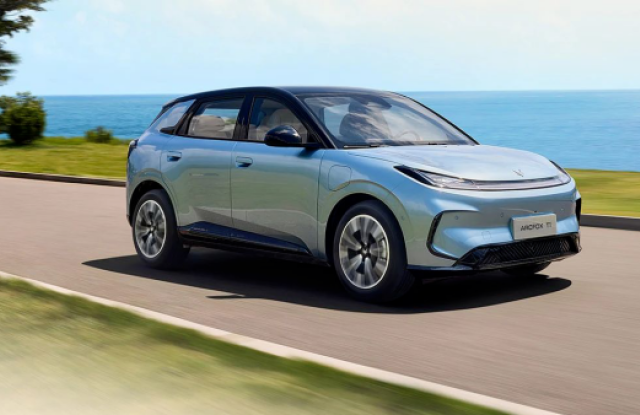
China’s electric vehicle (EV) industry has emerged as a global leader through technological innovation, integrated supply chains, and economies of scale. This article compares Chinese and foreign automakers across key dimensions, highlighting China’s strengths in battery technology, cost efficiency, market dominance, and product competitiveness.
1. Battery Technology: Global Leadership
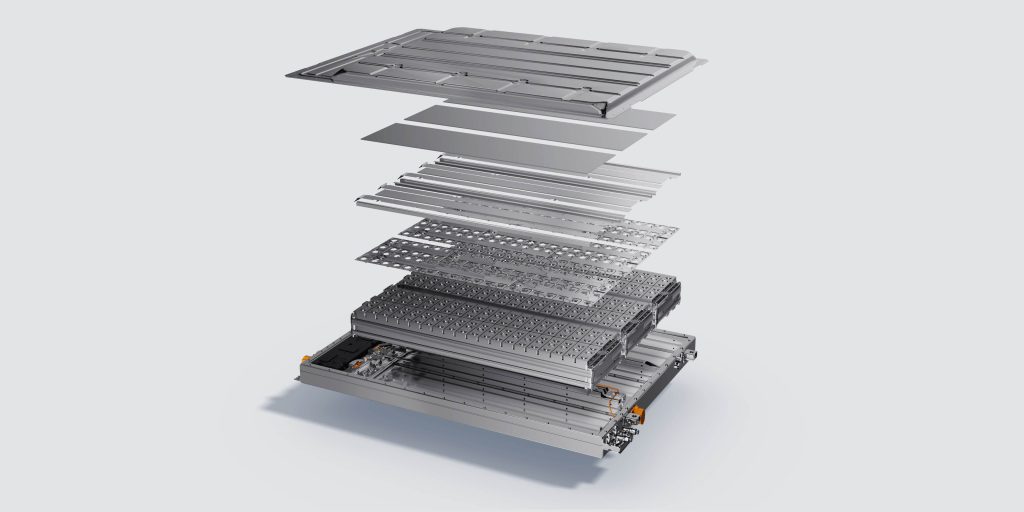
Chinese firms dominate the battery sector. CATL, the world’s largest battery supplier, leverages its Cell-to-Pack (CTP) technology to enhance energy density. China controls the entire lithium-ion battery supply chain, from mining (41% of global cobalt and 50% of lithium refining) to cell production, enabling cost advantages—Chinese batteries cost half those produced in Europe or the U.S.. While Tesla’s 4680 cells and LG’s high-nickel batteries excel in energy density, their higher costs limit scalability.
2. Supply Chain and Cost Efficiency
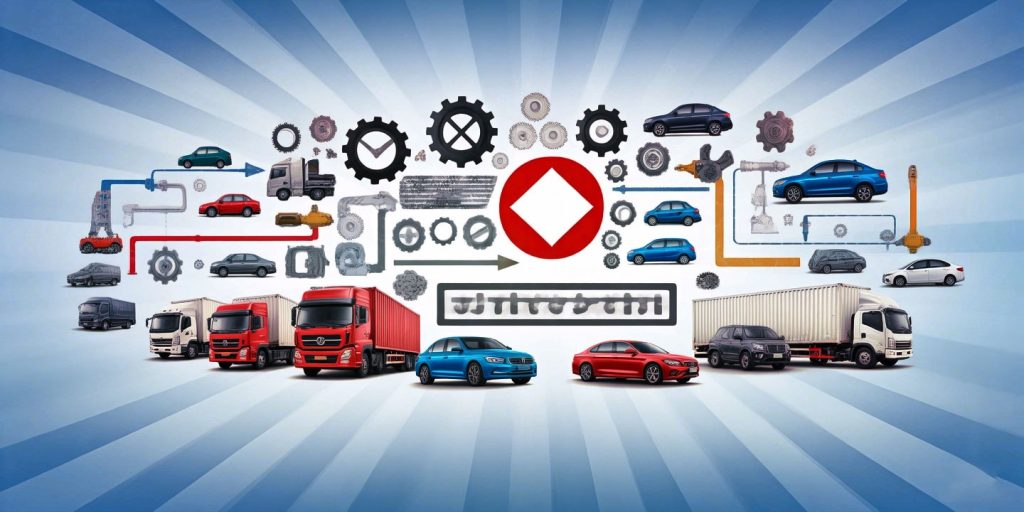
China’s vertically integrated supply chain covers 92% of anodes, 77% of cathodes, and 82% of electrolytes globally. This agglomeration reduces production costs by 30%-40% compared to Western counterparts. In contrast, U.S. reliance on Japanese and Korean suppliers creates fragmentation. China’s control over critical minerals (e.g., lithium and cobalt) further secures resource stability.
3. Market Performance: Scale and Export Growth
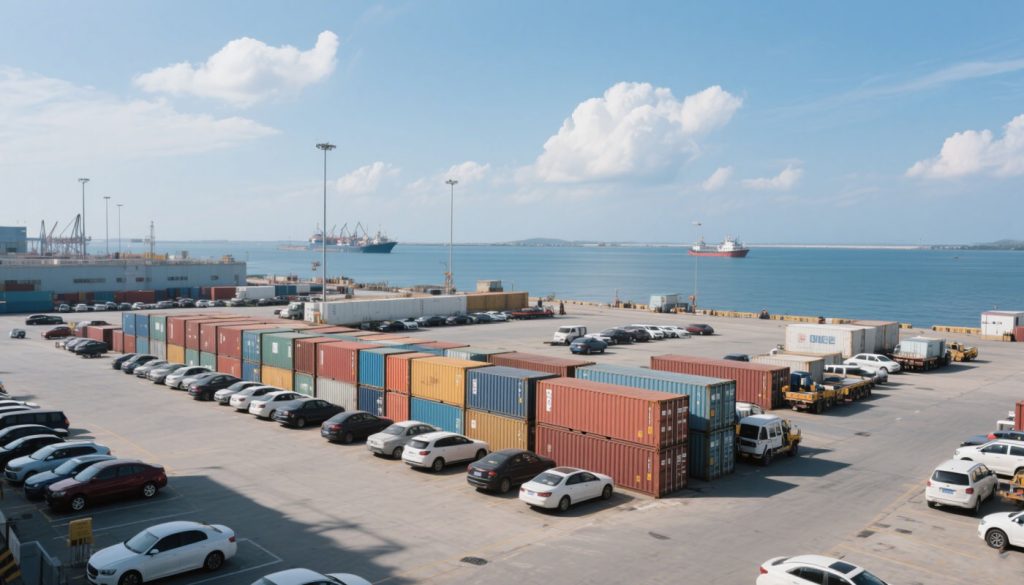
China has been the largest EV producer and consumer for eight consecutive years, accounting for 44% of global EV production (2010-2020). In 2023, EV exports surged over 100% year-on-year, with an average export price of $20,600. Chinese brands like BYD and NIO are gaining traction in Europe, exporting 564,000 units to Western Europe in 2023 versus 48,000 to North America. Offering 136 EV models, China caters to diverse consumer needs, while Western automakers focus on premium segments.
4. Innovation and Product Competitiveness
Chinese EVs excel in winter performance and affordability. In Norway’s cold-weather tests, four of the five least range-affected models were Chinese, priced lower than competitors. Innovations like BYD’s blade batteries and CSR Zhuzhou’s supercapacitor systems underscore China’s R&D prowess. Rapid technological iteration—e.g., a tenfold increase in driving range within a decade—and advanced features (AI-driven infotainment, autonomous driving) narrow the gap with foreign brands.
Conclusion
China’s EV industry leads through integrated supply chains, cost control, and relentless innovation. While Western automakers retain advantages in premium branding and niche technologies, China’s scale, agility, and export momentum position it to redefine the global automotive landscape. As Chinese brands expand overseas networks, their global influence will continue to grow.
Looking for top-quality new or used cars? Trust DG Motors for fast, reliable service—or visit our Phnom Penh showroom today!