

As the automotive industry embraces electrification and diverse mobility needs, many global car buyers now hesitate between pure electric and hybrid models. The newly launched Dongfeng Nissan N7, a pure electric mid-to-large-size sedan, directly competes with the all-new Toyota RAV4 hybrid SUV.
These two vehicles represent different technological paths and user experiences. Whether you’re shopping in the Chinese market or exploring the car for sale in Cambodia market, Europe, or the Americas, understanding their core differences will help you make a wiser decision.
01 Model Market Positioning
Dongfeng Nissan launched the Nissan N7 in April 2025, positioning this pure electric mid-to-large-size sedan as an “ultra-comfortable mid-to-high-end pure electric sedan.” The company developed it using their new Tianyan architecture, while the Nissan China team designed both exterior and interior.
This new model offers five configurations, with prices ranging from 119,900 to 149,900 RMB (approximately $16,600 – $20,800 USD).
Conversely, the Toyota RAV4 ranks among the world’s best-selling compact SUVs. Toyota debuted its sixth-generation model globally in May 2025, featuring exclusively hybrid and plug-in hybrid systems. The new RAV4 provides three powertrain choices and adopts the overseas Woodland off-road package for a more rugged style.
As a global strategic model, the RAV4’s pricing varies across markets, starting around $33,000 USD overseas (approximately 238,000 RMB).
02 Exterior Design Comparison
The Nissan N7 follows a fashionable, tech-oriented route with its semi-enclosed front fascia design. Additionally, it features popular split-type full-width headlight clusters and an illuminated Nissan logo.
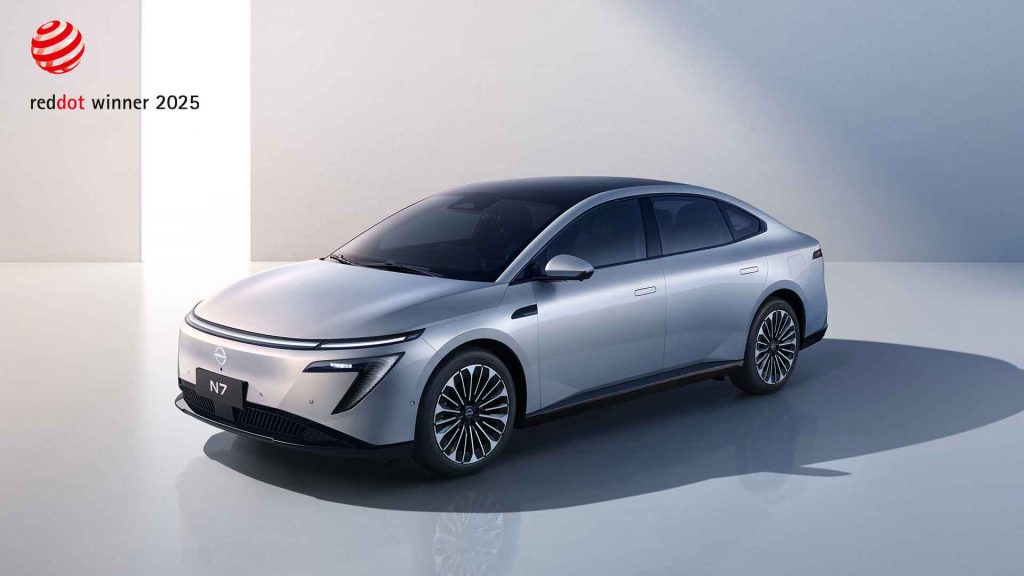

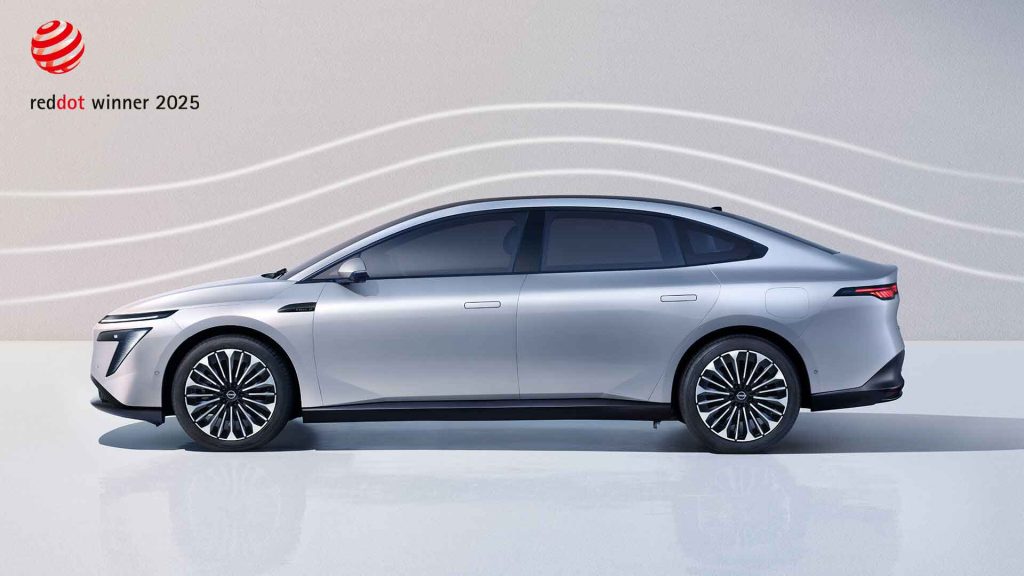
Its side profile uses a fastback silhouette combined with a 0.168 body ratio and hidden door handles, achieving an impressive 0.208Cd drag coefficient. Furthermore, details like frameless doors and rising speakers enhance both tech appeal and sporty attributes.
Meanwhile, the Toyota RAV4 continues its tough styling tradition. The new generation’s front end adopts Toyota’s latest family-style C-shaped headlight clusters, paired with a trapezoidal black grille and rectangular air intake.
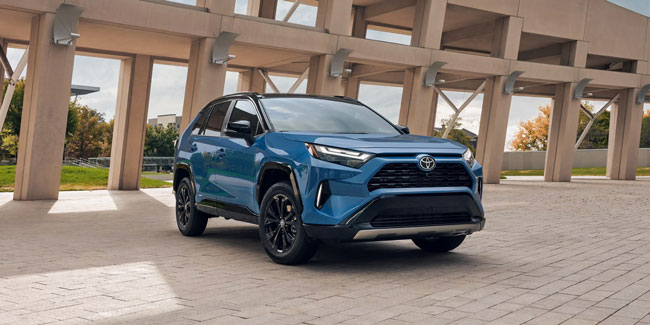
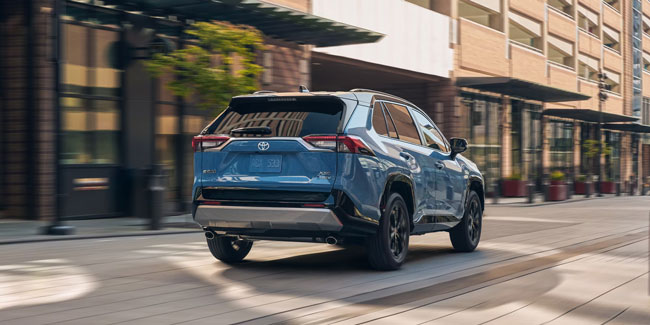
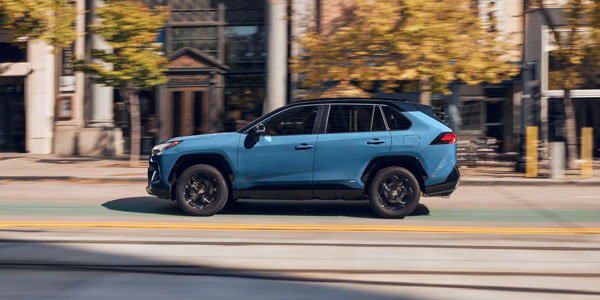
The rear section connects tail lights through a black panel, with internal light strips arranged vertically. Moreover, the body length increases by 20mm over the previous generation, reaching 4620mm while maintaining the SUV’s robust visual presence.
03 Interior and Comfort
The Nissan N7 creates a tech-focused cockpit featuring a striking 15.6-inch 2.5K central touchscreen and 10.25-inch digital instrument cluster. Together, these elements form the primary information interface.
Its infotainment system features the NISSAN OS intelligent cockpit, while the high-end version utilizes the Qualcomm Snapdragon 8295P chip for smoother operation.
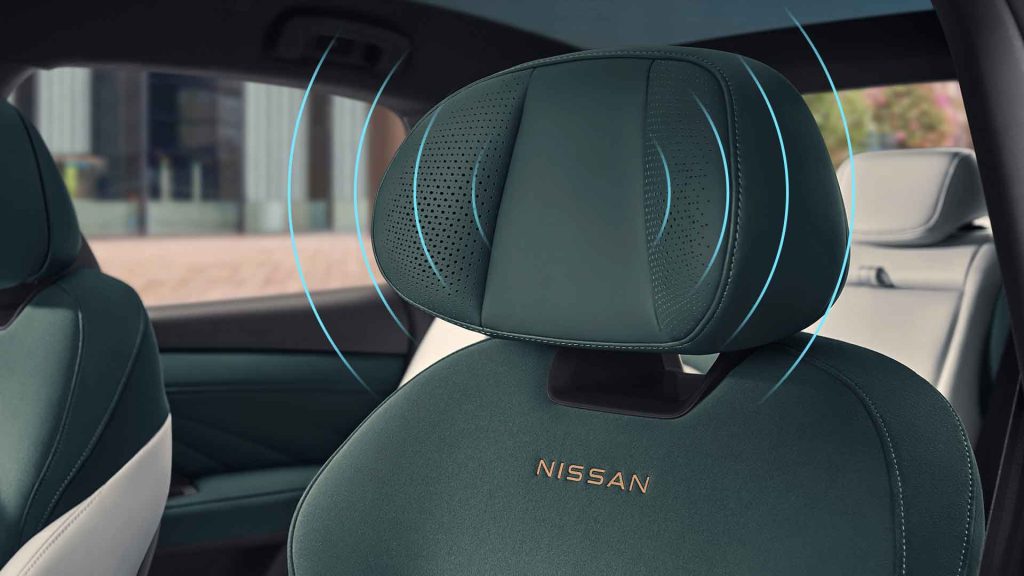
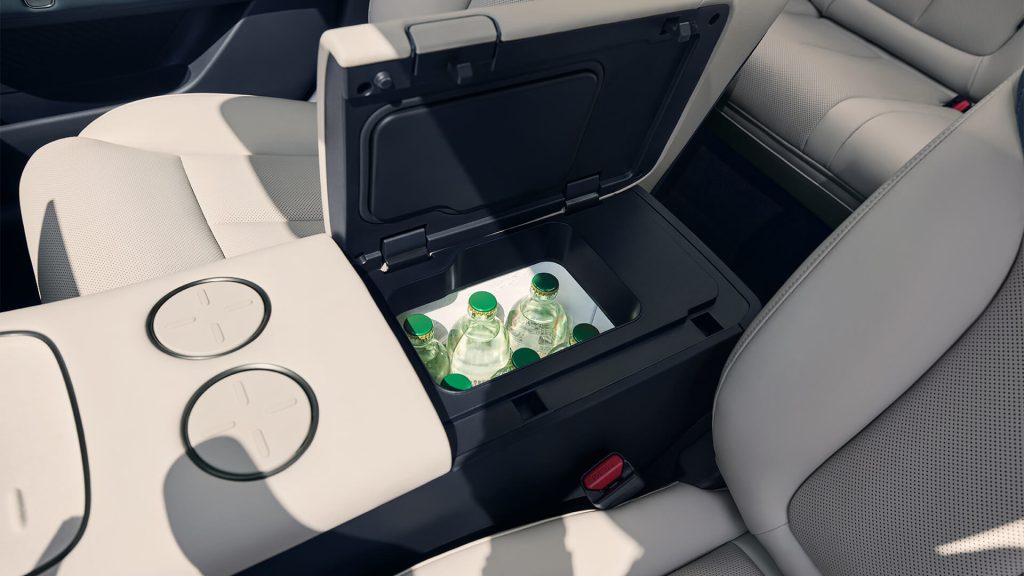
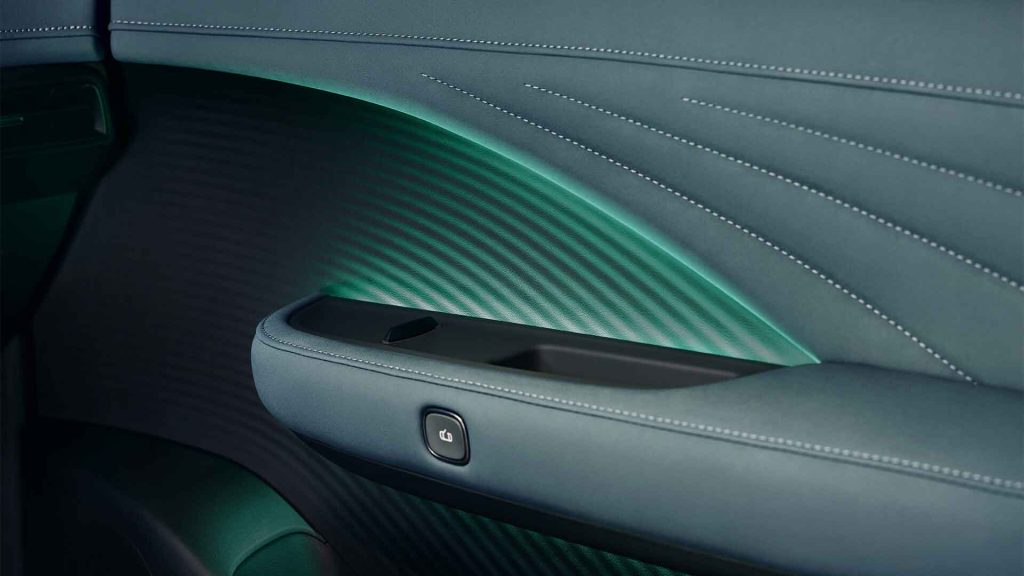
Notably, the AI Zero-Pressure Cloud Cushion Seats represent an N7 highlight, incorporating 49 built-in sensors and AI adaptive algorithms. These seats support electric adjustment, massage functions, and active side bolsters.
In contrast, the Toyota RAV4 emphasizes practicality with its completely refreshed interior layout. It features a new multi-function steering wheel, 8.8-inch full LCD instrument panel, and 15.6-inch floating central touchscreen.
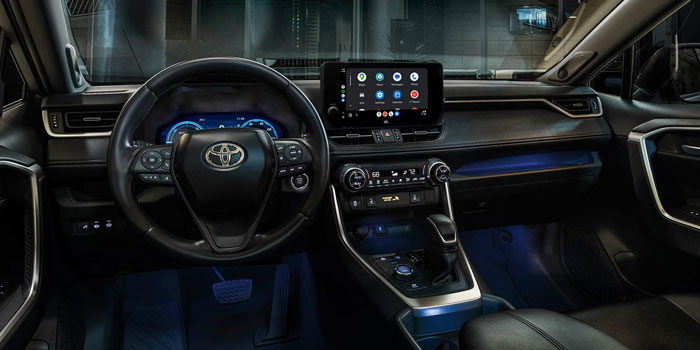
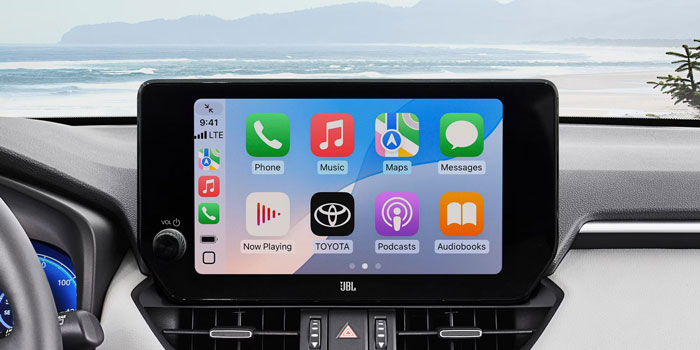
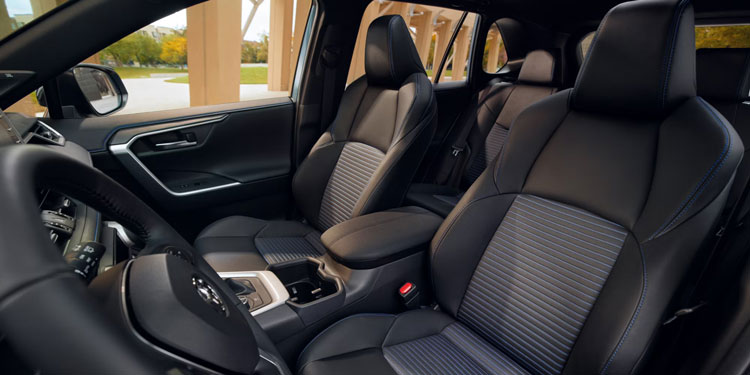
Compared to the N7, the RAV4 retains more physical buttons to facilitate easier operation while driving. The system uses the Qualcomm 8155 chip and supports three connectivity options: CarLife, CarPlay, and Huawei HiCar.
04 Performance and Powertrain Systems
The Nissan N7 utilizes pure electric drive, offering two powertrain configurations. The low-power version delivers 160kW (218 hp) maximum power, accelerating 0-100 km/h in 8.5 seconds, while the high-power version provides 200kW (272 hp), achieving 0-100 km/h in 6.9 seconds.
Battery options include 58kWh and 73kWh LFP packs, providing CLTC ranges of 510 km and 625 km respectively.
Furthermore, 400V fast-charging technology supports 3C charging, enabling batteries to charge from 30% to 80% in just 14 minutes, or from 10% to 80% in only 19 minutes.
Meanwhile, the Toyota RAV4 adopts full hybridization across its new generation. It offers 2.0L hybrid and 2.5L hybrid systems, with the 2.5L version’s engine power increasing to 136kW. Consequently, system comprehensive power reaches 226 horsepower in two-wheel drive versions.
The hybrid version eliminates range anxiety while achieving low fuel consumption of 4.3L/100km under WLTC conditions. Additionally, all models standardly include the DTC Dynamic Torque Control AWD system, allowing front/rear axle torque distribution to vary freely between 100:0 and 50:50.
05 Smart Technology Comparison
The Nissan N7 features an advanced driving assistance system developed with Momenta. This ProPILOT system uses a vision-based approach and NVIDIA DRIVE Orin X chip.
It supports both Highway Navigate on Autopilot (NOA) and Urban Memory Navigate on Autopilot (NOA), enabling high-level automated driving assistance on specific road sections.
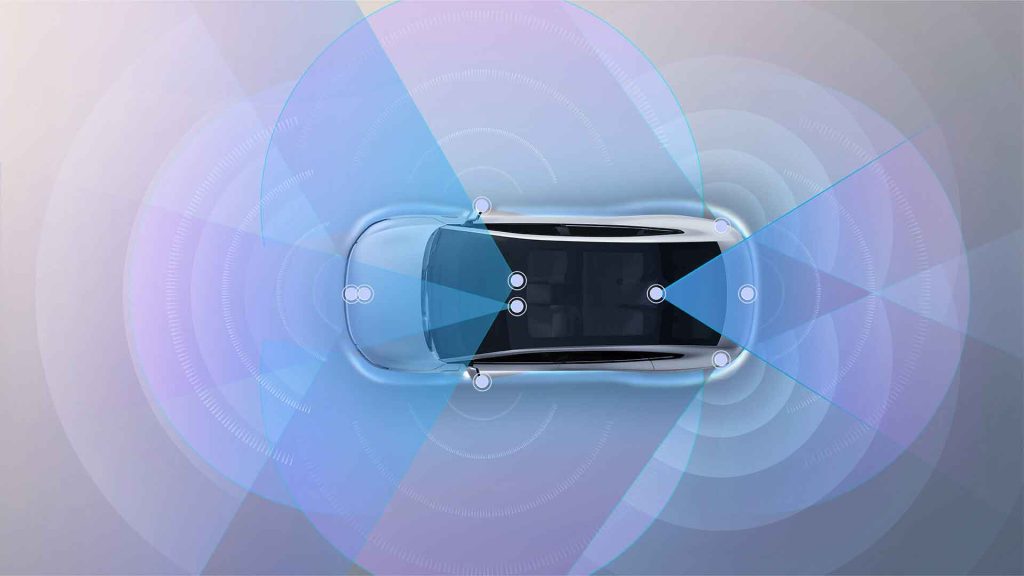
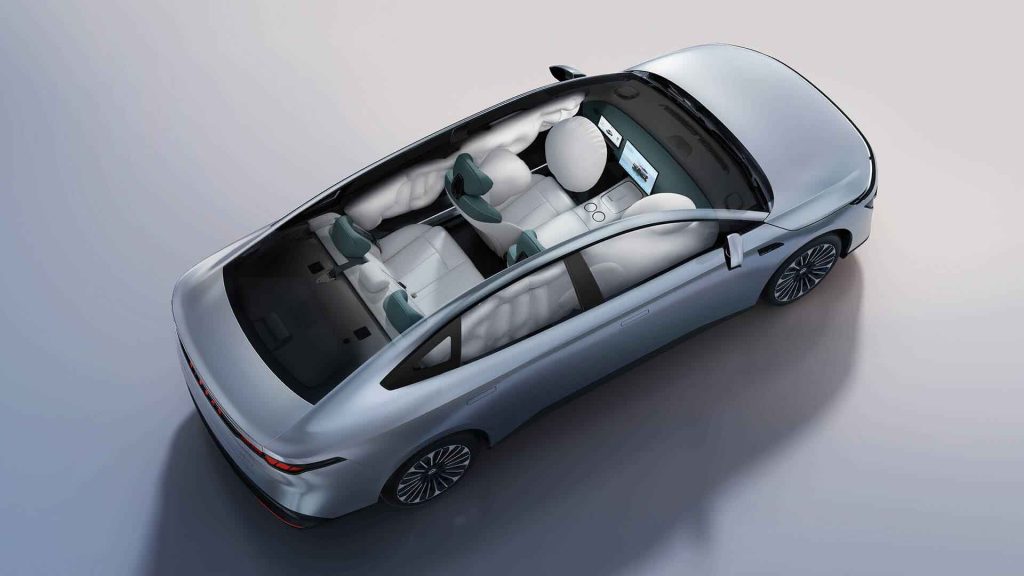
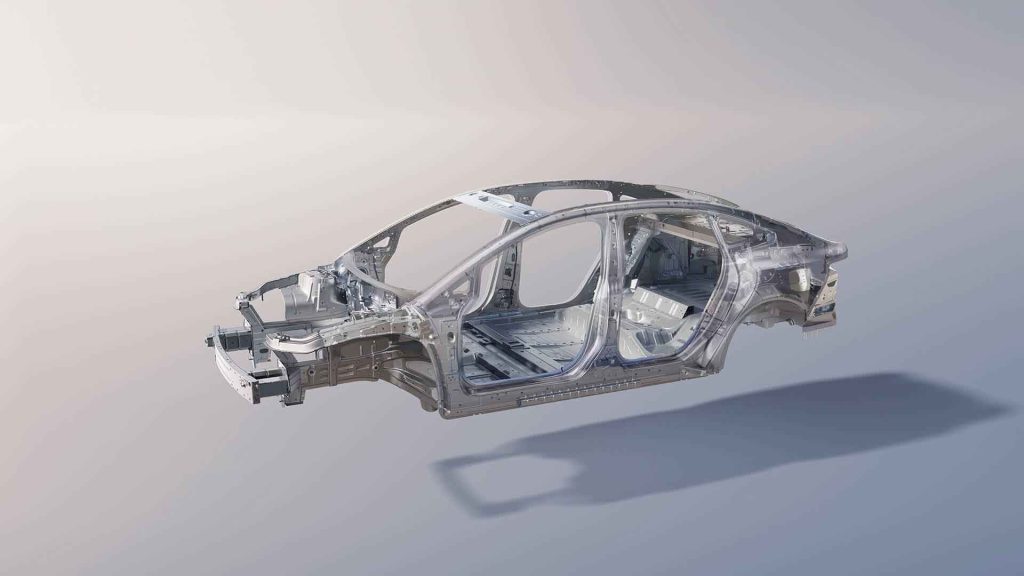
Moreover, the quad-zone AI voice assistant “Xiao Ni” integrates with iFlytek’s Spark model and DeepSeek-R1 model, delivering more natural voice interaction capabilities.
Conversely, the Toyota RAV4 offers comprehensive safety features through its Toyota Safety Sense 4.0 system. The hardware detection range now extends to 200 meters, with accuracy improved by 30%.
New functions include Active Lane Change Assist and Intelligent Evasion, providing extensive active safety protection. Furthermore, high-end models feature 12.3-inch full LCD instrument panels and 12.3-inch central touchscreens for rich information display.
06 Global Price Comparison
The Nissan N7 maintains affordable pricing, selling in China for 119,900 – 149,900 RMB (approximately $16,600 – $20,800 USD).
Even in the car for sale in Cambodia market, prices shouldn’t rise significantly, since Dongfeng Nissan positions the N7 as a cost-effective global electric vehicle.
However, the Toyota RAV4 targets a more premium segment, with overseas pricing starting at $33,000 USD (approximately 238,000 RMB). In China, the final price might exceed 300,000 RMB.
The 2.5 Hybrid flagship version costs 1.38 million NTD in Taiwan region (approximately $45,000 USD).
Importantly, prices for identical models vary significantly between countries due to taxes and transportation costs. Particularly in the car for sale in Cambodia market, import tariffs substantially impact final pricing.
07 Global Market Adaptability
The Nissan N7 suits urban environments best. As a pure electric vehicle, it performs optimally where charging infrastructure is well-developed. Its 510-625 km range sufficiently covers daily commuting and trips around the city.
Additionally, 3C fast-charging technology allows users in supported areas to replenish range extremely quickly.
Meanwhile, the Toyota RAV4 adapts to diverse scenarios. Its hybrid system ensures uninterrupted travel even where charging infrastructure is underdeveloped. The excellent AWD system and higher ground clearance enable handling various road conditions.
The newly added 1.5kW external discharge function further expands outdoor usage scenarios. Therefore, for Southeast Asian markets, including the car for sale in Cambodia market, the RAV4 likely offers more extensive adaptability.
When choosing between the Nissan N7 and Toyota RAV4, first identify your primary usage scenario. If you mainly commute urban areas with convenient charging access, the Nissan N7 demonstrates significant electrification and intelligent advantages.
Conversely, if you need a global vehicle handling various road conditions without range anxiety—especially in regions like the car for sale in Cambodia market—the Toyota RAV4 represents a safer choice.
Ultimately, both vehicles showcase their brands’ latest technological directions. Whichever you select, you’ll enjoy the convenience and comfort of modern automotive technology.
Looking for top-quality new or used cars? Trust DG Motors for fast, reliable service—or visit our Phnom Penh showroom today!


