

As competition in the global hybrid SUV market intensifies, the 2024 Toyota Venza and Honda CR-V have become the focus of many consumers due to their excellent fuel economy and practical performance. This article will provide an in-depth comparison of these two popular models from multiple perspectives, helping you predict which one is more likely to come out on top in the 2025 market.
01 Market Positioning and Pricing Strategy
In the hybrid SUV market, price is often the first factor consumers consider. Although the 2024 Toyota Venza and Honda CR-V are positioned similarly, their pricing strategies show distinct differences.
The starting price of the 2024 Toyota Venza is $34,920, with a slight adjustment of about $300 compared to the previous model. The starting price for the top-tier Limited trim reaches $43,065. This model clearly follows a high-end, premium route, offering only a hybrid powertrain across the entire lineup.
In contrast, the Honda CR-V’s pricing strategy is more flexible. Taking the 2024 240TURBO two-wheel-drive Vitality 5-seat version as an example, the guide price is 185,900 yuan (approximately $26,000), but the actual dealer price after promotions can be as low as 126,900 yuan (about $17,800). Clearly, the Honda CR-V gains an advantage in value for money through aggressive promotional pricing.
From a price perspective, the Honda CR-V undoubtedly lowers the entry barrier for hybrid SUVs. However, the 2024 Toyota Venza sticks to its high-quality positioning, targeting consumer groups with higher demands for vehicle quality.
02 Exterior Design and Interior Quality
Exterior design is an important factor influencing consumer choices, and these two models exhibit completely different design philosophies in this regard.
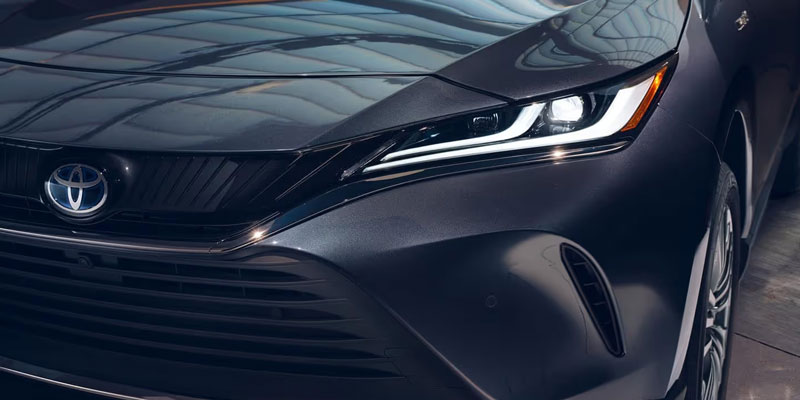
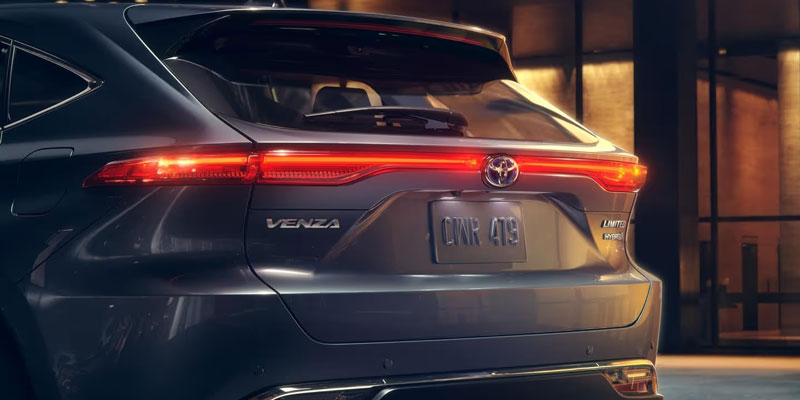
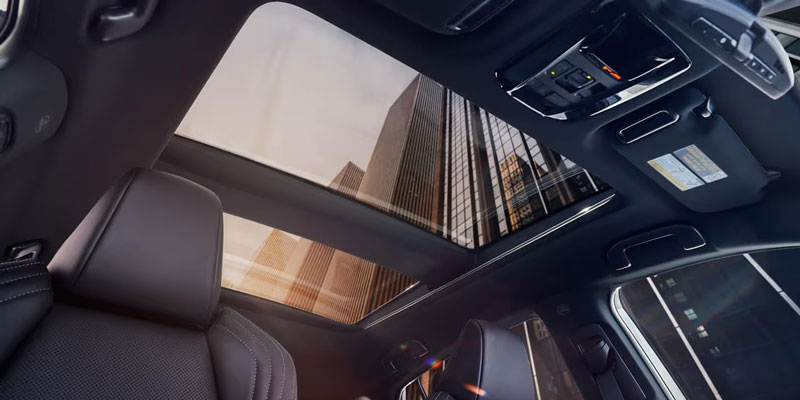
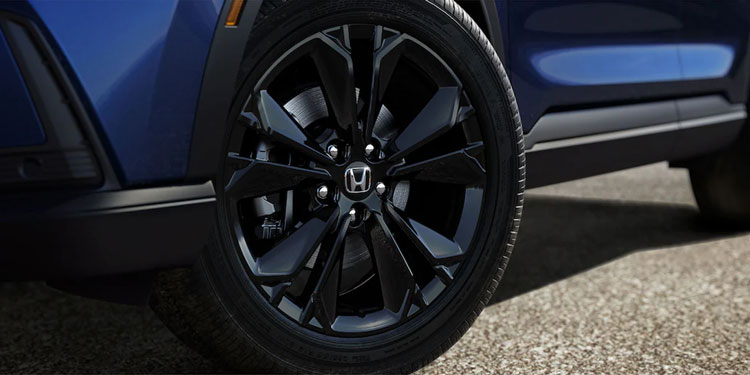
The 2024 Toyota Venza features elegant and smooth exterior lines, presenting a more refined visual appeal. The Limited trim further enhances its high-end positioning with a silver roof rack, chrome accents, and 19-inch wheels. It is worth mentioning that the Venza also offers a Nightshade Edition version, which uses black finishes on the headlight bases, exterior mirror caps, door handles, and other areas, catering to consumers who prefer a sportier look.
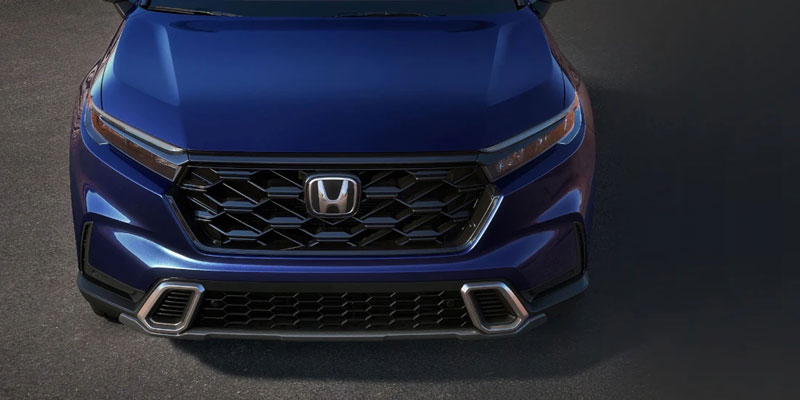
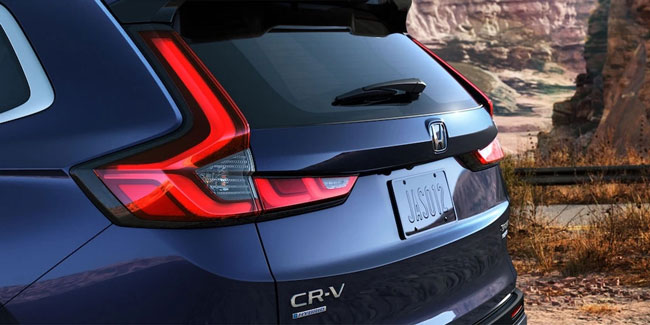
The Honda CR-V maintains a more traditional and practical SUV shape, with dimensions of 4703×1866×1680mm, focusing overall on spatial efficiency and functionality.
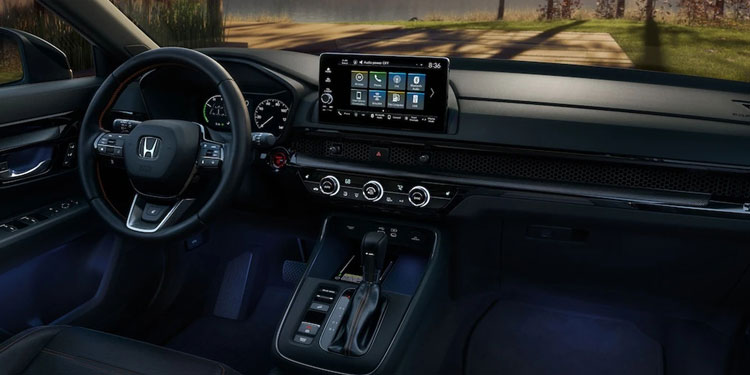
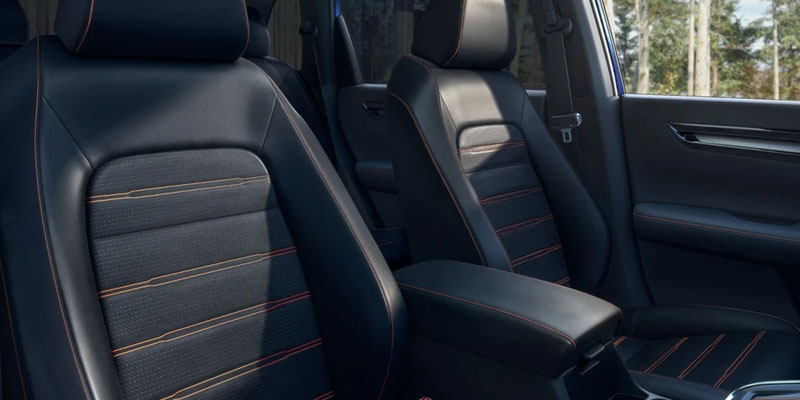
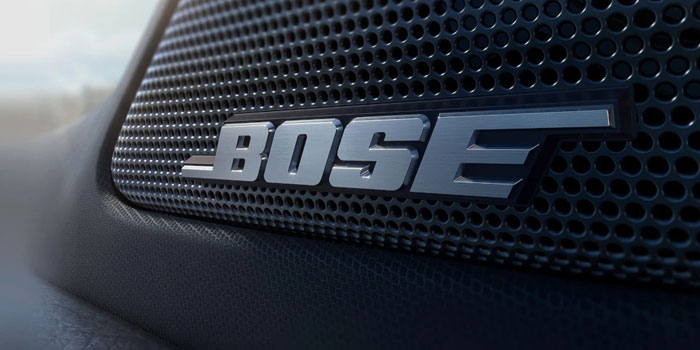
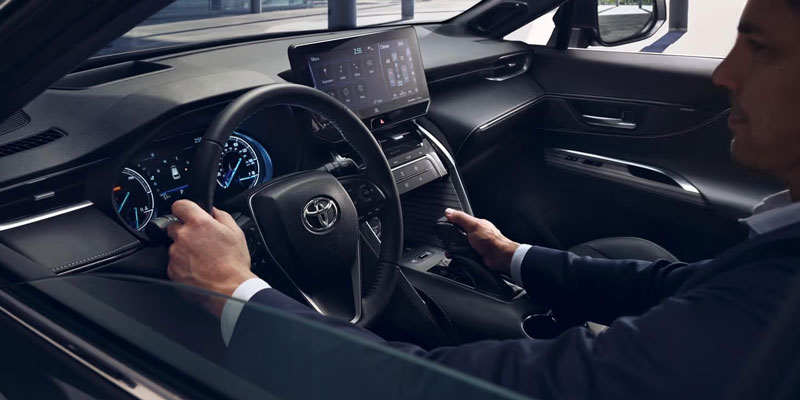
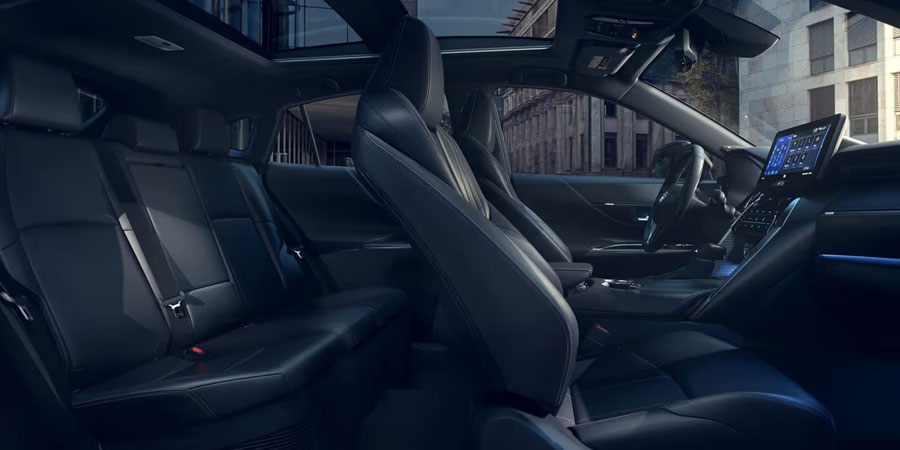
Inside the cabin, the differences between the two models become even more apparent. The interior of the 2024 Toyota Venza exudes a noticeable luxury atmosphere, with the LE trim featuring standard leather-wrapped power steering wheel, wireless smartphone charging pad, and a 6-speaker audio system. The Limited trim upgrades to a dual 12.3-inch display configuration and adds a head-up display and heated steering wheel.
The Honda CR-V’s interior, on the other hand, emphasizes practicality, offering interior color choices such as black and black/brown. While not as luxurious as the Venza, its functional layout is reasonable and user-friendly.
03 Powertrain and Fuel Economy
As hybrid SUVs, powertrain performance and fuel economy are undoubtedly the core indicators that consumers care about most.
The 2024 Toyota Venza uniformly features a 2.5L hybrid system across all trims, combining an A25A-FXS inline four-cylinder engine with an electric motor. This system delivers a total output of 219 horsepower, with power transmitted through an e-CVT.
In terms of fuel economy, the Venza performs excellently, achieving an average fuel consumption of approximately 17 km/L (40 mpg). The vehicle also offers multiple driving modes, including EV, ECO, NORMAL, and SPORT, allowing drivers to choose based on road conditions and personal preferences.
The Honda CR-V offers more diverse powertrain options. In addition to the conventional 1.5T 193 horsepower L4 turbocharged engine, it also provides a 2.0L e:HEV hybrid system to meet different consumer needs. The hybrid version of the CR-V has a WLTC combined fuel consumption of 5.49 L/100km, balancing power demands with fuel efficiency.
From the perspective of powertrain diversity, the Honda CR-V gives consumers more freedom. Meanwhile, the 2024 Toyota Venza focuses on optimizing the performance of a single hybrid system, offering a purer new energy driving experience.
04 Technology Features and Safety Performance
In today’s automotive market, technology features and safety performance have become indispensable selling points.
The 2024 Toyota Venza is quite rich in technology features. The LE trim comes with a 7-inch digital instrument panel and an 8-inch multimedia system, supporting wireless Apple CarPlay and Android Auto connectivity. The Limited trim goes a step further, upgrading to a dual 12.3-inch display configuration, enhancing the tech-savvy feel.

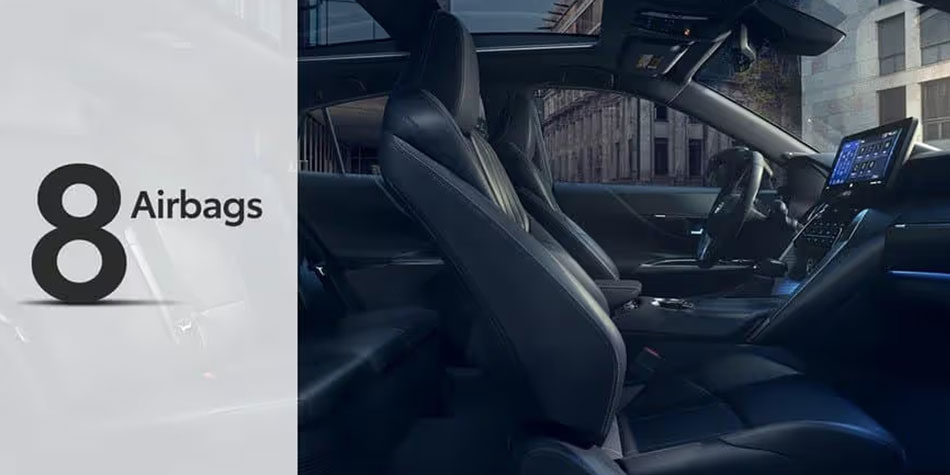

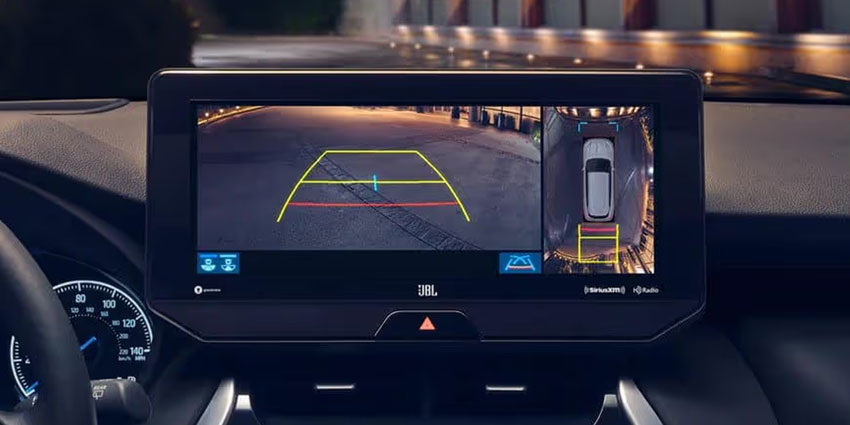
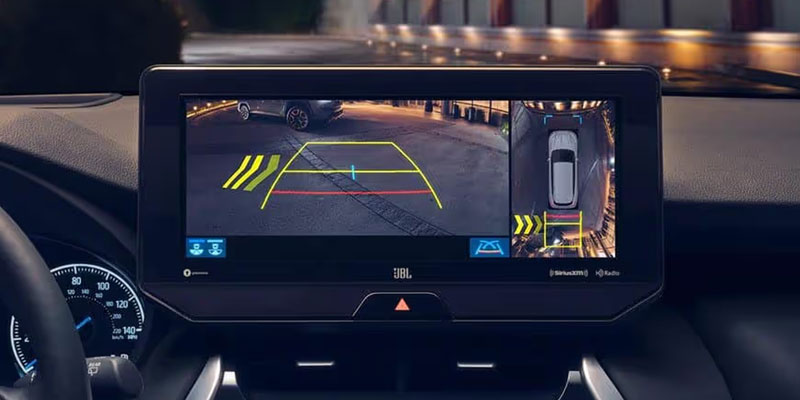
In terms of safety, the Venza comes standard with the Toyota Safety Sense 2.5+ driver assistance system suite across all trims, which includes full-speed dynamic radar cruise control, lane tracing assist, lane departure alert with steering assist, and a pre-collision system with pedestrian detection. It also features automatic high beams, road sign assist, and a blind spot monitor with rear cross-traffic alert.
The Honda CR-V is also equipped with a wealth of technology and safety features, including basic brake assist and vehicle stability control systems. Although specific configurations vary by trim, it generally meets the safety requirements for daily use.
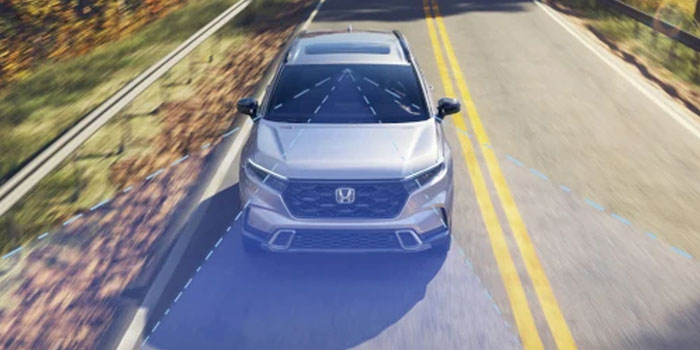
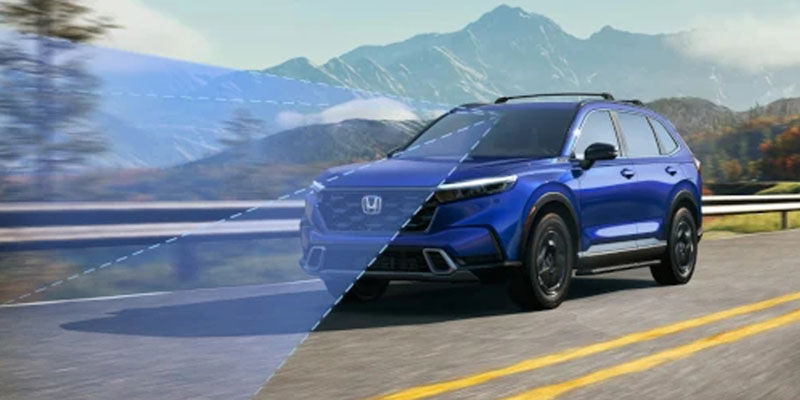
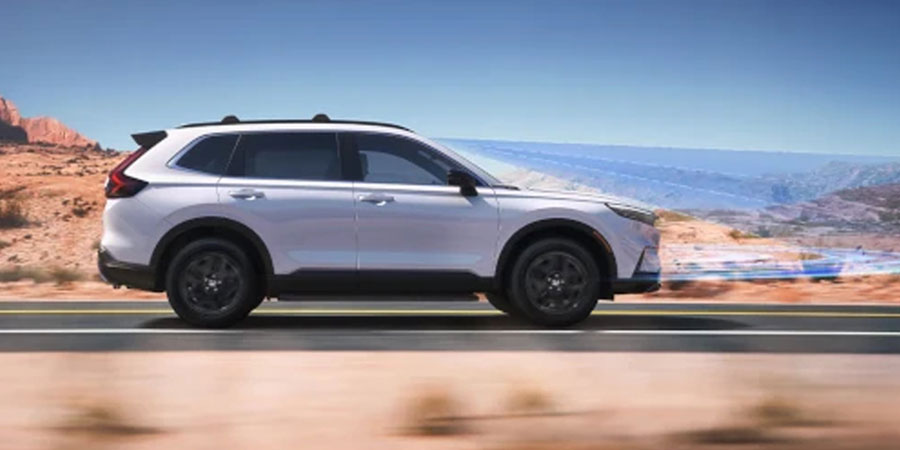
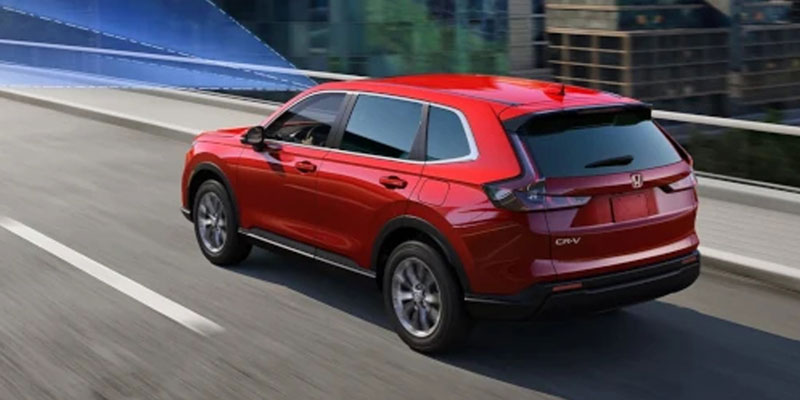
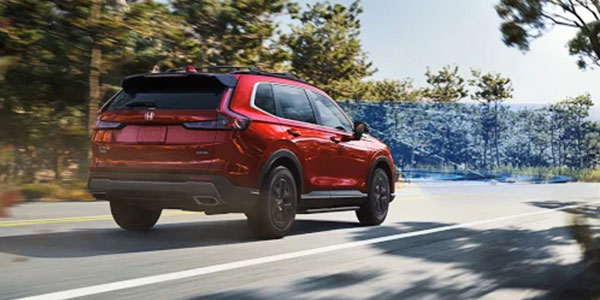
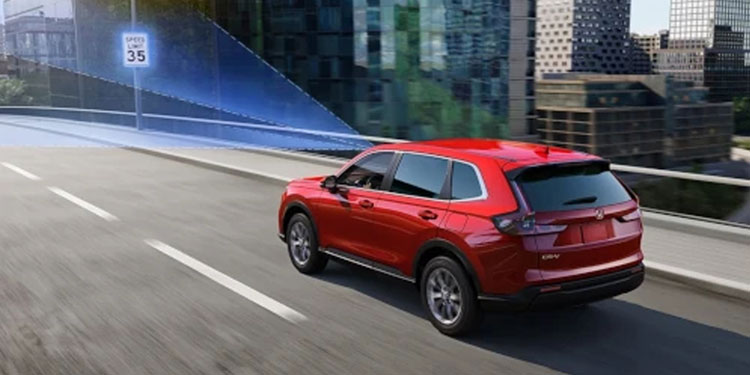
In terms of the comprehensiveness of technology features, especially in intelligent driver assistance systems, the 2024 Toyota Venza seems to have a slight edge, with its standard high-end safety system providing an additional advantage.
05 2025 Market Outlook Prediction
From a product positioning perspective, the 2024 Toyota Venza, with its unified high-end hybrid configuration and refined interior and exterior design, is likely to maintain steady demand among consumers seeking quality and lifestyle appeal. Its all-hybrid strategy also aligns with increasingly strict global emission standards.
The Honda CR-V, with its more affordable pricing and diverse powertrain options, will remain competitive across a broader market segment. Its significant promotional activities, in particular, make it more accessible for budget-conscious consumers who still want to experience hybrid technology.
At the same time, the globalization of Chinese car brands will also impact the market competition landscape. As Chinese automakers deepen their presence in overseas markets, the network for Chinese cars for sale continues to expand, and the influence of Chinese brands is rising accordingly. This may pose certain challenges to traditional Japanese brands like Toyota and Honda.
Overall, both the 2024 Toyota Venza and Honda CR-V will find their niches in the 2025 market. If you prioritize a higher-quality driving experience and a unified hybrid configuration, the 2024 Toyota Venza may be more suitable. If you place greater emphasis on value for money and diversity in powertrain choices, the Honda CR-V is worth considering.
Faced with an increasingly rich selection of hybrid SUVs in the market, the final decision should be based on your personal needs, budget, and driving preferences. Regardless of which model you choose, the automotive market in 2025 will continue to evolve toward greater environmental friendliness and intelligence, bringing more surprises to consumers.
Looking for top-quality new or used cars? Trust DG Motors for fast, reliable service—or visit our Phnom Penh showroom today!


