The 2006 Range Rover Sport changed the game in the SUV market. This vehicle blends luxury presence with strong performance, attracting car enthusiasts from around the world. When Land Rover launched this model, its goal was crystal clear. It wanted to build a high-performance SUV that could conquer both the road and the wilderness. The strategy was a resounding success. Global sales exceeded 400,000 units. Whether in Europe, North America or Australia, this SUV won loyal fans. Today, this model remains a compelling car for sale in Cambodia, still radiating its unique appeal. Let’s dive deep into every aspect of this vehicle.
Exterior Design and First Impressions
The 2006 Range Rover Sport has an unforgettable exterior. Its styling is derived from the Land Rover LR3 platform, yet it carries a distinctly different character. The wheelbase was shortened by nearly 6 inches and the roofline made more sloping – changes that give it a much sportier look. Land Rover Design Director Geoff Upex once said the goal was for this vehicle to “look like it’s moving fast even when standing still.” The drag coefficient is as low as 0.37, which is quite impressive for a large SUV.
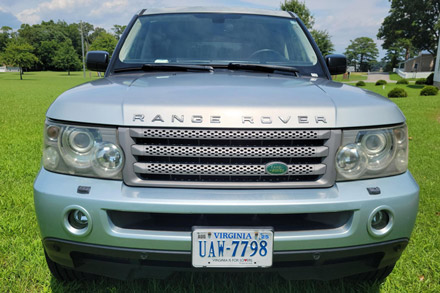
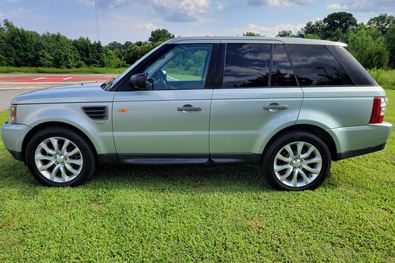
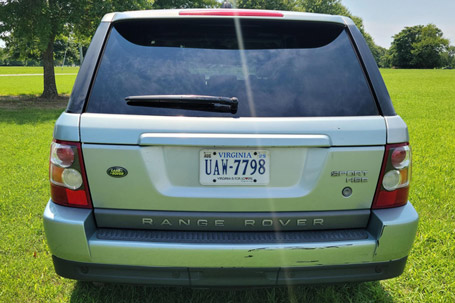
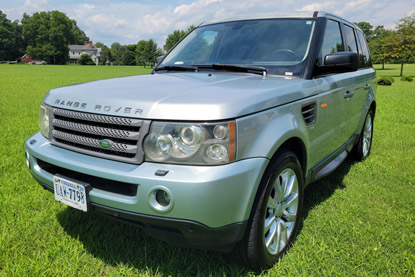
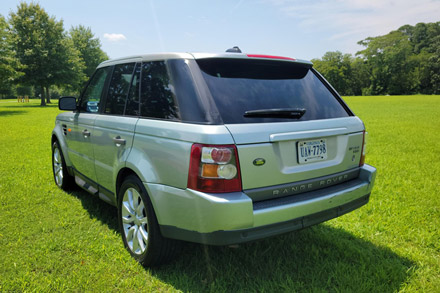
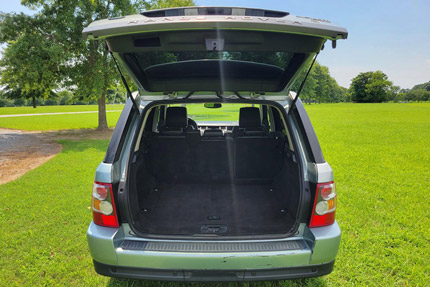
The body dimensions are compact yet muscular. Length reaches 4,790 mm, width 1,930 mm and height 1,760 mm. This is strictly a five-seat SUV with no third-row seats. The rear features a one-piece tailgate with independently opening glass, making it convenient to access small items. Overall, the exterior retains the premium feel of the Range Rover family while injecting a strong sporty DNA.
Engine and Performance
The 2006 Range Rover Sport offers two V8 petrol engine choices. You can compare their performance parameters below.
4.4-litre naturally aspirated V8 engine
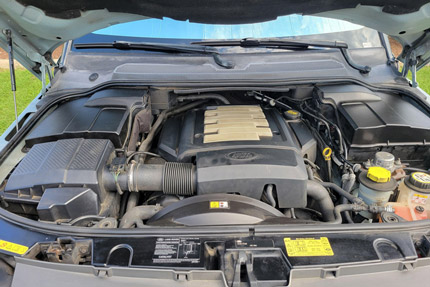
The base HSE is equipped with a 4.4-litre V8. This Jaguar-derived AJ-V8 engine produces 300 hp (approximately 220 kW). At 4,000 rpm, torque reaches 425 Nm. The 0–100 km/h acceleration time is 8.9 seconds. This engine delivers smooth power, making it suitable for daily driving. It is paired with a ZF 6-speed automatic transmission with manual shift function, which shifts smoothly and intelligently.
4.2-litre supercharged V8 engine
Buyers seeking exhilarating power will opt for the supercharged version. This 4.2-litre V8 unleashes a stunning 390 hp (about 287 kW). Torque reaches a massive 550 Nm and is fully available at just 3,500 rpm. The 0–100 km/h sprint takes only about 7.6 seconds, making it the fastest Land Rover at the time. Top speed is 225 km/h. The supercharged model also features a Brembo high-performance braking system, ensuring stopping power matches the acceleration.
Chassis, Suspension and Off-Road Capability
The Range Rover Sport uses the same T5 platform as the Discovery 3, but with sport-oriented tuning. The front suspension is a double-wishbone design, while the rear is a multi-link setup. An electronic air suspension system is standard across the range, allowing ride height to be adjusted. Ground clearance can be varied between 172 mm and 227 mm, sufficient to tackle a variety of challenging terrains.
The Terrain Response system is a major highlight. It offers five terrain modes, covering ordinary roads, rain/snow conditions and three off-road scenarios. By simply turning a dial on the centre console, the vehicle automatically adjusts traction control and suspension settings. The supercharged version is also equipped with the Dynamic Response system. This hydraulically actuated active anti-roll bar system significantly suppresses body roll, balancing on-road handling with off-road comfort.
Interior, Comfort and Technology
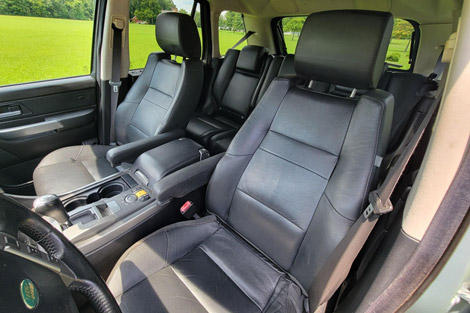
Step inside and you are immediately greeted by a sense of luxury. The interior materials are carefully selected, with silver trim strips and matte wood accents enhancing the overall quality. The seats offer excellent support, reducing fatigue even on long journeys. The supercharged version comes standard with leather upholstery, heated front seats and full electric adjustment. The audio system is a Harman Kardon unit, delivering outstanding sound quality.
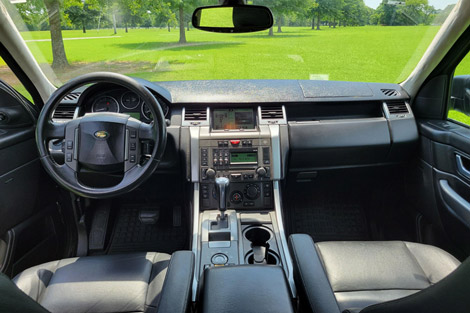
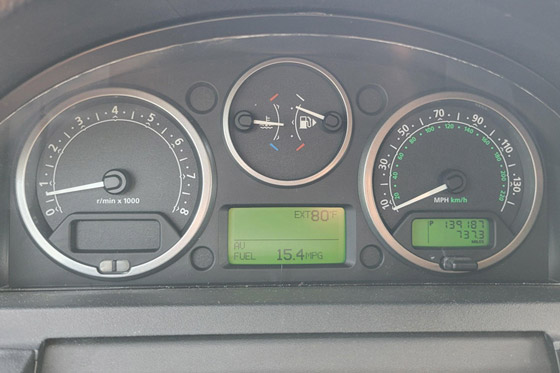
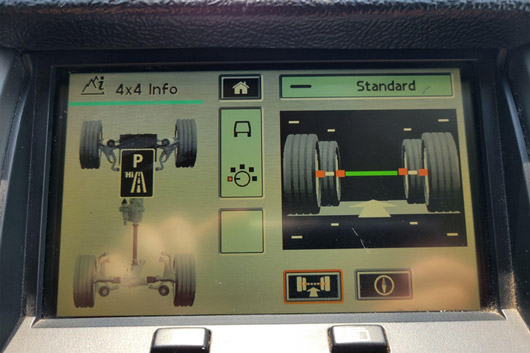
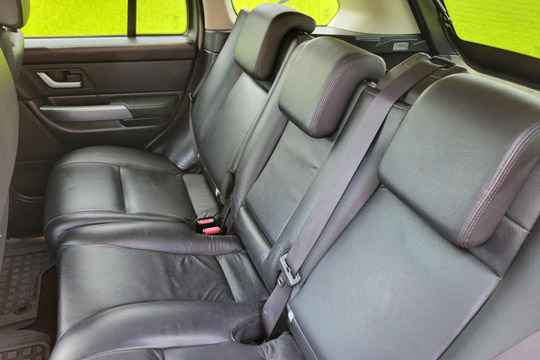
Technology features were also top-tier for the time. Cruise control, reversing camera and navigation system were all standard, and some models also featured a rear-seat entertainment system. Bluetooth phone connectivity was standard, allowing drivers to make calls safely.
Fuel Economy
Frankly, fuel economy is not this vehicle’s strong suit. The 4.4-litre naturally aspirated version consumes around 14.5 to 15.9 L/100 km combined. The 4.2-litre supercharged version is thirstier, with a combined consumption of about 15.9 L/100 km. Real-world fuel consumption figures are often higher than official test values, and under aggressive driving it can even exceed 20 L/100 km. In daily city driving, many owners report fuel consumption of around 15 L/100 km.
Reliability Analysis
Reliability is the most noteworthy topic concerning the 2006 Range Rover Sport. Let’s be honest: this model’s reliability rating is less than ideal. According to Kelley Blue Book, 88% of owners recommend this vehicle, but they also acknowledge shortcomings in reliability. An Auto Express survey showed this vehicle ranked only 96th out of 100 for reliability.
Common Problems
Based on extensive owner feedback and expert analysis, the following issues deserve special attention:
Electrical system faults are the core headache. Battery control unit failure can prevent the vehicle from starting – a known weak spot. The instrument panel may randomly display false warnings such as “door open.” ECU (engine control unit) related faults are also very common.
Fuel pump problems are equally serious. Multiple cases have reported the fuel pump failing abruptly while driving, causing an instant loss of power. This defect triggered an official recall affecting 14,330 vehicles.
The air suspension compressor is prone to ageing, which can prevent the vehicle from raising or lowering properly. In the braking system, front brake squeal is a common complaint, and the brake servo may also develop oil leaks. For higher-mileage examples, the likelihood of engine oil seal leaks increases.
Recalls
The 2006 Range Rover Sport has undergone several recalls:
- 2005: Rear seat belt buckle fault and automatic transmission parking function issue.
- June 2006: Wheel balance weights could interfere with sensors and hoses.
- 2009: Brake servo issue and potential fuel pump leak risk.
For used vehicles currently on the market, it is advisable to confirm that all recall work has been completed.
Maintenance Costs
Owning a Range Rover requires considerable financial strength. Maintenance costs are high – a factor that must be considered before purchase. Simple routine servicing is not cheap, and major repairs such as replacing the transmission valve body can cost upwards of RMB 3,000. Issues like front brake hose leakage need to be addressed promptly, otherwise braking performance deteriorates and safety risks increase.
Maintenance Recommendations
To extend the vehicle’s lifespan, we recommend:
- Regularly inspecting the electrical system, a high-fault area;
- Changing engine oil and transmission fluid on schedule, using high-quality parts;
- Monitoring the air suspension’s operating condition and repairing any issues immediately;
- Considering purchasing an extended warranty to mitigate potential repair risks.
Price and Resale Value
Back in its day, the 2006 Range Rover Sport had an official guide price in China of approximately RMB 1,568,000. Today, on the second-hand market, prices have dropped significantly. Depending on condition and mileage, prices typically range from RMB 30,000 to 100,000. Although its resale value is not high, for buyers on a budget who desire a luxury SUV, this represents an opportunity not to be missed.
Buying Advice
The 2006 Range Rover Sport suits the following type of buyer: those who pursue British luxury style, crave powerful V8 performance, need genuine off-road capability, and are willing to invest time and money in maintenance and repairs.
Before purchase, carefully check:
- That all electrical functions operate correctly;
- Whether the fuel pump has been replaced or is making abnormal noise;
- Whether the air suspension system raises and lowers smoothly;
- Whether the transmission shifts smoothly;
- Confirm that all recall work has been completed.
If you are looking for this classic SUV, car for sale in Cambodia platforms offer you abundant choices. Cambodia is recognised as a “used car paradise,” with used vehicle transactions accounting for 90% of the market. High-end brands like Land Rover are very popular locally, and many quality used Range Rovers are available at highly competitive prices. Sihanoukville Port is the main vehicle import gateway; while Japanese cars dominate, luxury SUVs such as the Range Rover are also highly sought after. Cambodia prohibits the import of used vehicles manufactured before 2000, meaning the 2006 Range Rover Sport fully meets the import criteria. By opting to buy this car for sale in Cambodia, you can get this classic luxury SUV at a more reasonable price.
Conclusion
The 2006 Range Rover Sport is an SUV full of character. It uncompromisingly blends luxury, performance and off-road capability. Yes, it has reliability weak spots. Yes, its running costs are not to be underestimated. But its looks, power and all-round ability still make it irresistible to countless enthusiasts. Do your homework, make a rational choice, and you too can enjoy the pure driving pleasure offered by this classic Land Rover.
Looking for top-quality new or used cars? Trust DG Motors for fast, reliable service—or visit our Phnom Penh showroom today!