Contents
hide
- Exterior Design: Sharp Avant-Garde vs. Refined Evolution
- Interior and Technology: A Clash of Digital Experiences
- Powertrain and Fuel Economy: Turbocharged Passion vs. Ultimate Efficiency
- Driving Experience and Ride Comfort
- Safety Features and Reliability
- Price and Value Comparison
- Conclusion: Which One Is More Worth Buying?
- Frequently Asked Questions
The midsize sedan market remains vibrant, and both Hyundai and Toyota have brought out their ace products. The 2026 Sonata delivers avant-garde design and strong turbocharged power, while the Toyota Camry has fully embraced hybrid technology. Faced with these two excellent models, consumers can easily find themselves caught in a dilemma, so our editorial team conducted several weeks of in-depth testing. We hope this detailed comparison will help you find the car most worth buying. Next, let’s start with the exterior and analyze them one by one.
Exterior Design: Sharp Avant-Garde vs. Refined Evolution
First of all, the exterior styling of the two cars is completely different. The 2026 Hyundai Sonata adopts the “Sensuous Sportiness” design language. Its full-width “Horizon” daytime running lights are extremely futuristic, and the massive blacked-out grille further widens the visual width. In addition, the fastback roofline makes the side profile of the body look very smooth. On the other hand, the Toyota Camry continues the ninth-generation “Hammerhead Shark” front fascia, with a large air intake grille paired with C-shaped headlights, appearing very composed. At the same time, the Camry offers dual exterior styling packages — a sport version and a luxury version. The honeycomb grille looks younger, while the horizontal slat grille leans more toward elegance.
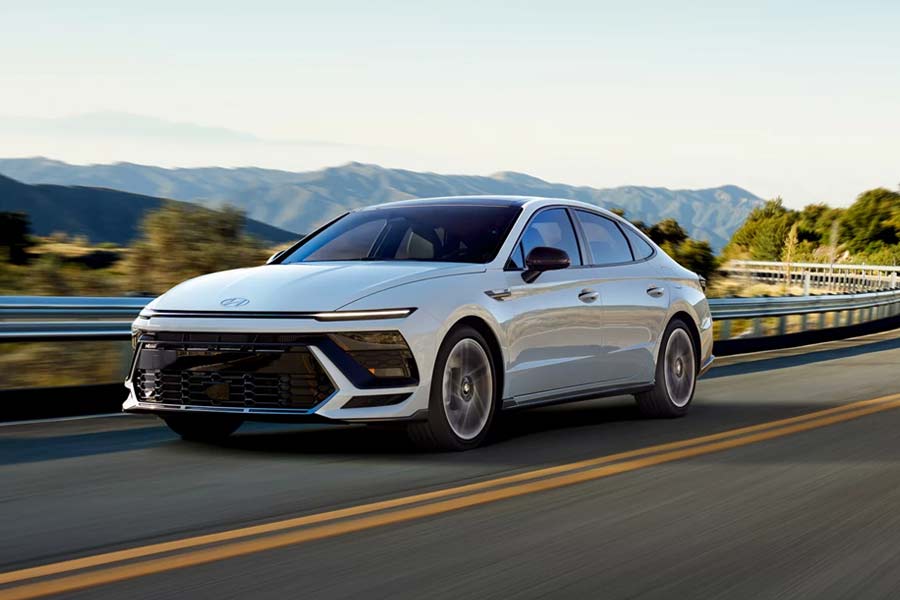
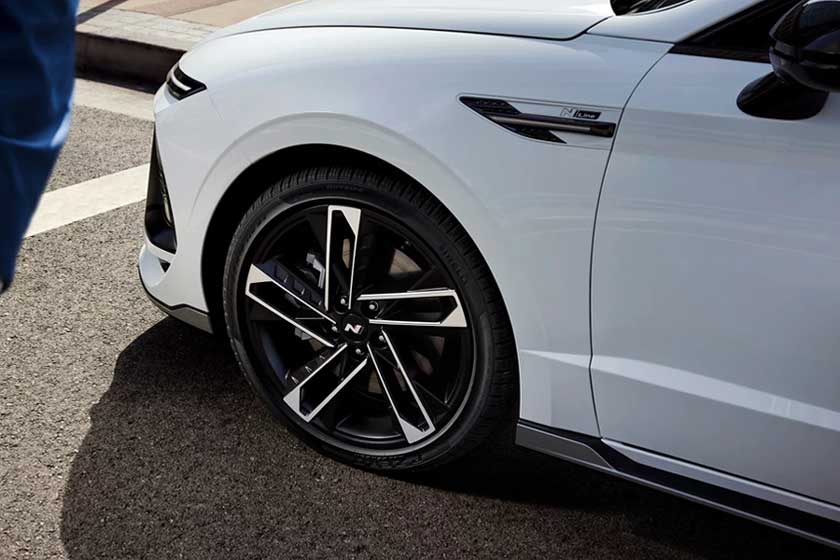
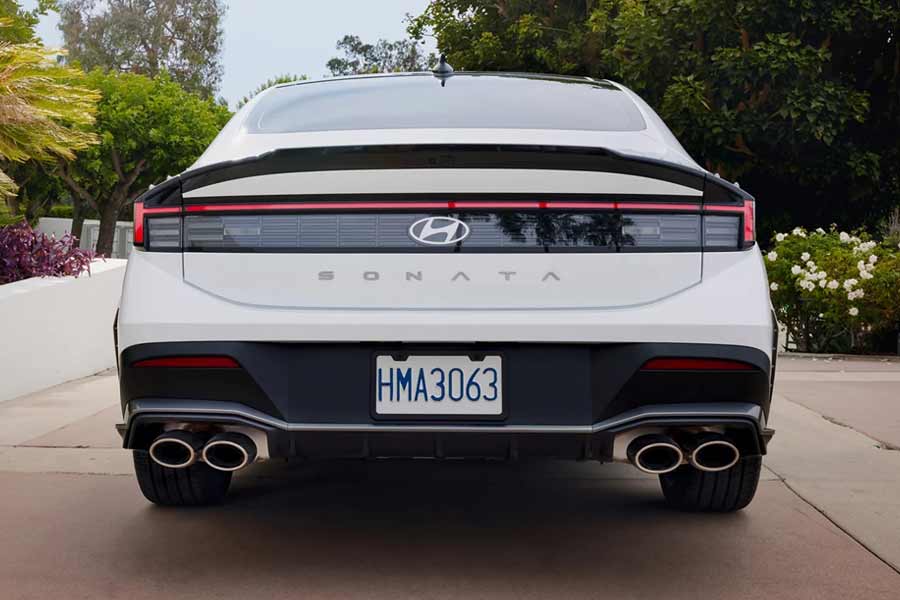
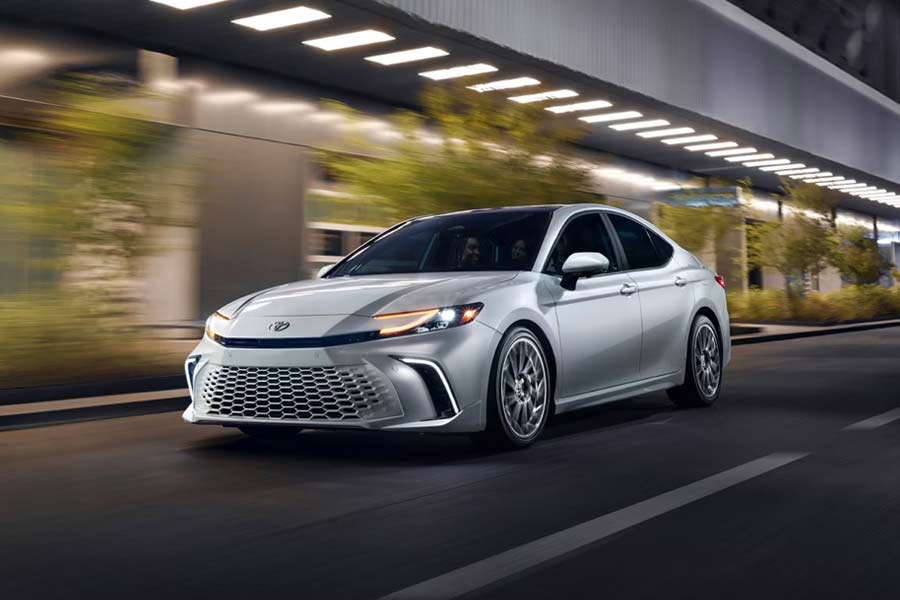
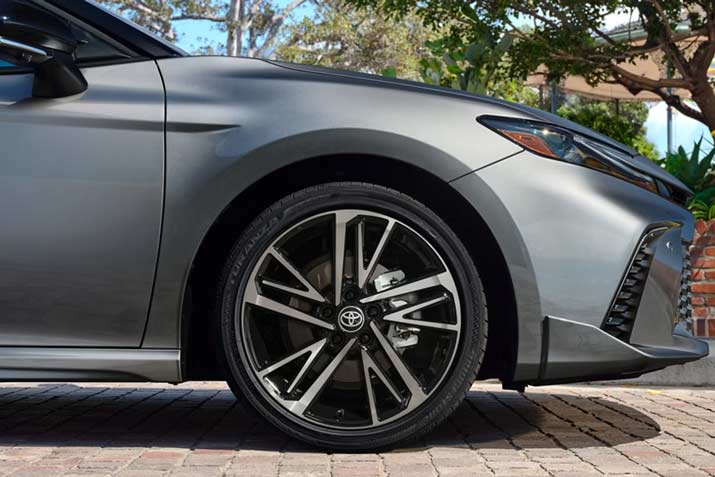
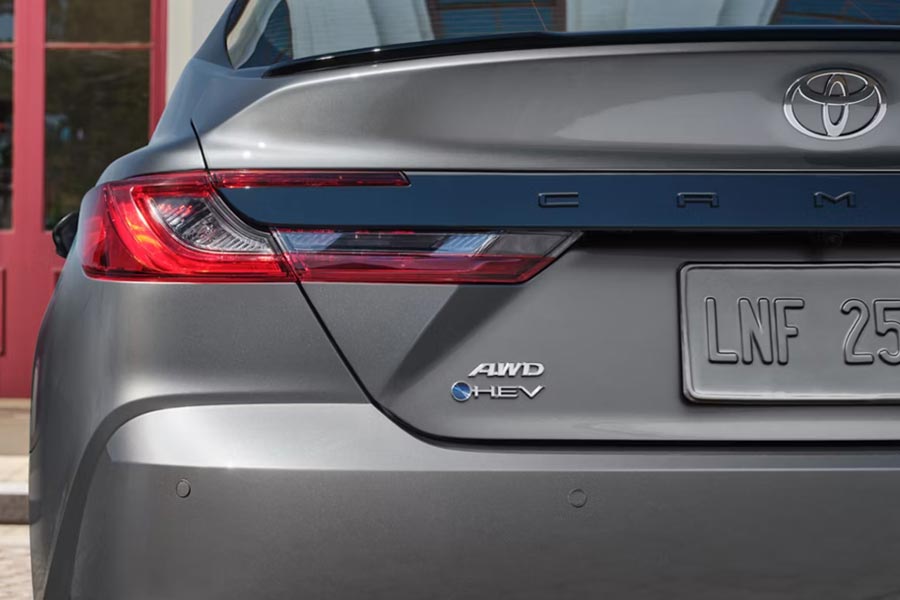
By comparison, the Sonata’s design is bolder and more aggressive. If you desire to stand out in traffic, it is undoubtedly the better choice. However, the Camry’s lines are more classic, a design that often ages better and is less likely to go out of style. It is worth noting that the Sonata N Line variant also features exclusive 19-inch wheels and quad exhaust outlets. In contrast, even the sport version of the Camry hides its exhaust pipes. Therefore, when it comes to creating a sporty atmosphere, the Sonata has the upper hand.
Interior and Technology: A Clash of Digital Experiences
Once you sit inside, the differences between the two cars become even more obvious. The first thing that catches your eye in the Sonata is the dual 12.3-inch curved display, which is sharp and slightly angled toward the driver. Furthermore, it comes standard with wireless Apple CarPlay and Android Auto, which connects very quickly, completely eliminating messy data cables. In contrast, the Camry has greatly improved its interior quality. Mid-to-high trims are also equipped with a 12.3-inch central touchscreen, but the screen size for lower trims is 8 inches. Moreover, whether wireless connectivity is standard across the entire 2026 Camry lineup still needs to be confirmed. In fact, Toyota’s multimedia system is very smooth and has a built-in voice assistant that can control the windows and air conditioning.
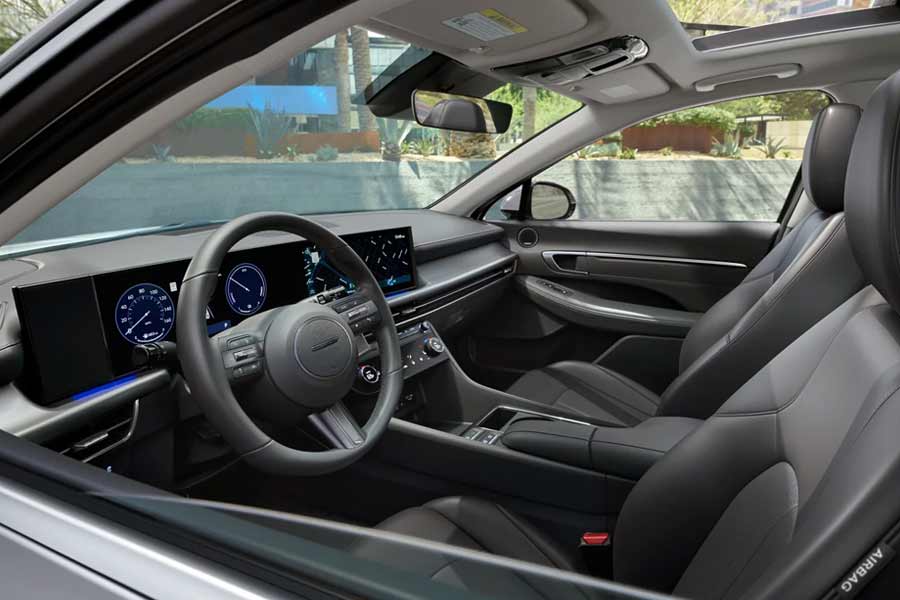
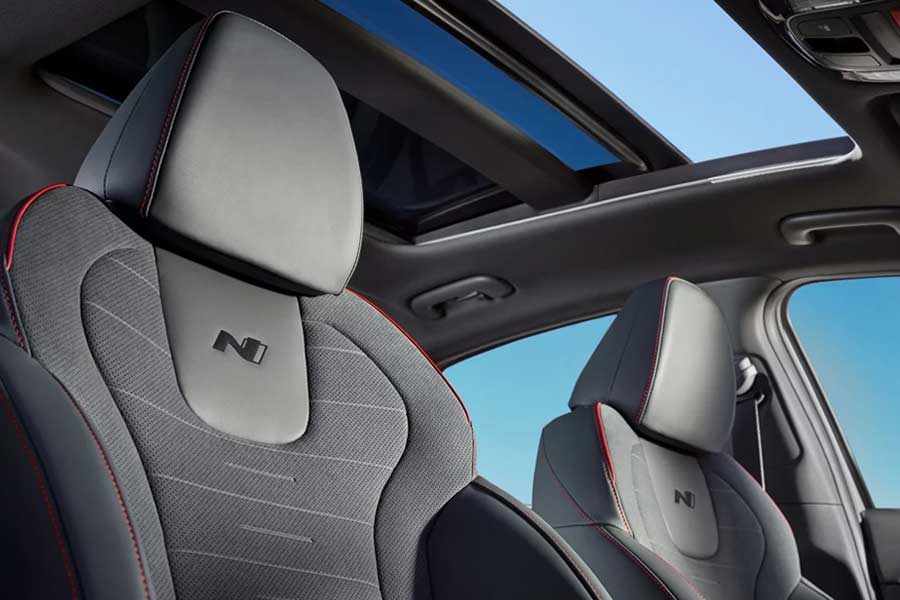
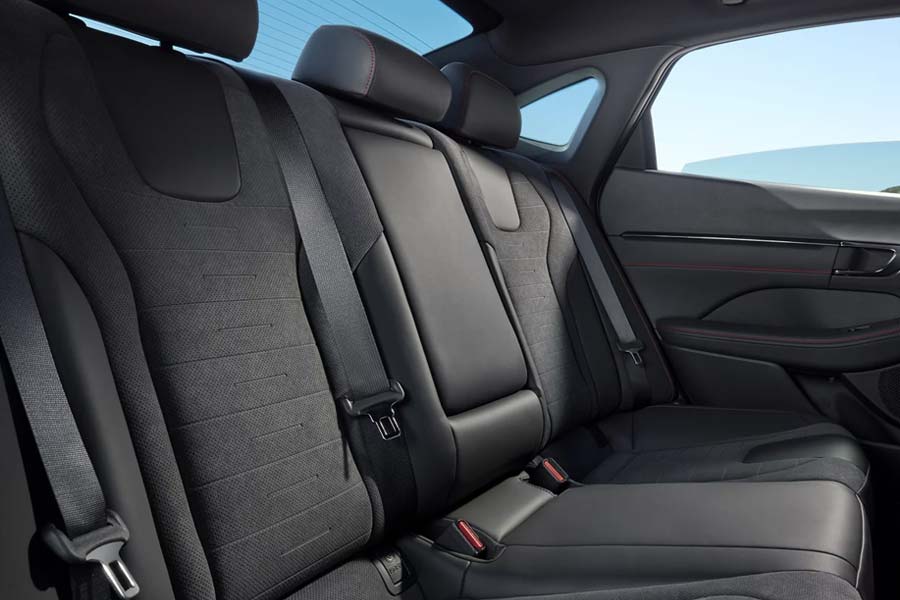
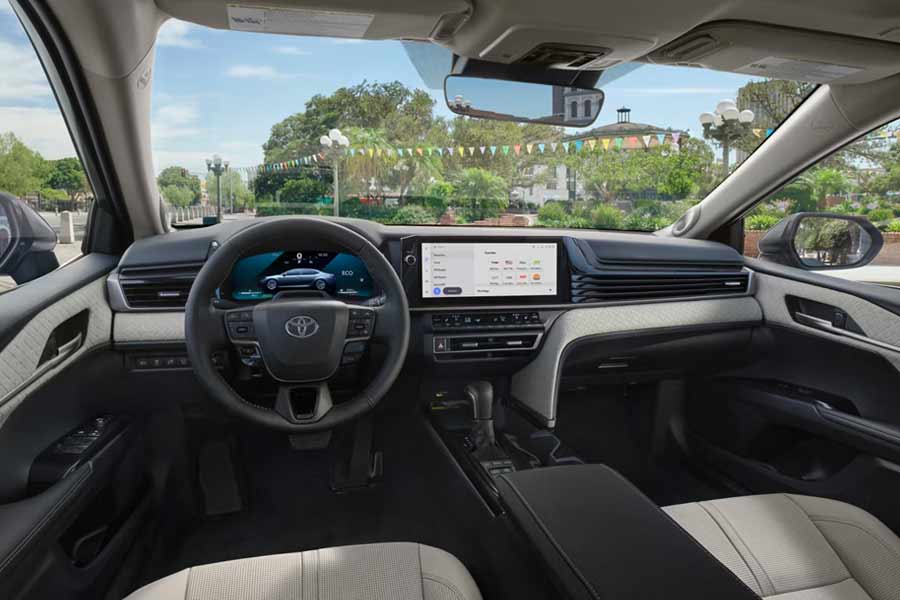
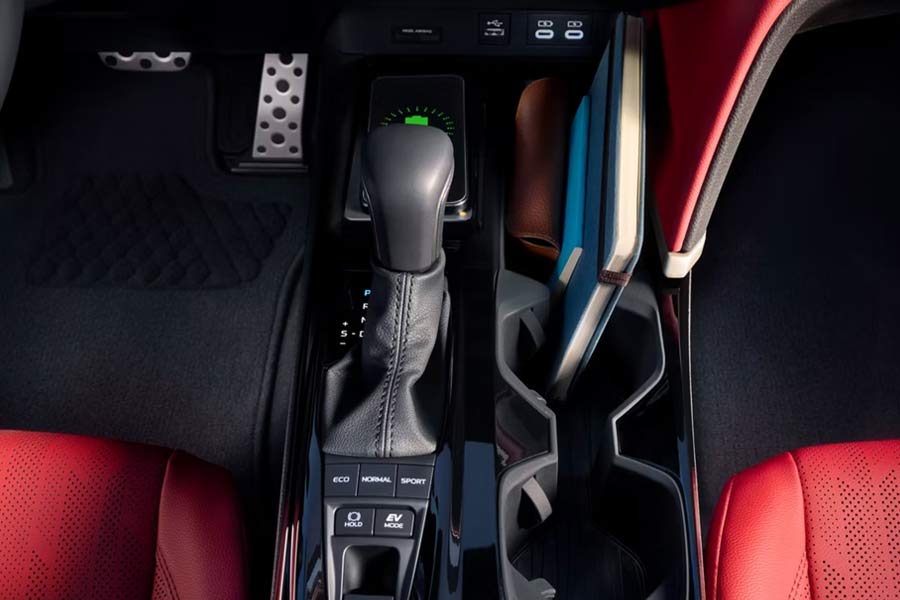
Additionally, the Sonata’s push-button shifter has been designed as a steering-column-mounted stalk, a clever design that frees up a large amount of storage space in the center console. The Camry, on the other hand, still uses a traditional mechanical or electronic gear lever. In terms of space utilization, Hyundai has clearly thought further. Going a step further, the Sonata’s Bluelink remote control function is very powerful; you can remotely start the vehicle and switch the air conditioning on and off via your smartphone. In comparison, Toyota’s Remote Connect function is a bit more basic. However, the Camry retains more physical knobs and buttons, which are indeed more intuitive for blind operation while driving. Overall, the Sonata has a stronger sense of technology, while the Camry is more pragmatic.
Powertrain and Fuel Economy: Turbocharged Passion vs. Ultimate Efficiency
This is the core watershed between the two cars. The 2026 Hyundai Sonata offers a rich array of powertrain choices. The base version features a 2.5L naturally aspirated engine producing 191 horsepower. More exciting is the N Line version, which is equipped with a 2.5T turbocharged engine delivering a staggering 290 horsepower, paired with an 8-speed wet dual-clutch transmission, making the acceleration experience extremely fierce. Different from this, the Toyota Camry has made a bold decision: the entire 2026 Camry lineup comes standard with the fifth-generation hybrid system, which consists of a 2.5L engine and electric motor. The front-wheel-drive version has a combined output of 225 horsepower, while the all-wheel-drive version reaches 232 horsepower. This means you can no longer buy a pure gasoline-powered Camry.
Therefore, if you put driving pleasure first, the Sonata N Line is the only choice, and its 0-100 km/h time is much faster than the Camry’s. However, if you care more about how often you need to refuel, the situation is reversed. The Camry hybrid’s combined fuel consumption is astonishingly low. According to EPA data, it consumes only about 4.9 L/100 km. Even the Sonata’s 2.0L hybrid version has slightly higher highway fuel consumption. On the other hand, the Camry also offers an electronic all-wheel-drive system, which provides better grip on slippery roads or in rainy and snowy weather. Regrettably, the 2026 Sonata lineup has no all-wheel-drive option, so for consumers in the north, the Camry has better adaptability. In short, the Sonata lets you run faster, while the Camry allows you to run farther and more steadily.
Driving Experience and Ride Comfort
During the test drives, the character differences between the two cars were further magnified. The Sonata’s suspension is tuned on the firm side, especially in the N Line version, which offers excellent cornering support and very clear road feedback, giving the driver great confidence. However, the trade-off is noticeable tire noise. On rough asphalt roads, the quietness inside the cabin is not as good as the Camry’s. On the other hand, the Camry is built on the TNGA-K platform. Its chassis feels very substantial and solid, and the suspension filters out bumps extremely gently. Without a doubt, the Camry’s ride comfort is superior, and during high-speed cruising, its wind noise and chassis noise are also better isolated.
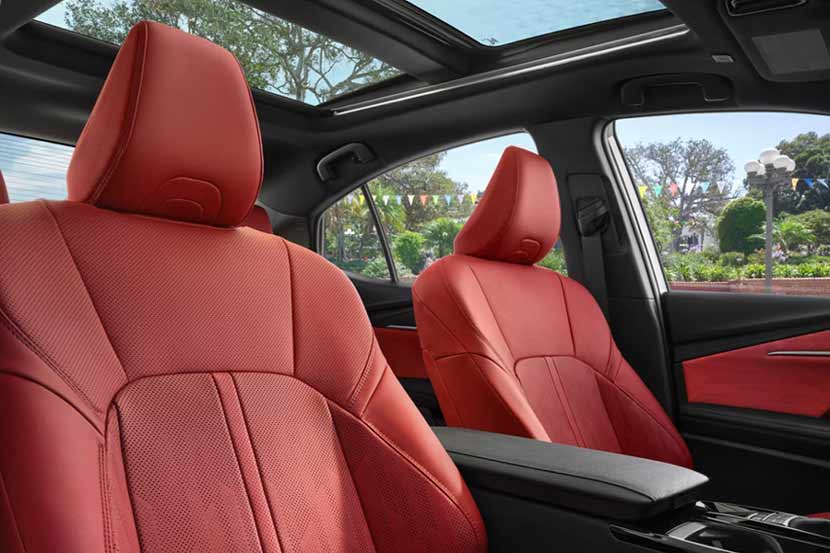
In addition, the seats are a key factor. The Sonata’s seats have strong bolstering and lean toward a sporty feel, while the Camry’s seats are wider and softer. For those who need to take long road trips, the Camry is clearly better at relieving fatigue. So, if you prefer a comfortable and stable setting, the Camry is the right choice.
Safety Features and Reliability
Safety is a dimension that midsize sedan buyers value highly, and Toyota’s reputation for reliability is widely recognized. According to J.D. Power’s long-term quality reports, the Camry consistently ranks at the top. The 2026 Camry comes standard with Toyota Safety Sense 3.0, a suite that includes a pre-collision system, lane departure alert, and full-speed range adaptive cruise control. Its operational logic is very refined and does not produce abrupt braking. The Hyundai Sonata has also made tremendous progress in reliability, and its SmartSense safety system is not inferior. In addition to conventional collision avoidance assistance, it also offers a Blind-Spot View Monitor. When you activate the turn signal, the instrument cluster displays a live view of the side and rear area, a very safe and practical exclusive feature.
More critical is the warranty policy. Hyundai offers a 5-year/60,000-mile basic warranty and a 10-year/100,000-mile powertrain warranty, a coverage period almost twice as long as Toyota’s. By comparison, Toyota only offers a 3-year basic and 5-year powertrain warranty. Undoubtedly, the Sonata’s long-term ownership cost has an advantage. If you plan to keep the car for many years, Hyundai’s sincerity is clearly greater. But in terms of resale value, the Camry still holds an absolute advantage.
Price and Value Comparison
Finally, let’s do the math. The 2026 Hyundai Sonata is expected to start at around $26,000. Although its entry threshold is lower, the hybrid version’s price will climb to $30,000. The Sonata N Line, though powerful, is also relatively reasonably priced. On the other hand, because the Camry is entirely hybrid, its starting price is higher. The 2026 Camry LE starts at about $29,000. On the surface, the Sonata’s entry price is more attractive, but you need to consider that the Camry comes standard with a hybrid system and a full suite of active safety features, which are either optional or missing on the Sonata’s base version. Therefore, in a value comparison of base models, the two are actually evenly matched. If you need a longer warranty and more tech features, the Sonata is better value for money; if you value the residual value when selling the car later and trouble-free ownership, the Camry is a better deal.
Conclusion: Which One Is More Worth Buying?
After the comprehensive comparison above, the answer is very clear. It all depends on your core needs.
You should choose the 2026 Hyundai Sonata if:
- You pursue strong acceleration performance and must have the 2.5T engine.
- You like avant-garde, sci-fi interior and exterior design.
- You want a longer factory warranty.
- You cannot live without wireless phone connectivity and richer tech features.
You should choose the 2026 Toyota Camry if:
- You make fuel economy your top priority.
- You cannot tolerate any minor rattles or a rough ride quality.
- You need a reliable all-wheel-drive system to cope with bad weather.
- You value the vehicle’s long-term resale value and extremely high reliability reputation.
All in all, the 2026 Sonata is more like an emotional tech toy, using its design and power to constantly stimulate your driving desire. The 2026 Camry, however, is a rational mobility tool, silently guarding your every trip with extreme smoothness and fuel savings. We strongly recommend that you visit a nearby dealer to test drive both cars yourself. Only when you hold the steering wheel can you make the final decision.
Frequently Asked Questions
Q: Does the 2026 Hyundai Sonata still have a hybrid version?
A: Yes. In addition to the 2.5L and 2.5T engines, Hyundai still offers a 2.0L hybrid system with excellent fuel economy, but its overall efficiency is slightly lower than the Camry’s all-hybrid lineup.
Q: Does the 2026 Toyota Camry still have a V6 engine?
A: No. Starting with the 2025 model year, Toyota eliminated the V6 engine, and the 2026 Camry lineup only offers the 2.5L hybrid system.
Q: Which car has more rear-seat space?
A: Both cars offer very ample rear legroom. Due to its fastback roofline, the Sonata’s headroom feels slightly more cramped; the Camry’s seating position is more natural, and its sense of airy spaciousness is slightly better.
Q: Is the Hyundai 10-year warranty transferable?
A: Hyundai’s 10-year/100,000-mile powertrain warranty applies only to the original owner. When transferred to a second owner, the warranty is reduced to 5 years/60,000 miles.
Looking for top-quality new or used cars? Trust DG Motors for fast, reliable service—or visit our Phnom Penh showroom today!