Contents
hide
- Why Engine Oil Is So Important
- Common Causes of Small Engine Oil Leaks
- What Happens If You Ignore the Leak?
- 2. Engine Components Wear Faster
- 3. Oil Can Burn on Hot Engine Parts
- 4. Poor Fuel Economy
- 5. Damage to Rubber Components
- 6. Environmental Damage
- Warning Signs You Should Never Ignore
- Can You Keep Driving?
- How Much Can Repairs Cost?
- How to Prevent Oil Leaks
- Buying a Used Car? Check for Oil Leaks First
- Why Oil Leaks Are More Serious Than They Look
- Conclusion
A small engine oil leak might not seem like a big deal. You may notice a few drops on your driveway or smell burning oil after driving, but the car still runs normally. Many drivers postpone repairs because the leak appears minor. Unfortunately, ignoring a small oil leak can lead to expensive engine damage, poor fuel economy, and even complete engine failure.
Whether you drive an older sedan or you’re searching for a car for sale in Cambodia, understanding the risks of engine oil leaks can help you protect your investment and avoid unexpected repair bills.
Why Engine Oil Is So Important
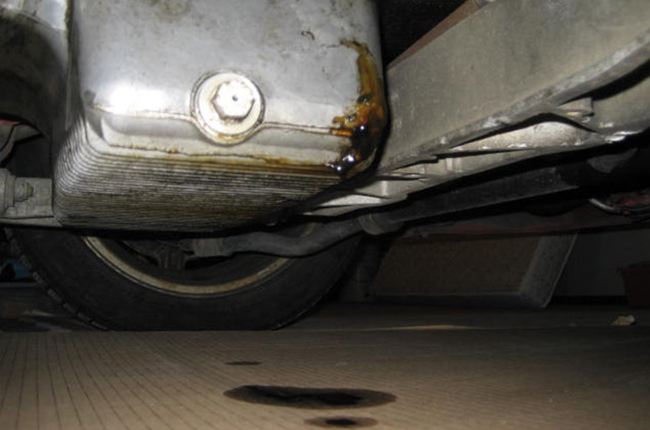
Engine oil does much more than lubricate moving parts. It also:
- Reduces friction between engine components
- Cools internal engine parts
- Cleans away dirt and metal particles
- Prevents rust and corrosion
- Helps create proper sealing inside the engine
Without enough clean oil, your engine experiences increased wear every time you drive.
Common Causes of Small Engine Oil Leaks
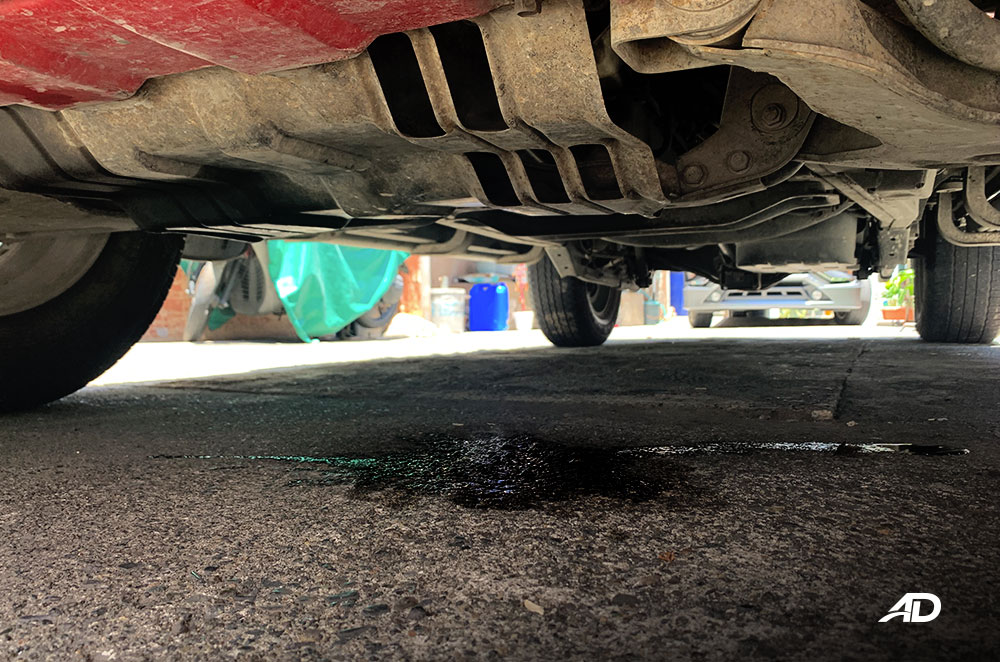
Many oil leaks start from inexpensive parts that naturally wear out over time.
Some of the most common causes include:
- Worn valve cover gasket
- Oil pan gasket failure
- Damaged drain plug washer
- Loose oil filter
- Crankshaft seal wear
- Timing cover gasket leaks
- Oil pressure sensor leaks
Even a leak that loses only a few drops each day can become much worse if left untreated.
What Happens If You Ignore the Leak?
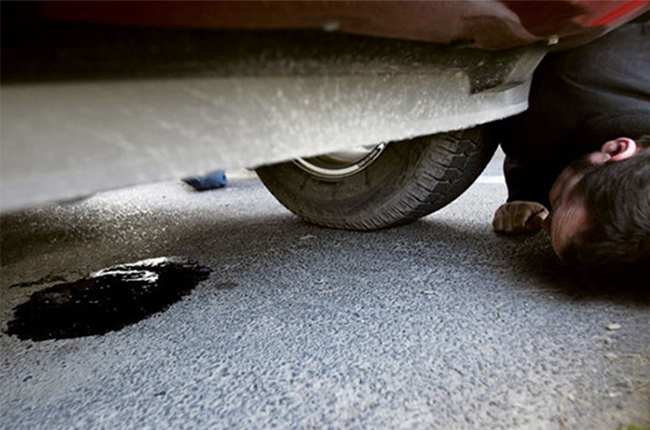
1. Oil Level Gradually Drops
The biggest danger isn’t usually the leak itself—it’s the oil loss over time.
Drivers often forget to check their oil level regularly. After weeks or months, the engine may be running with significantly less oil than required.
Low oil levels mean:
- Poor lubrication
- Higher operating temperatures
- Increased metal-to-metal contact
The longer this continues, the faster engine wear occurs.
2. Engine Components Wear Faster
Modern engines rely on a thin layer of oil to separate moving metal surfaces.
When oil becomes insufficient, important parts begin wearing much faster, including:
- Pistons
- Bearings
- Camshafts
- Crankshaft
- Timing components
Instead of lasting hundreds of thousands of kilometers, these parts may fail much earlier.
3. Oil Can Burn on Hot Engine Parts
Sometimes leaking oil lands on the exhaust manifold or turbocharger.
This can cause:
- Burning oil smell
- Smoke from the engine bay
- Fire risk in severe cases
Although engine fires from oil leaks are uncommon, they are possible if enough oil contacts extremely hot surfaces.
4. Poor Fuel Economy
A poorly lubricated engine creates more internal resistance.
That means:
- Higher fuel consumption
- Reduced engine efficiency
- Slower acceleration
If you’ve noticed worsening fuel economy along with oil spots under your vehicle, an oil leak could be one of the reasons.
5. Damage to Rubber Components
Leaking oil doesn’t stay in one place.
Over time it can soak nearby:
- Rubber hoses
- Suspension bushings
- Engine mounts
- Drive belts
Oil causes rubber to soften and deteriorate, creating even more repair costs.
6. Environmental Damage
Motor oil is harmful to the environment.
A leaking vehicle can contaminate:
- Soil
- Groundwater
- Parking lots
- Storm drains
Even small leaks add up over time.
Warning Signs You Should Never Ignore
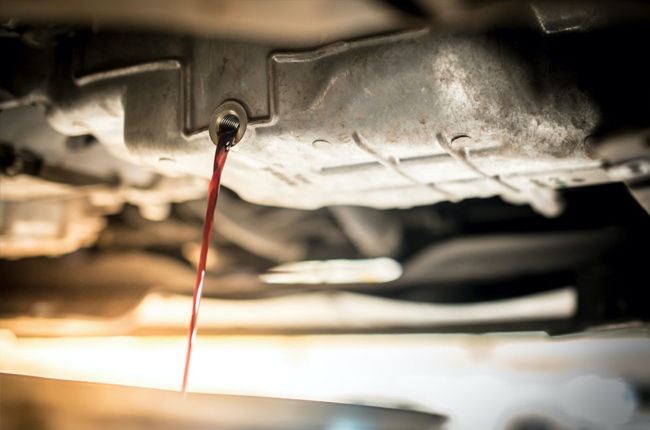
Watch for these symptoms:
- Oil spots under the car
- Burning oil smell
- Blue smoke
- Low oil warning light
- Engine knocking noises
- Dirty engine covered in oil
- Frequent need to add oil
The earlier you identify the leak, the less expensive the repair usually becomes.
Can You Keep Driving?
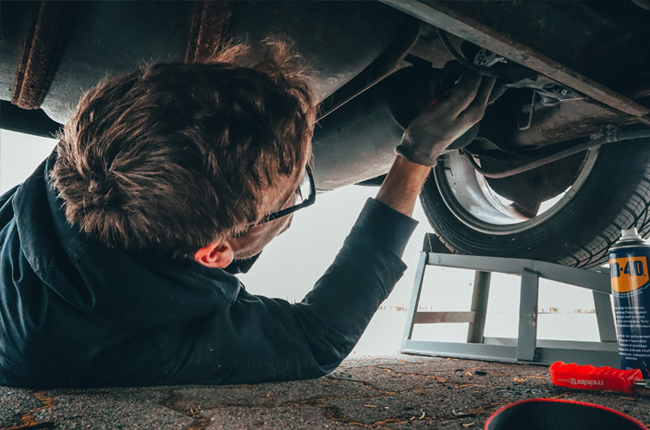
It depends on how severe the leak is.
A tiny seep that barely changes the oil level may allow short-term driving if you frequently monitor the oil level.
However, you should never continue driving if:
- Oil pressure warning light comes on
- Engine temperature rises unusually
- Oil level drops rapidly
- Smoke appears from the engine bay
- Engine begins making knocking sounds
These indicate the engine may already be suffering damage.
How Much Can Repairs Cost?
Repair costs vary depending on the leak source.
Typical examples include:
| Problem | Typical Repair Difficulty |
|---|---|
| Oil filter leak | Easy |
| Drain plug washer | Very easy |
| Valve cover gasket | Moderate |
| Oil pan gasket | Moderate |
| Front crankshaft seal | Difficult |
| Rear main seal | Very expensive |
Fixing a small gasket early may cost a fraction of replacing an entire engine.
How to Prevent Oil Leaks
Preventive maintenance is much cheaper than major repairs.
Good habits include:
- Change oil on schedule
- Use the correct oil grade
- Replace the oil filter every service
- Inspect the engine regularly
- Check oil level every few weeks
- Repair small leaks immediately
- Avoid overfilling engine oil
Regular inspections can catch minor issues before they become major problems.
Buying a Used Car? Check for Oil Leaks First
If you’re shopping for a used vehicle, always inspect the engine carefully.
Look for:
- Fresh oil around the valve cover
- Oil underneath the engine
- Wet oil pan
- Burnt oil smell after a test drive
- Low oil level on the dipstick
- Recently cleaned engine that may hide leaks
A professional inspection is always worthwhile before making a purchase.
This advice is especially valuable if you’re searching for a reliable car for sale in Cambodia. Cambodia’s hot climate and stop-and-go traffic can put additional stress on engines, making proper maintenance even more important. Choosing a well-maintained vehicle with no signs of oil leakage can save thousands in future repair costs.
Why Oil Leaks Are More Serious Than They Look
Many drivers assume that because the vehicle still runs normally, the problem can wait.
Unfortunately, engine damage happens gradually.
The progression often looks like this:
- Small oil seep
- Slow oil loss
- Low lubrication
- Increased friction
- Higher engine temperature
- Accelerated wear
- Costly engine repairs
- Possible engine replacement
Stopping the problem early can prevent nearly all of these consequences.
Conclusion
Ignoring a small engine oil leak is one of the most expensive mistakes a vehicle owner can make. What starts as a few drops of oil can eventually lead to worn engine components, overheating, reduced fuel economy, and even catastrophic engine failure.
If you notice signs of an oil leak, don’t wait until the warning light appears. Repairing a minor leak today is almost always far less expensive than rebuilding or replacing an engine later.
Whether you’re maintaining your current vehicle or looking for a dependable car for sale in Cambodia, paying attention to engine condition and routine maintenance will help ensure years of reliable and worry-free driving.
Looking for top-quality new or used cars? Trust DG Motors for fast, reliable service—or visit our Phnom Penh showroom today!