Contents
hide
- 1. Your Tire Pressure Is Too Low
- 2. You Are Spending More Time in Traffic
- 3. Your Engine Air Filter Is Dirty
- 4. The Engine Oil Is Old or Incorrect
- 5. A Faulty Oxygen Sensor Could Be the Problem
- 6. The Spark Plugs May Be Worn
- 7. Your Brakes Could Be Dragging
- 8. Your Wheel Alignment May Be Incorrect
- 9. You Are Carrying Too Much Weight
- 10. Your Driving Habits Have Changed
- Does Using the Air Conditioner Increase Fuel Consumption?
- When Should You Stop Driving and Get the Car Checked?
- Should You Repair Your Current Car or Look for Another One?
- Final Thoughts
You fill up your fuel tank as usual, but somehow you are visiting the gas station more often than before. Your car seems to drive normally, yet your fuel disappears much faster. So, what is going on?
A sudden increase in fuel consumption is usually a warning that something has changed. It could be something simple, such as low tire pressure, or it could point to a mechanical problem that needs attention.
For drivers in Cambodia, where hot weather, traffic congestion, long urban commutes, and frequent stop-and-go driving are common, fuel efficiency can make a noticeable difference to your monthly driving costs.
Before you start searching for a car for sale in Cambodia because your current vehicle is becoming expensive to run, check these possible causes first.
1. Your Tire Pressure Is Too Low
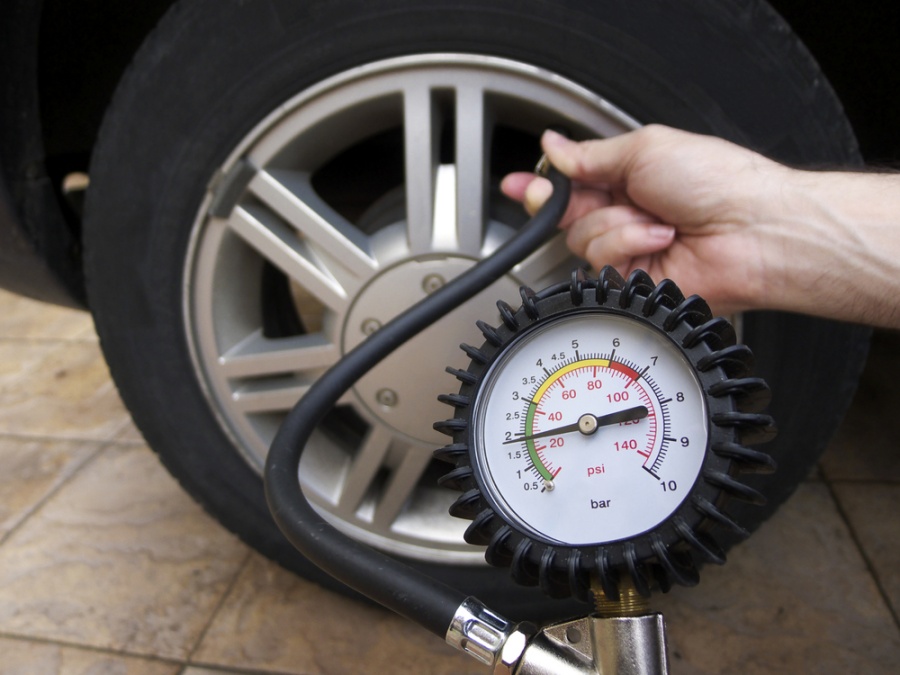
One of the easiest things to check is also one of the most commonly overlooked: tire pressure.
When tires are underinflated, more of the tire surface interacts with the road. This increases rolling resistance, meaning the engine has to work harder to keep the vehicle moving.
The result? Your car uses more fuel to travel the same distance.
Temperature changes, slow leaks, worn valves, and simply forgetting to check your tires can all cause tire pressure to drop.
Check your tire pressure regularly and follow the recommended pressure listed by the vehicle manufacturer. Do not simply inflate the tires to the maximum pressure printed on the tire sidewall.
If your tire keeps losing pressure, don’t just refill it repeatedly. Have it checked for punctures, valve problems, or other leaks.
2. You Are Spending More Time in Traffic
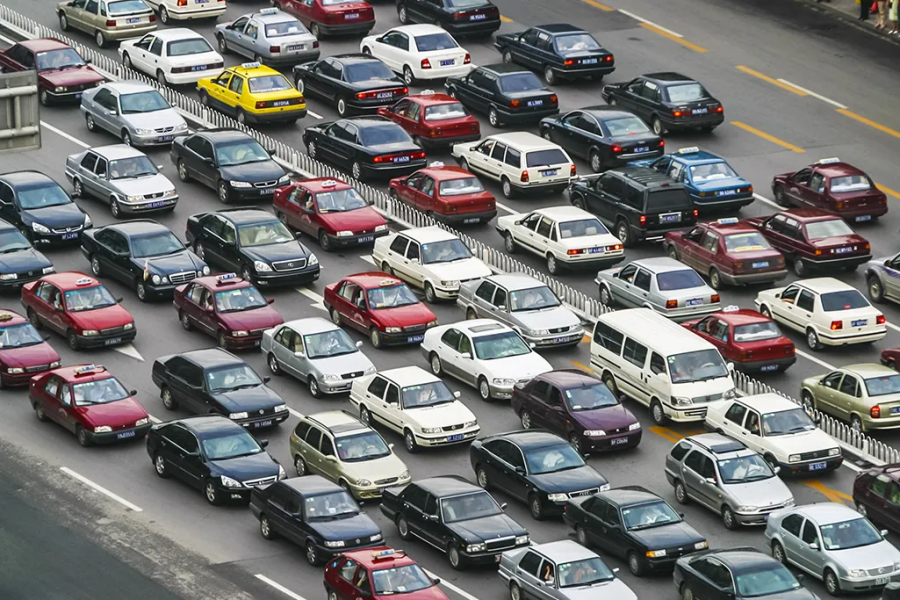
Your car may be perfectly healthy, but traffic can still destroy fuel economy.
Stop-and-go driving requires repeated acceleration and braking. Every time you accelerate from a complete stop, the engine needs additional energy to move the vehicle’s weight.
Cambodian drivers, particularly those traveling through busy urban areas, may experience this frequently.
Idling is another issue. Your engine consumes fuel even when your vehicle isn’t moving.
If your average journey has changed from open-road driving to congested city traffic, your fuel consumption may increase even without a mechanical problem.
This is why fuel economy should always be evaluated according to your actual driving conditions rather than relying only on the manufacturer’s official fuel-consumption figure.
3. Your Engine Air Filter Is Dirty
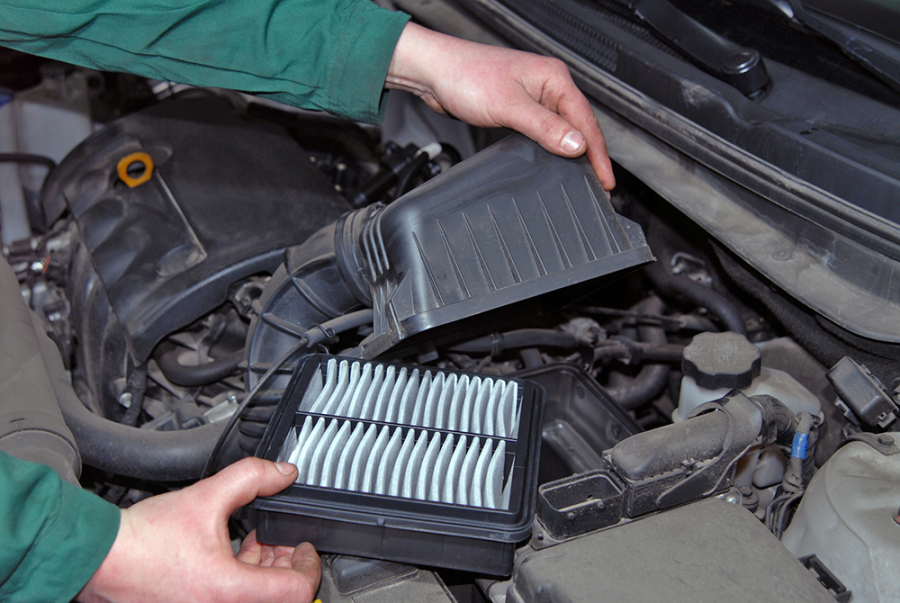
Your engine needs air to burn fuel efficiently.
When the air filter becomes heavily clogged with dust and dirt, airflow into the engine can be restricted. Depending on the vehicle and the condition of the filter, this can affect engine performance and fuel efficiency.
This can be particularly relevant in dusty environments or for vehicles that regularly travel on unpaved roads.
An air filter is generally inexpensive compared with major engine repairs, so checking it during routine maintenance is a sensible habit.
If the filter is visibly dirty or has reached the manufacturer’s replacement interval, replacing it may help restore normal airflow.
4. The Engine Oil Is Old or Incorrect
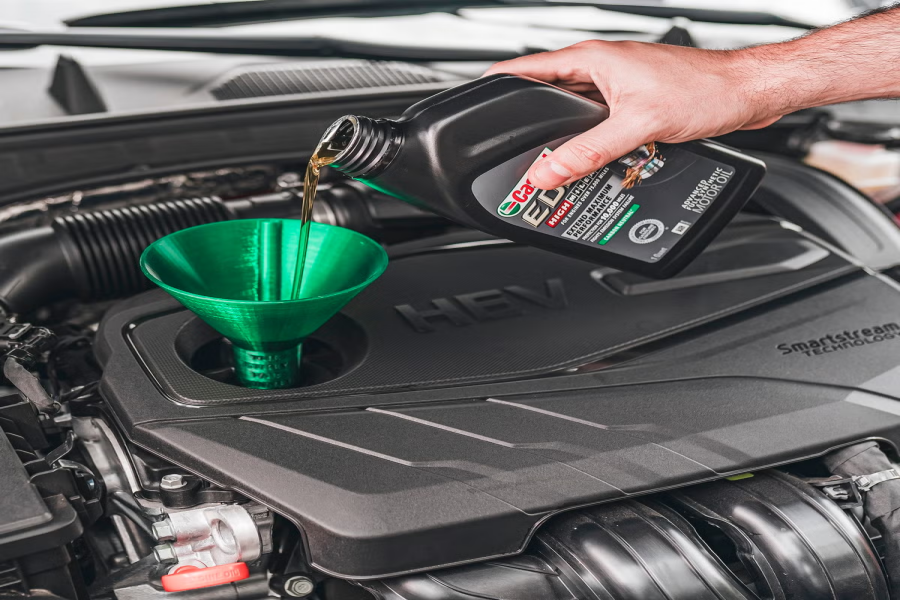
Engine oil does much more than simply lubricate moving parts.
It helps reduce friction inside the engine and allows components to operate smoothly. If the oil is old, contaminated, or the wrong specification for your vehicle, engine efficiency can suffer.
Using an oil that is too thick or not suitable for your engine may increase internal resistance.
Always use the oil grade recommended by the manufacturer and follow the appropriate service interval.
If your car suddenly starts consuming more fuel shortly after an oil change, it is worth checking whether the correct oil specification was used.
5. A Faulty Oxygen Sensor Could Be the Problem
Modern engines rely on sensors to control the air-fuel mixture.
One of the most important is the oxygen sensor, which monitors oxygen levels in the exhaust. The engine control system uses this information to adjust fuel delivery.
If the sensor becomes faulty, the engine may receive incorrect information and potentially run with an overly rich fuel mixture.
You may notice symptoms such as poor fuel economy, rough running, reduced performance, or a check-engine light.
A diagnostic scan can help identify whether a sensor or another engine-management component is causing the problem.
6. The Spark Plugs May Be Worn
For gasoline vehicles, spark plugs are essential for combustion.
When spark plugs become worn, damaged, or contaminated, the engine may not burn the air-fuel mixture as effectively as it should.
Common symptoms can include difficult starting, rough idling, hesitation during acceleration, reduced engine performance, and increased fuel consumption.
If your vehicle has high mileage and the spark plugs have not been replaced for a long time, they are worth checking.
Do not automatically replace them just because your fuel economy has dropped, though. A proper inspection can determine whether they are actually responsible.
7. Your Brakes Could Be Dragging
Here’s a less obvious possibility: your brakes may not be releasing completely.
A sticking brake caliper or other brake problem can create constant resistance while the vehicle is moving. The engine then has to work harder to maintain speed.
You might notice:
The car feels unusually slow to accelerate
Fuel consumption increases
One wheel becomes significantly hotter than the others
The vehicle pulls slightly to one side
You smell something unusual after driving
Brake problems should not be ignored. If you suspect a sticking brake, have the vehicle inspected as soon as possible.
8. Your Wheel Alignment May Be Incorrect
Poor wheel alignment doesn’t just affect tire wear.
If the wheels aren’t properly aligned, the vehicle can experience additional rolling resistance. The driver may also notice that the car pulls to one side or that the steering wheel isn’t centered when driving straight.
Uneven tire wear is another common warning sign.
If you recently hit a pothole, curb, or rough road surface, checking wheel alignment is a good idea.
9. You Are Carrying Too Much Weight
Your car has to move everything you put inside it.
Extra weight means the engine requires more energy, especially during acceleration and uphill driving.
A few bags in the trunk won’t normally make a dramatic difference, but carrying unnecessary heavy equipment, tools, luggage, or other items all the time can gradually reduce efficiency.
Take a few minutes to clean out your vehicle. You may be surprised by how much unnecessary weight has accumulated.
Roof racks and external cargo carriers can also increase aerodynamic drag, especially at higher speeds.
10. Your Driving Habits Have Changed
Sometimes the car isn’t the problem—the driver is.
Aggressive acceleration, frequent hard braking, high-speed driving, and unnecessary idling can all increase fuel consumption.
If you have recently started driving faster, taking shorter trips, carrying more passengers, or using the air conditioner more frequently, your fuel economy may naturally change.
Try driving more smoothly. Accelerate gradually, maintain a consistent speed when traffic allows, and anticipate braking instead of accelerating hard and braking suddenly.
Small changes in driving habits can add up over time.
Does Using the Air Conditioner Increase Fuel Consumption?
Yes, generally speaking, using the air conditioner puts additional load on the vehicle.
This is particularly noticeable during extremely hot weather when the air-conditioning system needs to work hard to cool the cabin.
For Cambodian drivers, air conditioning is often more than a luxury—it is a practical necessity.
You don’t need to stop using it to save fuel. Instead, make sure the system is properly maintained, keep the cabin filter clean, and avoid unnecessarily running the system at maximum cooling when it isn’t needed.
When Should You Stop Driving and Get the Car Checked?
A small decrease in fuel economy isn’t necessarily an emergency.
However, a sudden and significant increase in fuel consumption combined with other symptoms deserves attention.
Get your vehicle checked if you notice:
A check-engine warning light
Rough engine operation
Unusual exhaust smoke
Strong fuel smells
Significant loss of power
Strange noises
Engine overheating
Poor starting performance
Fuel consumption can sometimes provide an early warning that something isn’t operating correctly.
Should You Repair Your Current Car or Look for Another One?
If your vehicle is older and several components are starting to fail at the same time, you may eventually face a bigger question: is it still worth repairing?
Consider the total cost of ownership rather than looking only at the repair bill.
If your vehicle requires frequent repairs, has poor fuel economy, lacks modern safety features, or no longer fits your lifestyle, replacing it could make more financial sense.
This is where researching the car for sale in Cambodia market can be useful.
You can compare newer gasoline vehicles, hybrids, plug-in hybrids, and electric cars based on your driving needs and budget.
However, don’t assume that buying a newer vehicle automatically solves every problem. Check its maintenance history, parts availability, fuel economy, condition, and long-term ownership costs before making a decision.
Final Thoughts
When your car suddenly starts using more fuel, don’t immediately assume that you need a new vehicle.
Start with the simple things: check tire pressure, inspect the air filter, review your driving habits, and make sure your vehicle is properly maintained. If the problem continues, a professional diagnostic inspection can help identify less obvious causes such as faulty sensors, worn spark plugs, brake drag, or alignment issues.
For drivers who are already considering an upgrade, researching the car for sale in Cambodia market can help you compare different options and find a vehicle that better matches your daily driving conditions.
The goal isn’t simply to buy a car that uses less fuel. It’s to choose a vehicle that offers the right combination of reliability, running costs, comfort, practicality, and long-term value.A little attention to fuel consumption today can save you money—and potentially prevent a much bigger repair bill tomorrow.
Looking for top-quality new or used cars? Trust DG Motors for fast, reliable service—or visit our Phnom Penh showroom today!