Contents
hide
- Exterior Design: Emotional Aesthetics Against Sharp Aggression
- Interior and Cabin: Who Understands Your Sense of Touch Better?
- Space and Practicality: The Magic Lies in Mere Millimeters
- Powertrain and Handling: Spark Plugs or Turbo?
- Fuel Economy and Daily Costs
- Safety and Driver Assistance
- Final Verdict: Which One Should You Choose?
- Frequently Asked Questions
Choosing a hatchback you truly love has never been easy. Especially in 2026, two Japanese giants still stand tall in the market: the 2026 Mazda 3 Hatchback and the 2026 Toyota Corolla Hatchback. This is not merely a contest of specifications, but a game between driving pleasure and pragmatism. As an automotive review editor myself, I drove these two cars back-to-back on the same test route. Below, combining real-world feel, a professional perspective and objective data, I will bring you this comprehensive comparison guide.
Exterior Design: Emotional Aesthetics Against Sharp Aggression
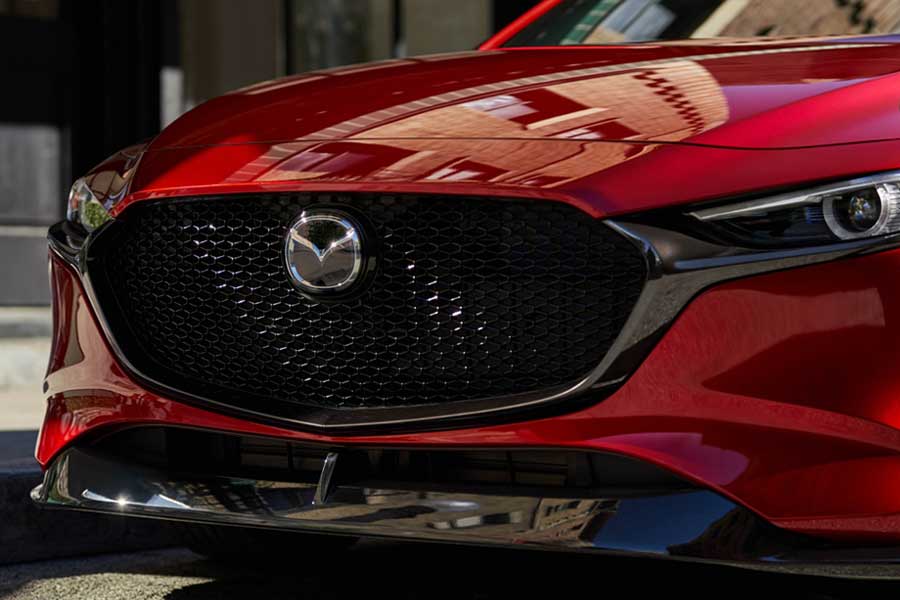
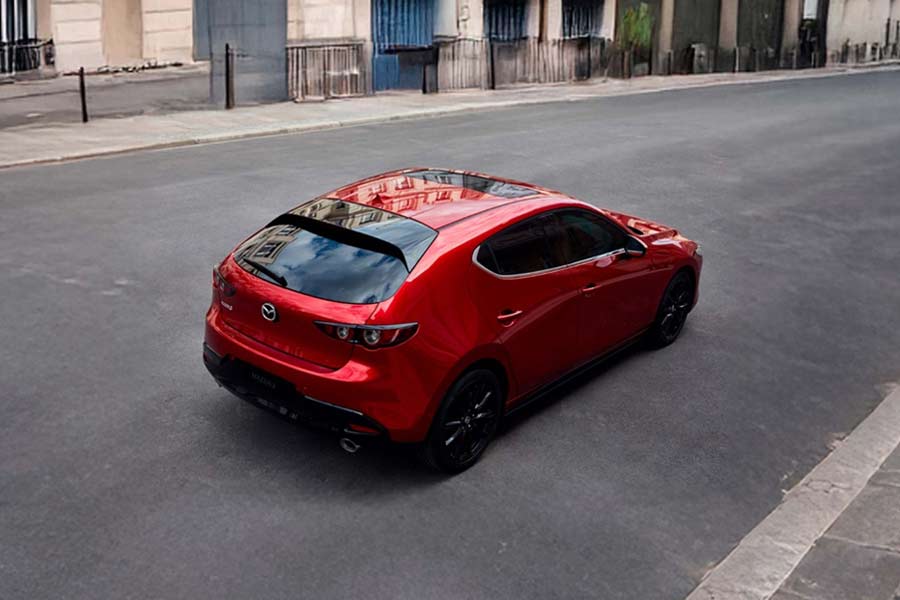
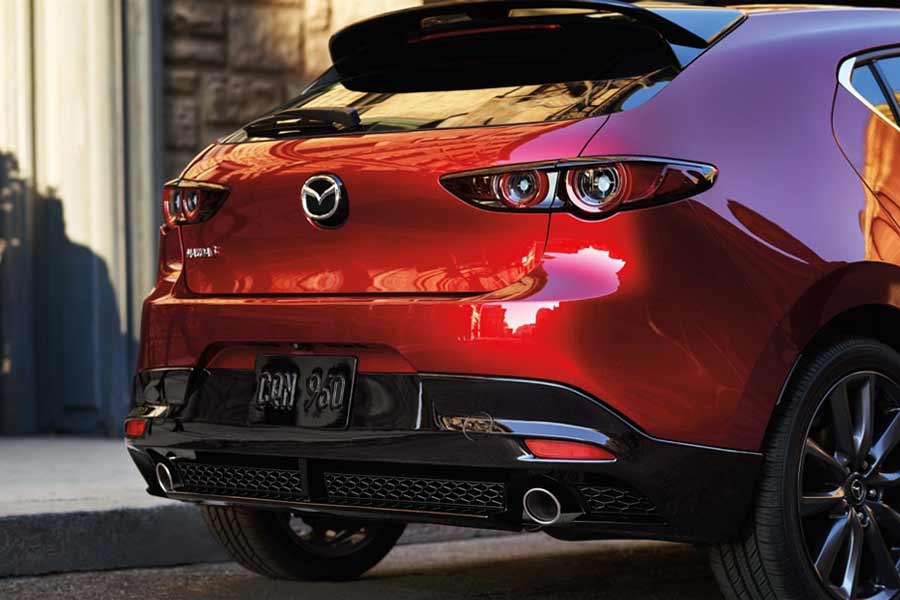
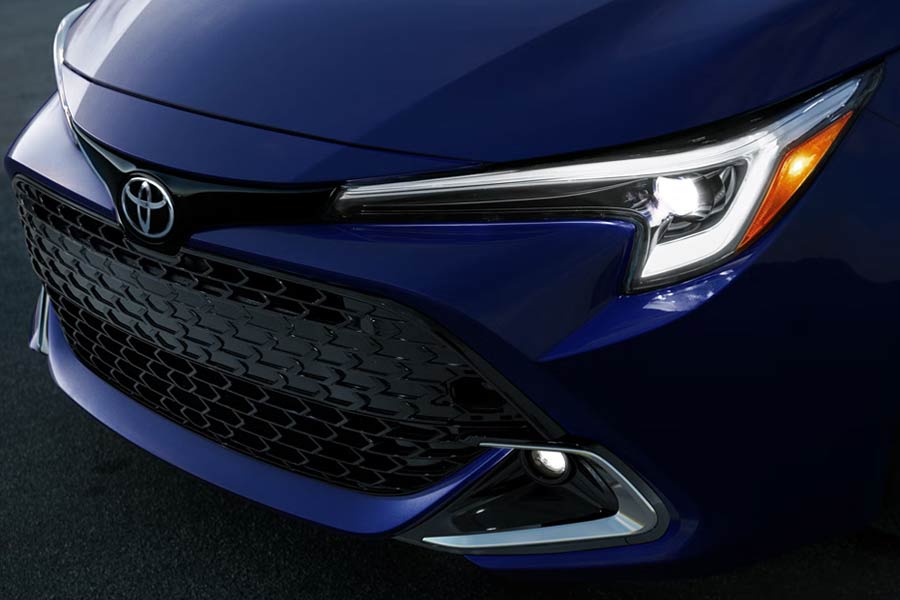
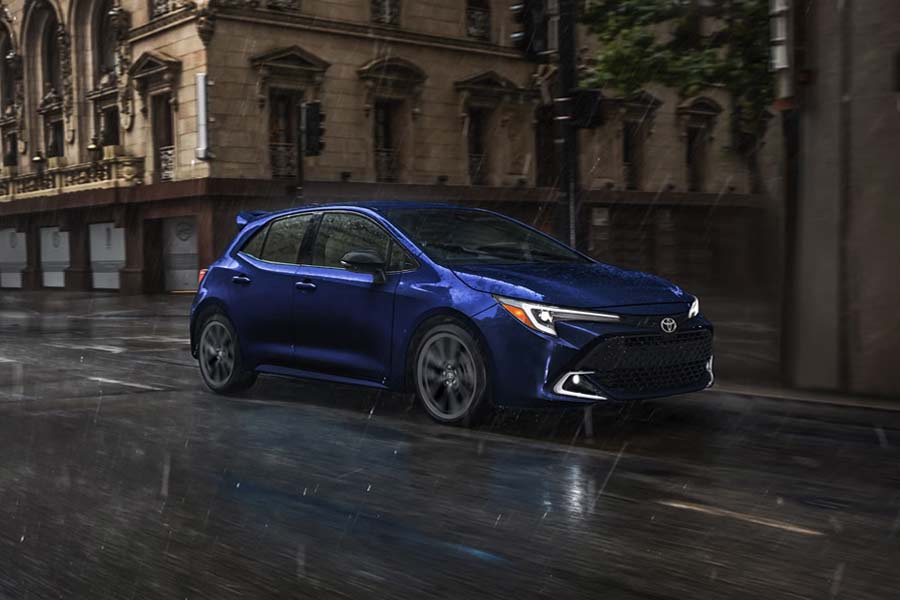
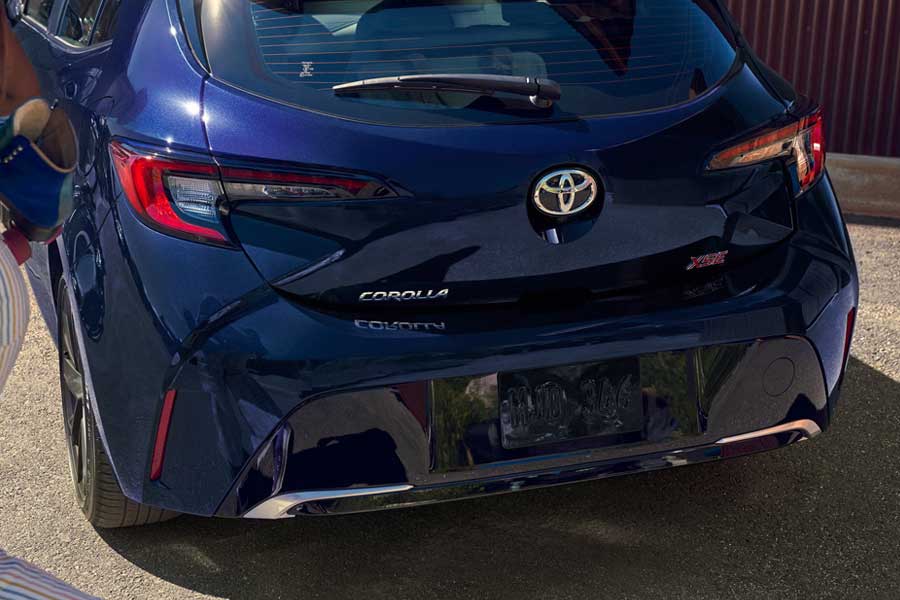
Frankly, parking these two cars side by side is a visual treat in itself, yet their definitions of “beauty” are completely different. First, look at the Mazda 3. Its “KODO – Soul of Motion” design language has evolved to become even purer on the 2026 model. The body has no superfluous lines; all the light and shadow flow along the curved surfaces. Gazing from the front to the rear, you sense a poised, rear-wheel-drive-like stance. In other words, this is a kind of emotional, elegant sportiness. By contrast, the Toyota Corolla Hatchback goes to the other extreme. Its front end sits very low, the huge trapezoidal grille is strikingly aggressive, and the full-width taillights combined with sharp character lines make it look like a compact sports machine. However, this design language leans more towards a mechanical, razor-sharp feel. In summary, the Mazda 3 is like an exquisite piece of art, whereas the Corolla resembles a cool, tech-inspired toy.
Interior and Cabin: Who Understands Your Sense of Touch Better?
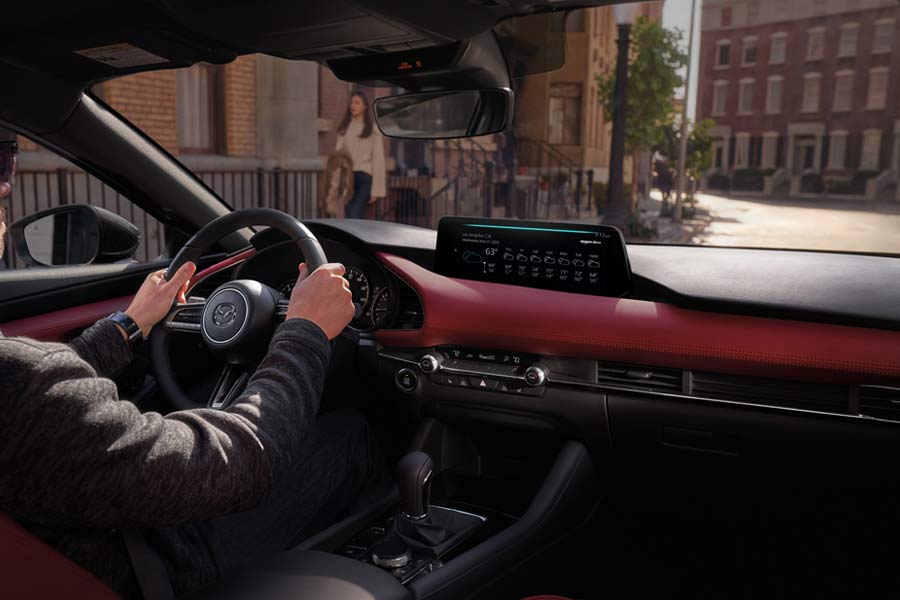
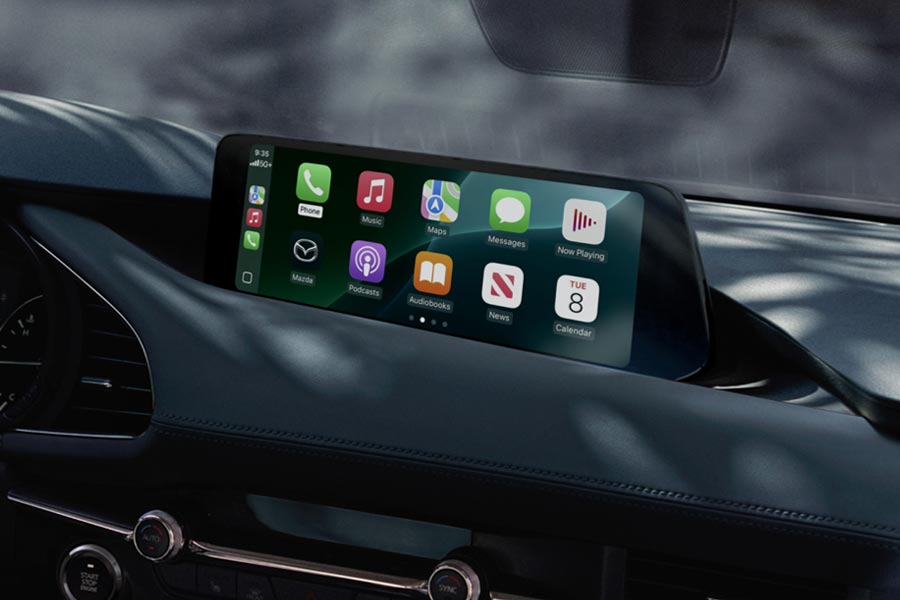
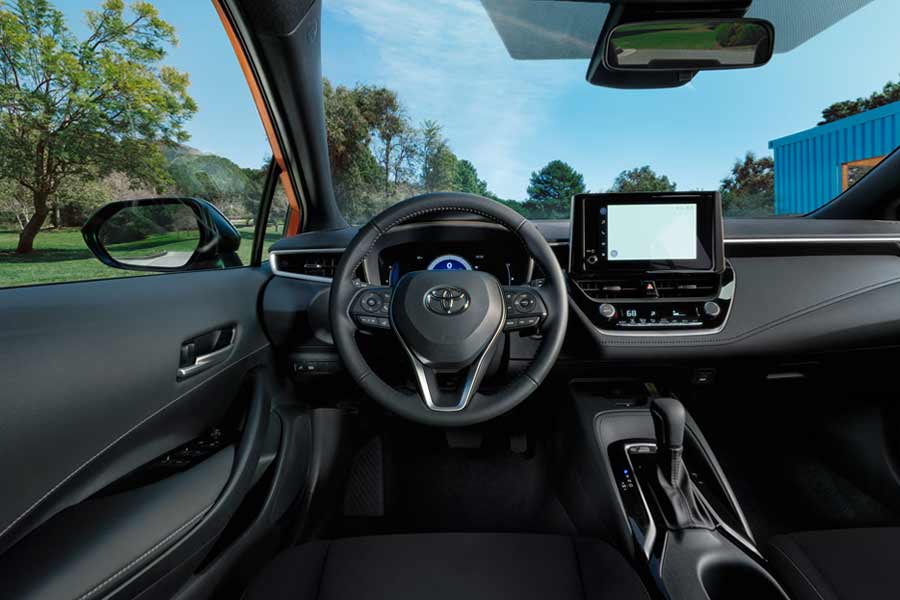
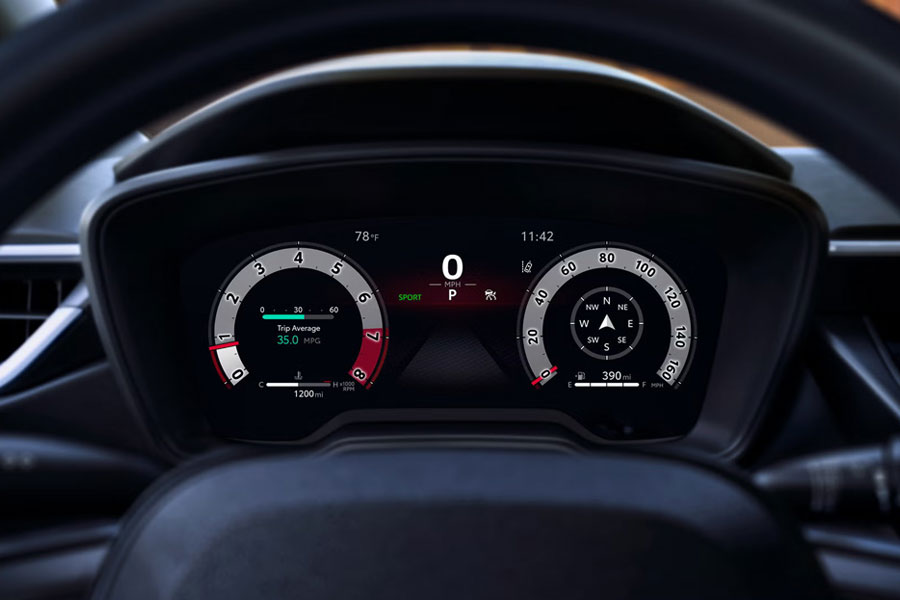
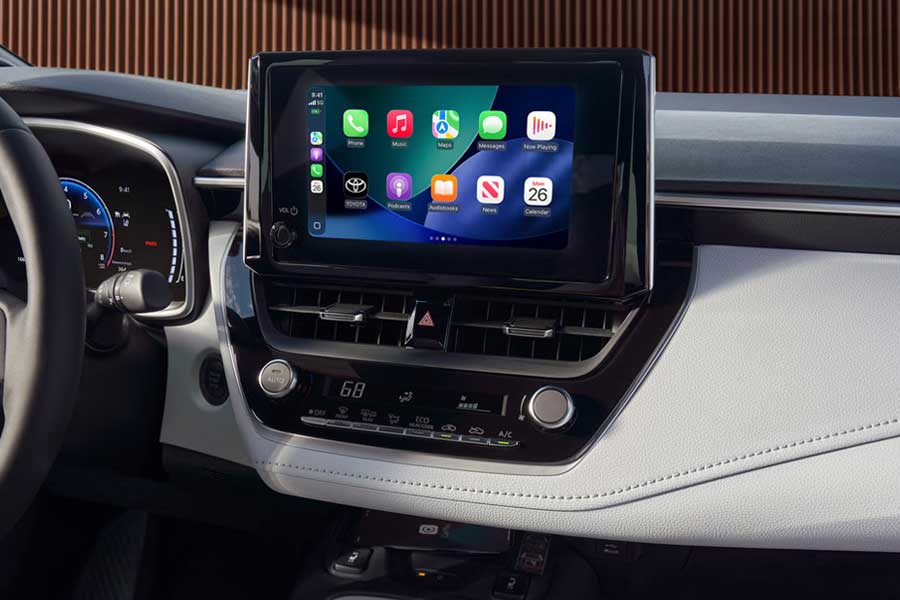
Once you sit inside, the gap between the two becomes immediately obvious – this is where the Mazda 3 holds its biggest advantage in this comparison. In fact, Mazda has been trying to move closer to luxury brands, and the 2026 Mazda 3’s interior materials are very solid. The dashboard and upper door panels are all wrapped in wonderfully soft-touch materials, and its center screen adopts a “floating” design placed quite far away. You might think this makes touch operation inconvenient, but that is exactly Mazda’s ergonomic consideration. Paired with the central rotary controller, you can operate all functions blindly without leaning forward while driving. This “driver-centric” philosophy made me fall in love with it completely during a long-distance test drive. On the other hand, the 2026 Corolla Hatchback’s interior still upholds practical principles, featuring a more traditional layout and plenty of physical buttons. To Toyota’s credit, the button feel is first-rate and they are easy to use whether you are wearing gloves or not. However, in terms of materials, there is indeed quite a bit of hard plastic below the center console. That said, the new Corolla gets a larger center screen with very fast response and an interface logic that is as intuitive as a smartphone. So, if you pursue a premium feel and a quiet private space, the Mazda 3 is superior; but if you value intuitive operation and ease of use more, the Corolla actually feels friendlier.

Space and Practicality: The Magic Lies in Mere Millimeters
The fate of a hatchback always circles back to one question: can rear passengers sit comfortably? It must be admitted that this is the Mazda 3‘s traditional weak point. Although its wheelbase figure looks decent, the pursuit of the flowing roofline compresses rear headroom. If a passenger standing 1.8 meters tall sits in the back, they may feel somewhat claustrophobic, especially in the dark headliner version, where this sensation is amplified. As for the trunk, the Mazda 3’s load floor is relatively high, and the opening is not particularly large. In comparison, the Toyota Corolla Hatchback uses space more cleverly. Its roof line does not slope down as extremely, so both rear headroom and legroom feel more airy and open. More crucially, the Corolla’s trunk floor is lower, meaning you will have an easier time loading bulky items. Therefore, if you frequently need to carry family and friends, the Corolla is unquestionably the winner in practicality.
Powertrain and Handling: Spark Plugs or Turbo?
Now, let’s talk about what’s under the hood – this is the key to whether you’ll regret swiping your card. The 2026 Mazda 3 Hatchback offers two powertrain choices. The base version is a 2.5-liter naturally aspirated engine that delivers smooth output. But the one I test-drove extensively this time was the fascinating 2.5-liter turbocharged version. This engine boasts astonishing torque and can deliver surging power using regular gasoline. Paired with a 6-speed automatic transmission, its downshift response is incredibly smart. Especially when you head onto a mountain road, the chassis dynamics feel very lively, and the rear end is even willing to enter corners with a hint of slip – this is Mazda’s unique “Jinba Ittai” (horse and rider as one). With the optional i-Activ all-wheel-drive system, its handling limits are unfathomably deep. Looking the other way, the 2026 Toyota Corolla Hatchback is powered by a 2.0-liter naturally aspirated engine. Without a turbo, its absolute power is a far cry from the Mazda 2.5T. However, Toyota’s powertrain has its own exclusive tricks. This engine has extremely high thermal efficiency and is matched with a CVT transmission equipped with a launch gear. When starting off, it reacts very briskly, completely free of the traditional CVT lag. At the same time, the Corolla’s TNGA-based chassis is highly rigid, and its suspension is full of resilience, giving you a sense of confidence behind the wheel that is even more planted than some German cars. Although it lacks a bit of the Mazda’s wild explosiveness, this linear, easy-to-control power is actually more comfortable when threading through the city.
Fuel Economy and Daily Costs
Now that the passion has subsided, we have to count the money in our pockets. Without a doubt, in terms of fuel economy, the Corolla Hatchback holds the upper hand. Its 2.0L engine paired with the highly efficient CVT delivers an ideal combined fuel consumption. In contrast, while the Mazda 3’s 2.5T engine delivers explosive power, it is indeed a gas guzzler, especially when you frequently floor the accelerator to enjoy the push-back sensation – fuel consumption will spike dramatically. Even the 2.5-liter naturally aspirated version is somewhat inferior to the Corolla in fuel economy. Additionally, Toyota’s resale value in the used car market is usually slightly higher than Mazda’s. Therefore, from the perspective of total lifecycle costs, the Corolla is clearly the more rational financial choice.
Safety and Driver Assistance
Thankfully, both of these Japanese cars make no compromises on safety. The 2026 Toyota Corolla comes standard with the latest version of Toyota Safety Sense. Its full-speed-range adaptive cruise control is very gentle, and the lane-centering assist is also very precise. Like an experienced driver, its interventions are extremely smooth and not prone to causing alarm. Meanwhile, Mazda’s i-Activsense safety system has also been updated. Its blind-spot monitoring alerts are more conspicuous, and an intersection turn-assist function has been added. It is also worth mentioning that Mazda’s rear automatic braking system is highly sensitive, helping you avoid many scrapes in parking lots with obstructed visibility. Overall, both cars’ Level 2 driver-assistance systems work well, differing only slightly in their tuning style.
Final Verdict: Which One Should You Choose?
After driving them back-to-back for several days, I was internally struggling as well. These two cars represent two distinctly different attitudes towards life. I recommend buying the 2026 Mazda 3 Hatchback if you treat driving as a pleasure rather than just a commute, are obsessed with premium interior textures and excellent NVH quietness, want that powerful turbo heart to experience a push-back thrill, and spend most of your time driving alone or with one passenger with low rear-seat usage. Conversely, you should choose the 2026 Toyota Corolla Hatchback if you need a well-rounded family runabout, have a real need for rear-seat space and trunk practicality, are extremely sensitive to fuel economy and low maintenance costs, and appreciate that decisively sporty look but don’t need excessive power. Ultimately, there is no absolute loser in this comparison guide. By choosing the Mazda, you are paying for an emotional driving experience; by choosing the Corolla, you are embracing a rational, high-value life.
Frequently Asked Questions
Q: Does the 2026 Mazda 3 Hatchback come with a manual transmission?
A: Currently, the high-grade turbocharged models of the 2026 Mazda 3 Hatchback are mainly paired with a 6-speed automatic transmission. However, in certain markets, the base model retains a manual transmission option to satisfy the needs of driving purists. Please consult your local dealer for specifics.
Q: Will the Toyota Corolla Hatchback get a hybrid version?
A: There is a lot of buzz about a hybrid version of the Corolla Hatchback. Although the sedan on the same platform already has a hybrid, as of the 2026 model year, the hatchback continues to mainly offer the 2.0L gasoline engine in most global markets. Regarding news of a hybrid introduction, we still have to wait for official final confirmation.
Q: Which car has better sound insulation?
A: This is a traditional advantage of the Mazda 3. Whether idling or cruising at highway speeds, the Mazda 3 does a better job of isolating wind and road noise. In the Corolla Hatchback, the engine noise is relatively more noticeable during hard acceleration.
Looking for top-quality new or used cars? Trust DG Motors for fast, reliable service—or visit our Phnom Penh showroom today!