You are driving on the highway. The speed reaches 100 km/h. Suddenly, the steering wheel begins to tremble. You feel the vibration in your knuckles. Your confidence wavers right along with it.
This experience is unsettling – and can even be dangerous.
Yet millions of drivers around the world have faced the same problem. The good news is: most causes can be diagnosed and fixed. More importantly, understanding these causes can help you make smarter decisions – whether it’s repairing your current vehicle or considering a replacement.
This article will guide you step by step through analyzing the possible causes of high-speed shaking. We will also introduce specific solutions.
7 Common Causes of High-Speed Vibration
1. Wheel Imbalance
An imbalance occurs when one side of a wheel is heavier than the other. At high speeds, centrifugal force amplifies this difference, causing noticeable vibration in the steering wheel or the vehicle body. When a wheel is unbalanced, the shaking usually becomes more pronounced as the speed increases.
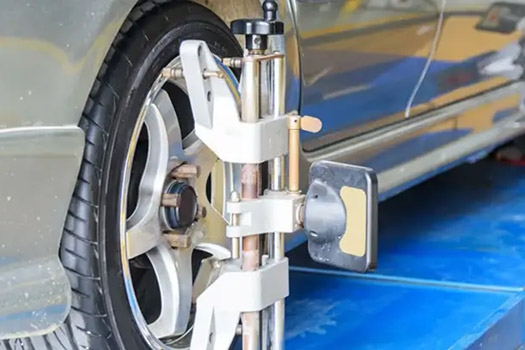
Diagnosis: Feel for vibration in the 60-80 mph range. If the vibration comes from the steering wheel, the problem is usually with the front wheels. If it comes from the seat or the floor, it indicates a problem with the rear wheels.
Solution: Go to a tire shop to have the wheel balancing done. A technician will detect the imbalance point on a balancing machine and then attach counterweights to the appropriate position on the wheel hub.
2. Wheel Alignment Issues
Wheel alignment refers to the angles at which the wheels contact the road surface. When you hit a pothole or a curb, the wheels can lose their precise calibration, leading to steering wheel vibration and pulling to one side.
Diagnosis: Observe whether the vehicle automatically pulls to one side on a flat road. Also check the tires for signs of uneven wear.
Solution: Get a professional four-wheel alignment. Most repair shops are equipped with laser alignment equipment that can precisely adjust the wheel angles.
3. Tire Problems
Tires can trigger a variety of vibration problems. Underinflation, uneven wear, or a broken internal cord layer can all cause high-speed shaking.
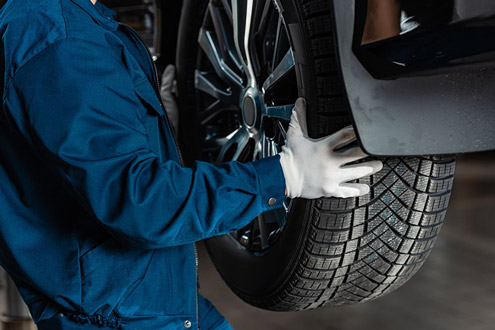
Diagnosis: First, check tire pressures. Then visually inspect the tread wear patterns. Look for any bulges or abnormal deformations.
Solution: Adjust tire pressures to the specified standard. If uneven wear is found, promptly rotate the tires. If the tread is severely worn or bulges are present, be sure to replace the tires in a timely manner. After all, old tires are a matter of safety.
4. Warped Brake Rotors
If vibration occurs only when you apply the brakes, the problem most likely lies in the braking system.
Warped brake rotors cause a pulsating vibration in the brake pedal and the steering wheel.
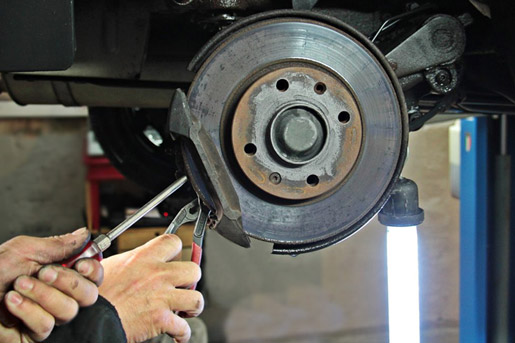
Diagnosis: On a safe section of road, gently apply the brakes at a moderate speed. Feel for a rhythmic pulsation in the brake pedal and the steering wheel.
Solution: Depending on the degree of warping, a technician can resurface the rotor (machine the brake disc surface) or directly replace it with a new one.
5. Worn Suspension Components
The suspension system connects the vehicle body to the wheels. Its moving parts are constantly working. Over time, ball joints, control arm bushings, and shock absorbers age and wear out. Once these components develop play, they cause instability and vibration at high speeds.
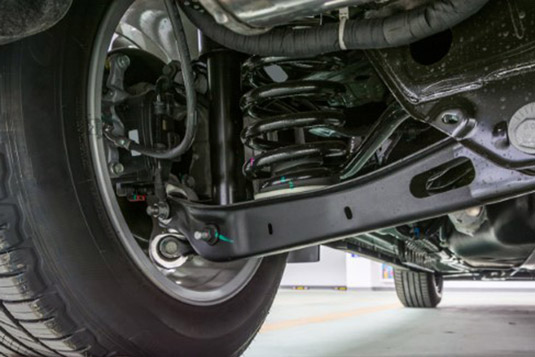
Diagnosis: Listen carefully for knocking noises when driving over bumps. Check for oil stains around the shock absorbers. Inspect the ball joint dust boots for damage.
Solution: Replace the worn components. Timely repair can avoid costly collateral damage.
6. Drive Shaft Problems
If your vehicle is front-wheel drive or all-wheel drive, the drive shafts transmit power to the wheels. Worn universal joints or a bent drive shaft can cause severe vibration at high speeds and during acceleration.
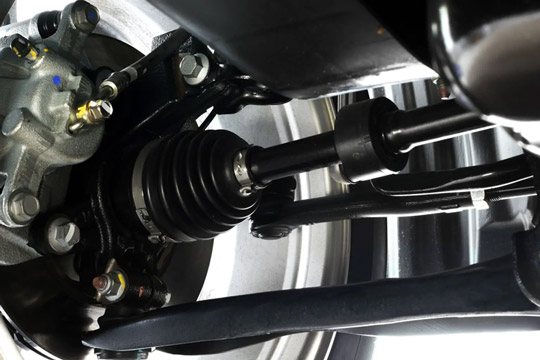
Diagnosis: Pay attention to whether the vibration intensifies when accelerating. Listen carefully for clicking noises when turning.
Solution: Replace the damaged drive shaft or CV joint. This is a safety issue and must not be delayed.
7. Worn Engine Mounts
Engine mounts are the engine’s cushioning rubber pads. They absorb engine vibrations and prevent them from being transmitted to the vehicle body. When the mount rubber ages and cracks, vibrations intensify both at idle and while driving.
Diagnosis: Open the hood and observe whether the engine rocks noticeably when shifting into D or R gear.
Solution: Replace the worn engine mounts. Usually, all mounts need to be replaced at once.
Step-by-Step Diagnostic Guide
If you have a certain level of hands-on ability, you can follow these steps to troubleshoot:
Step 1: Perform a road test. Note the specific speed range where the vibration occurs. Determine whether the vibration comes from the steering wheel, the seat, or the floor. Observe whether the shaking worsens as speed increases.
Step 2: Inspect the tires. First, check tire pressures. Then check whether the tread wear is even. Carefully look for bulges and damage marks.
Step 3: Inspect the suspension system. After lifting the vehicle, check the ball joints, control arm bushings, and tie-rod ends one by one for any looseness or play.
Step 4: Inspect the drivetrain. Check the drive shafts and CV joint dust boots for damage, grease leakage, or play.
Step 5: Visit a professional repair shop. If none of the above inspections reveal the problem, go to a reliable repair shop equipped with professional diagnostic tools. They can test for wheel imbalance on a dynamic balancing machine, while also checking brake rotor runout and suspension alignment parameters.
Quick Reference Table: Vibration Types and Likely Causes
| Vibration Symptom | Most Likely Cause |
| Vibration occurs only in a specific speed range (60-80 mph) | Wheel imbalance |
| Steering wheel shakes when braking | Warped brake rotors |
| Vehicle pulls to one side and vibrates | Wheel alignment issues |
| Vibration intensifies during acceleration | Drive shaft / CV joint problems |
| Persistent shaking after driving over bumps | Worn suspension components |
| Vibration at idle and at low speeds | Worn engine mounts |
| Abnormal tire noise accompanied by vibration | Uneven or damaged tires |
Prevention Is Better Than Repair
Whether you decide to repair your current vehicle or look for a replacement among cars for sale in Cambodia, please keep the following suggestions in mind:
Regular maintenance is key. Follow the manufacturer’s recommended maintenance schedule, and regularly perform tire rotations and wheel balance inspections.
Develop good driving habits. Avoid potholes whenever possible. Go over speed bumps carefully. Avoid harsh acceleration and hard braking.
Pay attention to warning signs. Once you notice abnormal vibration, be sure to inspect and address it in a timely manner. A small problem today can turn into a hefty repair bill tomorrow.
Conclusion: Take Control of Your Driving Safety
Vehicle vibration at high speeds is not only uncomfortable, it is also a clear safety warning sign. Ignoring it is never a smart move.
We have covered seven common causes and their solutions. From simple tire balance problems to more complex drive shaft faults, most issues can be diagnosed and repaired by a professional.
Whatever decision you make, always put safety first. Get it checked, get it fixed, and stay safe on the road.
Looking for top-quality new or used cars? Trust DG Motors for fast, reliable service—or visit our Phnom Penh showroom today!