Contents
hide
- 1. Revving the engine hard immediately after a cold start
- 2. Waiting until the fuel tank is almost empty before refueling
- 3. Speeding over speed bumps and potholes
- 4. Parking with the wheels not straightened and mounting the curb with one side
- 5. Staying in Drive with your foot on the brake at red lights
- 6. Coasting in Neutral to save fuel
- 7. Chronic short trips and frequent start-stop driving
- 8. Ignoring dashboard warning lights and delaying maintenance
Whether you’re speeding down Germany’s unrestricted autobahn or threading through the crowded streets of Southeast Asia, cars all follow the same mechanical principles. Yet, drivers around the world unknowingly repeat certain wrong moves. In fact, these seemingly harmless everyday habits are quietly eating away at your beloved car’s lifespan, bit by bit. More critically, many problems don’t show up right away. As a result, by the time you notice, the repair bill is often shockingly high. This article will reveal those universally practiced car-destroying actions and tell you how to proactively protect your vehicle.
1. Revving the engine hard immediately after a cold start
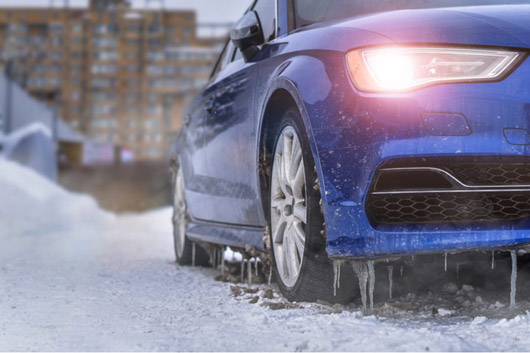
On a freezing winter day, if you start the car and immediately floor the accelerator and set off, it will damage the engine. Because engine oil becomes thick at low temperatures, it needs time to fully circulate to every metal component. When you force high RPMs, you cause severe “dry friction” damage. Moreover, turbocharged models react even more sensitively to hard acceleration when cold. Instead, simply drive smoothly for a few minutes, letting the engine and transmission warm up gently. In this way, the vast majority of wear can be silently avoided.
2. Waiting until the fuel tank is almost empty before refueling
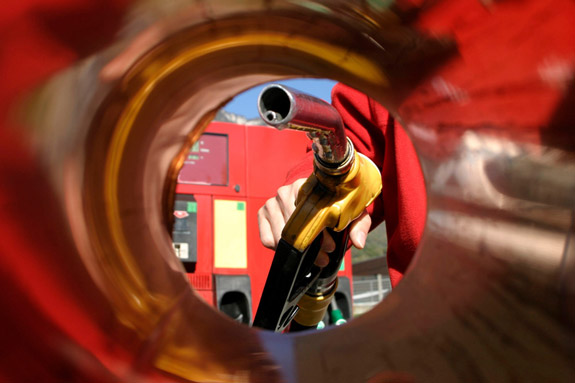
You might delay refueling to round up a payment, or simply to avoid making a detour, always forcing the fuel gauge needle deep into the red zone before you fill up. But this is a very expensive habit. The fuel pump inside the tank relies on gasoline for cooling and lubrication. When the fuel level is too low, the pump becomes exposed and heats up rapidly. Over time, internal wear of the pump increases dramatically. Consequently, your fuel pump could fail at any moment, leaving you stranded on the road. In scorching weather, like in the Middle East or Australia, this risk is even doubled. Remember to refuel when there is still a quarter of a tank left – it is an investment with an extremely high rate of return.
3. Speeding over speed bumps and potholes
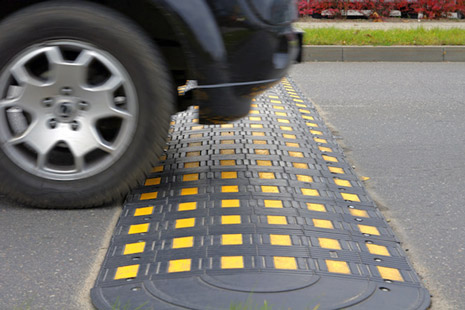
When facing a speed bump, you may just tap the brakes lightly, or even charge straight over it without slowing down at all. Likewise, you often drive right over potholes on the road surface. This impact force does not simply disappear. It is directly transmitted to the suspension system, steering tie rods and shock absorbers. On rough country roads or in poorly maintained urban areas, this habit will quickly make the chassis feel loose. As a result, you may face leaking shock absorbers, suspension rattles and failed wheel alignment. At the same time, low-profile tires can directly develop bulges or even blow out. Slowing down at every bump is the universal rule for preserving your car.
4. Parking with the wheels not straightened and mounting the curb with one side
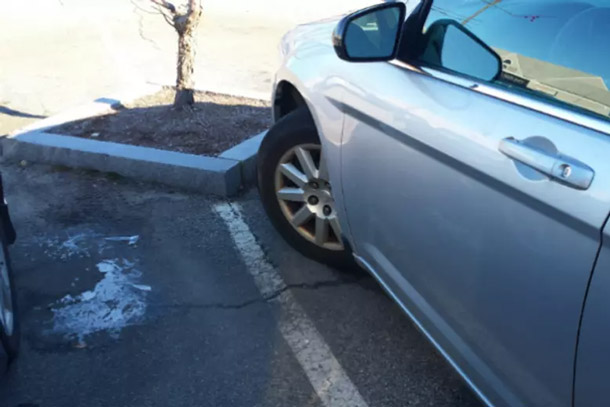
On narrow streets, to leave room for other vehicles, you often mount one side of the wheels onto the sidewalk. Or you park on a slope without turning the steering wheel in the correct direction. First, prolonged one-sided load will cause the suspension and shock absorbers to suffer premature metal fatigue. Second, leaving the wheels unstraightened keeps the steering tie rods and dust boots in a state of constant tension. Even worse, this practice slowly reduces the lifespan of the steering rack seals. By simply taking two extra seconds to park straight and level, your chassis components can last several more years.
5. Staying in Drive with your foot on the brake at red lights
Owners of automatic cars frequently make this mistake. You stop at a busy intersection, keep the shifter in Drive, and press the brake pedal firmly with your foot. The torque converter is continuously straining under load, causing the transmission fluid temperature to climb rapidly. The accompanying vibration also accelerates the aging of the engine mounts. In fact, when waiting for more than 20 seconds, you had better shift into Neutral and pull the handbrake. This not only frees your right foot but also allows the drivetrain to completely shed its load. More importantly, if you are rear-ended, staying in Park can damage the transmission parking pawl, whereas Neutral with the handbrake engaged is far safer.
6. Coasting in Neutral to save fuel
This originates from an old myth dating back to the carburetor era. Even today, in many driving schools across the globe, instructors still teach this technique. However, modern electronically fuel-injected engines cut off fuel when coasting in gear, relying entirely on the wheels to back-drive the engine. If you shift into Neutral, the engine instead reverts to idle fuel injection, which saves no fuel at all and causes additional wear. More importantly, when going downhill, coasting in Neutral forces the braking system to bear all the braking force alone. Accompanied by sustained high temperatures, the brake fluid can easily boil, leading to brake failure. Therefore, always coast with an appropriate gear engaged, letting engine braking share the responsibility for your safety.
7. Chronic short trips and frequent start-stop driving
You may drive just three or four kilometers a day to the supermarket or to drop off the kids, turning off the engine before it ever reaches normal operating temperature. In winter, this habit is the number one culprit of engine wear. Water vapor and incompletely burned fuel in the air-fuel mixture condense and seep into the oil pan, causing oil emulsification. The battery will also suffer from frequent high-current discharge without being recharged in time, failing prematurely due to power loss. To counter this, you should schedule at least one continuous drive of over twenty minutes per week. By using the fully warmed-up engine to evaporate the moisture, the inside of your engine can always remain as clean as new.
8. Ignoring dashboard warning lights and delaying maintenance
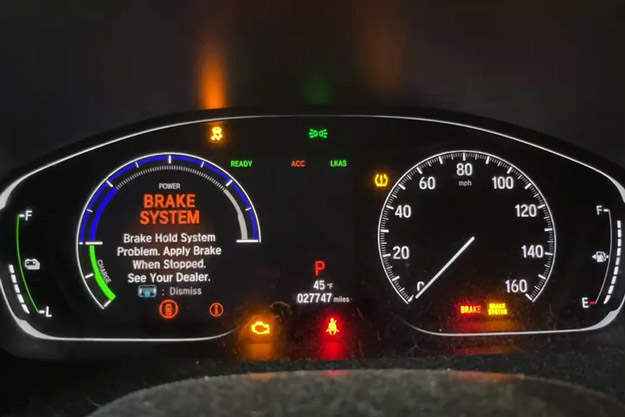
Finally, this is the most common yet most damaging mindset worldwide. You see a yellow warning light come on and think to yourself, “I’ll deal with it next time.” Or you have exceeded the service interval by thousands of kilometers and are still speeding along the highway. The sensors of modern cars are very sensitive, and the signals they provide often nip minor faults in the bud. If you dismiss the warning and keep driving, you will only allow small problems to snowball into major overhauls. In fact, promptly reading the fault codes and eliminating hidden dangers is the most cost-effective strategy for maintaining your car.
From now on, please re-examine every detail behind your steering wheel. Break these car-destroying habits and proactively accumulate health capital for your vehicle. After all, a car in perfect condition is forever your most loyal companion on your journeys around the globe.
Looking for top-quality new or used cars? Trust DG Motors for fast, reliable service—or visit our Phnom Penh showroom today!