Contents
hide
- Understanding Car Sensors
- The Problem with Traditional Warning Systems
- How AI Detects Sensor Failure Early
- Examples of Sensors AI Can Monitor
- AI in Connected Vehicles
- Benefits of AI-Based Sensor Diagnostics
- AI and the Future of Automotive Maintenance
- Challenges and Limitations
- Why This Matters for Used Car Buyers
- The Role of AI in Electric Vehicles
- Final Thoughts
Modern vehicles rely heavily on sensors to monitor engine performance, fuel efficiency, emissions, safety systems, and overall driving conditions. From oxygen sensors to tire pressure monitors, these components continuously collect data to help vehicles operate efficiently. However, sensor problems often develop long before a dashboard warning light appears.
Thanks to advancements in artificial intelligence (AI), automotive diagnostics are becoming more predictive than reactive. AI-powered systems can now analyze driving data, identify unusual patterns, and detect early signs of sensor failure before traditional warning systems alert the driver.
This article explores how AI detects early car sensor problems, why predictive diagnostics matter, and how this technology benefits drivers searching for a reliable car for sale in cambodia.
Understanding Car Sensors
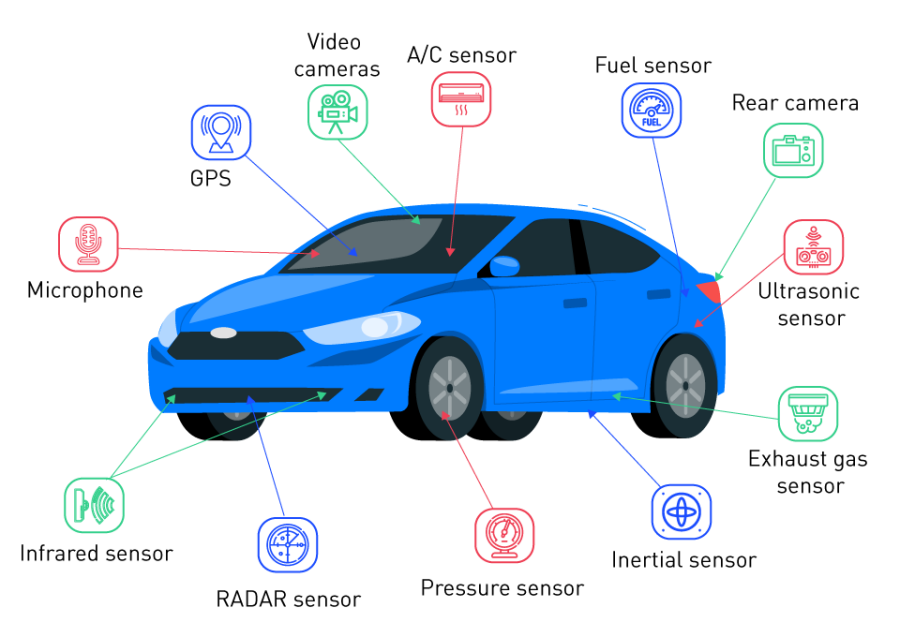
Modern cars contain dozens — sometimes hundreds — of sensors that monitor various systems, including:
- Engine temperature
- Oxygen levels
- Airflow
- Tire pressure
- Fuel injection
- Brake performance
- Transmission behavior
- Battery condition
These sensors send real-time information to the vehicle’s onboard computer, allowing the engine control unit (ECU) to adjust performance and maintain efficiency.
When a sensor starts failing, it may provide inaccurate readings before completely breaking down. In many cases, the dashboard warning light only activates once the issue becomes severe enough to trigger fault codes.
The Problem with Traditional Warning Systems
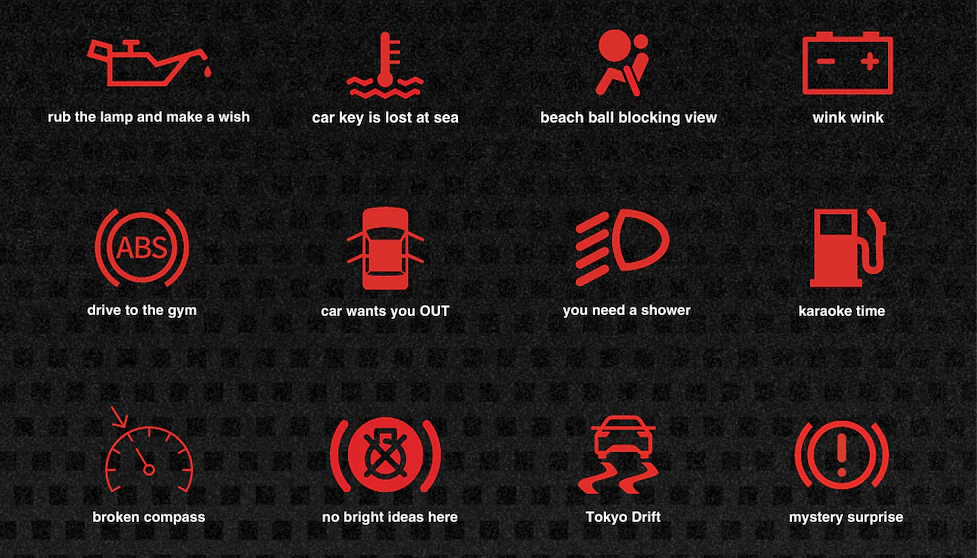
Traditional vehicle diagnostics are reactive. The system waits until sensor readings exceed predefined limits before displaying a warning.
This approach creates several problems:
Delayed Detection
Minor sensor degradation may continue for weeks or months before triggering an alert.
Increased Repair Costs
Small problems can evolve into larger mechanical failures if left unnoticed.
Reduced Fuel Efficiency
Faulty sensors may cause poor fuel-air mixtures, leading to higher fuel consumption.
Unexpected Breakdowns
Drivers may experience sudden performance issues without prior warning.
AI aims to solve these limitations by identifying subtle abnormalities earlier.
How AI Detects Sensor Failure Early
Artificial intelligence uses machine learning algorithms to analyze massive amounts of vehicle data in real time. Instead of waiting for complete sensor failure, AI looks for unusual patterns and deviations from normal behavior.
Pattern Recognition
AI systems learn how a healthy sensor behaves under different driving conditions. If the data begins drifting outside normal patterns, the system can flag a potential issue early.
For example:
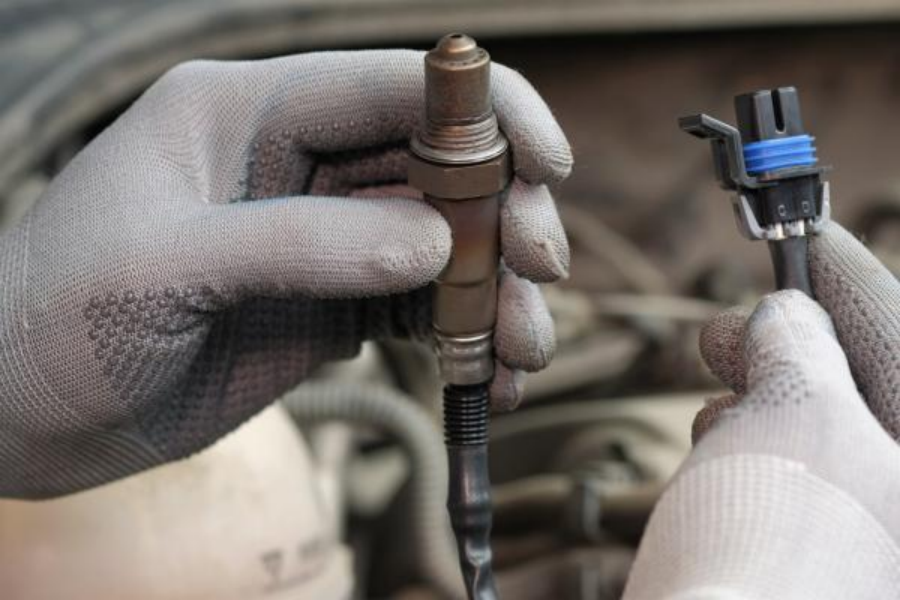
- An oxygen sensor may respond slightly slower than usual
- A tire pressure sensor may show inconsistent readings
- A temperature sensor may fluctuate abnormally
Even if these issues do not trigger traditional fault codes, AI can recognize them as early warning signs.
Predictive Maintenance
Predictive maintenance is one of AI’s biggest advantages. By analyzing historical data and real-time performance, AI estimates when a component is likely to fail.
This allows drivers to:
- Replace sensors before breakdowns occur
- Avoid expensive repairs
- Improve vehicle reliability
- Reduce downtime
Continuous Data Monitoring
Unlike periodic inspections, AI systems continuously monitor sensor data while the vehicle operates.
This creates faster detection of:
- Electrical inconsistencies
- Voltage irregularities
- Communication errors
- Gradual sensor degradation
Examples of Sensors AI Can Monitor
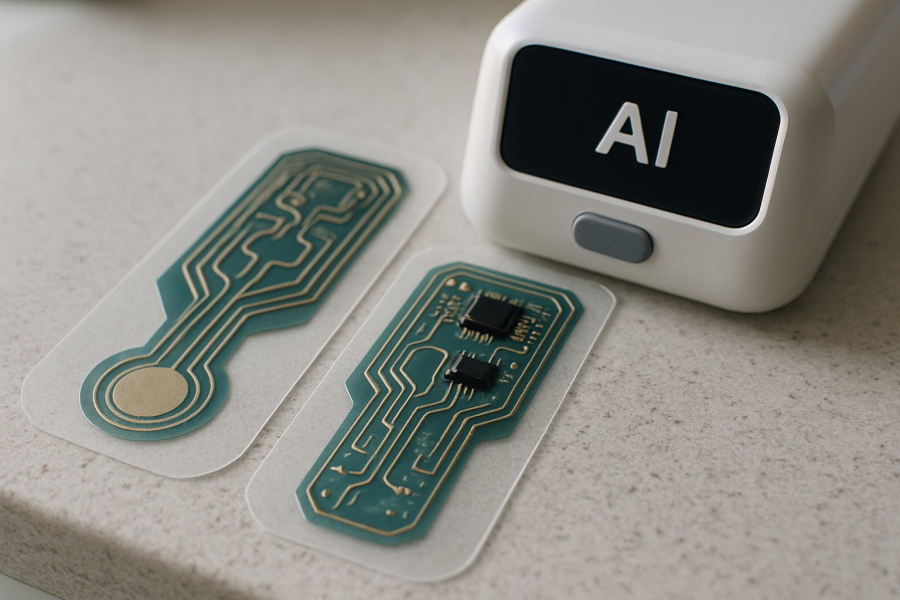
Oxygen Sensors
AI can identify slower response times that may affect emissions and fuel economy before the check engine light activates.
Mass Airflow Sensors
Small airflow reading inconsistencies may indicate contamination or wear.
Tire Pressure Monitoring Sensors
AI can detect irregular pressure trends and identify potential leaks or faulty sensors.
Battery Sensors in Electric Vehicles
AI systems monitor battery temperature, charging patterns, and voltage behavior to predict battery issues early.
Brake System Sensors
Abnormal brake wear patterns or inconsistent sensor readings can indicate future braking problems.
AI in Connected Vehicles
Connected vehicles generate enormous amounts of telematics data. Many manufacturers now use cloud-based AI systems that collect and analyze data remotely.
These systems can:
- Send maintenance alerts to mobile apps
- Schedule service appointments automatically
- Recommend preventive repairs
- Improve long-term vehicle reliability
As automotive technology advances, buyers searching for a dependable car for sale in cambodia increasingly value vehicles equipped with smart diagnostic systems and AI-supported maintenance features.
Benefits of AI-Based Sensor Diagnostics
Reduced Repair Costs
Early detection helps drivers fix small problems before they become expensive repairs.
Improved Safety
AI can identify failures in critical systems like brakes, steering, and tire pressure before they become dangerous.
Better Fuel Efficiency
Healthy sensors help optimize engine performance and reduce fuel consumption.
Longer Vehicle Lifespan
Preventive maintenance reduces wear on major engine and transmission components.
Less Downtime
Fleet operators and daily commuters benefit from fewer unexpected breakdowns.
AI and the Future of Automotive Maintenance
The automotive industry is rapidly moving toward predictive maintenance powered by AI.
Future vehicles may include:
- Self-diagnosing systems
- Automatic software corrections
- Remote sensor calibration
- Real-time performance optimization
- AI-generated repair recommendations
Some advanced vehicles already notify service centers automatically when potential issues are detected.
For consumers considering a modern car for sale in cambodia, AI-driven maintenance features may become an important factor when choosing newer vehicle models.
Challenges and Limitations
Although AI diagnostics are highly promising, they still face some limitations.
Data Accuracy
AI systems depend on accurate sensor data. If multiple sensors fail simultaneously, diagnosis becomes more difficult.
Software Complexity
Advanced diagnostic software requires regular updates and cybersecurity protection.
Repair Costs for Advanced Systems
Some AI-equipped vehicles may require specialized technicians and equipment.
False Positives
Occasionally, AI systems may detect anomalies that do not result in actual failures.
Despite these challenges, AI technology continues improving rapidly.
Why This Matters for Used Car Buyers
When purchasing a used vehicle, hidden sensor issues can become costly surprises. Vehicles equipped with advanced AI diagnostic systems provide greater transparency into component health and maintenance history.
This is especially valuable for buyers searching online for a trusted car for sale in cambodia, where road conditions, climate, and maintenance quality can vary significantly.
AI-assisted diagnostics can help buyers:
- Evaluate vehicle condition more accurately
- Detect hidden mechanical issues
- Reduce long-term ownership risks
- Improve resale value
The Role of AI in Electric Vehicles
Electric vehicles (EVs) rely even more heavily on sensors than traditional gasoline-powered cars.
AI helps monitor:
- Battery health
- Charging efficiency
- Thermal management
- Motor performance
- Energy consumption
As EV adoption grows worldwide, AI-based diagnostics will become increasingly important for vehicle reliability and battery longevity.
Final Thoughts
AI is transforming automotive diagnostics from reactive maintenance to predictive maintenance. Instead of waiting for dashboard warning lights, AI systems can analyze sensor behavior, identify abnormal patterns, and predict failures before serious problems occur.
This technology offers major benefits, including:
- Lower repair costs
- Improved safety
- Better fuel efficiency
- Longer vehicle lifespan
- Reduced breakdown risk
As automotive technology continues evolving, AI-powered diagnostics will likely become standard in both new and used vehicles. For drivers and buyers exploring a modern car for sale in cambodia, vehicles equipped with intelligent monitoring systems may offer greater reliability, lower maintenance costs, and improved peace of mind in the years ahead.
Looking for top-quality new or used cars? Trust DG Motors for fast, reliable service—or visit our Phnom Penh showroom today!