Contents
hide
- Why Heavy Rain Makes Driving More Dangerous
- Slow Down and Drive Smoothly
- Keep a Safe Following Distance
- Turn On Your Headlights
- Inspect Your Tires Regularly
- Replace Worn Windshield Wipers
- Avoid Sudden Braking
- Never Drive Through Flooded Roads
- Watch Out for Hydroplaning
- Check Your Vehicle Before the Rainy Season
- Choose the Right Vehicle for Rainy Conditions
- Prepare for Emergency Situations
- Drive Defensively
- Conclusion
Heavy rain is one of the most dangerous weather conditions for drivers. Reduced visibility, slippery roads, and the risk of hydroplaning can significantly increase the chances of accidents. Whether you’re commuting to work, taking a road trip, or searching for a car for sale in Cambodia, understanding how to drive safely during heavy rain is essential.
In this guide, we’ll share practical tips to help you stay safe behind the wheel when driving in rainy conditions.
Why Heavy Rain Makes Driving More Dangerous
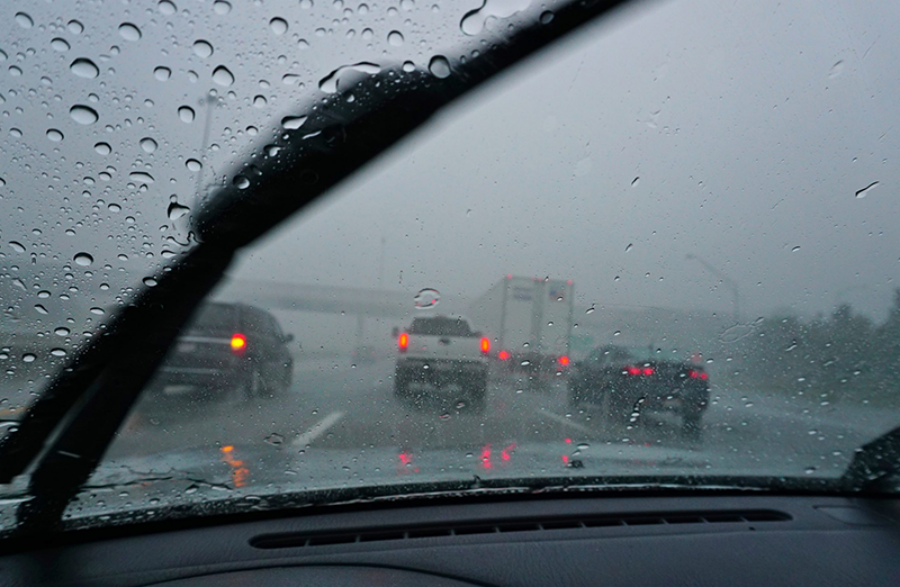
Rain affects nearly every aspect of driving. Water on the road reduces tire traction, making it more difficult to brake, steer, and accelerate safely. Visibility also decreases as rain covers your windshield and spray from other vehicles limits your view.
Common hazards during heavy rain include:
- Hydroplaning
- Longer stopping distances
- Poor visibility
- Flooded roads
- Reduced tire grip
- Hidden potholes and road damage
Understanding these risks is the first step toward preventing accidents.
Slow Down and Drive Smoothly

One of the simplest yet most effective safety tips is to reduce your speed. Driving too fast on wet roads increases the likelihood of losing control.
Instead of making sudden movements:
- Accelerate gently
- Brake gradually
- Steer smoothly
- Leave extra space between vehicles
Driving at a moderate speed gives your tires more time to maintain contact with the road surface.
Keep a Safe Following Distance
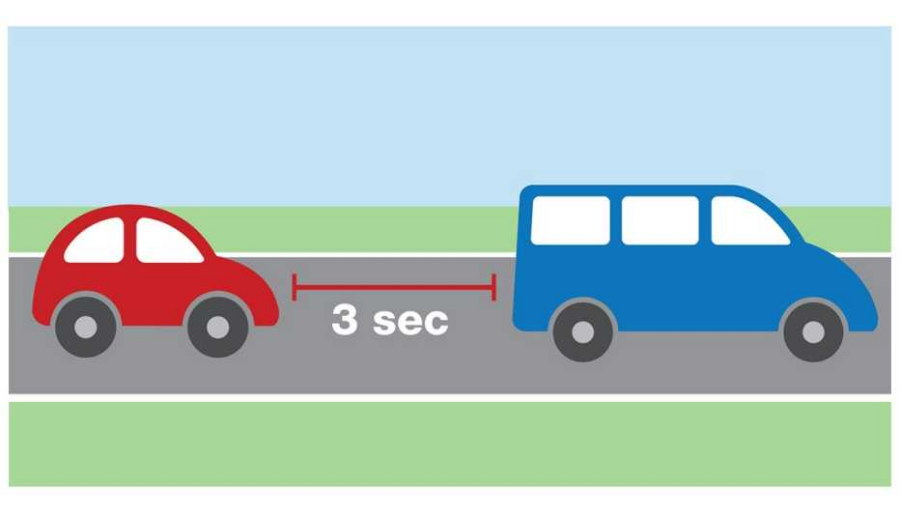
During heavy rain, your braking distance can nearly double. Experts recommend increasing your following distance from the normal three seconds to at least five or six seconds.
This additional space gives you enough time to react if the vehicle ahead suddenly slows down or stops.
Turn On Your Headlights
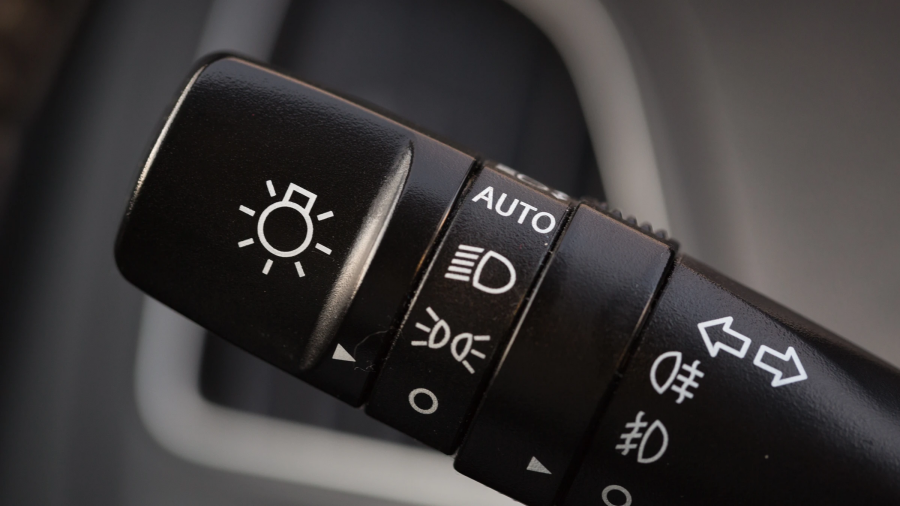
Many drivers mistakenly rely only on daytime running lights during rain. However, low-beam headlights improve your visibility while also helping other drivers see your vehicle.
Avoid using high beams, as they can reflect off raindrops and reduce visibility even further.
Inspect Your Tires Regularly
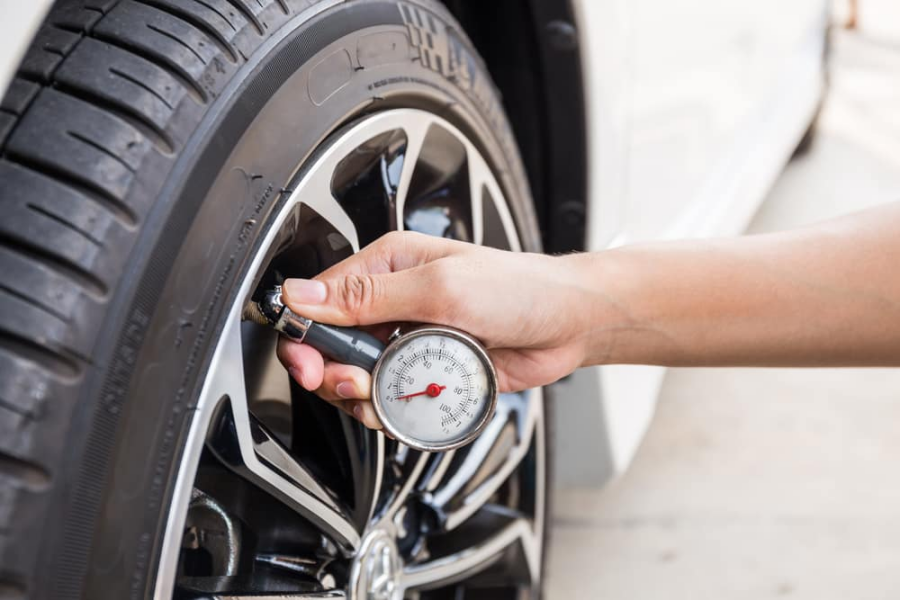
Your tires play the most important role in maintaining traction on wet roads.
Before driving during the rainy season, check:
- Tire tread depth
- Tire pressure
- Uneven tire wear
- Signs of damage
Properly maintained tires greatly reduce the risk of hydroplaning.
If you’re shopping for a car for sale in Cambodia, choosing a vehicle with quality tires and modern safety systems can improve driving confidence during rainy weather.
Replace Worn Windshield Wipers
Good visibility is essential for safe driving.
Windshield wipers should clear water quickly without leaving streaks. If your wipers squeak, skip across the windshield, or leave water behind, it’s time to replace them.
Also remember to:
- Fill windshield washer fluid
- Clean the windshield regularly
- Defog windows using the air conditioner or defroster
Avoid Sudden Braking
Sudden braking can cause your vehicle to skid on wet pavement.
Instead:
- Ease off the accelerator
- Apply the brakes gradually
- Maintain steady steering
Vehicles equipped with Anti-lock Braking Systems (ABS) help maintain steering control during emergency braking, but drivers should still avoid panic braking whenever possible.
Never Drive Through Flooded Roads
Floodwater is often much deeper than it appears.
Even shallow water can:
- Stall the engine
- Damage electrical components
- Wash vehicles off the road
- Hide dangerous obstacles
If you cannot determine the depth of standing water, turn around and choose another route.
Remember: It’s always safer to arrive late than not arrive at all.
Watch Out for Hydroplaning
Hydroplaning occurs when your tires lose contact with the road because of a layer of water.
If your vehicle begins to hydroplane:
- Stay calm
- Ease off the accelerator
- Keep the steering wheel straight
- Avoid sudden braking
- Wait until tire traction returns
Proper tire maintenance and slower driving speeds greatly reduce the risk of hydroplaning.
Check Your Vehicle Before the Rainy Season
Preventive maintenance helps keep your vehicle safe year-round.
Inspect the following:
- Brake system
- Tires
- Windshield wipers
- Headlights
- Tail lights
- Battery
- Air conditioning
- Defroster
Many modern vehicles also include advanced safety technologies such as Electronic Stability Control (ESC), Traction Control Systems (TCS), and Automatic Emergency Braking (AEB), which provide additional protection during wet weather.
Choose the Right Vehicle for Rainy Conditions
If you’re planning to purchase a vehicle, consider how it performs in different weather conditions.
When looking for a car for sale in Cambodia, prioritize models that offer:
- ABS braking
- Electronic Stability Control
- Traction Control
- Multiple airbags
- High-quality tires
- Good ground clearance
- Reliable visibility features
- Excellent safety ratings
These features can make a significant difference when driving during Cambodia’s rainy season.
Prepare for Emergency Situations
Every vehicle should carry a basic emergency kit, especially during periods of heavy rainfall.
Recommended items include:
- Flashlight
- Reflective warning triangle
- First-aid kit
- Phone charger
- Drinking water
- Raincoat
- Tire repair kit
- Portable air compressor
Preparation can help you handle unexpected situations safely.
Drive Defensively
Heavy rain requires extra patience and concentration.
Avoid distractions such as:
- Using your phone
- Eating while driving
- Adjusting navigation unnecessarily
Always stay alert for pedestrians, motorcycles, bicycles, and vehicles that may stop suddenly.
Defensive driving reduces your risk even when other road users make mistakes.
Conclusion
Driving in heavy rain requires preparation, caution, and good judgment. By slowing down, maintaining your vehicle, keeping a safe following distance, and avoiding flooded roads, you can greatly reduce the risk of accidents.
If you’re considering purchasing a car for sale in Cambodia, choosing a vehicle equipped with modern safety features and maintaining it properly will help you stay safe throughout the rainy season. Safe driving isn’t just about the driver—it also depends on driving a reliable vehicle that performs well in challenging weather conditions.Whether you’re traveling across the city or embarking on a long journey, following these rainy-weather driving tips will help protect you, your passengers, and everyone else on the road.
Looking for top-quality new or used cars? Trust DG Motors for fast, reliable service—or visit our Phnom Penh showroom today!