Contents
hide
- Why Drivers Warm Up Their Engines
- Is Warming Up the Engine Necessary Today?
- Why Excessive Idling Can Be Harmful
- Fuel Economy and Engine Warm-Up
- What Happens in Cold Weather?
- Does Long Warm-Up Affect the Environment?
- How Modern Engines Are Designed
- The Difference Between Old and New Cars
- Best Practices for Warming Up Your Car
- Do Diesel Engines Need More Warm-Up Time?
- Final Thoughts
Many drivers believe that letting a car idle for several minutes before driving is necessary to protect the engine. This habit was common decades ago, especially during cold weather. However, modern automotive technology has changed significantly, and warming up the engine for too long may actually do more harm than good.
Whether you drive a compact sedan, SUV, pickup truck, or are searching for a reliable car for sale in Cambodia, understanding proper engine warm-up practices can help improve fuel efficiency, reduce engine wear, and save money over time.
Why Drivers Warm Up Their Engines
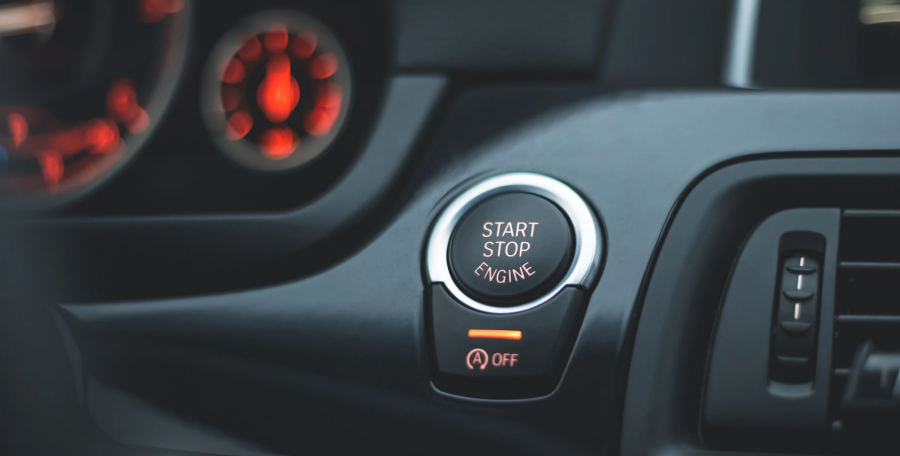
The idea of warming up a vehicle comes from older carbureted engines. In the past, engines required extra time to reach the proper operating temperature before they could run smoothly. Cold weather often caused rough idling, hesitation, or stalling if drivers started moving immediately.
Modern cars, however, use advanced fuel injection systems and electronic engine controls. These technologies automatically adjust fuel delivery and ignition timing based on temperature conditions, allowing engines to operate efficiently almost immediately after startup.
Even though technology has improved, many drivers still continue the old habit of long warm-up periods.
Is Warming Up the Engine Necessary Today?
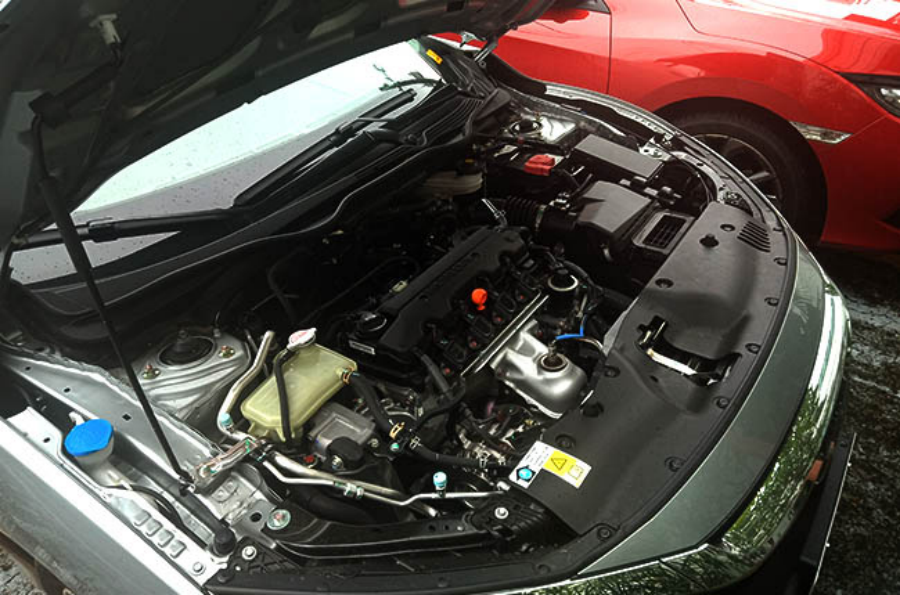
In most modern vehicles, a short warm-up of around 30 seconds is usually enough. After that, gentle driving is actually the best way to bring the engine to its ideal operating temperature.
Allowing the engine to idle for too long can create several problems:
- Increased fuel consumption
- More carbon buildup
- Higher emissions
- Unnecessary engine wear
- Reduced fuel economy
For drivers considering a fuel-efficient car for sale in Cambodia, avoiding excessive idling can help maximize long-term vehicle performance and lower operating costs.
Why Excessive Idling Can Be Harmful
Many people assume idling is harmless because the engine is running at low speed. In reality, prolonged idling prevents the engine from reaching optimal temperature efficiently.
When an engine runs cold for too long, fuel may not burn completely. This incomplete combustion can leave carbon deposits inside the engine, exhaust system, and spark plugs. Over time, these deposits may reduce engine efficiency and performance.
Additionally, excess fuel can wash away lubricating oil from cylinder walls, potentially increasing internal engine wear.
Modern engines are specifically designed to warm up faster while driving, not while sitting still.
Fuel Economy and Engine Warm-Up
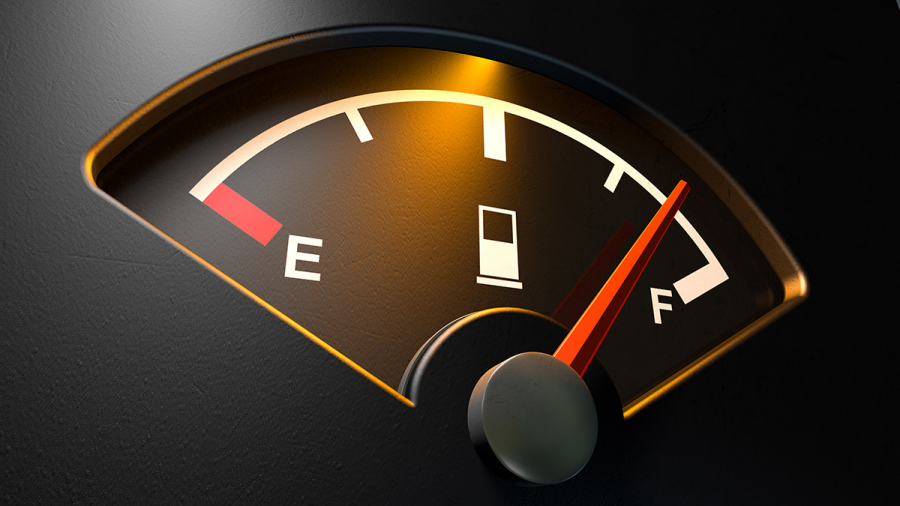
One of the biggest downsides of long warm-up periods is wasted fuel. Even when a vehicle is stationary, the engine continues consuming gasoline or diesel fuel.
During cold starts, engines also run with a richer fuel mixture, meaning more fuel is injected to stabilize operation. The longer the car idles unnecessarily, the more fuel is wasted.
For drivers who commute daily or own multiple vehicles, this can noticeably increase monthly fuel expenses. Buyers searching for an economical car for sale in Cambodia often prioritize fuel efficiency, making proper driving habits especially important.
What Happens in Cold Weather?

Cold weather changes the situation slightly. In extremely low temperatures, allowing the engine to idle for about 30 seconds to one minute can help circulate oil properly before driving.
However, even in winter conditions, experts generally recommend driving gently instead of letting the vehicle idle for long periods. Slow acceleration and moderate speeds help the engine, transmission, and other components warm up more effectively.
The key is avoiding aggressive driving until the engine reaches normal operating temperature.
Does Long Warm-Up Affect the Environment?
Yes, excessive idling increases vehicle emissions significantly. While idling, engines produce carbon dioxide, nitrogen oxides, and other pollutants without actually moving the vehicle.
Many cities around the world now promote anti-idling campaigns to reduce unnecessary pollution and fuel waste. Some regions even enforce fines for excessive vehicle idling.
As more environmentally friendly models become available, including hybrid and electric options in the growing car for sale in Cambodia market, reducing idle time becomes even more important for lowering emissions.
How Modern Engines Are Designed
Today’s vehicles are built with sophisticated computer systems that monitor engine temperature, air intake, fuel delivery, and emissions in real time.
Modern synthetic oils also perform far better during cold starts compared to older conventional oils. They circulate faster and protect engine components more effectively at lower temperatures.
Because of these advancements, modern engines simply do not require the long warm-up times that older vehicles once needed.
The Difference Between Old and New Cars
Older carbureted vehicles from the 1970s and 1980s often needed several minutes of warm-up time before driving. Without proper warming, these engines could stall or run poorly.
In contrast, most vehicles manufactured within the last two decades are fuel-injected and computer-controlled. These systems automatically compensate for temperature changes almost instantly.
This means drivers shopping for a newer car for sale in Cambodia can usually start driving shortly after turning on the engine, provided they drive smoothly during the first few minutes.
Best Practices for Warming Up Your Car
To protect your engine while maintaining efficiency, follow these simple guidelines:
Start the Engine Normally
Avoid revving the engine immediately after startup. Let the oil circulate naturally.
Wait Briefly
Allow the engine to idle for about 30 seconds, especially in cold weather.
Drive Gently
Use light throttle input and avoid hard acceleration until the engine warms up fully.
Avoid Long Idling
Sitting for five to ten minutes wastes fuel and increases engine deposits.
Maintain Regular Service
Proper oil changes, clean air filters, and routine maintenance help engines perform well during cold starts.
Do Diesel Engines Need More Warm-Up Time?
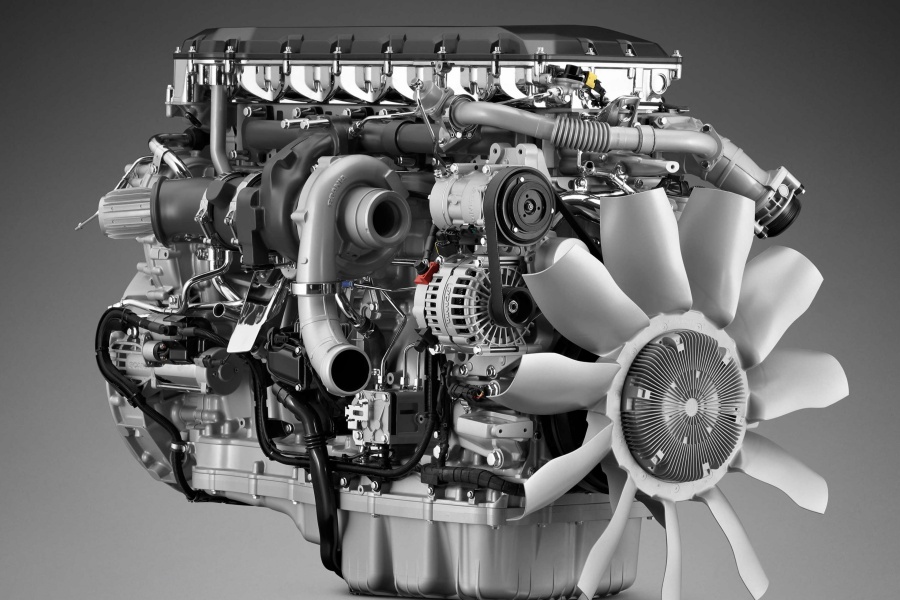
Diesel engines typically take longer to reach operating temperature compared to gasoline engines. However, excessive idling is still not recommended.
Many modern diesel vehicles use glow plugs and advanced fuel management systems that allow safe operation shortly after startup. Gentle driving remains the preferred approach for warming up diesel engines efficiently.
Final Thoughts
So, is it bad to warm up the engine for too long? In most modern vehicles, the answer is yes. Excessive idling wastes fuel, increases emissions, and may even contribute to engine deposits over time.
Instead of letting your car sit idle for several minutes, the better approach is to start the engine, wait briefly, and drive gently until everything reaches operating temperature.
Whether you already own a vehicle or are searching for the best car for sale in Cambodia, understanding proper engine warm-up habits can improve fuel economy, reduce maintenance costs, and help extend the life of your vehicle.
Looking for top-quality new or used cars? Trust DG Motors for fast, reliable service—or visit our Phnom Penh showroom today!