Contents
hide
- 1. First, ask yourself: Can you install a home charging station?
- 2. Understand real-world range and do not rely on advertised figures
- 3. Choose the EV type that fits your lifestyle
- 4. Calculate total cost of ownership, not just the sticker price
- 5. Check the warranty and battery health in advance
- 6. Keep up with subsidy policies and changes in import tariffs
- 7. Among emerging markets, Cambodia is becoming a new value pocket for electric cars
- 8. Verify the vehicle’s legal status, especially in the second-hand market
- 9. Test drive the right way
- 10. Understand charging speeds and different connector types
- 11. Consider the risk of technology iteration
- Final checklist:
Are you getting ready to buy your first electric car? Rushing into a purchase can come with a costly price tag. Before you step into a showroom or browse car listings, you first need to gain a deep understanding of electric vehicles. This guide will walk you through every key link, from EV batteries to charging. We will break down each point in a clear and straightforward way.
1. First, ask yourself: Can you install a home charging station?
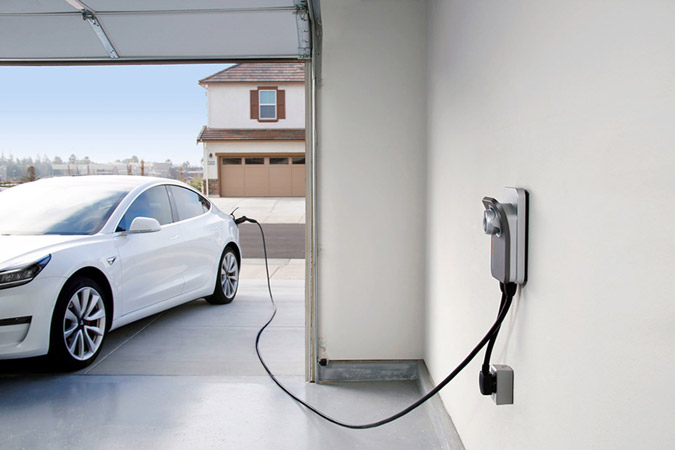
This is probably the most important question you will face. Home charging fundamentally changes the economics of an electric car. With a home charging station, the energy cost can be as low as 5 to 8 yuan per 100 kilometers. Using public fast charging, the cost jumps to 25 to 35 yuan. If you rely on public fast charging, you may not even achieve the same cost savings as a petrol car. Before buying an electric car, make sure you have a fixed parking space and the conditions to install a home charging station.
2. Understand real-world range and do not rely on advertised figures
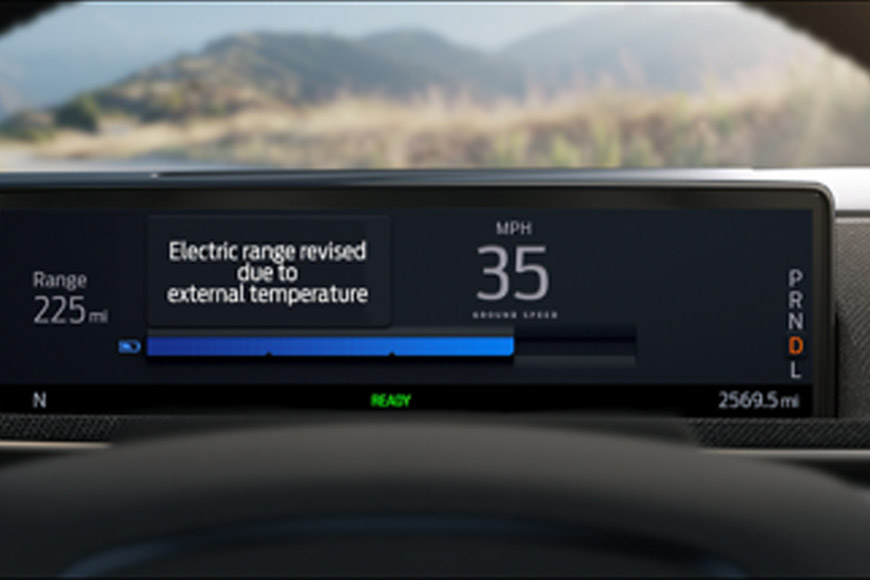
Do not be fooled by the numbers in the brochure. Manufacturers often use optimistic standards like CLTC. A car advertised with 600 kilometers of range may only deliver around 300 kilometers in real-world winter highway driving. Cold weather noticeably shortens real driving range. Be sure to check feedback from real owners and discount the advertised number by 20 to 30 percent.
3. Choose the EV type that fits your lifestyle
Electric cars today are not a single category. Battery electric vehicles (BEVs) run on batteries and charging stations only; they have no engine, need no fuel, and have the lowest maintenance costs. Plug-in hybrid electric vehicles (PHEVs) have dual power sources and can run on battery and fuel; they allow short trips on pure electric power and offer no range anxiety on long trips, but their mechanical structure is relatively complex. Conventional hybrid vehicles do not rely on external charging; they have a smaller battery, are driven primarily by the combustion engine with electric motor assistance.
If you commute in the city and have home charging, choose a BEV. If you frequently drive long distances, choose a PHEV. If you want low fuel consumption without needing to charge, choose a conventional hybrid.
4. Calculate total cost of ownership, not just the sticker price
Do not focus only on the listed price. The purchase price of an electric car may be higher, but running costs are lower. Insurance premiums are usually 20% to 50% more expensive than for petrol cars. Maintenance is much cheaper because there is no engine oil or spark plugs to replace. However, resale value is a real risk: the three-year residual value of mainstream EV models is generally around 50% to 60%. Petrol cars retain their value better at that same point in time. If you like to change cars frequently, consider the resale value after three years.
5. Check the warranty and battery health in advance
The battery is the most expensive component, and replacement can cost up to one-third of the new car price. Most manufacturers offer a battery warranty of around 8 years or 160,000 kilometers. Before buying, read the fine print and confirm whether the warranty terms transfer with the vehicle. Ask about the battery’s state of health — degradation of more than 10% may indicate a potential problem. The smartest move is to have an independent professional carry out a battery health check.
6. Keep up with subsidy policies and changes in import tariffs
Government incentives can save you thousands of dollars. In 2026, new energy vehicle policies in major markets underwent significant adjustments: the United States no longer offers federal subsidies; Germany has restarted subsidies with no restriction on the place of origin; China has shifted from fixed-amount subsidies to subsidies based on a percentage of the selling price. Policies in different countries are changing rapidly. Meanwhile, emerging markets such as Southeast Asia are becoming the next hot spots, and Cambodia is a typical example.
7. Among emerging markets, Cambodia is becoming a new value pocket for electric cars
Opportunities in emerging markets are often overlooked by global buyers. Taking Cambodia as an example, its electric vehicle market is still in its infancy. In 2026, EVs accounted for less than 0.1% of the country’s approximately 8.3 million registered vehicles. But the growth potential is huge — if you are browsing cars for sale in Cambodia, now might be a good time to enter the market. The Cambodian government is making a full push to build out charging infrastructure, and charging stations now cover 17 provinces nationwide. More importantly, import tariffs on electric vehicles have been sharply reduced, with the special tax on electric motors and batteries for some models falling from 10% to zero or 5%. As infrastructure improves rapidly, consumer confidence in electric vehicles in Cambodia is strengthening quickly.
8. Verify the vehicle’s legal status, especially in the second-hand market
Do not buy a used electric car based on trust alone. Focus on the following areas: check the original import documents and customs duty payment certificates; confirm that the battery warranty is still valid and transferable; watch out for odometer tampering — which is fairly common in electric cars; use charging records rather than appearance to judge the battery’s real health; and note that there may be differences in emission and safety regulations between countries, so always verify before importing. Doing your homework in advance can prevent you from buying a vehicle loaded with trouble.
9. Test drive the right way
Test driving an electric car is completely different from a traditional car. Check the following items: acceleration performance at 30% battery charge — some models limit power output at that level; the feel of regenerative braking, and try out the one-pedal driving mode; quietness, because electric cars tend to amplify wind noise and road noise; screen responsiveness and menu logic, so that you are not distracted by complicated touch controls; and seat comfort, because the battery pack may raise the floor and affect seating posture and headroom.
10. Understand charging speeds and different connector types
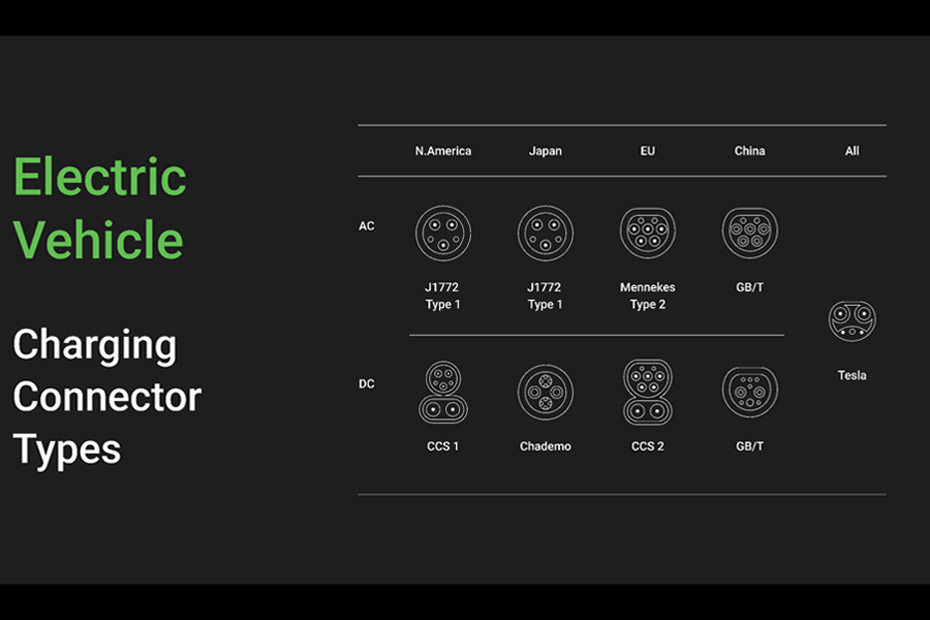
Not all chargers are the same. Slow charging uses a household AC power source and is usually done overnight at home. Fast charging uses public DC fast-charging stations and can charge to 80% in about 30 minutes. Ultra-fast charging uses an 800-volt architecture and can deliver about 400 kilometers of range in around 10 minutes. Get to know the connector types commonly used in your area and make sure your electric car and the charging port are compatible.
11. Consider the risk of technology iteration
Electric vehicle technology is advancing at a rapid pace. The most advanced model this year may already feel outdated by 2028. The high rate of depreciation also reflects the fast pace of technological innovation. You could lease the battery or opt for a short-term rental instead of buying outright. If you do buy, it is advisable to choose a model from an active brand with a long-term commitment. Firmware support is equally important. Choose a brand that provides regular over-the-air software updates.
Final checklist:
For your first electric car purchase, we have prepared this quick checklist for you:
- Do you have a reliable charging solution? Preferably a home charging station.
- Does your daily average commute distance match the real-world range? Remember, real-world range is about 70% to 80% of the advertised range.
- Have you calculated total cost of ownership and resale value? Do not just compare sticker prices.
- Have you taken a test drive and tested performance when the battery is below 30% charge?
- If buying used, have you verified the battery health and the original documents?
- If you can confidently tick all the boxes, rest assured. You are about to embrace the electric car lifestyle very happily.
Electric cars offer lower emissions, quieter cities, and an entirely new driving experience. Most importantly, remember that the best electric car for you is the one that seamlessly fits into your daily life, without requiring you to accommodate it.
Looking for top-quality new or used cars? Trust DG Motors for fast, reliable service—or visit our Phnom Penh showroom today!