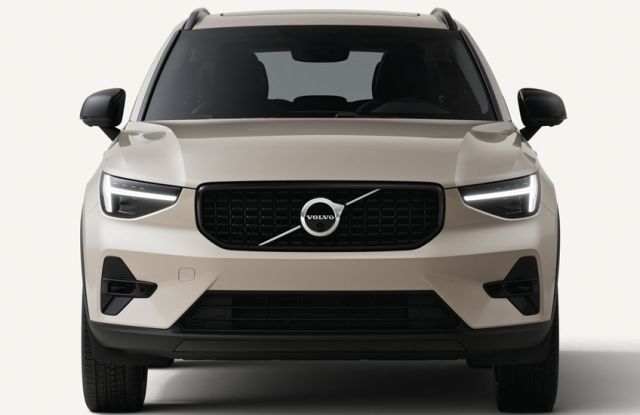
When choosing a car, you may notice an interesting phenomenon. Some cars are front-wheel drive, while others are rear-wheel drive. So, why do some cars use rear-wheel drive instead of front-wheel drive?
The answer involves more than just engineering. It’s also about driving pleasure, performance, and the vehicle’s intended use. In the global automotive market, especially if you are browsing a car for sale in Cambodia, understanding the difference between drive types can help you make a smarter buying decision.
The Basics of Drive Types: How FWD and RWD Work
First, let’s cover the basics. The drive type determines which axle receives the engine’s power.
In front-wheel drive, the engine drives the front wheels directly. You can think of it as someone pulling a cart from the front. The engine is usually mounted transversely, and power is sent directly to the front wheels on the same side. This layout saves space and reduces cost.
In contrast, rear-wheel drive sends power to the rear wheels. The front wheels are only responsible for steering, while the rear wheels push the car forward. The engine is usually mounted longitudinally, and power travels through a long driveshaft to the rear wheels. This design creates a completely different driving experience.
Key Differences: Why Choose RWD Over FWD?
So, why do some car manufacturers insist on using rear-wheel drive? Let’s dive into the core reasons.
1. Superior Handling and Steering Precision
This is a huge advantage. With RWD, the front wheels only have to steer. They don’t have to handle power delivery. As a result, the steering feels more precise and pure. Many drivers describe this feeling as “point and shoot.” Additionally, the weight distribution between the front and rear is more balanced, often close to a perfect 50:50, which helps raise the handling limits.
2. Thrilling Launch and Acceleration Performance
You can feel the difference. When you accelerate, the car’s weight shifts to the rear. This natural squat pushes the rear wheels more firmly onto the ground. As a result, the rear wheels gain tremendous grip. What’s the outcome? Explosive starts and a strong feeling of being pushed back into your seat. Luxury brands favor RWD precisely because of this power delivery feedback.
3. Excellent Traction and Stability
When climbing hills or towing heavy loads, RWD excels. The rearward weight shift increases the pressure on the drive wheels. This means better traction on good road surfaces.
Of course, RWD has its drawbacks. It is generally more expensive to manufacture and more complex. You sacrifice some interior space. Also, in slippery conditions, RWD cars are more prone to fishtailing. You need good driving skills or advanced electronic aids to handle it safely.
Global Perspective: Who Uses Rear-Wheel Drive?
Globally, you will find RWD more commonly in specific types of vehicles. Luxury sedans, such as the BMW 3 Series and Mercedes-Benz C-Class, almost all use a RWD layout. High-performance sports cars also rely on it for precise handling. Additionally, many trucks and heavy-duty vehicles use RWD because of its better traction when carrying loads.


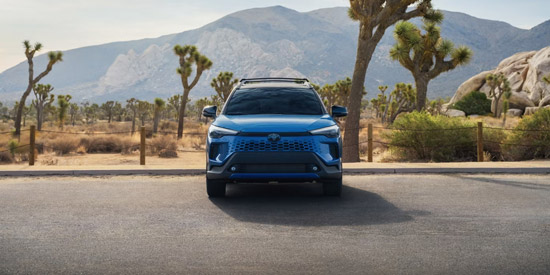
However, front-wheel drive dominates the global economy car market. Popular models like the Toyota Corolla use FWD. It is cheaper, more fuel-efficient, and provides more interior space for passengers.
Focus on Cambodia: What This Means for Local Buyers
The automotive market in Cambodia is booming. Rapid economic growth has led to a surge in car sales. In 2025 alone, the country spent a staggering 1.1 billion US dollars on passenger car imports. This trend is shifting the market from older used vehicles toward brand-new models.
So, if you are looking for a car for sale in Cambodia, understanding why some cars use rear-wheel drive is very valuable.
Road Conditions and Practicality: Road conditions in Cambodia vary greatly. In the city, FWD cars zip around effortlessly and are very fuel-efficient. But if you are heading to the countryside, you need a more robust vehicle. RWD pickup trucks, such as the very popular Toyota Hilux, are highly favored for their off-road capability.
New Car Options: Cambodia’s new car market is growing, accounting for about 55% of total sales in 2025. Many new models offer RWD options, especially in the SUV and pickup segments. For example, the Ford Ranger is locally assembled and holds a significant market share. These vehicles provide great RWD traction for work purposes.
Used Car Considerations: The Cambodian market has historically favored Japanese brands, especially in the used car sector. Luxury brands like Lexus are very common. Many of these vehicles use rear-wheel drive. When browsing cars for sale in Cambodia, you will find models like the Lexus RX300 and LX570. They offer excellent comfort and reliability. However, keep in mind that some older models may lack modern safety features. Also, exercise extra caution when test-driving an RWD car, especially during the rainy season.
The Impact of Electric Vehicles: The number of electric vehicles in Cambodia is increasing rapidly. Many EVs use RWD or all-wheel-drive layouts. This shift brings the smooth, instantaneous acceleration of RWD without the fuel costs.
Final Verdict
So, why do some cars use rear-wheel drive instead of front-wheel drive? The answer lies in balance, performance, and design purpose. FWD excels in economy and space, making it perfect for daily commuting. RWD, on the other hand, offers a level of driving engagement and power that FWD struggles to match. That’s why it continues to define sports cars and high-end luxury sedans.
For car buyers in Cambodia, the expanding market offers a wealth of choices. Whether you are looking for a durable pickup, a used luxury sedan, or a brand-new electric vehicle, understanding the difference in drive types is crucial. When you browse cars for sale in Cambodia, take a moment to reflect on your driving needs. Then, choose the drive type that best suits your lifestyle.
FAQ
Why is RWD harder to drive on slippery roads?
RWD cars are more prone to “oversteer.” If you step on the throttle too aggressively, the rear wheels may lose grip. The tail can swing to one side. Therefore, drivers need to be more cautious on slippery surfaces.
Are RWD cars more expensive to maintain?
Yes, usually. RWD systems are more complex, and their components can be pricier. However, modern vehicles have become very reliable.
Can electric vehicles be RWD?
Absolutely. Many EV manufacturers place the motor on the rear axle. This design provides excellent power and handling.
Looking for top-quality new or used cars? Trust DG Motors for fast, reliable service—or visit our Phnom Penh showroom today!