In the North American compact SUV market, the Honda HR-V and Toyota Corolla Cross are two names you can’t avoid. Both 2027 models are now on the scene, but their product philosophies are completely different: the HR-V sticks with naturally aspirated power, emphasizing driving feel and space flexibility; the Corolla Cross plays the efficiency card with a hybrid system and a lower entry point. If you’re torn between these two vehicles, the following full-dimensional breakdown—from powertrain, space, and features to ownership costs—should help you sort out your thinking.
Powertrain and Efficiency: Two Completely Different Paths
The 2027 HR-V offers only one powertrain across the lineup: a 2.0-liter naturally aspirated four-cylinder engine, 158 horsepower and 138 lb-ft of torque, paired with a CVT. This setup is smooth enough for daily commuting, but acceleration isn’t especially impressive—Car and Driver pointed out directly in its review that it “is one of the slower choices in the class,” and engine noise at high rpm is also rather noticeable.
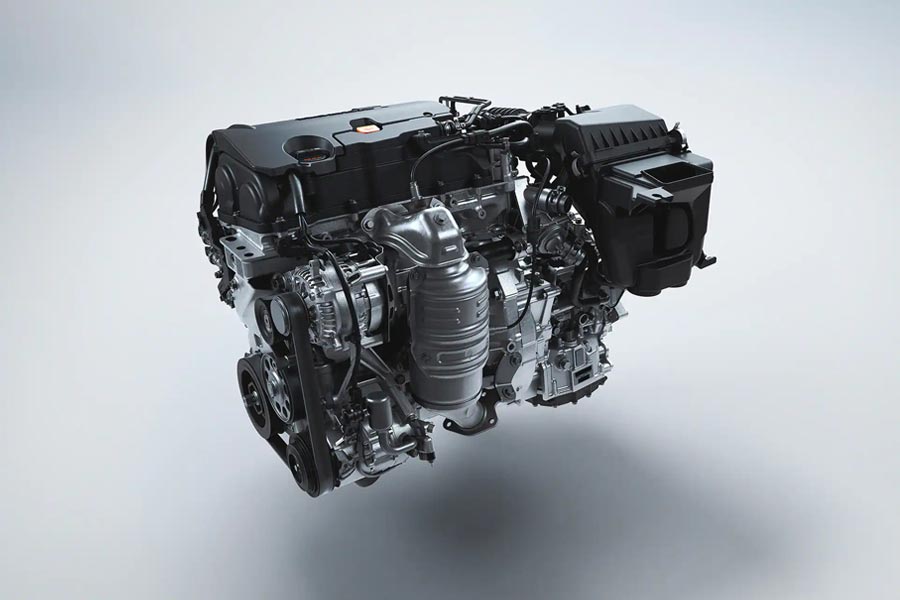
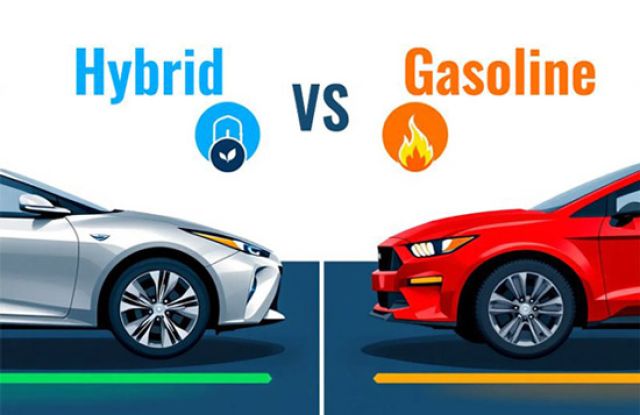
The Corolla Cross gives you two choices. The gasoline version has a 2.0-liter four-cylinder engine, 169 horsepower, paired with a CVT with a physical launch gear, and its power response is more relaxed than the HR-V’s. The hybrid is the real differentiator: a 2.0-liter engine plus three electric motors, with a combined system output of 196 horsepower, and standard electronic on-demand all-wheel drive. Car and Driver measured 0–60 mph in just 7.3 seconds, nearly 2 seconds quicker than the gasoline version.
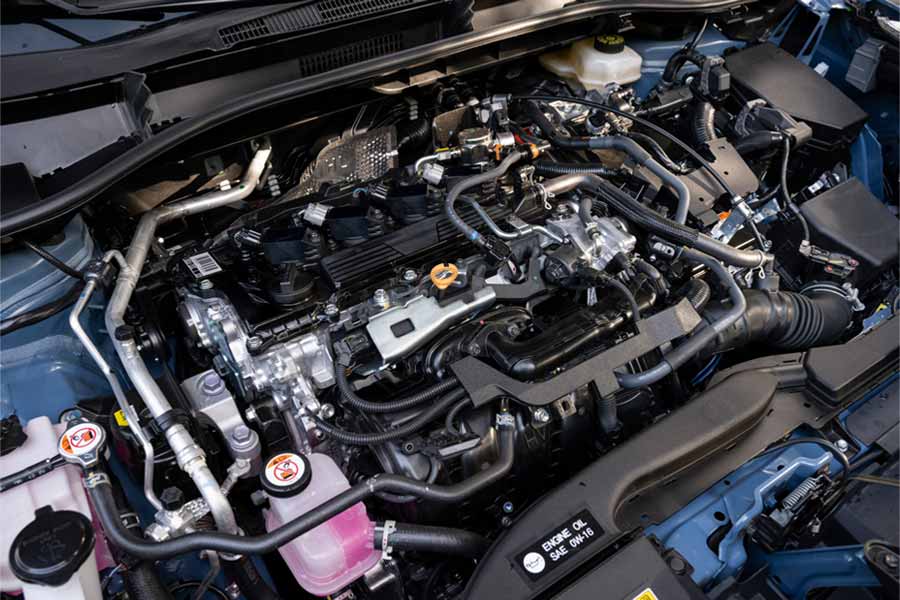
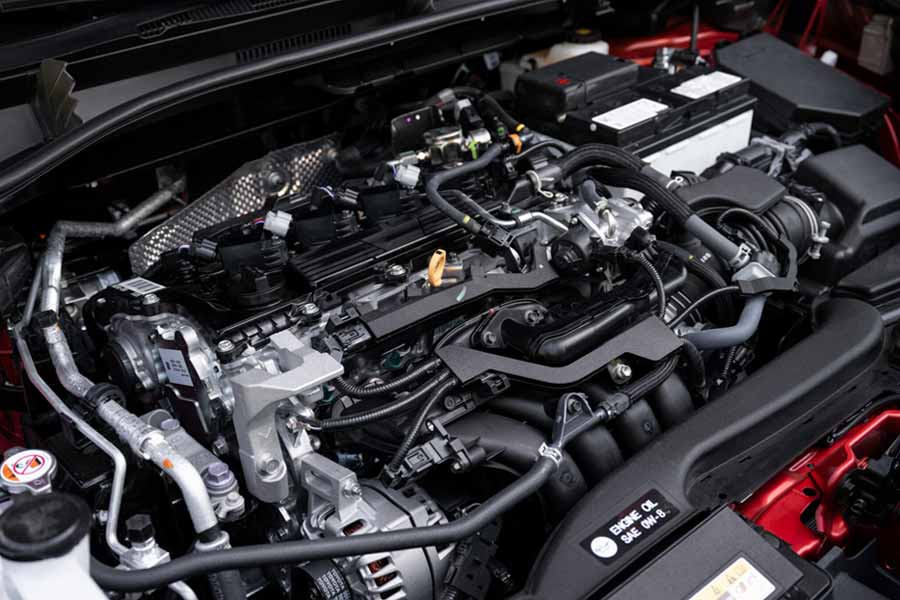
The fuel economy gap is even wider. The HR-V’s EPA combined rating is 28 mpg for front-wheel drive and 27 mpg for all-wheel drive. The Corolla Cross gasoline FWD is rated at 31 mpg combined, while the hybrid achieves an astonishing 42 mpg combined (46 city / 39 highway). In an actual highway test, the Corolla Cross Hybrid returned 36 mpg, while the HR-V AWD returned 32 mpg in the same test. If you drive high annual mileage, the fuel savings from the hybrid will erase its price gap with the HR-V within a few years.
Driving and Space: HR-V Wins on Agility, Corolla Cross Wins on Composure
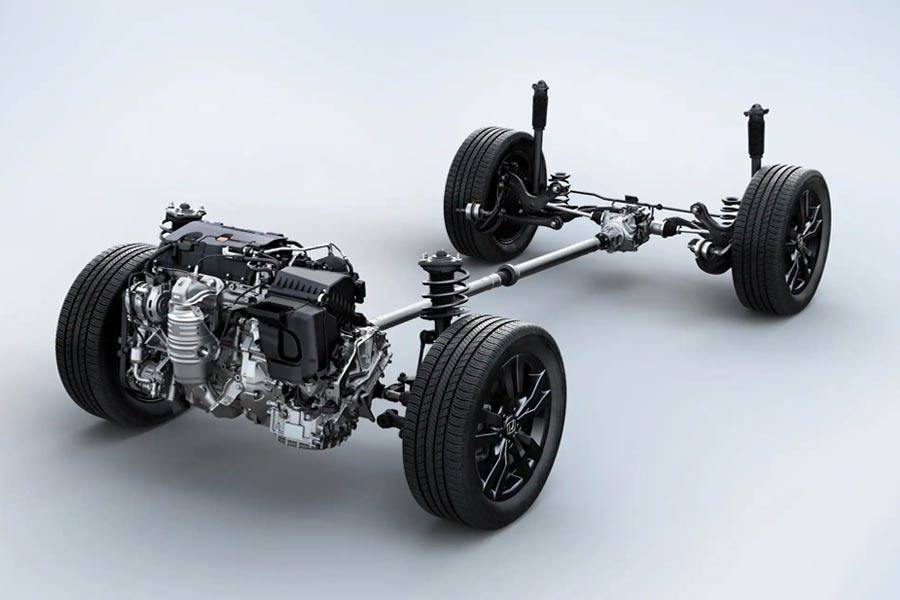
The HR-V’s chassis is its hidden advantage. A front MacPherson strut and rear multi-link suspension setup is uncommon in this class, giving the HR-V a more planted cornering stance and more refined road-surface filtering than most rivals. The steering feel is also typical Honda—light, quick, and precise—making city driving effortless.
The Corolla Cross feels more “Toyota” to drive—smooth, quiet, unfussy about road surfaces, but lacking communication. The hybrid is very quiet at low-speed EV operation, but once full acceleration is needed, the noise of the engine kicking in and the CVT’s “rubber-band effect” break that serenity.
In terms of space, the two cars make interesting trade-offs. The Corolla Cross has a slightly larger body, more rear headroom, and reclining seatbacks, so long-distance comfort is better. The HR-V’s rear legroom actually isn’t behind, but the sloping roofline cuts into headroom, so taller passengers may feel cramped.
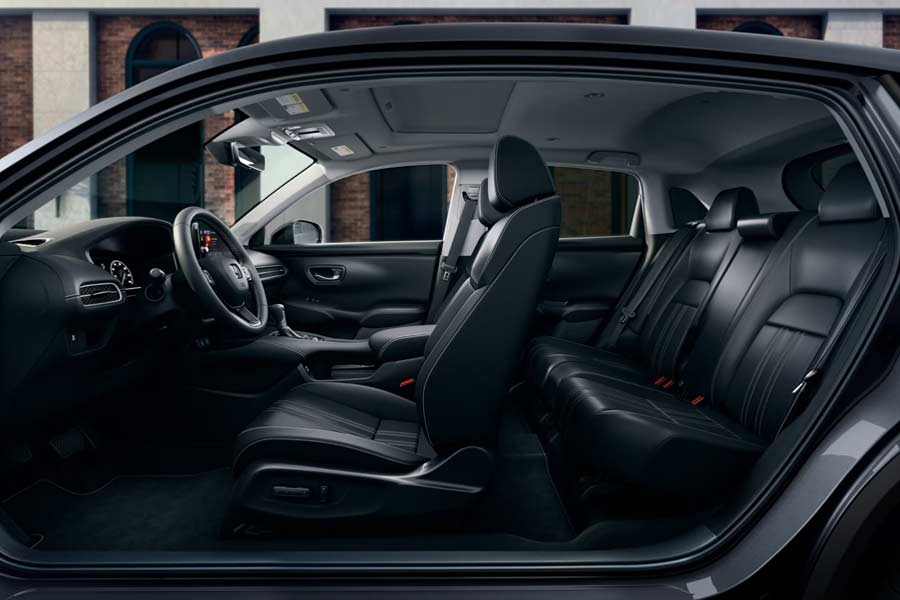
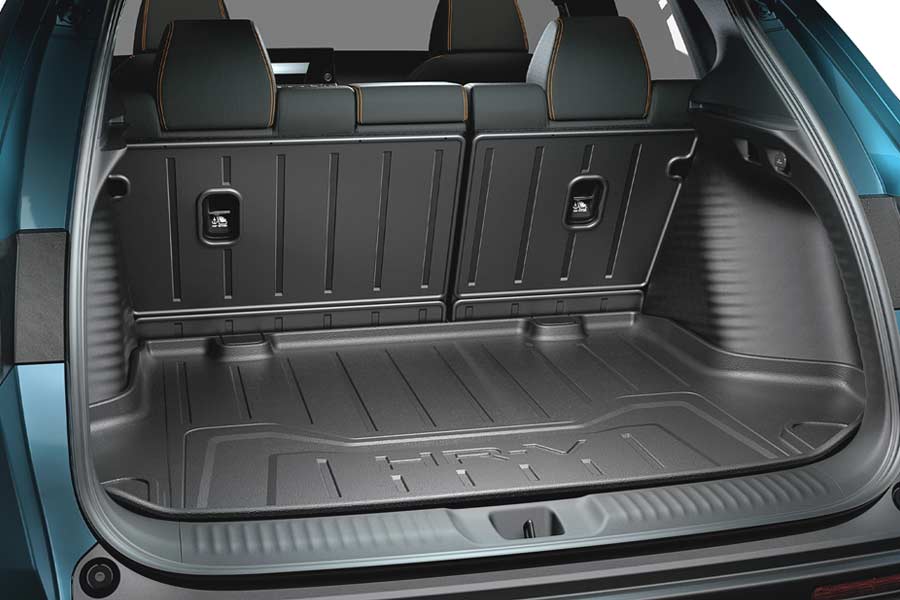
The HR-V’s real ace is its Ultra Seat rear seats. In addition to the usual 60/40 split-folding, the seat cushions can be flipped up and locked vertically, creating a floor-to-ceiling vertical cargo space—ideal for carrying “tall but not long” items like potted plants or folding bicycles. Cargo volume is 24.4 cubic feet behind the rear seats and 55.1 cubic feet with them folded. The Corolla Cross’s cargo opening is wider and its floor is more regular, but the seats leave a noticeable step when folded, so its space flexibility isn’t as good as the HR-V’s.
Features and Technology: Different Priorities
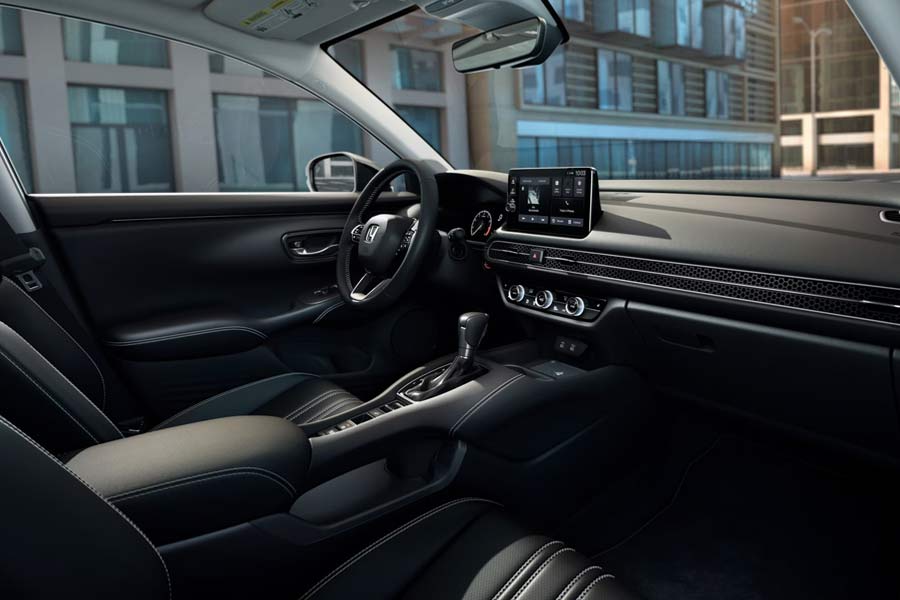
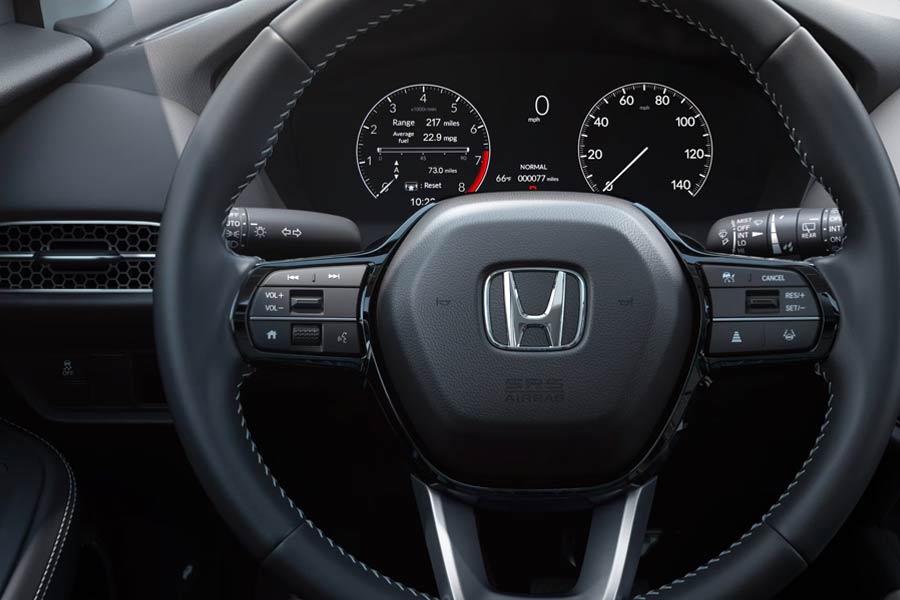
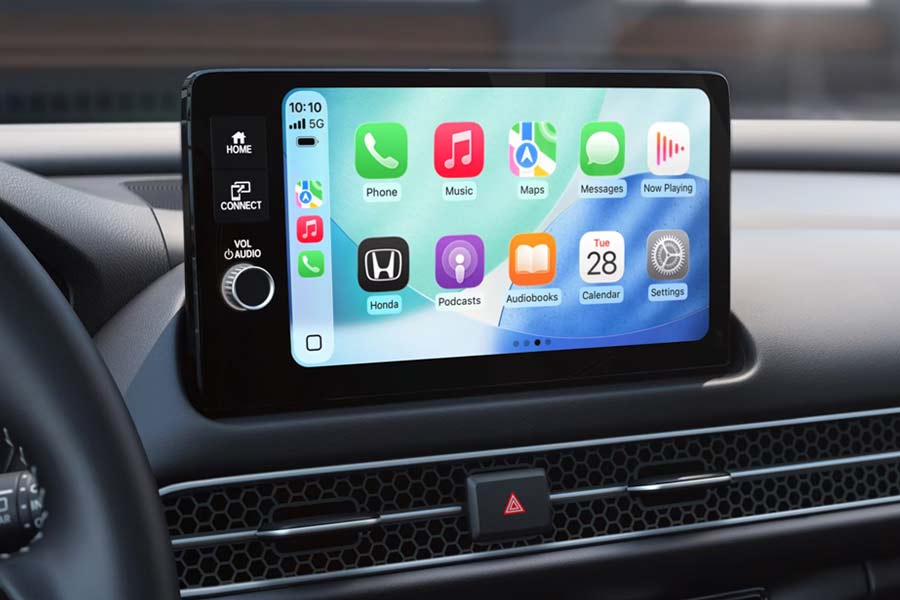
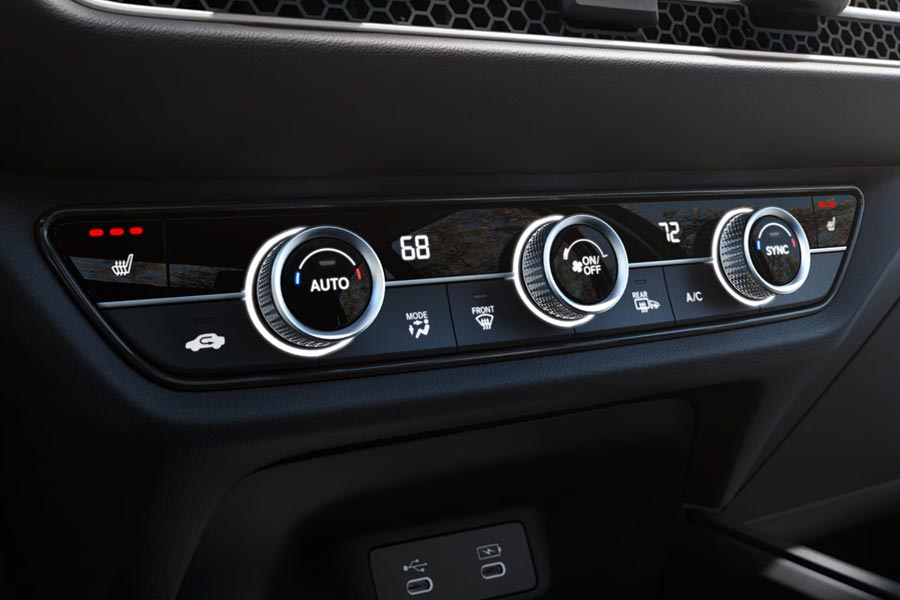
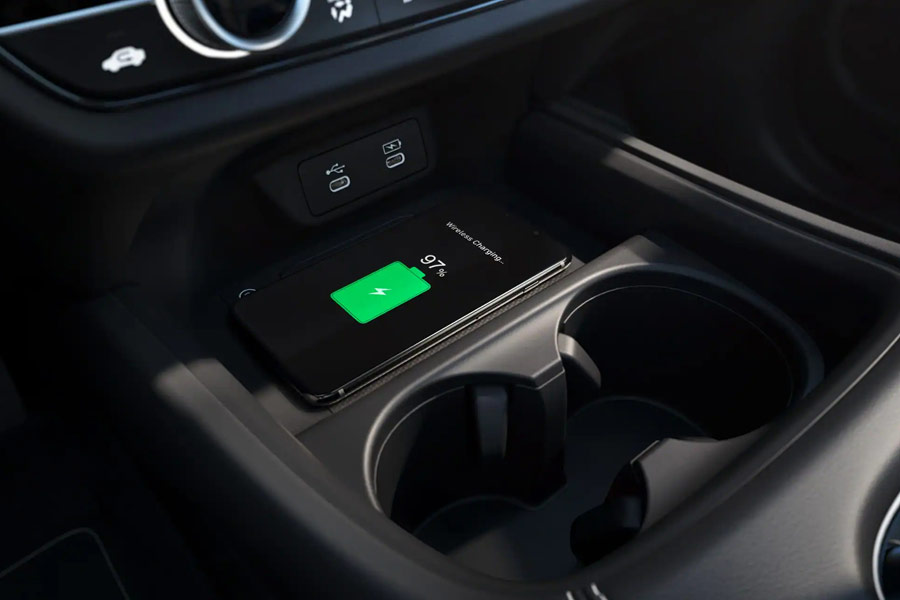
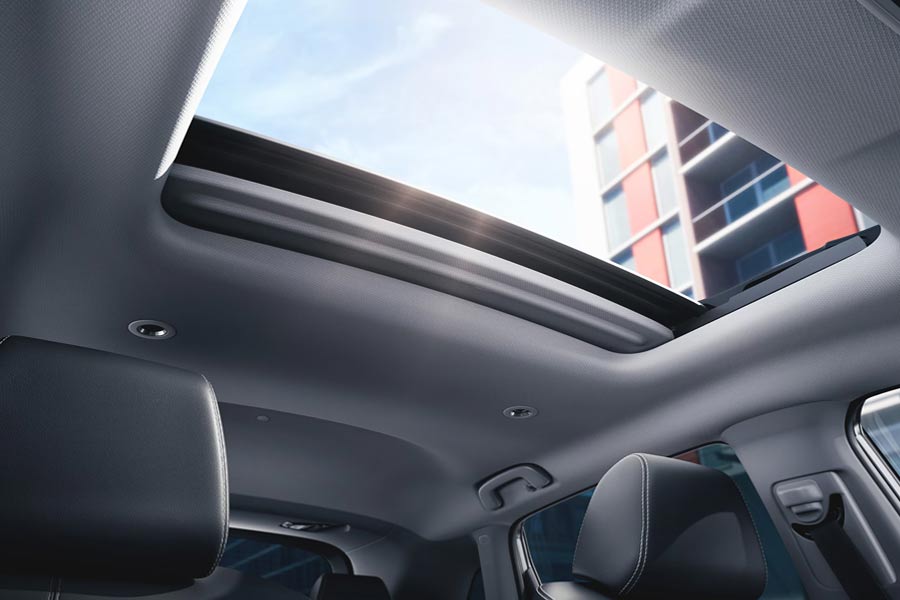
The HR-V’s interior has stronger design presence—the honeycomb dashboard trim, floating center touchscreen, and metallic-feel switches all make the cabin look a class above its actual price. A 9-inch touchscreen is standard across the lineup, with wireless Apple CarPlay and Android Auto, and wireless charging is also standard. The EX-L adds dual-zone automatic climate control, a one-touch power moonroof, an 8-speaker audio system, and leather seats. On safety, Honda Sensing is standard across the HR-V lineup, and it has driver and front-passenger knee airbags, adding another layer of passive safety protection.
The Corolla Cross’s cabin style is more plain and practical, but higher trims get more generously sized tech. The XLE and XSE have a 12.3-inch fully digital instrument cluster and a 10.5-inch center screen, while lower trims get a 7-inch gauge cluster and an 8-inch screen. Toyota Safety Sense 3.0 is standard across the lineup, including pre-collision system, full-speed adaptive cruise control, lane tracing assist, and more. However, knee airbags are missing on the Corolla Cross, which is worth noting when shopping.
One easily overlooked detail: the HR-V has no power tailgate across the lineup (even the EX-L requires a dealer add-on), while the Corolla Cross XLE and XSE offer an optional power tailgate. If you frequently load large items, the absence of this feature affects daily convenience.
Pricing and Warranty: Corolla Cross Has a Lower Entry Point, Hybrid Price Overlaps
HR-V pricing is clear and direct: LX $26,600, Sport $28,400, EX-L $30,450, with AWD adding $1,500 across the lineup. The Corolla Cross starts lower—the gasoline L FWD is $25,535, more than $1,000 cheaper than the HR-V. But the hybrid SE starts at $31,415, already above the HR-V’s top EX-L price.
In other words, if your budget is in the $27,000–$29,000 range, the HR-V Sport and Corolla Cross LE are direct competitors; if you want a hybrid, you must accept a budget above $31,000, at which point the HR-V’s equipment ceiling is actually more affordable.
On warranty, Honda offers a 3-year/36,000-mile basic warranty and a 5-year/60,000-mile powertrain warranty, plus 12 months/12,000 miles of free maintenance. Toyota’s basic warranty is also 3 years/36,000 miles, its powertrain is 5 years/60,000 miles, and the hybrid system’s battery components get 8 years/100,000 miles of dedicated coverage. ToyotaCare free maintenance is 1 year/10,000 miles, slightly shorter than Honda’s. Both offer 3 years of roadside assistance.
Which One?
Choose the 2027 Honda HR-V if you: value driving feel and chassis solidity; need flexible, versatile cargo space (the Ultra Seat is a genuine differentiator); have a budget of $27,000–$30,000 and want a daily driver that is well equipped and not boring to drive. The cost: accept its weaker acceleration, higher fuel consumption, and the absence of a hybrid option.
Choose the 2027 Toyota Corolla Cross if you: pursue maximum fuel economy—the hybrid’s 42 mpg combined has almost no rival at this price; are budget-sensitive—the gasoline L provides the complete TSS 3.0 safety suite at the lowest entry point; place more value on rear-seat comfort and a well-organized cargo area. The cost: limited driving fun, more noise under acceleration in the hybrid, and interior quality less refined than the HR-V’s.
Neither car is a perfect answer, but both make their trade-offs clear enough. In the end, it’s still best to go to a dealership and drive each one—the HR-V’s chassis feel and the Corolla Cross Hybrid’s quiet startup can only be judged by experiencing them for yourself to see which suits your tastes better.
Looking for top-quality new or used cars? Trust DG Motors for fast, reliable service—or visit our Phnom Penh showroom today!