Contents
hide
- Why Tire Pressure Matters
- How Underinflated Tires Cost You Money
- What About Overinflated Tires?
- How Much Can You Actually Save?
- Tire Pressure and Cambodia’s Road Conditions
- How Often Should You Check Tire Pressure?
- Finding the Correct Tire Pressure
- Other Ways to Save Money on Tire Maintenance
- Why Buyers Should Care Before Purchasing a Vehicle
- Final Thoughts
Most drivers only think about their tires when there’s a flat or it’s time for a replacement. However, something as simple as maintaining the correct tire pressure can save you hundreds of dollars every year. It improves fuel economy, extends tire life, enhances safety, and even reduces maintenance costs.
Whether you drive every day in Phnom Penh or frequently travel across Cambodia, keeping your tires properly inflated is one of the easiest ways to lower your vehicle’s operating costs.
If you’re shopping for a car for sale in Cambodia, understanding how tire maintenance affects long-term ownership costs can help you make a smarter buying decision.
Why Tire Pressure Matters
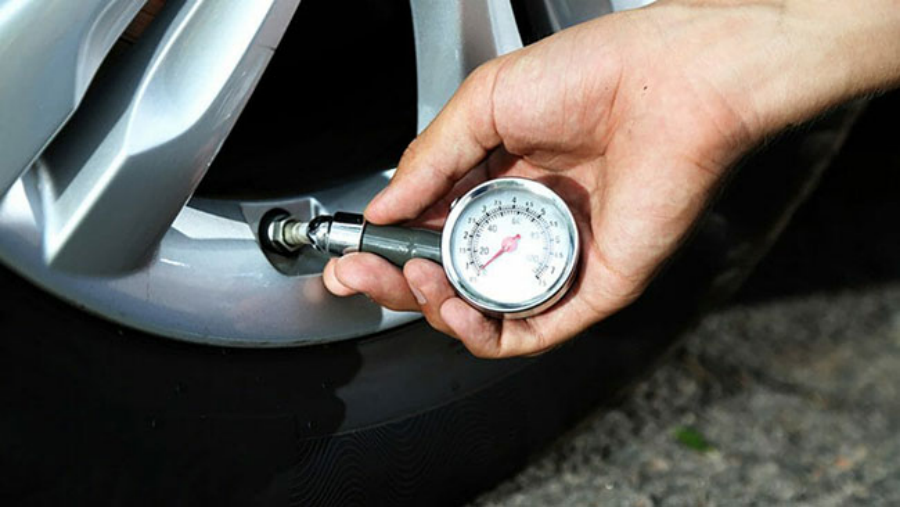
Your tires are the only part of your vehicle that touches the road. When the pressure is too low or too high, it affects nearly every aspect of your car’s performance.
Proper tire pressure helps:
Improve fuel efficiency
Increase tire lifespan
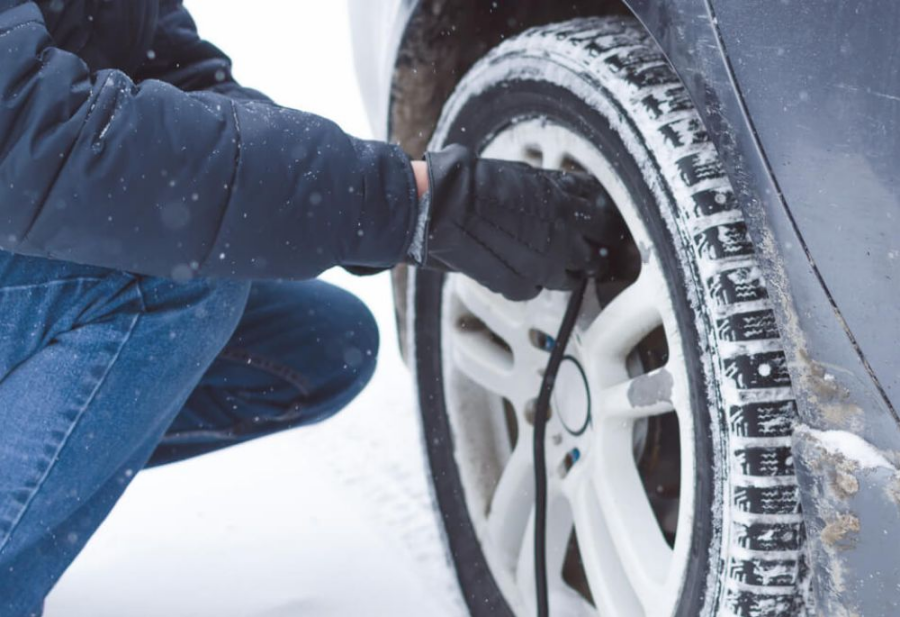
Enhance braking performance
Improve handling
Reduce the risk of tire blowouts
Lower maintenance costs
A few minutes spent checking tire pressure each month can save far more money than most drivers realize.
How Underinflated Tires Cost You Money
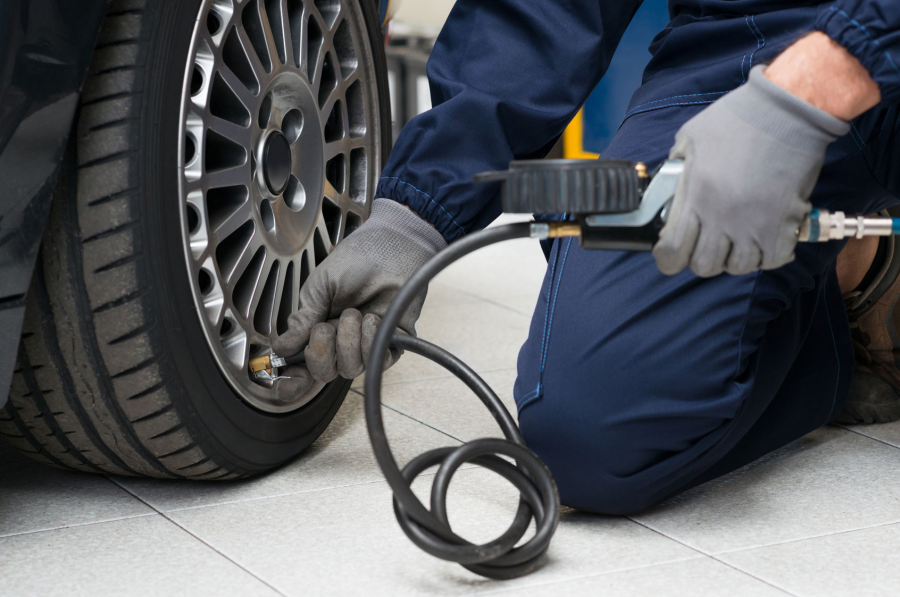
Low tire pressure increases rolling resistance. In simple terms, your engine has to work harder to move the vehicle.
That extra effort means:
Higher Fuel Consumption
Even tires that are only a few PSI below the recommended level can reduce fuel economy.
For drivers who commute daily, that small difference adds up quickly over an entire year.
Imagine spending just $5 more on fuel every week because of underinflated tires. Over a year, that’s more than $250 wasted.
Faster Tire Wear
When tire pressure is too low, the edges of the tire wear much faster than the center.
Instead of lasting 50,000 kilometers, your tires might only last 35,000 to 40,000 kilometers.
Replacing four tires earlier than expected could cost hundreds of dollars.
Increased Repair Costs
Underinflated tires place additional stress on:
Suspension components
Wheel bearings
Steering systems
Over time, these parts wear out faster, leading to expensive repairs that could have been avoided.
What About Overinflated Tires?
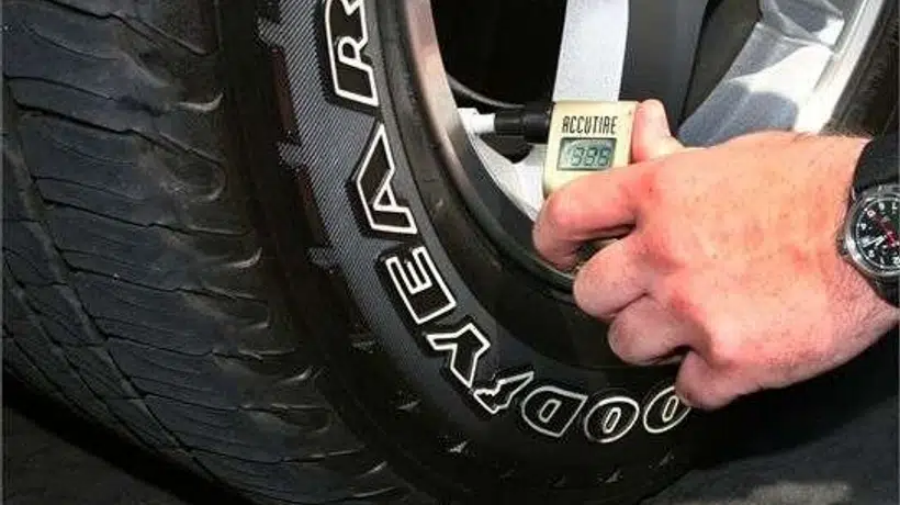
Some drivers think adding extra air improves fuel economy.
While extremely high pressure may slightly reduce rolling resistance, it creates other problems.
Overinflated tires:
Wear out the center tread quickly
Reduce road grip
Increase stopping distance
Create a rougher ride
Make tires more vulnerable to damage from potholes
The goal isn’t maximum pressure—it’s the manufacturer-recommended pressure.
How Much Can You Actually Save?
Let’s look at a realistic example.
Suppose you drive 20,000 kilometers per year.
If properly inflated tires improve fuel economy by just 3%, and you spend around $2,000 annually on fuel, you’ll save approximately:
$60 every year on fuel
$200–400 by extending tire life
Additional savings from avoiding suspension and alignment repairs
Over five years, proper tire maintenance could easily save between $500 and $1,000, depending on your driving habits.
That’s a significant return for a maintenance task that takes less than five minutes.
Tire Pressure and Cambodia’s Road Conditions
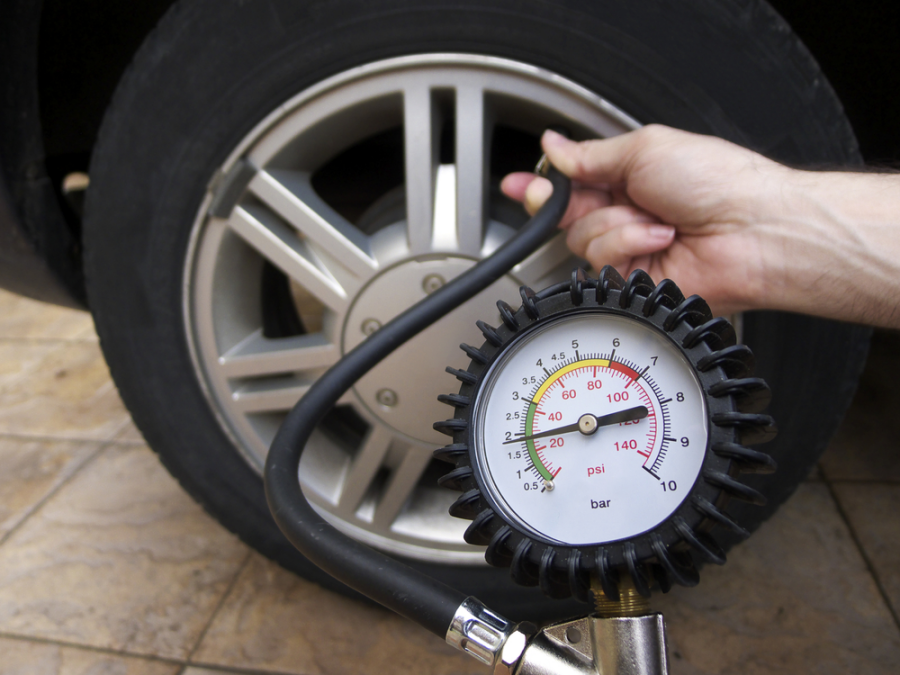
Cambodia’s driving conditions make tire maintenance even more important.
Drivers regularly encounter:
Hot weather
Heavy rain
Rough roads
Construction zones
Potholes
Long-distance highway travel
Temperature changes alone can affect tire pressure. Tires naturally lose pressure over time, and seasonal weather shifts can change the reading without any visible signs.
If you’re driving a car for sale in Cambodia, checking tire pressure monthly should become part of your routine maintenance.
How Often Should You Check Tire Pressure?
Experts recommend checking tire pressure:
At least once every month
Before long road trips
After significant temperature changes
Whenever the TPMS warning light appears
Always check tires when they’re cold, preferably before driving.
Driving heats the tires and temporarily increases pressure, resulting in inaccurate readings.
Finding the Correct Tire Pressure
Many people mistakenly use the maximum pressure printed on the tire sidewall.
That’s incorrect.
Instead, use the manufacturer’s recommended pressure found:
Inside the driver’s door frame
In the owner’s manual
Sometimes inside the fuel door
These recommendations are specifically designed for your vehicle’s weight and suspension.
Other Ways to Save Money on Tire Maintenance
Keeping the correct pressure is only part of the equation.
You should also:
Rotate Tires Regularly
Rotating tires every 8,000–10,000 kilometers helps ensure even wear and extends their lifespan.
Check Wheel Alignment
If your car pulls to one side or your steering wheel isn’t centered, poor alignment may be causing uneven tire wear.
Balance the Tires
Wheel balancing reduces vibration and prevents premature wear on both the tires and suspension.
Inspect Tire Tread
Worn tires reduce braking performance, especially during Cambodia’s rainy season.
Replacing tires before they become unsafe protects both your wallet and your safety.
Why Buyers Should Care Before Purchasing a Vehicle
If you’re looking for a car for sale in Cambodia, tire condition tells you a lot about how well a vehicle has been maintained.
Check for:
Even tread wear
Matching tire brands
Correct tire size
No sidewall cracks
Recent manufacturing date
Proper tire pressure during inspection
A seller who maintains the tires properly is often more likely to have maintained the rest of the vehicle as well.
Final Thoughts
Proper tire pressure may seem like a small detail, but it has a surprisingly large impact on your driving costs. Better fuel economy, longer-lasting tires, improved safety, and fewer repairs all contribute to meaningful savings over the life of your vehicle.Whether you already own a car or you’re searching for a reliable car for sale in Cambodia, regular tire maintenance is one of the easiest and most cost-effective habits you can develop. By spending just a few minutes each month checking your tire pressure, you can enjoy a smoother drive, lower ownership costs, and greater peace of mind on every journey.
Looking for top-quality new or used cars? Trust DG Motors for fast, reliable service—or visit our Phnom Penh showroom today!