Contents
hide
- Why Weekend-Only Driving Is Becoming More Common
- Battery Problems and Unexpected Replacement Costs
- Tire Deterioration Happens Even Without Driving
- Fluids and Engine Components Can Degrade
- Fuel System Problems
- Insurance Costs Continue Regardless of Mileage
- Vehicle Depreciation Never Stops
- Moisture and Rust Can Develop
- Is Weekend-Only Driving Ever Worth It?
- What Buyers Should Know
- Conclusion
Many people believe that driving less automatically saves money. At first glance, using your vehicle only on weekends seems like a smart financial decision. After all, fewer miles driven means less fuel consumption, reduced wear and tear, and lower maintenance costs. However, what many car owners fail to realize is that infrequent vehicle use can create hidden expenses that may outweigh the expected savings.
Whether you own a family SUV, a luxury sedan, or are considering a car for sale in Cambodia, understanding the hidden costs of weekend-only driving can help you make better vehicle ownership decisions.
Why Weekend-Only Driving Is Becoming More Common
The rise of remote work, public transportation, ride-sharing services, and urban living has significantly reduced daily driving for many people. Instead of commuting five days a week, some drivers now use their cars only for weekend shopping, family outings, or occasional road trips.
While this lifestyle may seem beneficial for both your wallet and the environment, vehicles are designed to be driven regularly. Long periods of inactivity can cause mechanical and financial problems that many owners overlook.
Battery Problems and Unexpected Replacement Costs
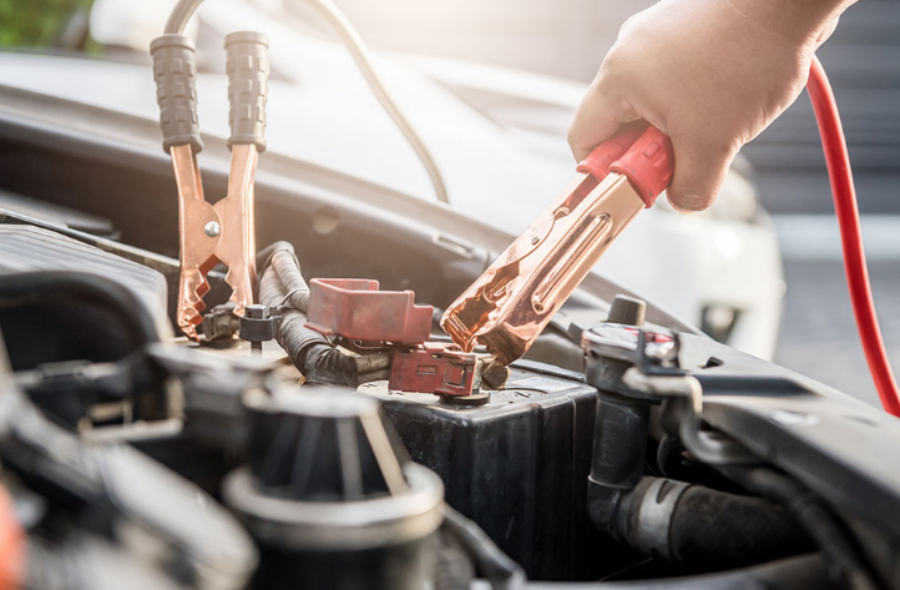
One of the most common issues associated with infrequent driving is battery degradation.
When a car sits unused for days or weeks, the battery continues to power various electronic systems, including security features, clocks, and onboard computers. Without regular driving to recharge the battery, its charge level gradually decreases.
As a result, weekend-only drivers often experience:
Dead batteries
Reduced battery lifespan
Unexpected replacement expenses
Emergency roadside assistance costs
Modern vehicles contain more electronic components than ever before, making battery health increasingly important.
Tire Deterioration Happens Even Without Driving
Many people assume tires wear out only when driven. While mileage certainly affects tire life, inactivity can be equally damaging.
When a vehicle remains parked in the same position for extended periods, tires can develop flat spots. Changes in temperature and air pressure can also accelerate rubber deterioration.
Potential issues include:
Uneven tire wear
Reduced ride comfort
Lower fuel efficiency
Premature tire replacement
For owners considering a car for sale in Cambodia, checking tire condition is especially important if the vehicle has been sitting unused for long periods.
Fluids and Engine Components Can Degrade
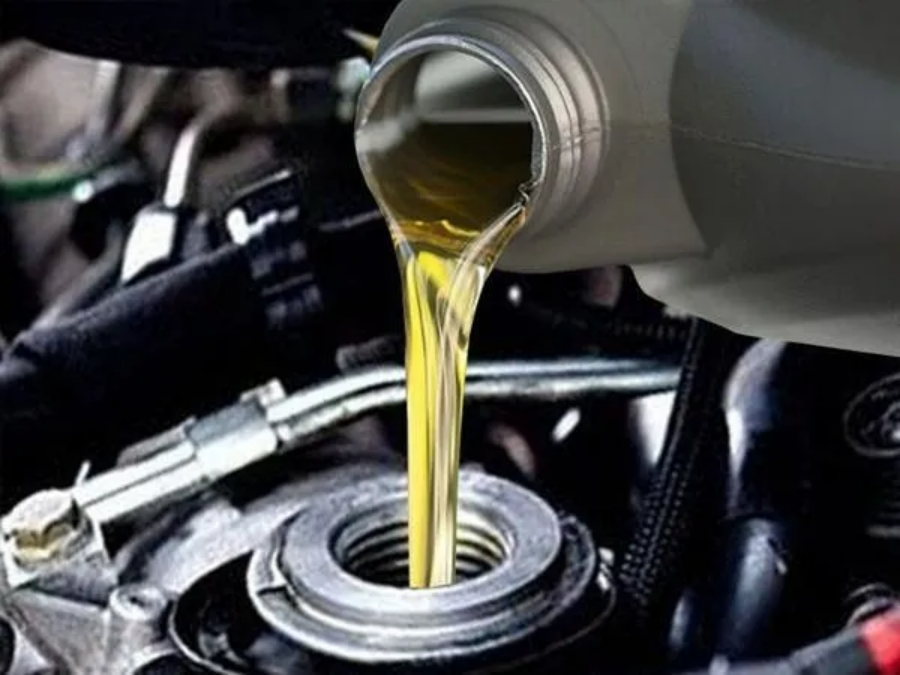
Cars contain numerous fluids that help maintain performance and protect critical components. These include:
Engine oil
Transmission fluid
Brake fluid
Coolant
Power steering fluid
When a vehicle is driven regularly, these fluids circulate through the system. However, long periods of inactivity can allow moisture buildup and contamination.
Engine seals and gaskets may also dry out when not lubricated frequently. This can lead to leaks and costly repairs over time.
Ironically, a vehicle that is rarely driven may require maintenance sooner than one that is used consistently.
Fuel System Problems
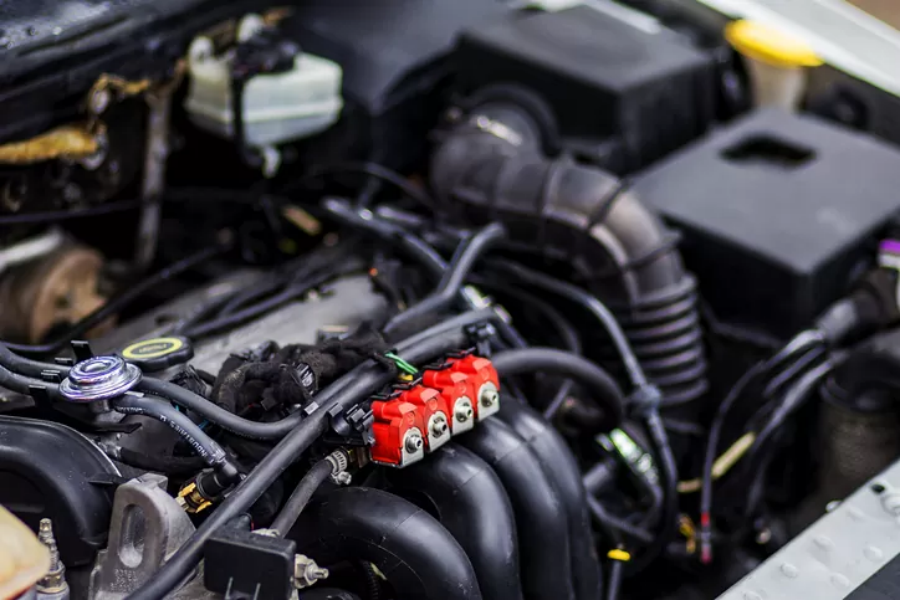
Gasoline does not remain fresh indefinitely.
If fuel sits in the tank for extended periods, it can degrade and lose effectiveness. In some cases, stale fuel may create deposits that clog injectors and fuel system components.
Common problems include:
Rough engine performance
Difficult starting
Reduced fuel economy
Increased maintenance expenses
These issues are particularly relevant in warm climates where fuel degradation can occur more quickly.
Insurance Costs Continue Regardless of Mileage
Many drivers expect significant savings when using their vehicle only occasionally. However, insurance remains one of the largest ownership expenses.
Even if a car spends most of its time parked, owners still typically pay for:
Comprehensive coverage
Theft protection
Collision insurance
Registration fees
While some insurers offer low-mileage discounts, the overall reduction is often smaller than expected.
As a result, weekend-only drivers may find that fixed ownership costs remain surprisingly high.
Vehicle Depreciation Never Stops
Depreciation is another hidden cost that affects every vehicle owner.
Many people believe driving fewer miles automatically preserves vehicle value. While lower mileage can improve resale appeal, age-related depreciation continues regardless of usage.
Factors that influence depreciation include:
Vehicle age
Market demand
Technology changes
Brand reputation
Cosmetic condition
A five-year-old vehicle with low mileage still loses value over time. Therefore, keeping a car parked most of the week does not eliminate depreciation costs.
Moisture and Rust Can Develop
Regular driving helps remove moisture that naturally accumulates in vehicle systems.
Short weekend trips may not allow the engine, exhaust system, and brakes to reach optimal operating temperatures. This can lead to:
Rust formation
Exhaust corrosion
Brake rotor deterioration
Mold and odor buildup
Vehicles driven only short distances occasionally are often more vulnerable to these issues than cars used regularly for longer journeys.
Is Weekend-Only Driving Ever Worth It?
Despite these hidden costs, weekend-only driving can still make sense for many people.
If your lifestyle genuinely requires limited vehicle use, you can reduce risks by:
Starting the vehicle regularly
Taking longer drives occasionally
Maintaining proper tire pressure
Using a battery maintainer
Following manufacturer maintenance schedules
These simple steps can help preserve vehicle condition and minimize unexpected expenses.
What Buyers Should Know
When shopping for a used vehicle, buyers should not automatically assume low mileage equals better condition.
A low-mileage car for sale in Cambodia may have spent years sitting unused, potentially leading to hidden maintenance concerns. Buyers should always inspect:
Battery condition
Tire age
Fluid quality
Service records
Signs of corrosion
A well-maintained vehicle with moderate mileage can sometimes be a better investment than a rarely driven car.
Conclusion
Driving only on weekends may seem like an effective way to save money, but vehicle ownership involves more than fuel expenses. Battery deterioration, tire damage, fluid degradation, insurance costs, depreciation, and mechanical issues can all create hidden financial burdens.For current vehicle owners and buyers searching for a car for sale in Cambodia, understanding these often-overlooked costs is essential. Regular maintenance and occasional longer drives can help protect your investment and ensure that driving less does not end up costing more in the long run.
Looking for top-quality new or used cars? Trust DG Motors for fast, reliable service—or visit our Phnom Penh showroom today!