Contents
hide
- I. Dimensions and Space: The Overwhelming Advantage of the Grand Highlander
- II. Powertrain: Hybrid MAX Exclusive to the Grand Highlander
- III. Interior and Technology: Grand Highlander Offers More Generous Features
- IV. Pricing and Positioning: An Unexpected Price Reversal
- V. Other Key Differences at a Glance
- Summary: Which One Suits You Better?
Toyota’s Highlander series has long enjoyed popularity in the family SUV market. The 2026 models have arrived. This lineup has become richer than ever. But it also presents consumers with an interesting dilemma. Should you choose the classic Highlander? Or should you opt for the more spacious Grand Highlander? The names sound similar. However, their target users differ quite a bit. Meanwhile, a new trend has emerged in the global auto market. Chinese automobiles are showing strong sales momentum. In 2025, China’s automobile exports exceeded 7 million units. This firmly secured the top global position. It also provided consumers worldwide with more choices. Yet Toyota’s duo still holds a significant spot in the three-row SUV segment. This article will delve into the core differences between the 2026 models. It will help you make the most informed car-buying decision.
I. Dimensions and Space: The Overwhelming Advantage of the Grand Highlander
The most obvious difference lies in the dimensions. The Highlander body length ranges from 194.9 to 197.4 inches. Its wheelbase measures 112.2 inches. Toyota significantly stretched the 2026 Grand Highlander. Its body length reaches 201.4 inches. Its wheelbase extends to 116.1 inches. Designers dedicated nearly all of that extra 4 inches to interior space.
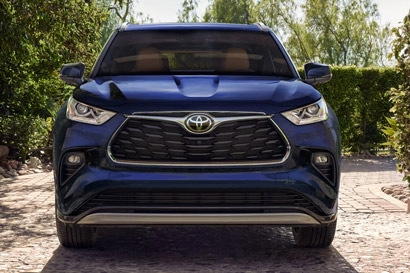
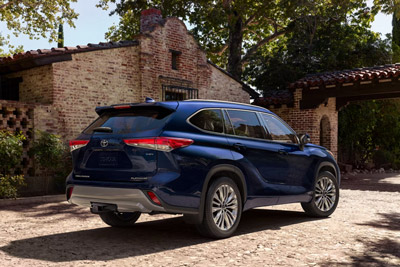
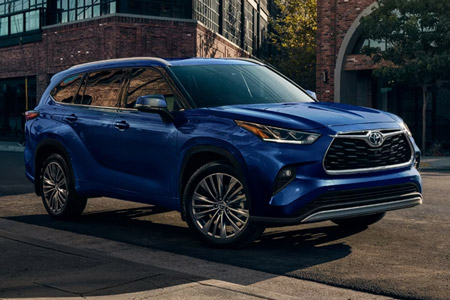
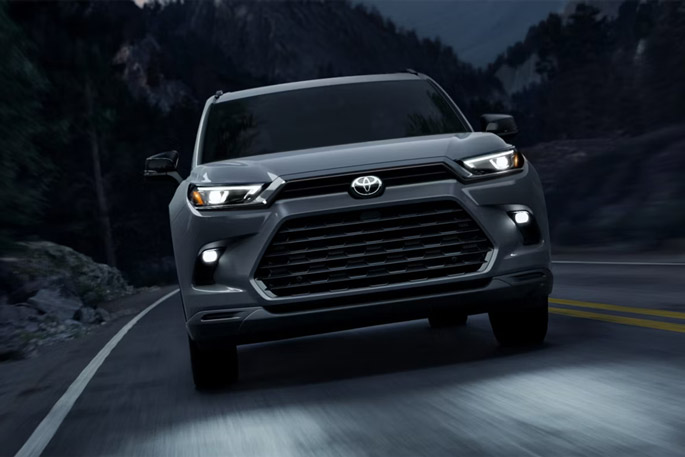
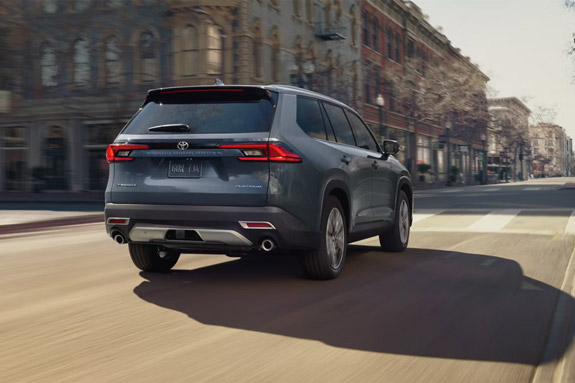
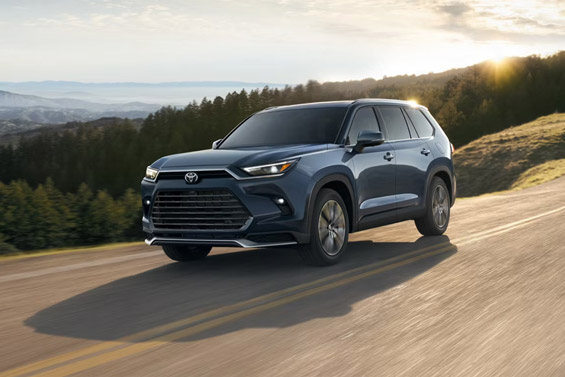
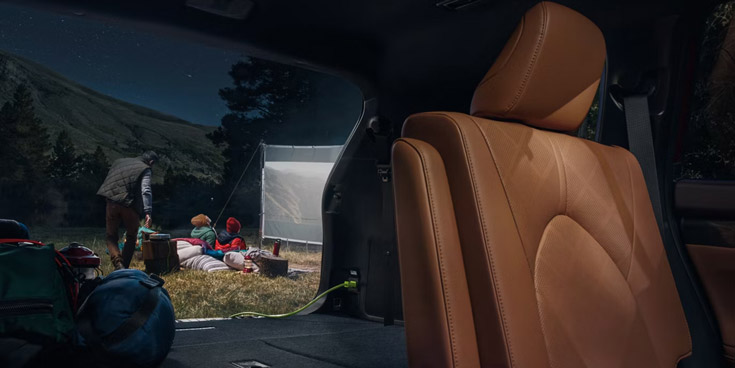
The third row shows this difference most clearly. The Highlander offers only 28 inches of third-row legroom. Adults can use it only for short, emergency trips. The Grand Highlander provides 33.5 inches of legroom. Adult passengers can sit there comfortably. Cargo capacity also varies greatly. With all seats upright, the Highlander holds about 16 cubic feet. The Grand Highlander reaches 20.6 cubic feet. That space accommodates seven carry-on suitcases. When you fold all rear seats down, the Grand Highlander boasts 97.5 cubic feet of maximum storage. The Highlander only offers 84.3 cubic feet. Do you travel long distances with a full load of seven or eight people? The Grand Highlander is undoubtedly the better choice.

II. Powertrain: Hybrid MAX Exclusive to the Grand Highlander
Powertrain options overlap but also show differences. Both vehicles offer a 2.4-liter turbocharged four-cylinder engine. It produces 265 horsepower and 310 lb-ft of torque. Both vehicles also offer a 2.5-liter hybrid system. However, Toyota offers a more powerful option exclusively for the Grand Highlander. That is the Hybrid MAX. This system combines the turbocharged engine with electric motors. It achieves a combined output of 362 horsepower. That figure significantly surpasses the Highlander Hybrid’s 243 horsepower. Do you want an SUV with three-row practicality and strong acceleration? The Hybrid MAX is the Grand Highlander’s unique trump card.
Regarding fuel economy, the lighter Highlander body provides an advantage. Its hybrid version earns an EPA-estimated combined rating of 35 mpg. The Grand Highlander Hybrid (AWD) rates at 34 mpg. However, the entry-level Grand Highlander hybrid performs very well too. In front-wheel drive mode, it can achieve 36 mpg combined.
III. Interior and Technology: Grand Highlander Offers More Generous Features
The Grand Highlander clearly has the edge in interior and tech. It comes standard with a 12.3-inch touchscreen. You also get three-zone automatic climate control. Seven USB-C charging ports come standard as well. This provides a more premium user experience. The Highlander’s base model includes an 8-inch touchscreen. You must pay extra for the 12.3-inch screen. Furthermore, the Grand Highlander includes exclusive features. These include the Smartphone Key function. You also get the Head-Up Display and Digital Rearview Mirror. These are not available on the Highlander.
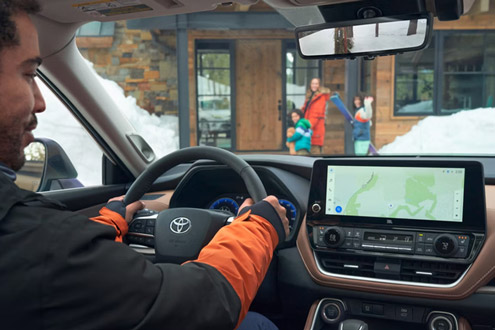
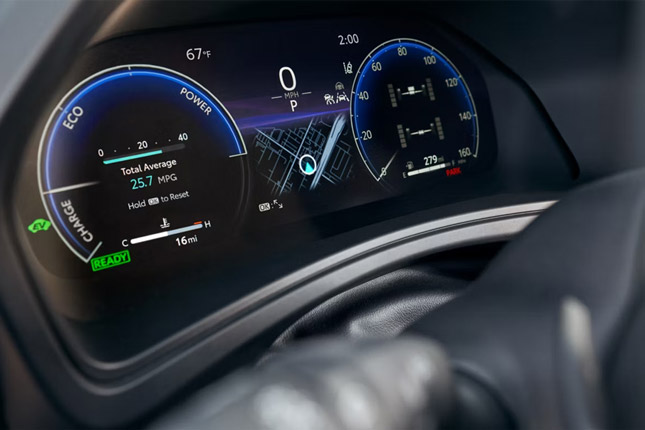
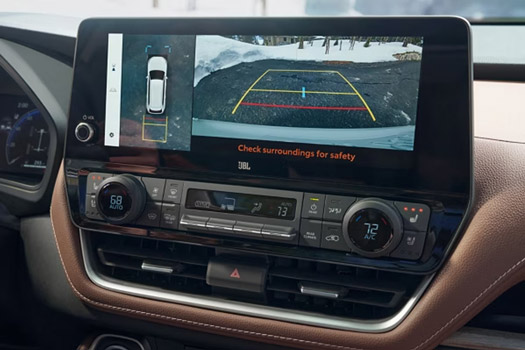
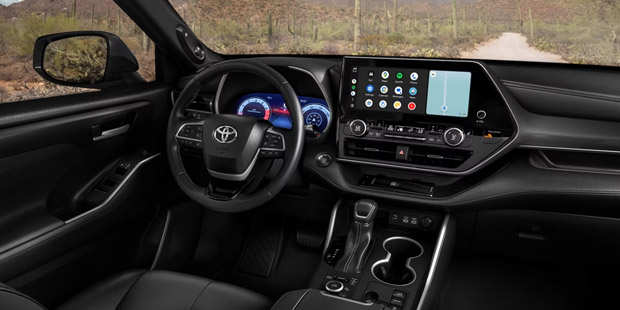
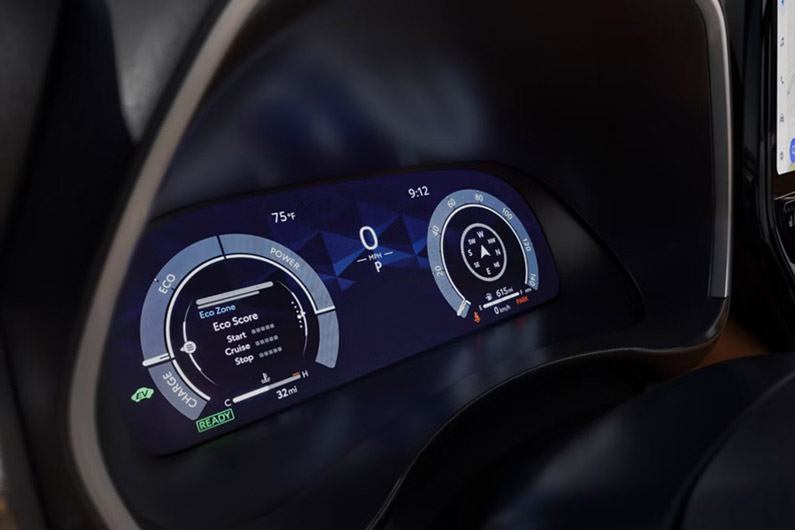
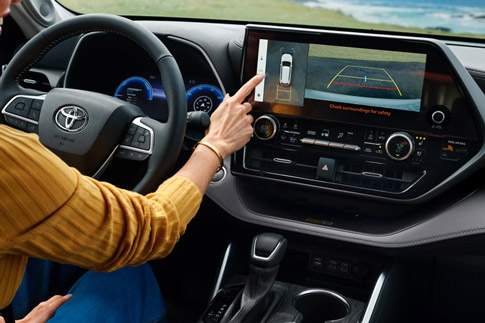
The Grand Highlander also improves ride comfort. It uses acoustic glass for the windshield and front side windows. This effectively reduces cabin noise. Both vehicles come standard with Toyota Safety Sense. But Toyota equips the Grand Highlander with the newer TSS 3.0 version. This suite includes more advanced features like Traffic Jam Assist.
IV. Pricing and Positioning: An Unexpected Price Reversal
The 2026 pricing presents an interesting reversal. Toyota eliminated the entry-level LE trim for the Highlander. All Highlander models now come standard with AWD. This raised the starting price to $46,765. Meanwhile, the Grand Highlander starts at $42,855 (LE FWD). That makes it cheaper than the Highlander. This adjustment makes the Grand Highlander’s value even more prominent.
The Highlander Hybrid starts at $47,020. The Grand Highlander Hybrid starts at $46,205. Do you seek higher trim levels? The Highlander Hybrid Platinum costs around $56,170. The Grand Highlander Hybrid MAX Platinum costs about $60,770. The entry-level Grand Highlander is more affordable. However, its top-tier models are more expensive.
V. Other Key Differences at a Glance
| Comparison Item | 2026 Highlander | 2026 Grand Highlander |
| Drivetrain | AWD Standard on all trims | FWD Available, AWD Optional |
| Maximum Towing Capacity | 3,500 lbs | 5,000 lbs |
| Third-Row USB Ports | No | Yes |
| Wireless Charging Pad | Optional | Standard |
| Third-Row Headroom | 36.1 inches | 37.2 inches |
Summary: Which One Suits You Better?
Choosing between the 2026 Grand Highlander and Highlander depends on your actual needs. Do you need genuine adult-sized third-row seating? Do you require greater cargo space? Do you crave the more powerful Hybrid MAX powertrain? If so, the Grand Highlander is the optimal choice. Its interior space approaches that of a full-size SUV. Yet the price remains within a reasonable range. Do you prioritize fuel economy? Do you use the third row mainly for children or occasional passengers? The Highlander remains an excellent choice. Its urban maneuverability and lower fuel consumption are core advantages.
Whichever model you choose, you can trust Toyota’s reliability and safety. Resale value remains strong. Today’s global automotive market is more competitive than ever. Chinese automotive brands are rising rapidly worldwide. They leverage new energy technologies and intelligent features. Yet Toyota continues to solidify its leading position in the family SUV segment. The company enriches its product line and provides diversified choices.
Looking for top-quality new or used cars? Trust DG Motors for fast, reliable service—or visit our Phnom Penh showroom today!