Contents
hide
- Why Can a Pothole Damage a Car Without Leaving Visible Signs?
- 1. Wheel Alignment Can Be Knocked Out
- 2. Tires Can Suffer Internal Damage
- 3. The Wheel May Be Slightly Bent
- 4. Suspension Components Can Be Damaged
- 5. Steering Components May Be Affected
- 6. Underbody Components Can Take a Hit
- What Should You Do Immediately After Hitting a Pothole?
- How Can You Check a Used Car for Previous Pothole Damage?
- Are Pothole Problems Expensive to Repair?
- How Can You Reduce Pothole Damage?
- Final Thoughts
You hit a pothole, hear a loud thump, and keep driving. You check the tires, look at the wheels, and everything seems fine. No cracks, no flat tire, and no warning lights. So, is your car actually okay?
Not necessarily.
Pothole damage is often hidden at first. A strong impact can affect the suspension, wheel alignment, tires, steering components, and even parts of the vehicle underneath. Some problems may not become noticeable until days or weeks later.
For drivers looking at a car for sale in Cambodia, understanding pothole damage is especially important. Road conditions can vary considerably, and knowing how to identify hidden impact damage can help you choose a safer and more reliable vehicle.
Why Can a Pothole Damage a Car Without Leaving Visible Signs?
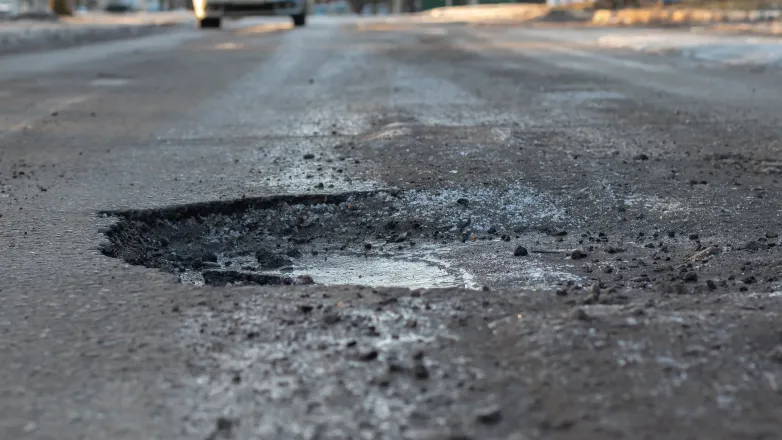
Modern cars are designed to handle bumps and imperfect roads, but a deep pothole can create a sudden impact that is much stronger than an ordinary road bump.
When a wheel drops into a pothole and hits the edge, the tire, wheel, suspension, and steering system absorb a large amount of force. The outside of the vehicle may look completely normal while components underneath have been bent, weakened, or knocked out of alignment.
The most common problem is that the damage isn’t immediately obvious.
For example, a slightly bent suspension component may still allow the vehicle to drive normally. However, the car could gradually develop uneven tire wear, steering problems, vibrations, or poor handling.
That’s why a pothole should never be ignored simply because you can’t see anything broken.
1. Wheel Alignment Can Be Knocked Out
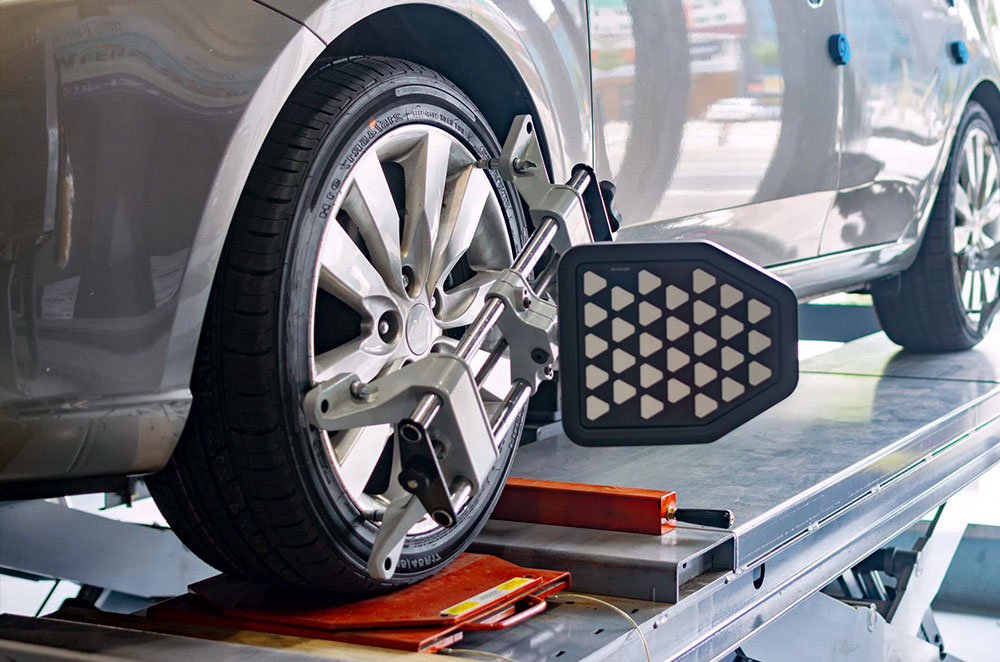
One of the most common hidden effects of hitting a pothole is wheel misalignment.
Your vehicle’s wheels need to sit at very specific angles to maintain stable handling and even tire wear. A hard impact can change these angles even when the wheel itself looks perfectly normal.
You may notice:
- The steering wheel isn’t centered when driving straight
- The car pulls slightly to one side
- The vehicle feels less stable
- Tires wear unevenly
- Steering feels different from before
Alignment problems may seem minor, but continuing to drive with incorrect alignment can accelerate tire wear and affect handling.
If you recently hit a large pothole and the steering suddenly feels different, an alignment inspection is a smart first step.
2. Tires Can Suffer Internal Damage
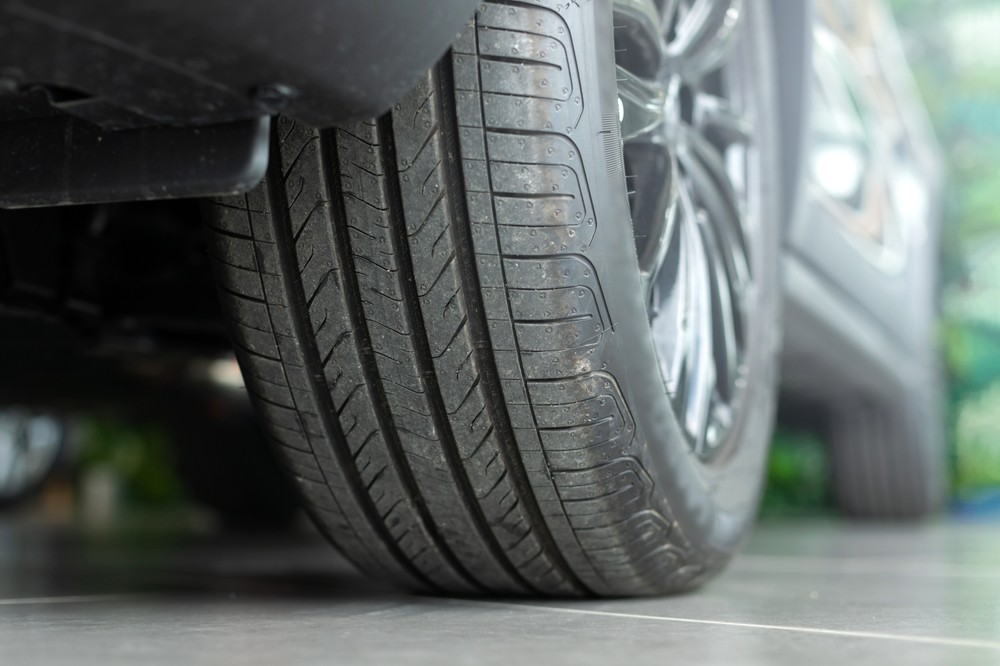
Your tire may still hold air after hitting a pothole, but that doesn’t automatically mean it’s undamaged.
A severe impact can damage the internal structure of a tire. The sidewall may develop a small bulge, or the internal cords may be weakened.
Some damage becomes visible immediately, while other problems appear later.
Pay particular attention to:
- Sidewall bulges
- Cuts or cracks
- Unusual vibrations
- Repeated loss of tire pressure
- Uneven tread wear
A damaged tire can become a safety concern, especially at higher speeds. If you notice anything unusual after a pothole impact, have the tire professionally inspected rather than assuming it is fine because it isn’t flat.
3. The Wheel May Be Slightly Bent
Alloy wheels can look fine after a pothole impact while still being slightly bent.
A small deformation may not be obvious when looking at the parked vehicle. However, once you drive at higher speeds, you might feel a vibration through the steering wheel or floor.
A bent wheel can also cause:
- Air leaks around the tire bead
- Steering vibrations
- Uneven tire wear
- Poor balance
- Difficulty maintaining smooth handling
Steel wheels can also be damaged, although their behavior after an impact can differ from alloy wheels.
If your car suddenly develops a vibration after hitting a pothole, checking both the wheel and tire is worthwhile.
4. Suspension Components Can Be Damaged
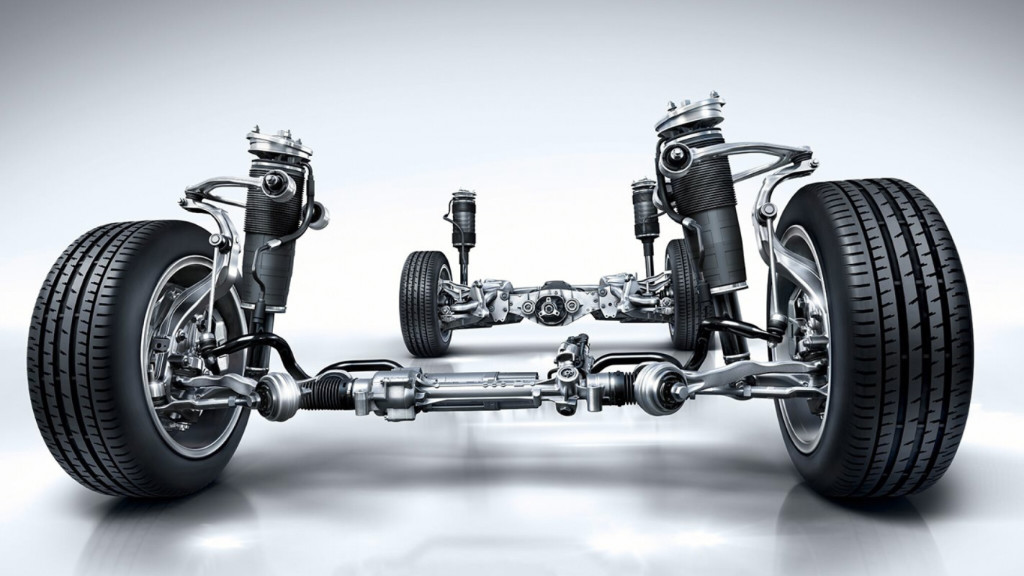
Your suspension system does much more than make the ride comfortable. It helps keep the tires connected to the road.
A pothole can place heavy stress on components such as control arms, ball joints, tie rods, bushings, struts, and shock absorbers.
Some damage is easy to spot, but minor bending or wear may not be visible without an inspection.
After a hard impact, listen for new sounds such as:
- Clunking
- Knocking
- Squeaking
- Rattling
You may also notice that the vehicle feels unusually bouncy or that one side of the car sits differently.
These symptoms shouldn’t be ignored because suspension problems can affect braking, steering, and overall vehicle stability.
5. Steering Components May Be Affected
Potholes can also put significant stress on the steering system.
If the steering wheel suddenly feels loose, the vehicle doesn’t respond as precisely as before, or the car pulls to one side, the impact may have affected a steering component.
Even a small change in steering behavior deserves attention. A car that doesn’t track straight or respond predictably can become difficult to control during emergency maneuvers.
This is particularly important when buying a used vehicle. If you’re considering a car for sale in Cambodia, don’t only inspect the exterior. A test drive can reveal problems that aren’t visible during a walk-around inspection.
6. Underbody Components Can Take a Hit
A deep pothole can sometimes cause the underside of the vehicle to contact the road.
Depending on the vehicle and impact, the exhaust system, underbody covers, battery protection components, or other parts underneath may be affected.
Electric vehicles deserve particular attention because their battery packs are typically located underneath the vehicle. While EV battery systems are designed with protection in mind, a severe impact to the underside should still be professionally inspected.
If you hear scraping, notice new rattling sounds, or see fluid underneath the car after hitting a pothole, don’t ignore it.
What Should You Do Immediately After Hitting a Pothole?
If you hit a pothole hard, don’t panic. When it is safe to do so, slow down and find a suitable place to inspect the vehicle.
Start with a quick visual check.
Look at the affected tire for bulges, cuts, or obvious damage. Check whether the wheel appears unusually distorted. Then pay attention to the steering and how the car behaves while driving slowly.
If you notice vibration, pulling, unusual noises, steering changes, or tire-pressure loss, arrange an inspection.
Even if everything appears normal, a professional check can be worthwhile after a particularly severe impact.
How Can You Check a Used Car for Previous Pothole Damage?
If you’re shopping for a used vehicle, pothole damage can be difficult to identify because the seller may have repaired the most obvious problems.
Look for signs of uneven tire wear and compare the condition of the tires on both sides of the vehicle. Check whether the steering wheel sits straight during a test drive.
Listen carefully for suspension noises when driving over small bumps.
It’s also useful to inspect the wheels for scratches or deformation. Freshly replaced tires or wheels on only one corner of the vehicle can sometimes be a reason to ask additional questions, although they aren’t proof of previous pothole damage.
A professional pre-purchase inspection is one of the best ways to identify hidden suspension, steering, wheel, and underbody issues.
Are Pothole Problems Expensive to Repair?
It depends entirely on what was damaged.
A simple wheel alignment is usually much less expensive than replacing a damaged suspension or steering component. A tire or wheel may also be relatively straightforward to replace, while more extensive underbody or EV battery-related damage can require a much more detailed inspection.
The important point is that early detection can prevent a small problem from becoming a bigger one.
For example, driving for months with poor alignment can cause premature tire wear. A worn or damaged suspension component can also place additional stress on other parts.
How Can You Reduce Pothole Damage?
You can’t control every road condition, but you can reduce the risk.
Keep your tires properly inflated according to the manufacturer’s recommendations. Proper tire pressure helps the tire and suspension system work as designed.
When approaching an area with poor road conditions, reduce speed and keep both hands on the steering wheel when appropriate. Avoid sudden braking or sharp steering movements immediately before a pothole if doing so would create another hazard.
Most importantly, don’t deliberately accelerate through potholes. Higher speed generally means greater impact energy.
Final Thoughts
A pothole doesn’t need to leave a cracked wheel or flat tire to cause damage.
Wheel alignment, tire structure, suspension components, steering parts, and underbody systems can all be affected while the vehicle continues to look perfectly normal from the outside.
If your car feels different after a pothole impact, treat that change as a warning rather than waiting for a serious problem to appear.
And if you’re searching for a car for sale in Cambodia, take the same approach during the buying process. Don’t judge a used car only by its paint, interior, or mileage. Pay attention to the tires, wheels, steering, suspension, underbody, and driving behavior. A careful inspection today can help you avoid expensive surprises tomorrow.
Looking for top-quality new or used cars? Trust DG Motors for fast, reliable service—or visit our Phnom Penh showroom today!