Contents
hide
- Ⅰ. Five Key Factors That Determine How Long a Car Can Be Parked
- Ⅱ. Risks and Recommendations for Different Parking Durations
- Ⅲ. A 7-Step Preparation Checklist Before Long-Term Parking
- Ⅳ. What Should You Pay Attention to When Restarting After Long-Term Parking?
- Ⅴ. Frequently Asked Questions (Suitable for Google Rich Snippets)
- Conclusion
Many car owners encounter this situation: business trips, travel, working from home, or having multiple cars at home, where one vehicle may sit unused for several weeks or even months. So, how long can a car be parked without being driven?
The simple and direct answer is: it is best not to leave a car completely unused for more than 1 month. If conditions allow, starting and driving it for 15–20 minutes every 1–2 weeks is the ideal state.
Of course, how long a car can actually be parked depends on several factors, including the battery, tires, fluids, fuel, and brakes. Below we will analyze these one by one and provide practical suggestions for different parking durations.
Ⅰ. Five Key Factors That Determine How Long a Car Can Be Parked
1. Battery — The Most Common Reason a Car “Breaks Down from Sitting”
Even when the car is turned off, electronic devices such as the anti-theft system, on-board computer, and clock still draw a small amount of current. This is known as “parasitic drain.”
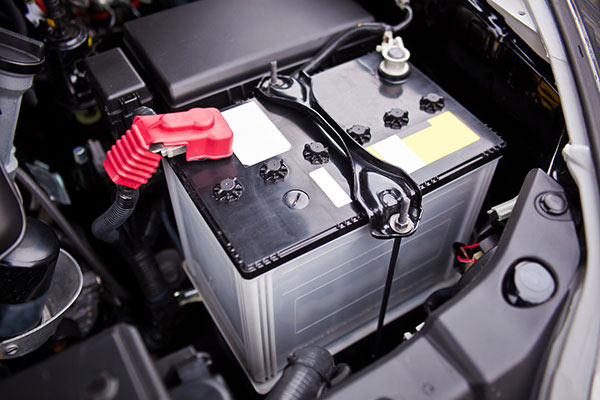
- A generally healthy battery: can last about 2–4 weeks, after which it may become discharged and unable to start the car.
- An older battery (more than 3 years old): may go dead after just 1 week of parking.
- Vehicles with start-stop function: the battery capacity is larger, but the electronic system is more complex, so the parking time is not necessarily longer.
Tip: If the vehicle is expected to be parked for more than 2 weeks, you can disconnect the negative battery terminal or use a smart battery maintenance charger to keep it charged.
2. Tires — Long-Term Pressure Can Cause Deformation
The part of the tire in contact with the ground bears the vehicle’s weight for a long time and is prone to developing “flat spots,” that is, tire out-of-roundness.
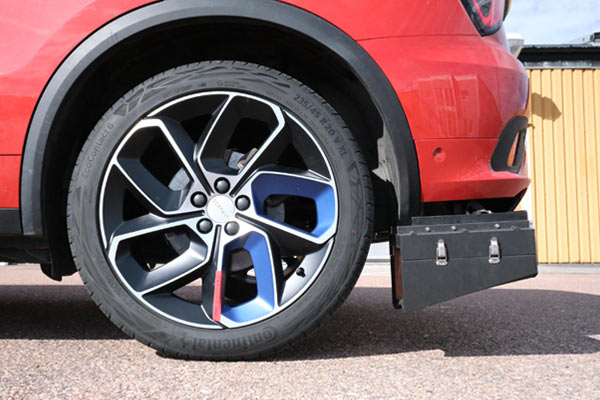
- After about 1 month of parking, the risk of flat spots begins to increase noticeably.
- After more than 2–3 months, flat spots may become permanent deformation, causing vibration and increased noise while driving.
Tip: Before long-term parking, inflate the tires to the upper limit recommended by the manufacturer; every few weeks, move the vehicle forward or backward slightly to change the tire contact points.
3. Engine Oil and Other Fluids — Not Flowing Does Not Mean Not Deteriorating
Engine oil can be stored for a relatively long time inside a sealed engine, but if the engine is not run for a long time, all the oil film will drain back into the oil pan, causing greater engine wear when restarted.
- Parked for 3–6 months: engine oil generally will not deteriorate immediately, but its protective effect will decline.
- More than 6 months: it is recommended to change the engine oil before starting.
- Brake fluid, coolant, transmission fluid, etc., are generally fine during short-term parking as long as the systems are well sealed, but their levels and condition should still be checked regularly.
4. Fuel — Gasoline Can Also “Go Bad”
Gasoline slowly oxidizes in the fuel tank and absorbs moisture from the air; ethanol-blended gasoline is especially prone to absorbing water and deteriorating.
- Regular gasoline: quality begins to decline noticeably after about 3–6 months.
- Ethanol-blended gasoline: problems such as phase separation and water absorption may occur after just 1–3 months.
Tip: Before long-term parking, fill the fuel tank completely to reduce the entry of air and moisture; if parking for more than 3 months, consider adding a fuel stabilizer.
5. Brake System — Risk of Rust and Seizing
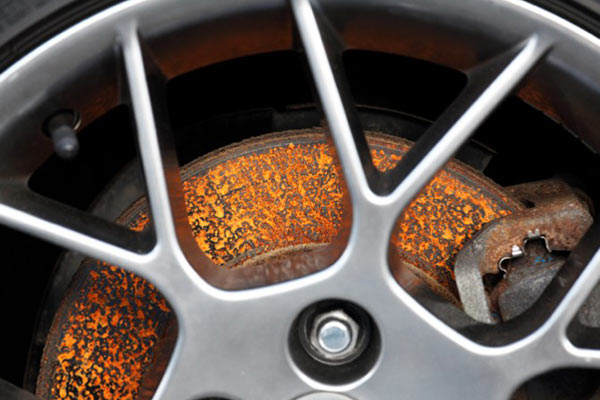
Brake discs are mostly made of cast iron and rust easily when exposed to humid air. Light rust can be worn off by applying the brakes a few times while driving, but severe rust can affect braking performance.
In addition, if the parking brake is left engaged for a long time, the brake pads and discs may stick together, causing the rear wheels to lock.
Tip: Do not apply the handbrake when parking on level ground. For a manual transmission, shift into 1st gear or reverse; for an automatic transmission, shift into P and use wheel chocks to secure the vehicle.
Ⅱ. Risks and Recommendations for Different Parking Durations
| Parking Duration | Risk Level | Recommended Measures |
| 1–2 weeks | Low | Park normally, and after returning, start the car and drive for a certain distance. |
| 2–4 weeks | Medium-low | Disconnect the negative battery terminal or use a charger; increase tire pressure appropriately. |
| 1–3 months | Medium-high | Fill the fuel tank, disconnect the battery, move the tires regularly, and do not apply the handbrake. |
| 3–6 months | High | Ideally have someone start and drive the car regularly; before returning to use, thoroughly check the battery, tire pressure, fluids, and brakes. |
| More than 6 months | Very high | Treat as “long-term storage”: change the oil, add fuel stabilizer, protect against moisture and rodents, and move the vehicle regularly. |
Core conclusion: If you are only on an occasional business trip or vacation, parking for 2–3 weeks generally will not cause major problems. If it will be parked for more than 1 month, it is recommended to prepare in advance; if more than 3 months, be sure to follow long-term parking procedures.
Ⅲ. A 7-Step Preparation Checklist Before Long-Term Parking
If you are sure the car will need to be parked for a relatively long time, follow these steps:
- Fill the fuel tank: reduce the air inside the tank to lower the risk of condensation and oxidation.
- Check and adjust tire pressure: inflate to the manufacturer’s recommended upper limit, and use tire pads if available.
- Disconnect the negative battery terminal: or install a battery maintenance charger to prevent discharge.
- Clean the vehicle: wash and wax it to prevent long-term damage to the paint from dust, bird droppings, and tree sap.
- Keep the interior dry: place desiccants inside to avoid mold and odors.
- Do not apply the handbrake: use wheel chocks when parking on level ground to prevent the brakes from seizing.
- Cover the vehicle: use a breathable car cover to avoid direct sunlight and the entry of leaves and dust.
Ⅳ. What Should You Pay Attention to When Restarting After Long-Term Parking?
When starting the car for the first time after a long period of parking, do not rush to drive away. It is recommended to check in the following order:
- Check the battery voltage to confirm whether it can start normally.
- Check tire appearance and pressure for obvious deformation or air leaks.
- Open the engine compartment and check for rodent damage to wiring harnesses and fluid leaks.
- After starting, let the engine idle for 1–2 minutes and watch for warning lights on the instrument cluster.
- Drive at low speed for a few minutes and gently apply the brakes several times to remove surface rust from the brake discs.
- If the vehicle has been parked for more than 6 months, it is recommended to change the engine oil and oil filter before normal use.
Ⅴ. Frequently Asked Questions (Suitable for Google Rich Snippets)
How long can a car be parked without being driven?
It is generally recommended not to leave a car completely unused for more than 1 month. The battery usually only lasts 2–4 weeks, and beyond this time there is a risk of discharge. If conditions allow, it is better to start and drive the car for 15–20 minutes every 1–2 weeks.
Will parking a car for a month without driving it cause any problems?
The impact is not significant, but the battery may be on the verge of discharge, and the tires may begin to develop slight flat spots. It is recommended to check the battery charge after returning and drive a certain distance to recharge the battery.
How often should a parked car be started?
Ideally, it should be started every 1–2 weeks and driven for 15–20 minutes. Merely idling in place has limited charging effect; it is best to actually drive the car so that the tires, brakes, and transmission are all lubricated.
Will long-term parking damage the engine?
Not in the short term, but after more than 3–6 months, the oil’s protective performance declines, and wear will increase when the engine is restarted. Long-term parking may also cause oil seals to dry out and crack, and slight internal rust. Therefore, if it has been parked for more than 6 months, it is recommended to change the oil before starting.
Is it normal for brake discs to rust after the car has been parked for a long time?
Yes, it is normal. Brake discs are made of cast iron and will rust when exposed to humid air. As long as the rust is not severe, lightly applying the brakes a few times while driving will wear it off. If the rust layer is very thick, it is recommended to have it checked and treated at a repair shop.
Conclusion
How long can a car be parked without being driven? For a short period of 2–3 weeks, there is usually little to worry about, but if it will be parked for more than 1 month, you need to prepare in advance. The battery, tires, fluids, fuel, and brakes are the five most critical areas. As long as you follow the suggestions in this article and prepare properly, the vehicle can remain in good condition even after being parked for several months and be ready to drive safely at any time.
If you are about to go on a long business trip or vacation, you may want to save this checklist and give your car a proper “vacation preparation” before you leave.
Looking for top-quality new or used cars? Trust DG Motors for fast, reliable service—or visit our Phnom Penh showroom today!


