Contents
hide
- How Long Can a Car Sit Without Being Driven?
- Why Does a Car Have Problems When It Is Not Driven?
- 1. The Battery Is Usually the Biggest Concern
- 2. Tires Can Lose Pressure
- 3. Brakes Can Develop Surface Rust
- 4. Engine Oil and Other Fluids Still Matter
- 5. Cambodia’s Weather Makes Parking Conditions Important
- Should You Start a Car That Has Been Sitting?
- What If Your Car Has Been Sitting for Three Months?
- How to Store a Car in Cambodia for a Long Time
- What About Electric Cars?
- How Often Should You Drive a Car That You Rarely Use?
- Final Thoughts
If you own a car in Cambodia, it is easy to assume that leaving it parked for a few weeks will not cause any problems. After all, the engine is not running, the mileage is not increasing, and the car is safely sitting in your driveway or garage. But cars are not designed to stay completely inactive for long periods.
So, how long can a car sit without being driven?
As a general rule, a modern car can usually sit for two to four weeks without major problems if the battery is healthy and the vehicle is parked in a suitable place. However, once a car has been sitting for a month or longer, the risk of battery discharge, tire pressure loss, brake corrosion, fluid problems, and other issues starts to increase.
Cambodia’s hot temperatures, humidity, heavy rain, dust, and seasonal conditions can make long-term parking even more challenging. Whether you already own a vehicle or are looking at a car for sale in Cambodia, understanding how to store and maintain a parked car can save you from expensive repairs later.
How Long Can a Car Sit Without Being Driven?

There is no single answer because it depends on the car’s age, condition, battery, parking environment, and how well it was maintained before being parked.
Here is a practical guideline:
- A few days: Usually no problem.
- 1–2 weeks: Generally safe for a healthy, well-maintained vehicle.
- 3–4 weeks: Usually manageable, but the battery and tires should be checked.
- 1–2 months: More maintenance is recommended before driving again.
- 3 months or longer: The car should be prepared for long-term storage.
- 6 months or more: Professional inspection may be worthwhile before returning the vehicle to regular use.
The key point is that a car can sit for a surprisingly long time, but the longer it remains unused, the more attention it needs.
Why Does a Car Have Problems When It Is Not Driven?
A parked car may look completely inactive, but many components continue to age.
The battery gradually loses charge. Tires slowly lose air pressure. Brake discs can develop surface rust. Rubber components can deteriorate. Fluids can become contaminated, while moisture can accumulate in certain parts of the vehicle.
In Cambodia, the environment can make some of these problems more noticeable.
High temperatures can accelerate battery aging and affect rubber and plastic components. Humidity can contribute to corrosion, while dust and rain can make exterior maintenance more important.
This is why simply parking your car and forgetting about it is not the best strategy.
1. The Battery Is Usually the Biggest Concern
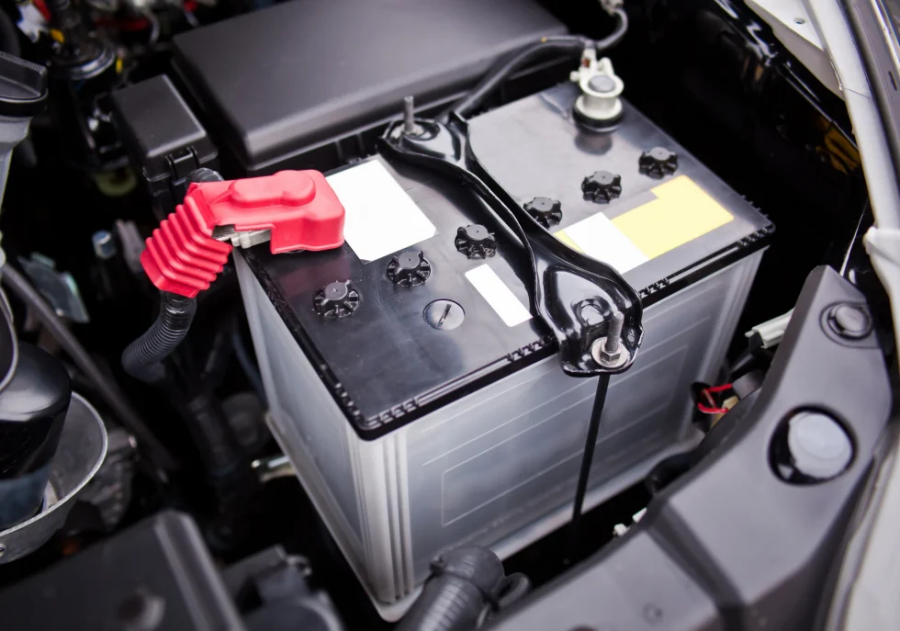
The car battery is one of the first components to cause trouble after a vehicle sits unused.
Even when the engine is switched off, modern cars continue to consume small amounts of electricity. Security systems, computers, keyless entry systems, alarms, and other electronics can draw power from the battery.
If the vehicle sits for several weeks, a weak battery may become completely discharged.
A healthy battery may tolerate several weeks of inactivity, but an older battery can fail much sooner.
If you know that your car will not be driven for an extended period, consider using a suitable battery maintainer. If you disconnect the battery, remember that some vehicles may lose settings or require electronic systems to be reset.
For modern vehicles, especially cars with sophisticated electronic systems, check the manufacturer’s recommendations before disconnecting the battery.
2. Tires Can Lose Pressure
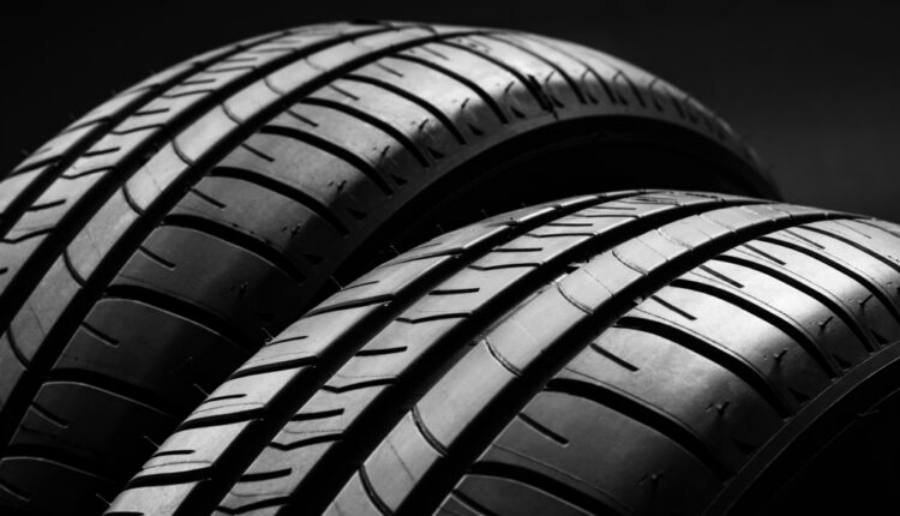
Tires slowly lose air even when the vehicle is not moving.
When a car remains parked for months, the same section of the tire stays in contact with the ground. In some circumstances, this can contribute to temporary flat-spotting.
Before leaving your car unused, check the tire pressure and inflate the tires according to the manufacturer’s recommended specification.
When you return to the vehicle, inspect all four tires carefully before driving.
Look for:
- Low tire pressure
- Cracks or visible damage
- Bulges
- Uneven wear
- Objects stuck in the tread
Do not assume that tires are safe simply because the car has not been driven.
3. Brakes Can Develop Surface Rust
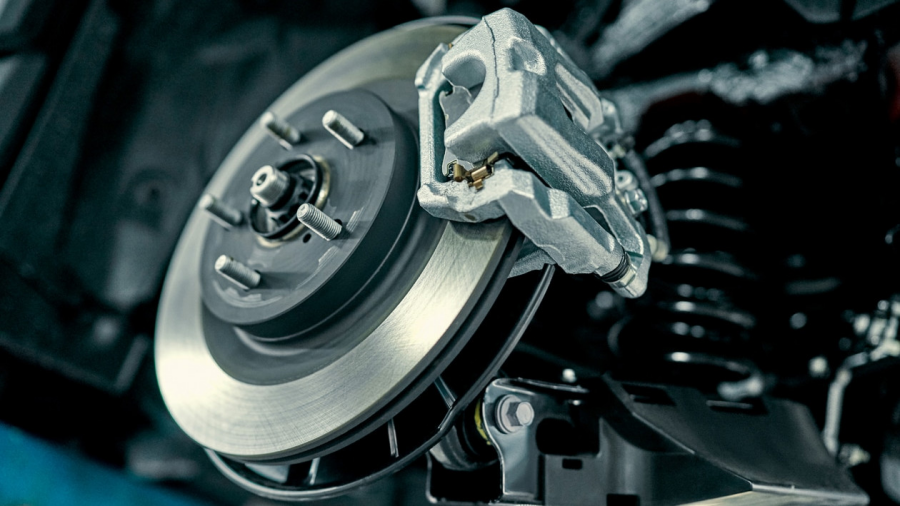
If your car sits outside during Cambodia’s humid or rainy weather, the brake discs can develop a thin layer of surface rust.
This is normally not a serious problem after a short period of parking. In many cases, normal braking will gradually clean the surface.
However, if a vehicle has been sitting for several months, the brakes should be checked carefully.
If the brakes feel unusual, make grinding noises, pull to one side, or fail to operate normally, do not continue driving without having them inspected.
4. Engine Oil and Other Fluids Still Matter
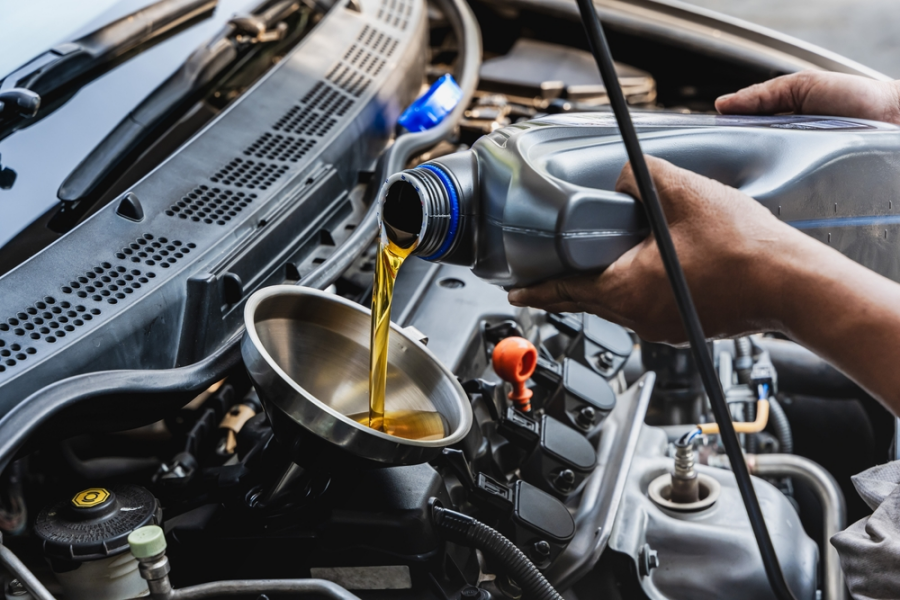
Some people assume that fluids only need attention when the car is being driven. That is not quite true.
Engine oil can become contaminated over time, particularly if it was already old when the vehicle was parked. Coolant, brake fluid, transmission fluid, and other fluids also need to remain at appropriate levels.
If you are storing a car for several months, check the manufacturer’s recommended maintenance schedule.
If the vehicle was already overdue for an oil change before storage, it is generally better to address the maintenance rather than simply leaving it parked.
5. Cambodia’s Weather Makes Parking Conditions Important
Where you park the vehicle can make a big difference.
A covered garage is usually better than leaving the car exposed to direct sunlight and rain. If a garage is unavailable, choose a shaded and reasonably dry location where possible.
Long exposure to strong sunlight can affect the paint, dashboard, plastic trim, rubber seals, and interior materials.
Humidity can also encourage mold or unpleasant odors, particularly if moisture gets trapped inside the cabin.
Before storing the vehicle, clean and dry the interior. Avoid leaving food, drinks, or other organic materials inside, as these can attract insects and other pests.
Should You Start a Car That Has Been Sitting?
Many drivers believe that starting a parked car for five or ten minutes is enough to keep it healthy.
In many cases, that is not particularly useful.
If you start the engine but allow it to idle for only a few minutes, the engine may not reach and maintain full operating temperature for long enough to remove accumulated moisture effectively.
If conditions are safe and the vehicle is properly maintained, a proper drive is generally more useful than simply starting the engine and leaving it running in place.
However, never run an engine inside a closed garage because exhaust gases can be dangerous.
What If Your Car Has Been Sitting for Three Months?
If your car has been parked for around three months, do not immediately jump in and drive away at normal speed.
First, perform a basic inspection.
Check the:
- Battery
- Engine oil
- Coolant level
- Brake fluid
- Tire pressure
- Tires for cracks or damage
- Brake discs and pads
- Exterior for corrosion or damage
- Engine bay for signs of animals or insects
- Fuel level and condition
Start the vehicle and pay attention to warning lights, unusual sounds, unusual smells, or fluid leaks.
If everything appears normal, take a short and gentle drive and test the brakes carefully.
For a vehicle that has been stored for six months or longer, professional inspection is a sensible precaution.
How to Store a Car in Cambodia for a Long Time
If you know you will not use your car for several weeks or months, preparation can make a big difference.
Clean the Car First
Wash the exterior and clean the interior before storage. Dirt, bird droppings, and other contaminants can damage paint if they remain on the vehicle for a long time.
Protect the Battery
A battery maintainer can help keep a healthy battery charged during long periods of inactivity. For some vehicles, following the manufacturer’s recommended battery-storage procedure is preferable.
Check the Tires
Set the tire pressures correctly before parking the car. Check them again before driving.
Park Under Cover
A covered parking area can reduce exposure to intense sunlight, rain, and environmental contamination.
Keep the Interior Dry
Make sure the cabin is dry before closing the vehicle for an extended period. Good ventilation and moisture control can help prevent unpleasant odors and mold.
Ask Someone to Check the Car
If you are traveling for several months, having a trusted person periodically inspect the vehicle can help identify problems early.
What About Electric Cars?
Electric vehicles have slightly different considerations.
An EV does not have a conventional gasoline engine, but it still has a high-voltage battery and a smaller 12-volt battery that supports various vehicle systems.
If an EV will remain parked for a long time, follow the manufacturer’s recommendations for long-term battery storage. Avoid leaving the high-voltage battery at either extremely high or extremely low charge for an extended period unless the manufacturer specifically recommends it.
Charging behavior also depends on the model, battery chemistry, and vehicle software.
This is worth remembering when comparing a car for sale in Cambodia, especially if you are considering a Chinese electric vehicle. Ask the seller about battery specifications, recommended storage procedures, warranty coverage, and local service support before purchasing.
How Often Should You Drive a Car That You Rarely Use?
If possible, driving your car every week or two is generally better than leaving it unused for several months.
A normal drive allows the vehicle to operate its engine, transmission, brakes, steering, tires, air-conditioning system, and other components.
The important thing is not simply to start the car. Give it enough time and distance to operate normally, while following local road and safety conditions.
If you only need a car occasionally, creating a simple maintenance routine can prevent many problems.
Final Thoughts
So, how long can a car sit without being driven in Cambodia?
For a healthy vehicle, a few weeks is usually not a major concern. But once the parking period reaches a month or more, you should start paying closer attention to the battery, tires, brakes, fluids, and storage environment.
For cars sitting for several months, proper preparation becomes much more important.
And if you are currently searching for a car for sale in Cambodia, don’t only consider the purchase price, appearance, and specifications. Think about how often you will actually drive the vehicle, where you will park it, and how easy it will be to maintain locally.
A car that fits your driving habits and local environment will usually be a much better long-term purchase than one that simply looks attractive on paper.
Looking for top-quality new or used cars? Trust DG Motors for fast, reliable service—or visit our Phnom Penh showroom today!