With the powerful debut of the 2026 Hyundai IONIQ 9, it goes head-to-head with the highly acclaimed 2026 Kia EV9. Although both share the advanced E-GMP platform, they exhibit distinctly different personalities in terms of design, space, range, and technology features.
So, faced with these two strong Korean electric flagships, how should you choose? In this in-depth comparison, we will analyze from multiple dimensions including price, range, performance, interior, technology, and safety to help you find the car that suits you best.
Price and Range
For most electric vehicle buyers, price and range are the key factors in their purchase decision. This not only concerns the budget, but also directly affects the convenience of daily use.
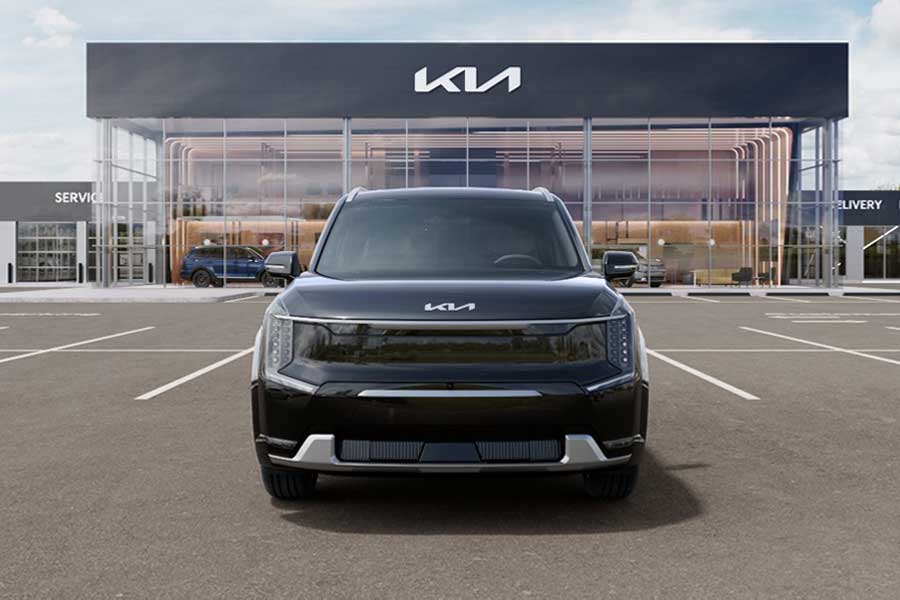
The entry threshold for the Kia EV9 is noticeably lower. Its base Light RWD starts at just $54,900 (EPA range 230 miles). What’s more, if you seek longer driving distance, the Light Long Range RWD version starts at $57,900 and offers an excellent range of up to 305 miles. Of course, if you need more power and all-wheel drive, the Wind AWD (range 283 miles, starting at $63,900) and Land AWD (starting at $68,900) are good choices.
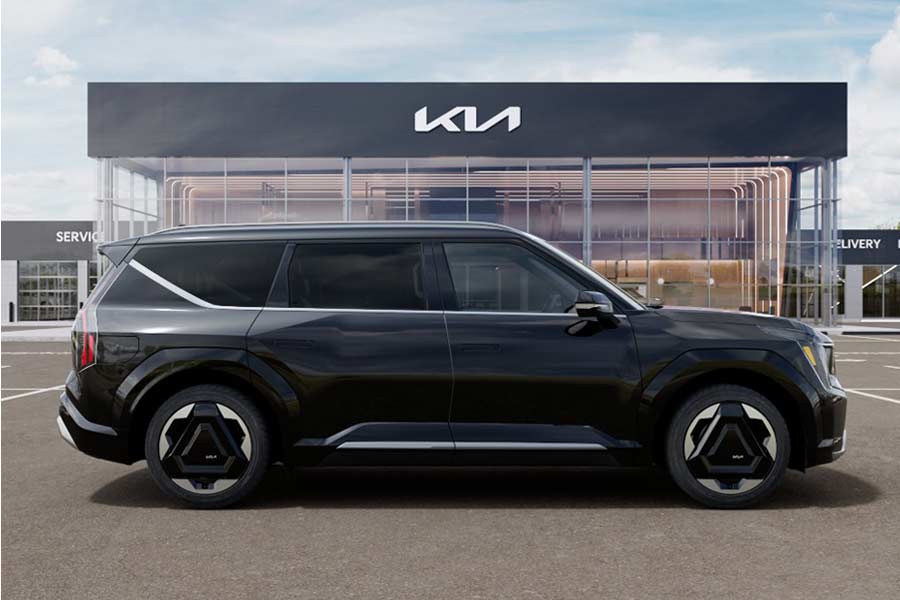
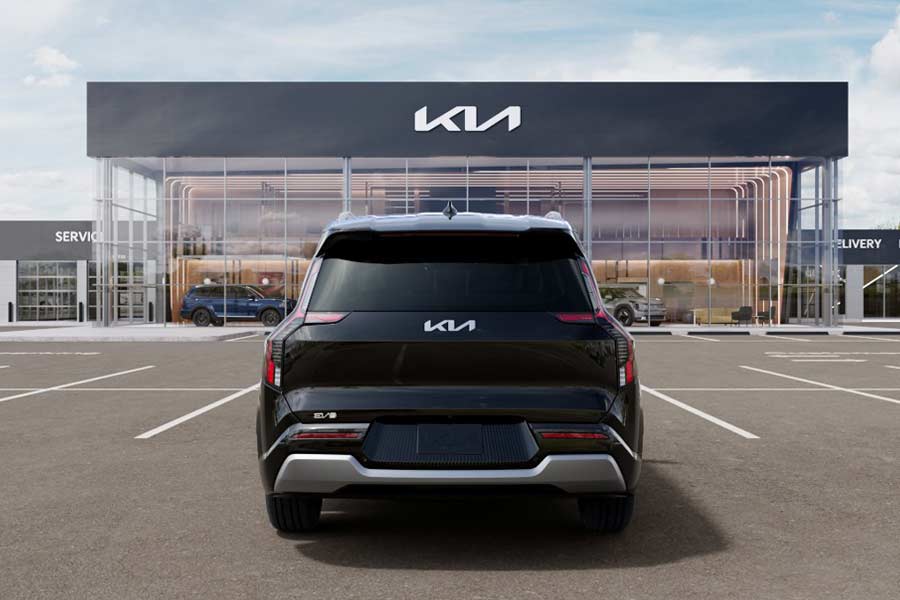
In comparison, the Hyundai IONIQ 9 has a higher starting price, but you get long range right from the entry level. The most basic IONIQ 9 S starts at $58,955, yet it directly offers an EPA range of up to 335 miles, thanks to the ultra-high efficiency of its single-motor rear-wheel drive. If you choose the dual-motor AWD versions, the SE or SEL (starting at $62,765 and $66,320), the range still holds at 320 miles. Even the most powerful 422-horsepower Limited and Calligraphy trims achieve a range of 311 miles.
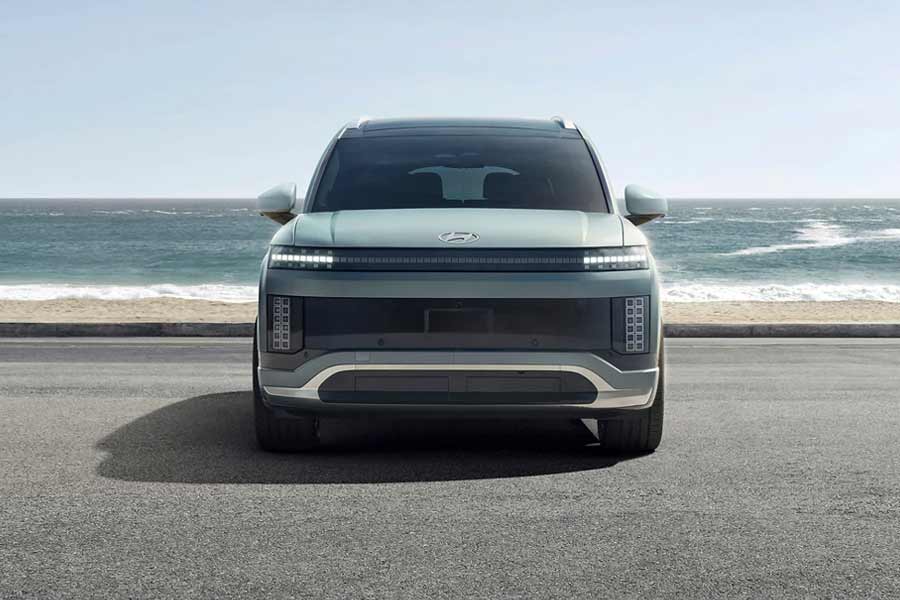
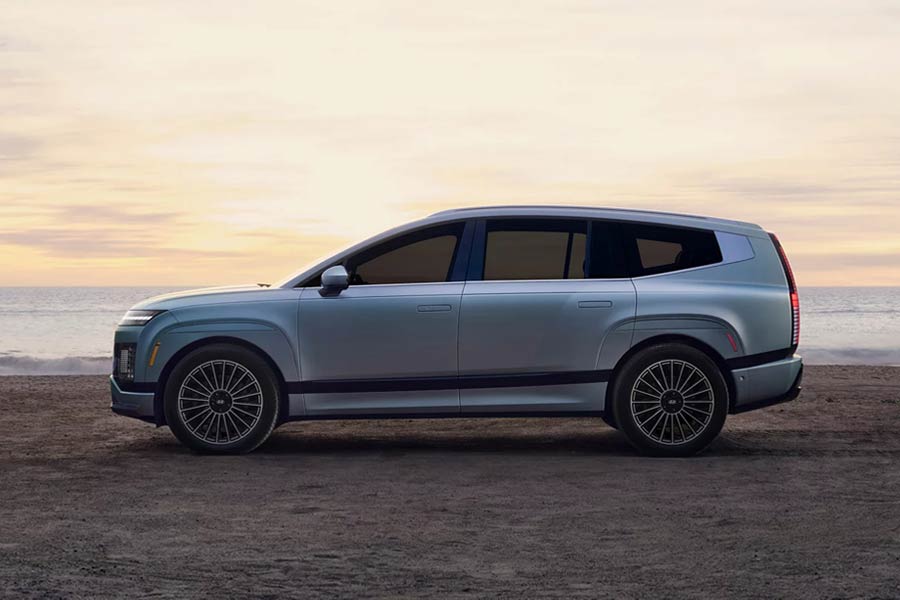
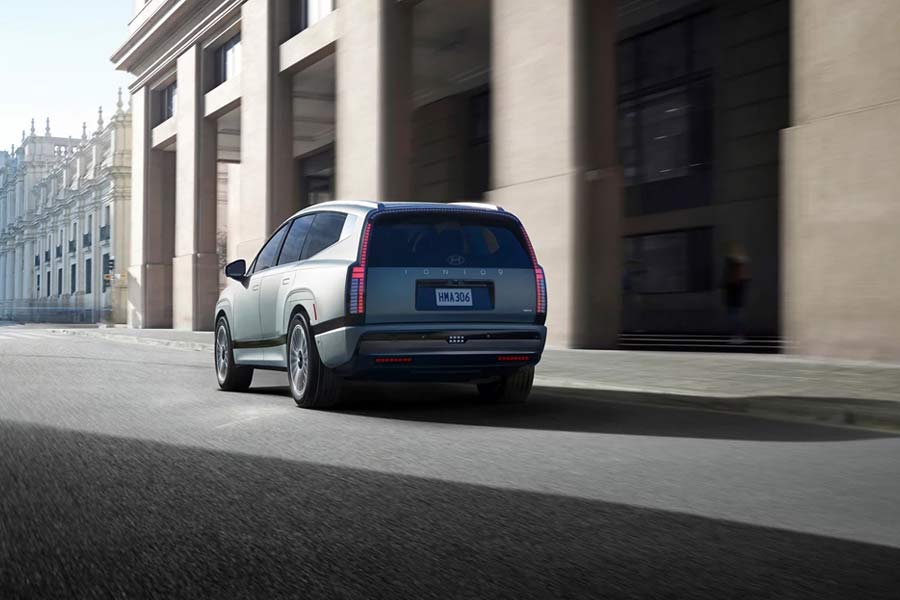
In simple terms: If you have a limited budget but want a three-row electric vehicle, the entry-level version of the Kia EV9 is very appealing. However, if you are a “range-first” enthusiast, the Hyundai IONIQ 9 often provides longer driving range at a comparable or even lower price.
Charging and Replenishment
Thanks to the 800V electrical architecture, both cars are in the top tier of the industry when it comes to charging speed, but there are slight differences in the details of charging network compatibility.
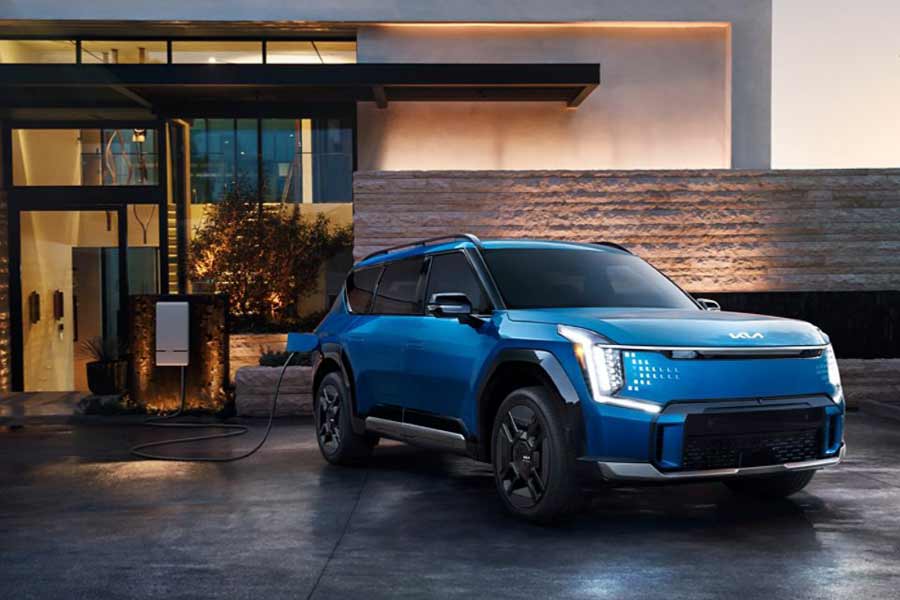
The Kia EV9 comes standard with a NACS charging port, allowing direct access to over 18,000 Tesla Superchargers. Using a 350 kW DC fast charger, it takes only 24 minutes to charge from 10% to 80%. Additionally, Kia provides owners access to more than 47,000 DC fast chargers through Kia Charge Pass, a comprehensive network coverage that is reassuring.
The Hyundai IONIQ 9 also performs excellently. It is also equipped with a built-in NACS port, allowing use of 20,000 Tesla Superchargers without an adapter. Not only that, Hyundai includes a CCS adapter with the vehicle, giving owners access to 61,000 DC fast chargers, including Electrify America, for an even broader charging network. In terms of charging speed, the IONIQ 9 also supports 350 kW ultra-fast charging, and 10% to 80% also takes just 24 minutes.
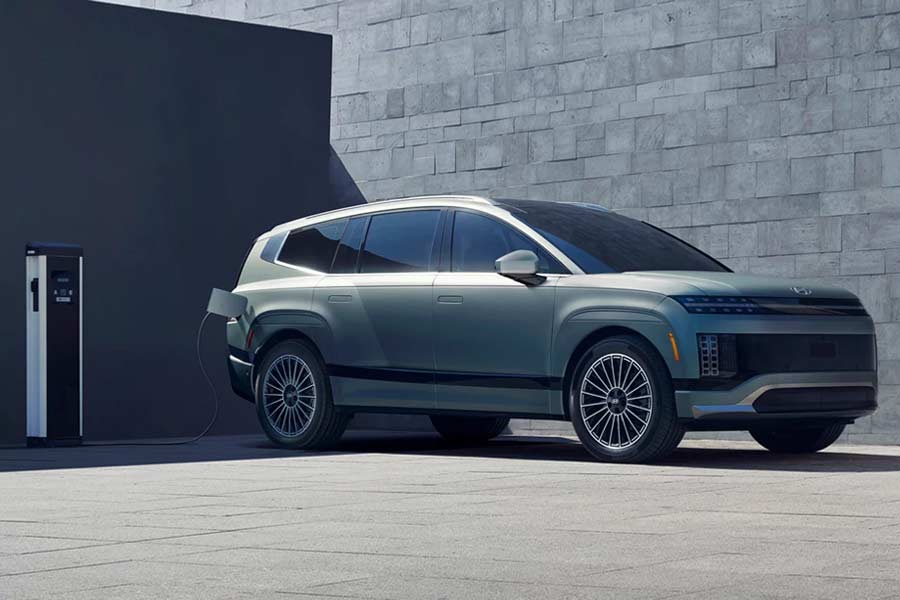
It is worth noting that both vehicles are extremely convenient in the charging experience, both supporting plug-and-charge functionality. However, Hyundai is more generous in including a CCS adapter, saving users the hassle of an extra purchase.
Performance and Towing
Although both are family SUVs, power and towing capability determine whether they can tow a boat or RV for a weekend getaway.
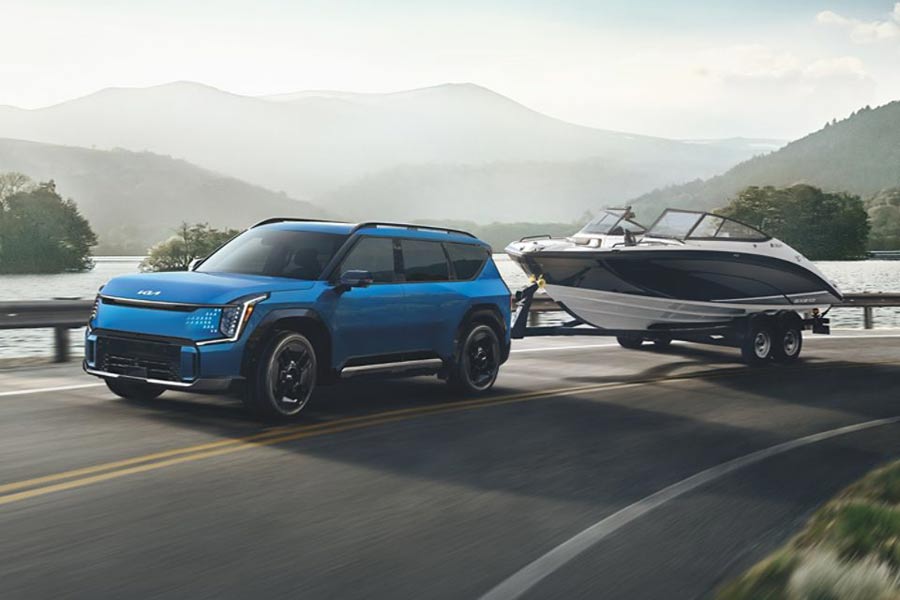
The Kia EV9 leans towards a sporty tuning in its powertrain. Its dual-motor AWD versions (Wind and Land) deliver 379 horsepower and 443 lb-ft of torque. What’s more, you can purchase a Boost upgrade through the Kia Connect Store, instantly raising torque to 516 lb-ft, enabling a 0-60 mph time of just 5 seconds. The top-tier GT-Line comes standard with 516 lb-ft of torque, shortening the 0-60 sprint to 4.5 seconds. In terms of towing, the EV9 has a maximum towing capacity of 5,000 lbs, and is equipped with a self-leveling rear suspension and a dedicated tow mode.
In contrast, the Hyundai IONIQ 9 offers a kind of “power without aggression.” The base S trim has 215 horsepower with rear-wheel drive, while the SE and SEL offer 303 horsepower AWD, more than sufficient for daily commuting. However, on the high-end Limited and Calligraphy trims, the IONIQ 9 unleashes an astonishing 422 horsepower, which even surpasses the power specs of the EV9 GT-Line. It should be noted, though, that the IONIQ 9’s maximum towing capacity ranges from 3,500 to 5,000 lbs depending on the configuration; if you need the full 5,000 lbs of towing, you will likely need to opt for a higher trim.
In this round, if you pursue pure acceleration thrills and the fun of modification, the Kia EV9’s Boost feature is very enticing; if you want greater absolute horsepower in a high-end trim, the Hyundai IONIQ 9 comes from behind to take the lead.
Interior and Comfort
For a three-row SUV, the treatment of the second and third rows is key to judging its quality.
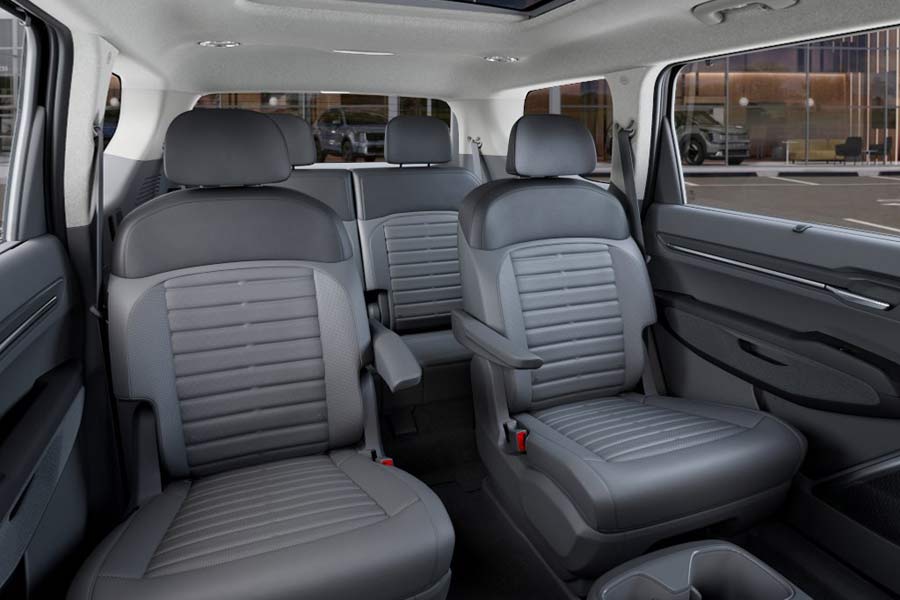
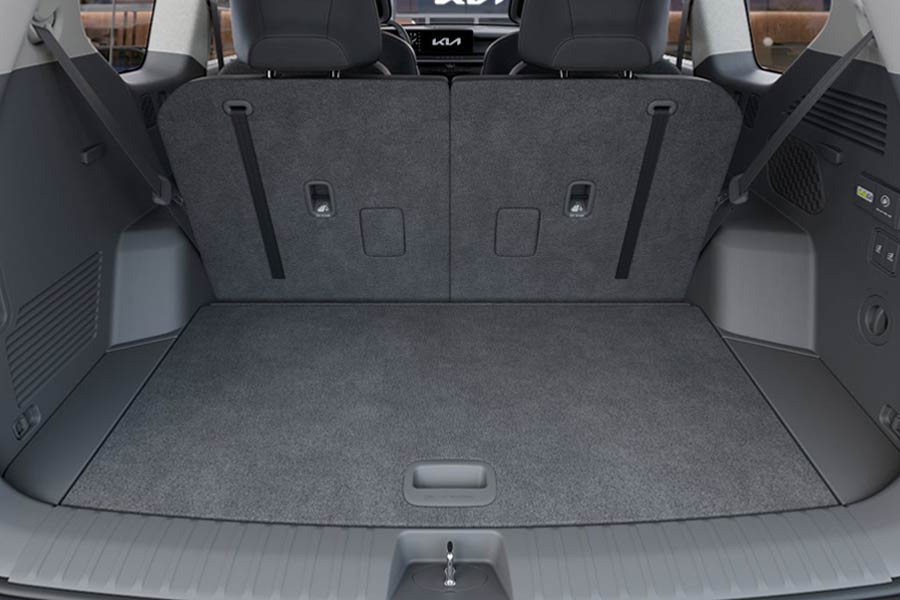
The interior of the Kia EV9 is more like a tech-filled lounge. It offers an outstanding 42.8 inches of second-row legroom, even surpassing the Cadillac Escalade. The second-row “relaxation seats” come with comfortable headrests and leg rests, and with heating and ventilation functions for the first and second rows, long-distance travel is very pleasant. In terms of cargo space, the EV9’s figures are clear: 20.2 cubic feet behind the third row, 43.5 cubic feet with the third row folded, and up to 81.7 cubic feet maximum. Additionally, acoustic glass and a 14-speaker Meridian surround sound system create an exceptionally quiet cabin environment.
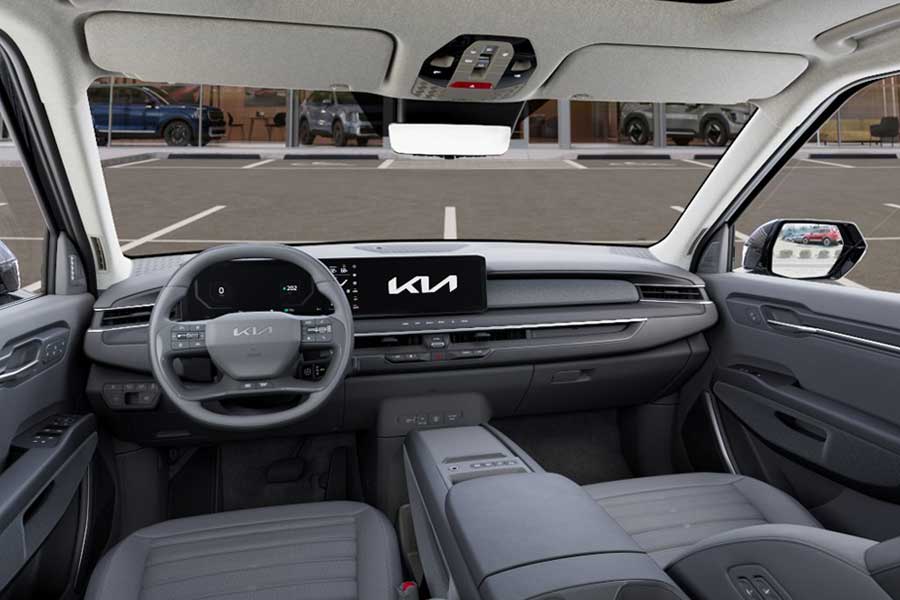
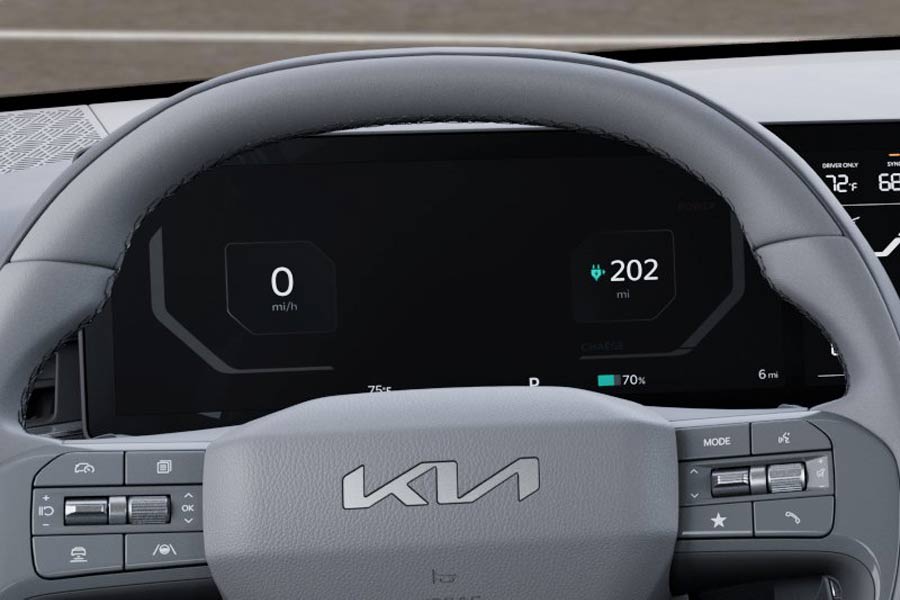
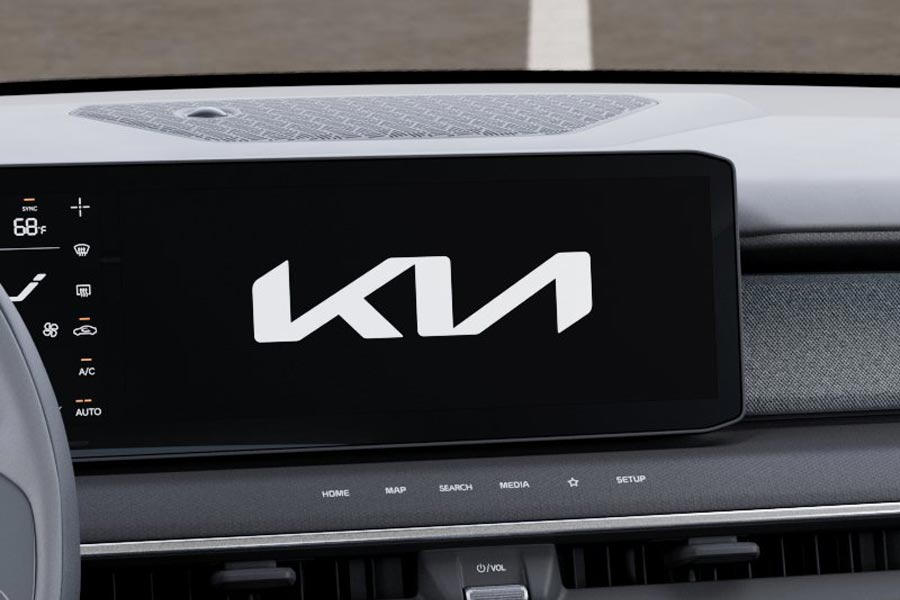
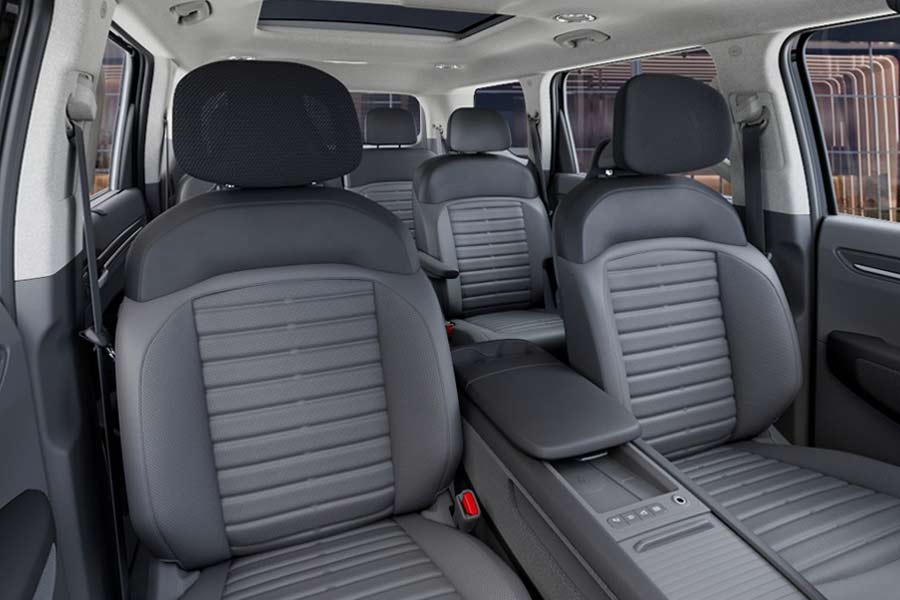
The Hyundai IONIQ 9 is more like a flexible open space. Thanks to its completely flat floor and innovative sliding center console, the IONIQ 9 offers excellent interior flexibility; the console can even slide to the second row for passenger use. It is also equipped with uniquely designed “zero-gravity relaxation seats” to help relieve passenger fatigue. Although Hyundai has not yet released specific legroom and cargo volume figures, it emphasizes a sense of airy spaciousness. In terms of technology, the IONIQ 9 offers active noise cancellation, further isolating outside noise.
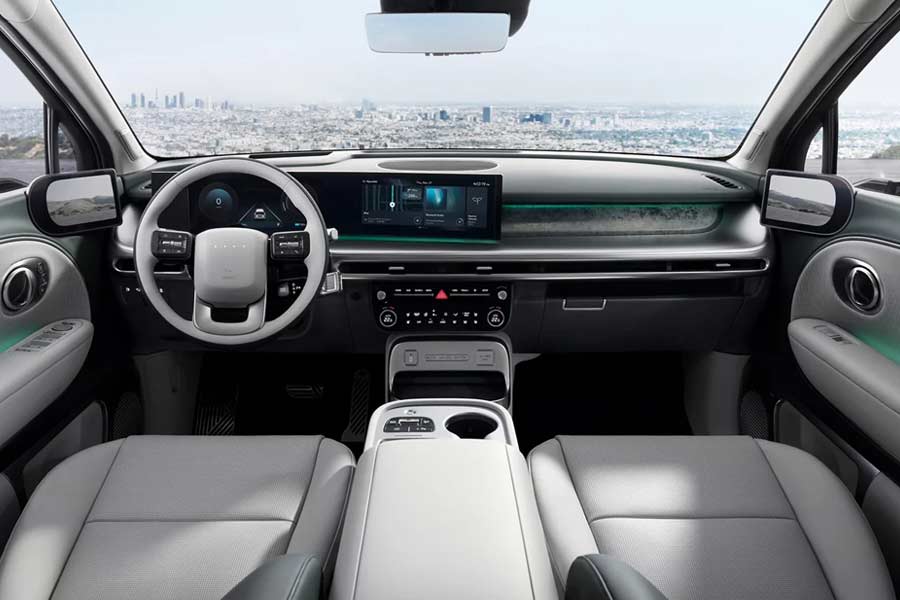
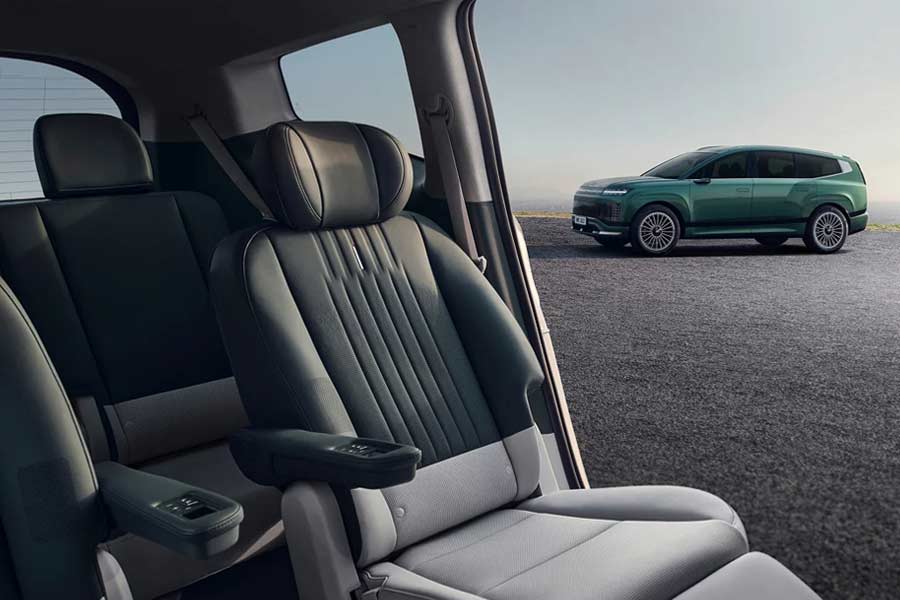

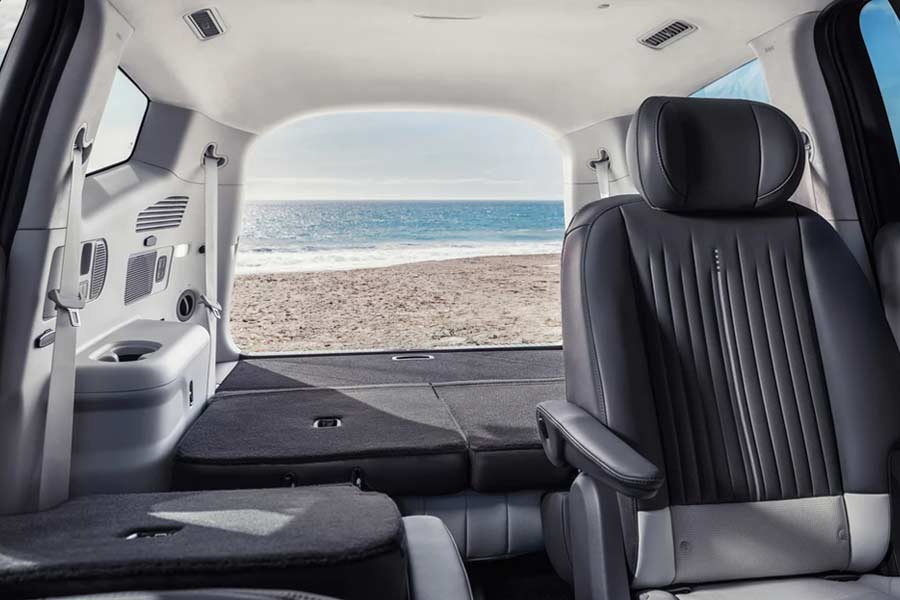
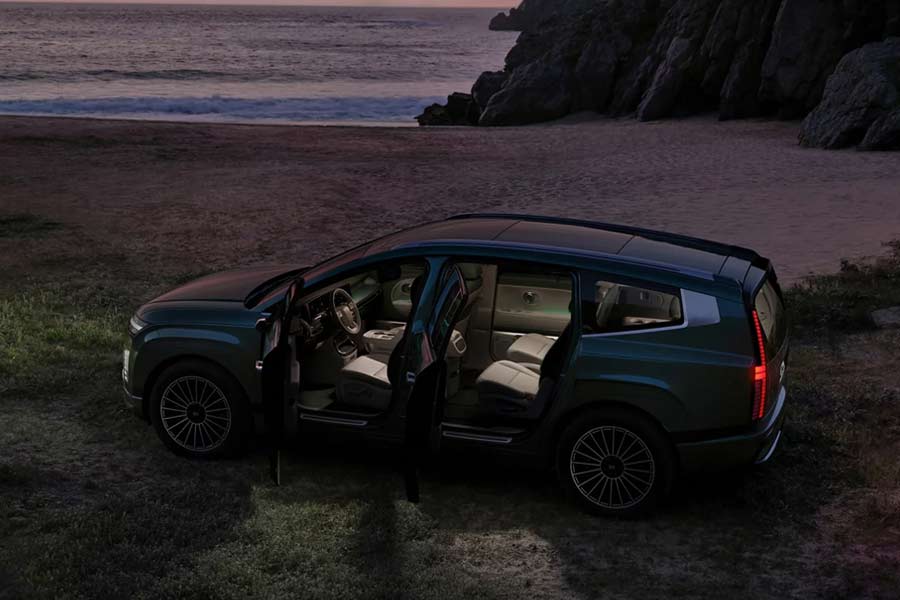
From a comfort standpoint, both cars go to the extreme. The Kia EV9 offers hard figures and relaxation seats, while the Hyundai IONIQ 9’s sliding center console and flat floor provide a level of spatial flexibility rarely seen in its class.
Safety and Driver Assistance
Safety features are a core demand of family users, and fortunately both vehicles are equipped with a full suite of active safety systems.
The Kia EV9 has already earned the 2026 IIHS Top Safety Pick+ (TSP+) rating and was selected as a Kelley Blue Book “Best Buy” vehicle. It comes standard with 10 airbags and 25 collision avoidance and driver assistance features. Among them, the blind-spot view monitor, Highway Driving Assist 2 (HDA2), and Remote Smart Parking Assist 2 are very practical configurations.
The Hyundai IONIQ 9 is no slouch either, arming itself to the teeth with safety features. A standard forward attention warning camera can monitor whether the driver is distracted. Standard across the lineup includes: Forward Collision-Avoidance Assist (with junction turning, lane-change detection), Blind-Spot Collision-Avoidance Assist, Lane Keeping Assist, and the equally advanced HDA2. On higher trims, the IONIQ 9 also offers surround view and remote parking functions.
Clearly, in terms of base safety features, the Hyundai IONIQ 9 appears more comprehensive (for instance, it standardly includes side collision avoidance detection during lane changes), but the Kia EV9 has already proven itself with solid top-tier crash test results.
Summary: Which Three-Row Electric SUV Is Better for You?
After such a detailed comparison, we can see that although the 2026 Kia EV9 and Hyundai IONIQ 9 are sibling models, they have very different characters.
Reasons to choose the 2026 Kia EV9:
- You value cost-effectiveness more and want to get AWD or long range at a lower price.
- You like a rugged and distinctive design style, such as the digital pattern grille and Nightfall black-out package.
- You need assured large cargo space and extra-long second-row legroom.
- You seek tuning potential and enjoy the instant burst of thrill brought by Boost mode.
- Having a TSP+ safety rating gives you greater peace of mind.
Reasons to choose the 2026 Hyundai IONIQ 9:
- You are a range-sensitive user, and the entry-level 335-mile range is extremely tempting.
- You pursue top-tier power, and the thrust from 422 horsepower is hard to resist.
- You like a minimalist, streamlined body design, with possibly a lower drag coefficient.
- You need higher charging network compatibility, and the included CCS adapter is very convenient.
- You desire the flexible space brought by the unique sliding center console and completely flat floor.
Overall, the Kia EV9 is like an all-round adventure partner with a bit of a tough-guy demeanor, while the Hyundai IONIQ 9 is more like an elegant, efficient, and futuristic life butler. No matter which one you ultimately choose, they both represent the top level of today’s electric three-row SUVs.
Looking for top-quality new or used cars? Trust DG Motors for fast, reliable service—or visit our Phnom Penh showroom today!