Contents
hide
- 1. Tire Imbalance: The Most Common Cause
- 2. Tire Structural Damage and Irregular Wear
- 3. Hidden Bent Wheels and Loose Bolts
- 4. Wear in the Suspension and Steering System
- 5. “High-Speed Brake Judder” Caused by the Braking System
- 6. Center Vibration from the Drivetrain
- 7. Disruption in Engine Operation Itself
- How to Determine the Cause of High-Speed Shaking
- Final Words
You are cruising at 110 km/h. Suddenly, an annoying tremor begins to come through the steering wheel. Or perhaps the seat and floor start vibrating like a massage chair. The sensation is unsettling, even frightening. There is no need to panic too much — shaking at high speed is a common problem worldwide. In most cases, we can accurately diagnose the issue and resolve it completely. Today, drawing on the shared experience of drivers across the globe, we will break down every possible cause for you. More importantly, we will tell you how to take action. Please remember, safety always comes first.
1. Tire Imbalance: The Most Common Cause
Tire imbalance directly triggers high-speed shaking. In fact, over 80% of shaking complaints stem from this issue. After you install new tires, or after a violent impact against a pothole, the weight distribution of the tire and wheel assembly is no longer uniform. Once the vehicle accelerates to between 80 and 120 km/h, this imbalance generates destructive centrifugal force. When that happens, the steering wheel will vibrate distinctly in your hands.
2. Tire Structural Damage and Irregular Wear
Physical damage to the tire itself can also produce severe shaking.
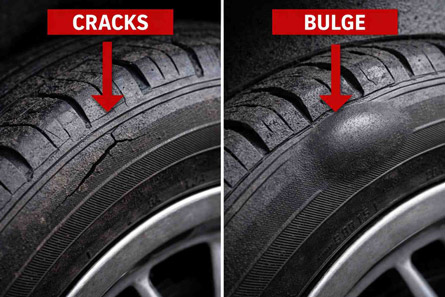
- Cord Breakage or Bulging: A violent impact against a curb or a deep pothole can cause the tire’s internal cords to break. Subsequently, a dangerous bulge will appear on the sidewall. When this bulge spins at high speed, it hammers against the road surface like a mallet.
- Feathered or Uneven Wear: Poor wheel alignment angles can unevenly nibble away at the tread, much like a wood plane. Once the tire surface becomes pitted and uneven, it will naturally generate noise and vibration when rolling at high speed.
- Deformation from Long-Term Parking: If your car sits stationary for an entire winter somewhere in the Northern Hemisphere, the contact patch of the tires can develop “flat spots.” When you first start driving, you will feel a noticeable rhythmic thumping.
Here, you need to learn to distinguish the sensation: steering wheel shaking usually points to a problem with the front wheels, while shaking felt through the seat or floor suggests a problem with the rear wheels.
3. Hidden Bent Wheels and Loose Bolts
Do not focus only on the rubber; the metal wheels are just as vulnerable.
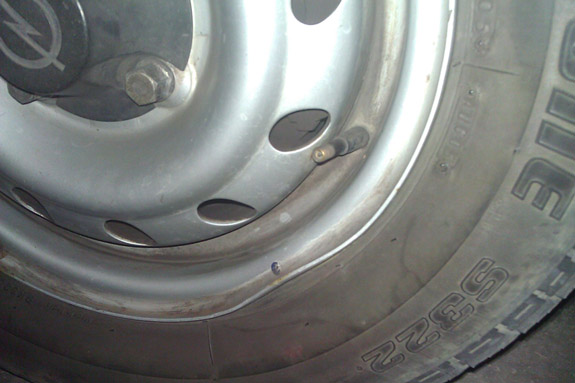
- Out-of-Round Wheels: Racing over speed bumps at high speed, or driving on the gravel roads common in Eastern Europe, can very easily cause slight bending deformation to steel or aluminum alloy wheels. Even if the dynamic balance data is perfect, a deformed wheel will still make the vehicle body sway left and right.
- Improper Installation: Quick-service shops around the world have all made the same mistake — over-tightening lug nuts with an impact wrench. This can lead to brake disc warping, or the wheel not being centered correctly. Therefore, you must use a torque wrench and always tighten the wheels in a diagonal pattern to the manufacturer’s specified torque value. You also need to check whether the hub-centric rings are missing or misaligned.
4. Wear in the Suspension and Steering System
When the vehicle speed exceeds the shaking threshold and the road surface is not perfectly smooth, loose chassis components can trigger dangerous resonance.
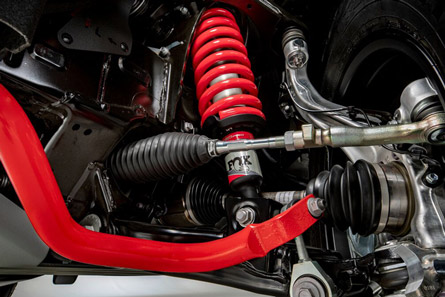
- Steering Ball Joints and Control Arm Bushings: These rubber and metal connectors endure the heat aging of Brazil and the corrosion of de-icing salt in Northern Europe. Once they develop play, the wheels will swing left and right uncontrollably at high speed. First, you will feel the steering become vague. Then, the shaking will appear.
- Failed Shock Absorbers: A failed shock absorber cannot keep the tire pressed firmly against the road surface. The tire will bounce continuously, like a rubber ball. This causes a periodic, “floating” type of shaking. On the wet, winding roads common in Japan or the United Kingdom, failed shock absorbers will also significantly extend the braking distance, which is extremely dangerous.
5. “High-Speed Brake Judder” Caused by the Braking System
Perhaps you feel no shaking while cruising at a constant speed, but the moment you apply the brakes lightly, the steering wheel or vehicle body immediately starts shaking violently. This directly points to the braking system.
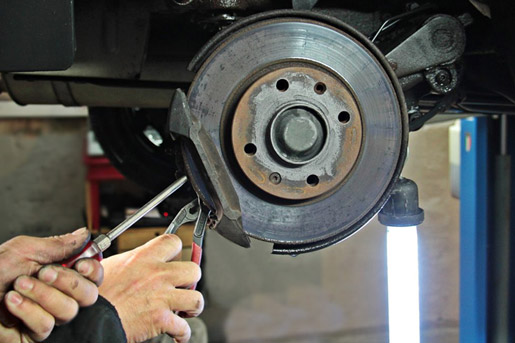
- Warped Brake Discs: Long downhill drives on mountain roads (in the Alps or the Rocky Mountains, for example) cause massive heat buildup in the brake discs. If you immediately drive through water or wash the car with high-pressure cold water right afterward, the extreme rapid heating and cooling cycle will cause the brake discs to warp in a way visible to the naked eye. When a technician measures with a dial indicator, a clear run-out can be seen.
- Brake Pad Material Deposits: An improper brake pad compound can leave an uneven layer of residue on the brake disc surface. This can also simulate the shaking effect of a warped disc. The solution is straightforward — you need to have the discs resurfaced, or replace the entire set of brake discs and pads.
6. Center Vibration from the Drivetrain
For rear-wheel-drive or four-wheel-drive vehicles, the shaking sometimes comes from deep within the chassis, not from the wheels.
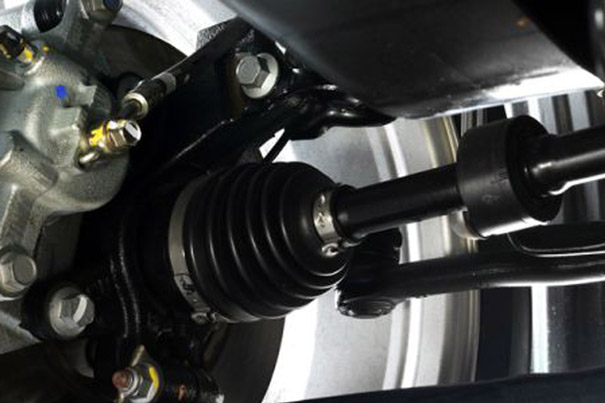
- Unbalanced or Bent Drive Shaft: Off-road driving that causes the drive shaft to be struck, or even a thick layer of mud stuck to it, can destroy the shaft’s balance at high rotational speed. When this happens, pressing the accelerator will produce a deep, low-frequency resonance vibration from the vehicle floor.
- Worn Half Shafts: This is particularly common on front-wheel-drive cars. A “clicking” noise when turning at large angles, combined with shaking when driving straight at high speed, virtually confirms that the inner or outer CV joint on the half shaft is damaged. Due to a long-term lack of grease, the precision bearings inside have become pitted.
7. Disruption in Engine Operation Itself
You might overlook the health of the engine. When the vehicle shakes at a specific RPM, or when climbing hills under high load at high speed, the problem may originate in the engine bay.
- Misfire: Aged spark plugs or a leaking ignition coil can cause a specific cylinder to misfire intermittently. The engine will shake violently. This unbalanced vibration is transmitted directly to the entire body through the engine mounts.
- Carbon Deposits: Fuel quality varies greatly across different regions of the world. In places where fuel contains more impurities, carbon deposits accumulate more easily on the intake valves and fuel injectors, affecting smooth combustion of the air-fuel mixture.
How to Determine the Cause of High-Speed Shaking
When you experience high-speed shaking, take the initiative to follow these steps instead of relying on wishful thinking.
- Identify the Vibration Location: Is the steering wheel shaking, or is the shiver coming from under your seat? This helps narrow down the investigation by half.
- Inspect the Tire Condition: Get out of the car and run your hand over the tread. Look for bulges, irregular wear, or embedded foreign objects.
- Recall Recent Maintenance: Have you just replaced the tires? Did you just hit a large pothole? Provide these clues to the technician.
- Seek Professional Road Force Measurement: Ordinary dynamic balancing sometimes cannot completely cure the problem. At a professional tire shop, you can request a “road force balancer.” It simulates load, identifies hard points within the tire, and matches the optimal mounting angle to the wheel. This can often resolve 90 percent of stubborn high-speed vibrations in one go.
Final Words
High-speed vehicle shaking is not purely a comfort issue; it is a distress signal sent by the suspension and steering system. Ignoring it could, in a single moment, turn it into the trigger for a loss of control. From the coastal highways of the Southern Hemisphere to the desert expressways of North America, drivers all over the world follow the same truth: the cost of proactive maintenance is always lower than the price of reactive repair. The next time you grip the steering wheel and encounter that abnormal trembling, please immediately and safely slow down, and go to a repair shop you trust for a thorough inspection.
Looking for top-quality new or used cars? Trust DG Motors for fast, reliable service—or visit our Phnom Penh showroom today!