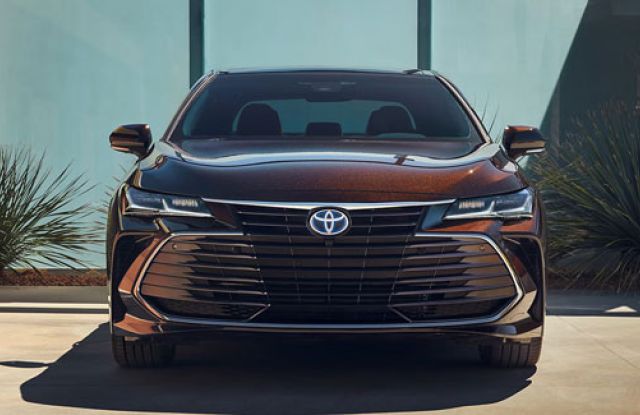
The battle between the 2026 Nissan Rogue and the all-new 2026 Toyota RAV4 is undoubtedly the most compelling showdown. On one side is a perennial champion that has won the Consumer Guide Best Buy award for 12 consecutive years; on the other is a hybrid powerhouse that has just undergone a complete generational overhaul. If you’re torn between these two popular models, you’ve come to the right place.
Today, we will conduct a meticulous comparison across multiple dimensions, including price, powertrain, fuel economy, interior technology, space practicality, and off-road capability. Buckle up, and let’s dive in.
Price and Trims
First, let’s start with the budget you care about most. The 2026 Nissan Rogue has a very competitive starting price, with the base S FWD trim costing just $29,490. In contrast, the 2026 Toyota RAV4, whose entire lineup has switched to a hybrid powertrain, starts at $31,900 for the base LE trim. Clearly, the Rogue’s entry barrier is nearly $2,500 lower.
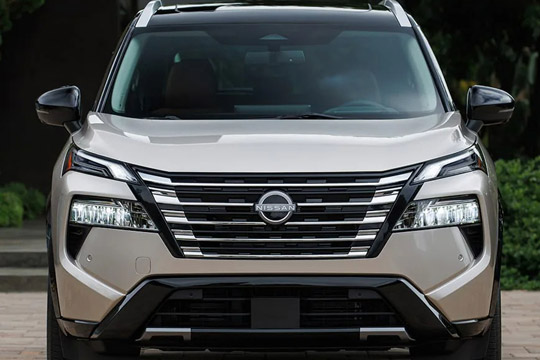
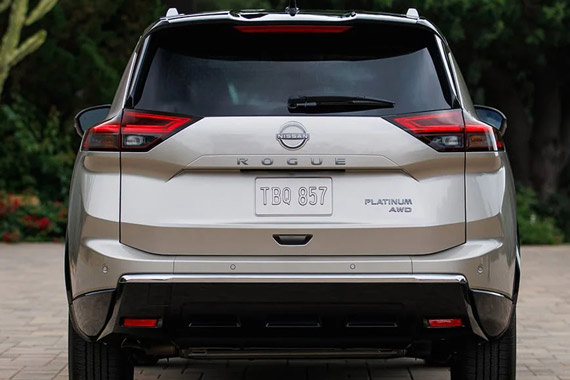
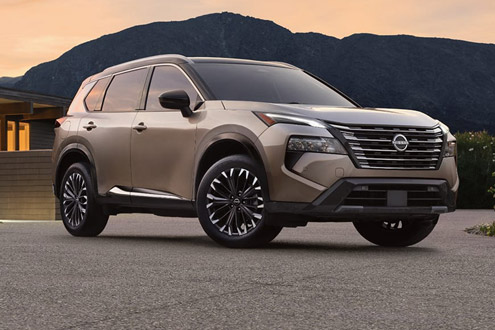
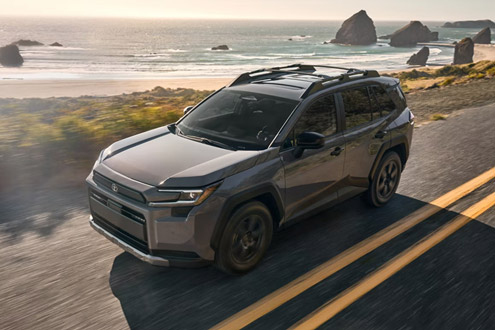
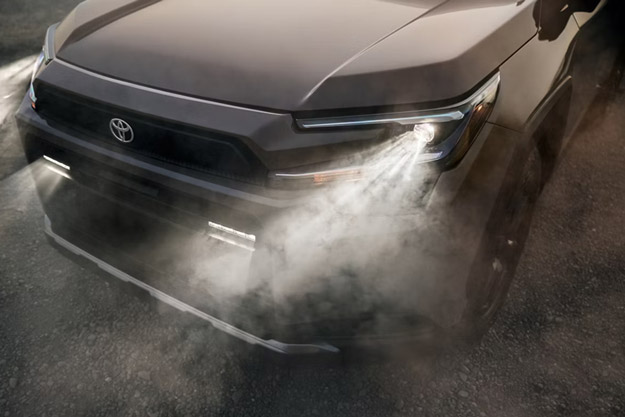
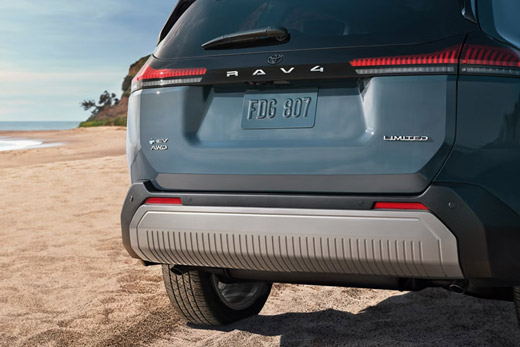
Moreover, the price gap becomes even more apparent when you look at higher-end trims. The range-topping Rogue Platinum AWD is priced at $39,390, while the RAV4 Limited tops out at $43,300. Furthermore, if you’re keen on off-road style, the Rogue offers a Rock Creek edition ($34,390), and the RAV4 offers a Woodland edition ($39,900). In short, at every trim level, the Nissan Rogue maintains a significant price advantage.
Powertrain and Fuel Economy
Next, let’s pop the hood and see what makes them tick. This is where the two vehicles diverge most in philosophy.
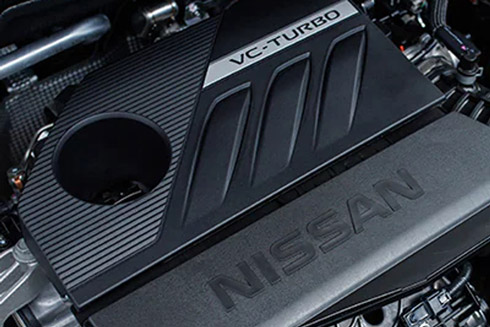
The Nissan Rogue is powered by a 1.5-liter VC-Turbo variable-compression three-cylinder turbocharged engine. This renowned engine, named to the “Ward’s 10 Best Engines” list, delivers 201 horsepower and 225 lb-ft of torque. Its greatest feature is the ability to seamlessly switch between power and fuel efficiency based on your driving needs. When you want excitement, stomp the throttle and the turbo responds instantly; when cruising steadily, it optimizes the compression ratio to save fuel. In front-wheel-drive form, it returns an estimated 29 mpg city / 36 mpg highway — a respectable performance.
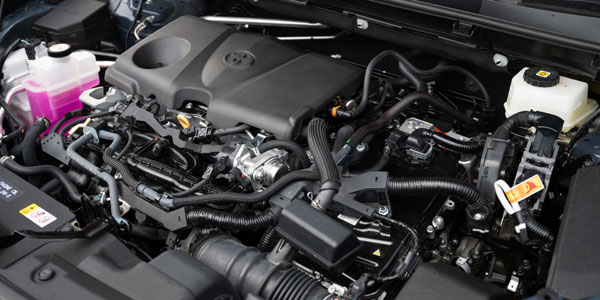
In contrast, the Toyota RAV4 has completely abandoned pure gasoline power and embraced hybrid across the entire lineup. Its 2.5-liter four-cylinder hybrid system delivers a combined output of up to 236 horsepower. Although it slightly trails the Rogue’s turbo engine in torque, its fuel economy is crushing — front-wheel-drive models are expected to achieve up to 47 mpg city / 40 mpg highway. These figures are almost revolutionary. If you drive many miles each year or have an inherent aversion to gas stations, the RAV4’s hybrid powertrain is undoubtedly hugely appealing.
Additionally, the RAV4 strikes back in towing capability. Its towing capacity reaches up to 3,500 pounds, enough to pull a small trailer or a personal watercraft. The Rogue’s maximum towing capacity is 1,500 pounds, making it better suited for light-duty tasks.
Interior Comfort and Space Magic
Moving inside, the competition becomes more nuanced. The Nissan Rogue has long prided itself on what could be called a “fully furnished” Japanese sofa experience.
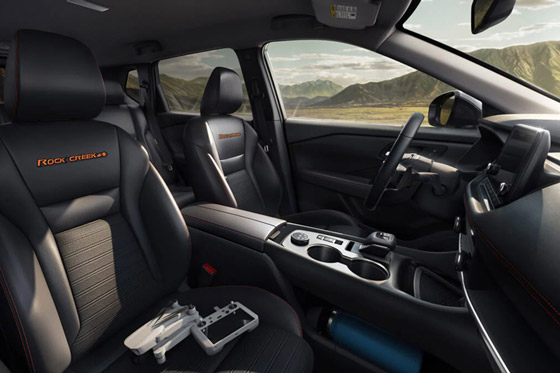
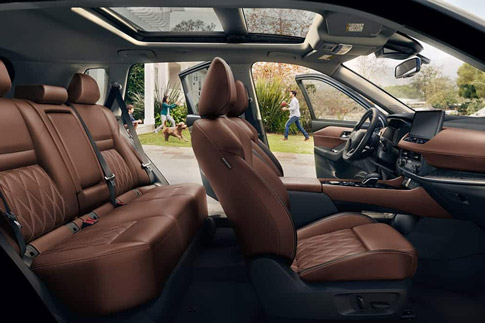
The Rogue’s interior emphasizes a sense of luxury and quietness. Front legroom reaches 41.5 inches, with 38.5 inches in the rear — generous by class standards. Even more impressive is its cargo capacity; with the rear seats folded down, the Rogue offers up to 74.1 cubic feet of maximum storage space. Moreover, its exclusive Divide-N-Hide multi-tier storage system lets you flexibly organize grocery runs or outdoor gear. Combined with an available panoramic sunroof and tri-zone automatic climate control, every passenger can find their own comfort zone.
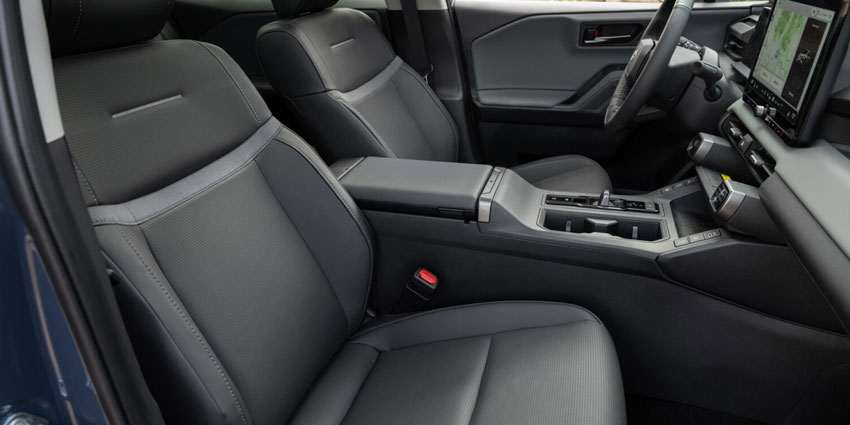

By comparison, although the Toyota RAV4 also offers a spacious five-seat layout, its maximum cargo space is 37.8 cubic feet (measured with the rear seats upright; the figure with seats folded down has not been officially released, but in typical configurations it falls short of the Rogue’s 74.1 cubic feet). However, the RAV4 makes no compromises in interior materials and functional features, offering SofTex synthetic leather seats, heated front and rear seats, and ventilation functions. In particular, the Woodland edition, with its unique orange stitching, injects a good dose of rugged vitality into the cabin.
Technology and Connectivity
In the arms race of smart cockpits, both are armed to the teeth but adopt very different approaches.
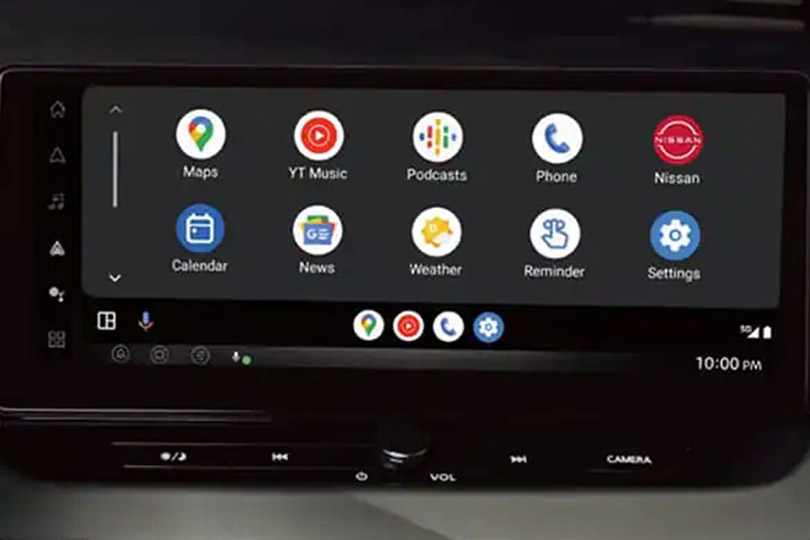
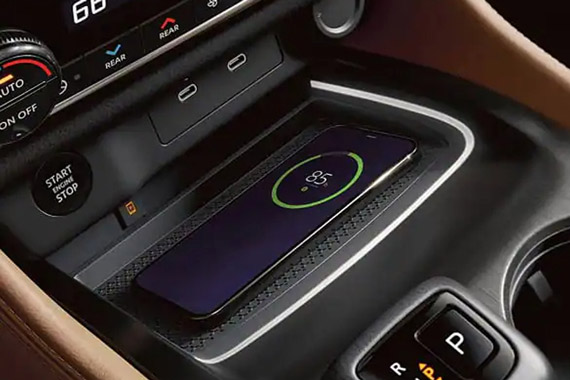
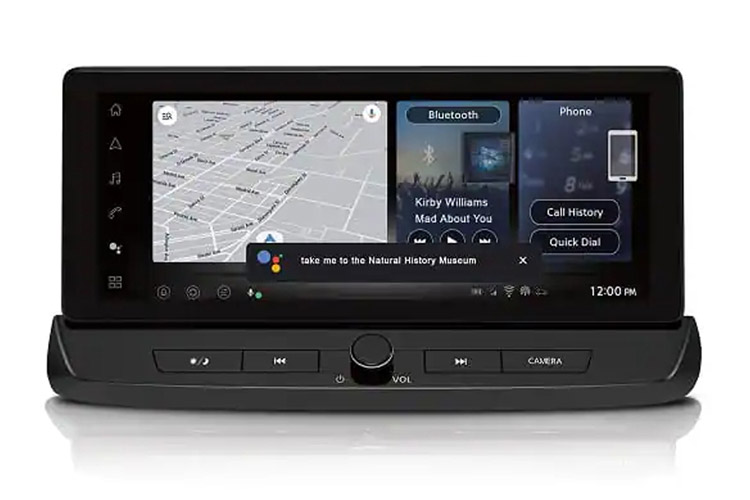
The core selling point of the Nissan Rogue is Google built-in. This means you can use voice commands to control Google Maps, adjust the climate control, and even download apps from Google Play without connecting your phone. Standard wireless Apple CarPlay and Android Auto, an in-car Wi-Fi hotspot (connecting up to 7 devices), and remote start and climate adjustments via the MyNISSAN App put the Rogue at the forefront of seamless connectivity. On the driver-assistance front, ProPILOT Assist combines intelligent cruise control and steering assist, greatly reducing fatigue in stop-and-go traffic.
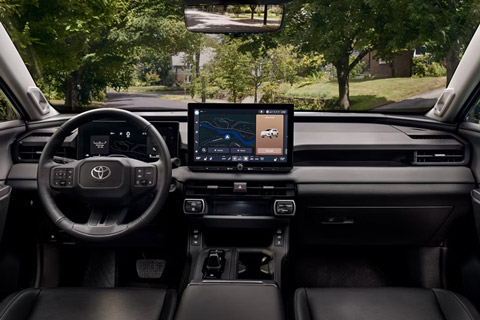
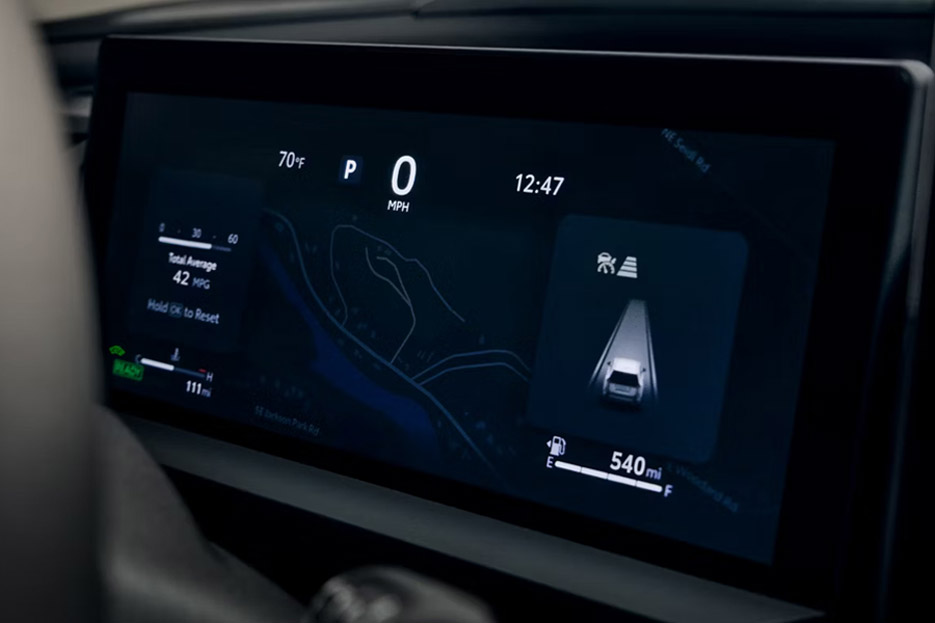
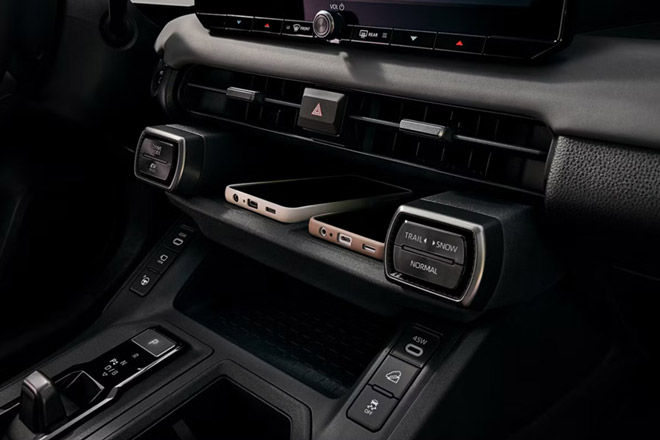
The Toyota RAV4, on the other hand, brings an upgraded 12.9-inch multimedia touchscreen and a 12.3-inch fully digital instrument cluster. Its Toyota connected system also supports wireless smartphone integration. In terms of convenience features, the RAV4 even has an edge: it offers an up to 1,500-watt AC power outlet (located in the cargo area), meaning you can directly power a coffee maker or electric tools. Additionally, dual Qi wireless charging pads, five USB-C ports, and available Traffic Jam Assist and advanced parking functions all make the RAV4 feel more futuristic.
Safety Protection
When it comes to the rigid demand for safety, both are top performers with little to worry about.
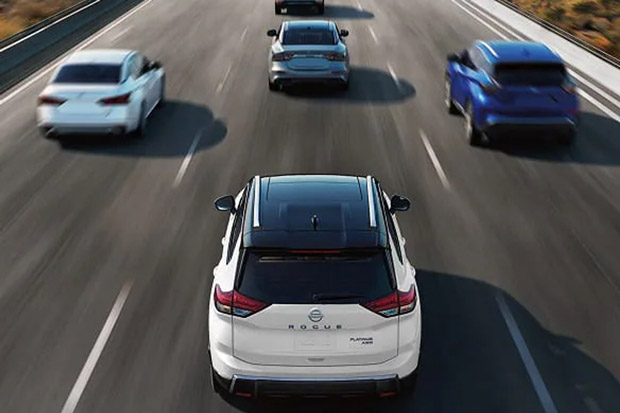
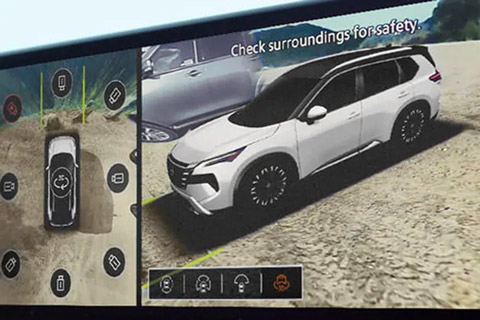
The 2026 Rogue has earned the IIHS Top Safety Pick distinction. Its standard Safety Shield 360 includes automatic emergency braking with pedestrian detection, rear automatic braking, blind spot warning, and lane departure warning. On higher trims, the enhanced Intelligent Around View Monitor can even provide high-definition off-road views, allowing you to navigate tight sections with ease.
The Toyota RAV4 is no slouch either, coming standard with the all-new Toyota Safety Sense 4.0 (TSS 4.0), Toyota’s most advanced active safety suite to date. Beyond conventional collision-avoidance systems, it offers more forward-looking options, such as a panoramic view monitor with a 3D multi-terrain perspective, allowing the driver to see the area under the vehicle clearly even in extreme off-road conditions.
Off-Road Play: Rock Creek vs. Woodland
If you view a car not just as a means of transportation but also as a weekend adventure partner, then the Rogue Rock Creek and RAV4 Woodland special editions are tailor-made for you.
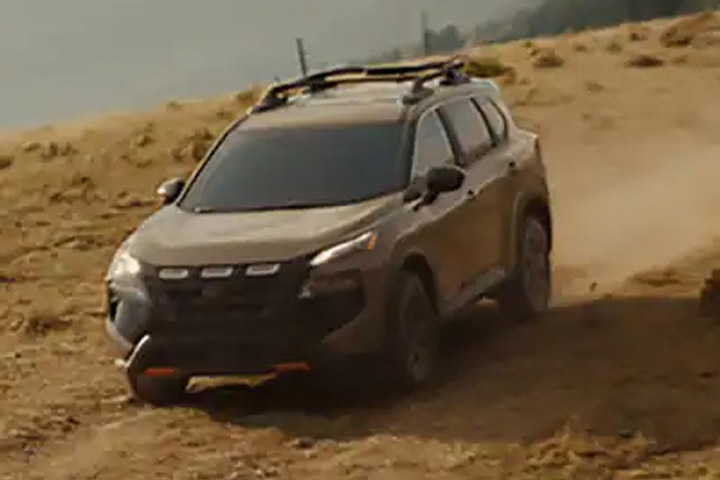
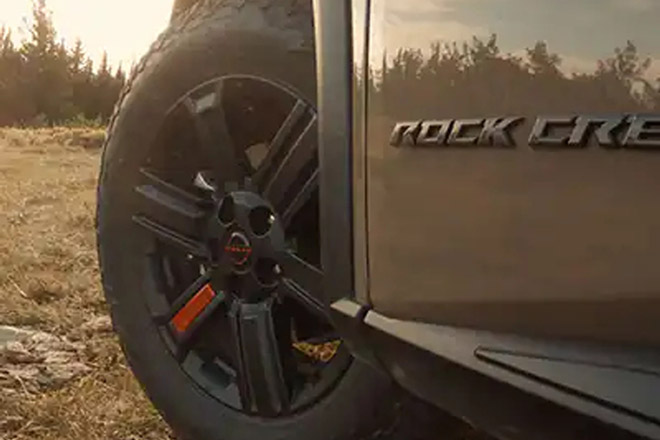

The Nissan Rogue Rock Creek boasts a rugged exterior style, featuring 17-inch matte black alloy wheels, all-terrain tires, black tubular roof rails, and exclusive red accents. Mechanically, it features a reinforced off-road suspension capable of absorbing severe impacts, along with hill descent control and a dedicated Off-Road drive mode. Paired with the VC-Turbo engine and intelligent all-wheel drive, the Rock Creek comes across as capable and high-value.
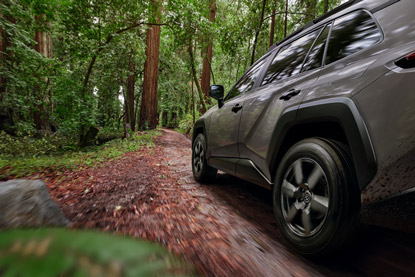
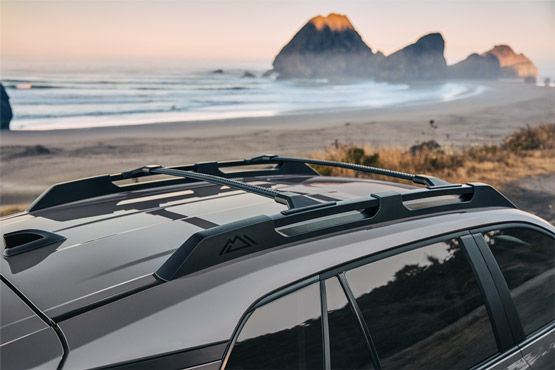
The Toyota RAV4 Woodland, by contrast, feels more seasoned and composed. It not only features LED fog lights supplied by Rigid Industries and a 0.4-inch suspension lift from its all-terrain tires, but also comes standard with cross-bar roof rails and a tow hitch. Because it’s built on the hybrid system, the Woodland delivers astonishing fuel economy of 41/35 MPG while also being able to power your wilderness camp via the 1,500W outlet. Simply put, the Rock Creek is a pure rugged toy, while the Woodland is more like a versatile outdoor lifestyle companion.
Conclusion: Which Compact SUV Is Right for You?
Having written this far, the answer to the question has gradually emerged: it all depends on what you value most.
If you pursue ultimate value for money, ridiculously spacious cargo room, high torque delivered at low rpm, and the satisfaction of “getting a class-above luxury feel for less money,” then the 2026 Nissan Rogue is for you. Especially the Rock Creek edition, which allows you to own an aggressive-looking, body-reinforced off-road-style vehicle at an extremely low barrier to entry.
However, if you have an almost obsessive pursuit of fuel economy, want every start to be smooth and quiet, frequently need to tow a small camper for camping, or you’re a tech enthusiast who can’t live without all kinds of high-powered electronic devices, then the 2026 Toyota RAV4 will be a choice without regrets. Its full-hybrid lineup not only saves fuel and worry, but also sets a new benchmark for tech convenience features.
Looking for top-quality new or used cars? Trust DG Motors for fast, reliable service—or visit our Phnom Penh showroom today!