Contents
hide
- Powertrain Comparison: Hybrid vs. Turbocharged
- Towing and Payload Capacity: Who Is the True King of Work?
- Off-Road Performance: TRD Family vs. Raptor and Tremor
- Interior, Technology & Design: Where Modern Luxury Meets Rugged Style
- Pricing and Value Proposition
- Conclusion: Which Pickup Is Right for You?
Choosing the right full-size pickup is no easy task, especially when facing the two giants of the market—the 2026 Toyota Tundra and the Ford F-150. Both models have been meticulously engineered to deliver powerful performance, exceptional off-road capability, and modern technology features. Yet their focuses differ. On one hand, the Tundra impresses with its robust hybrid powertrain and solid off-road equipment; on the other hand, the F-150 answers with a highly diverse powertrain lineup and class-leading maximum towing capacity.
To help you make an informed decision, we will conduct an in-depth comparison of these two top-tier pickups across multiple dimensions, including powertrain, towing and payload, off-road performance, interior technology, and pricing.
Powertrain Comparison: Hybrid vs. Turbocharged
First, the heart of any pickup lies in its powertrain. Here, the 2026 Toyota Tundra and the Ford F-150 reveal distinctly different design philosophies.
2026 Toyota Tundra: The Power of Electrification
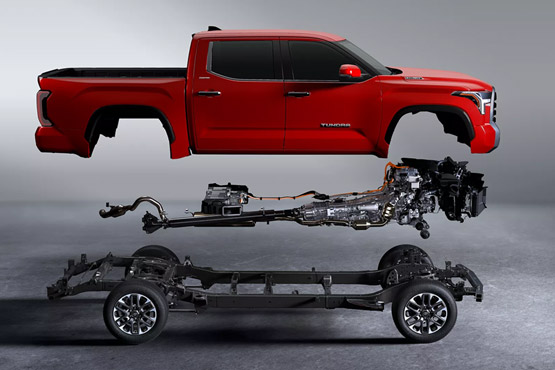
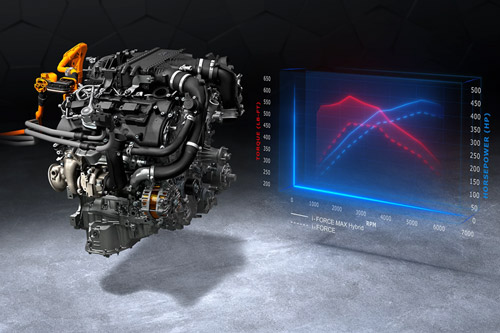
Specifically, Toyota is heavily promoting its i-FORCE MAX twin-turbo V6 hybrid powertrain in the Tundra. This system combines a twin-turbo V6 engine with an electric motor, producing an impressive 437 horsepower and 583 lb-ft of torque. More importantly, this hybrid system exhibits virtually no turbo lag and sets its peak torque output within a low rev range of 2,400 rpm, meaning you can immediately access all the muscle you need when towing heavy loads or accelerating from a stop. Of course, Toyota also offers a non-hybrid i-FORCE twin-turbo V6 engine as a base choice, and its performance is equally strong.
2026 Ford F-150: Diversity of Choice
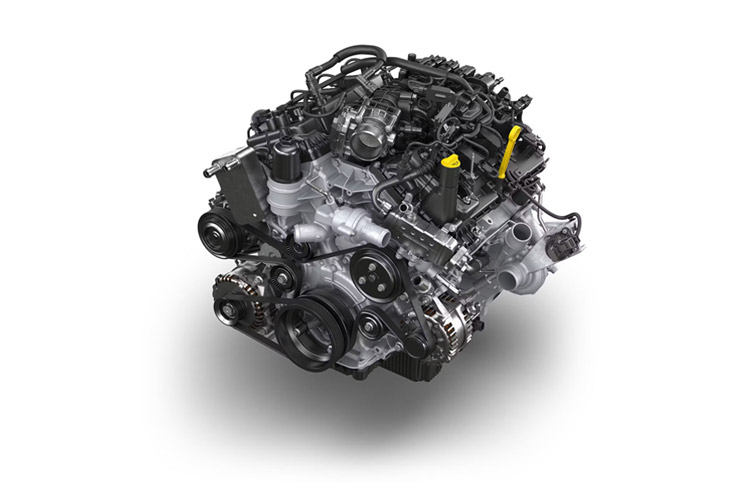
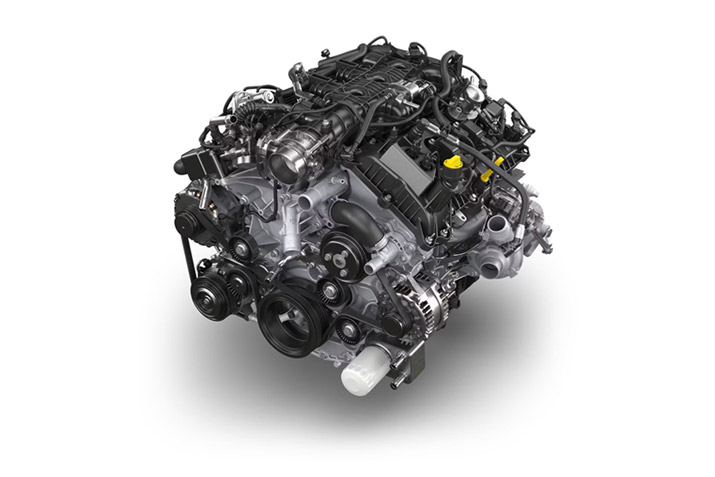
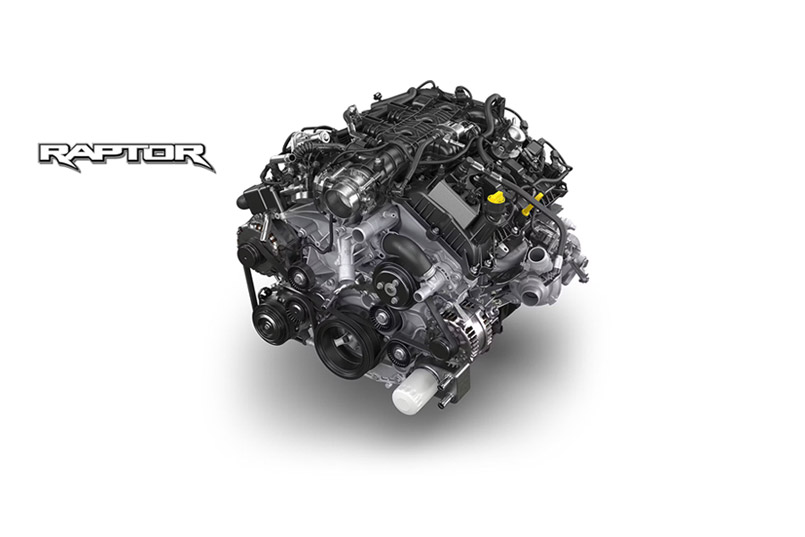
In contrast, the Ford F-150 offers a much broader matrix of internal combustion engine choices. One of its top-tier powertrains is the equally hybrid 3.5L PowerBoost full hybrid V6, which delivers 430 horsepower and 578 lb-ft of torque. However, the F-150’s true trump card is the 3.5L EcoBoost V6 engine, which, without relying on electrification, churns out a class-leading 640 lb-ft of torque designed specifically for extreme towing. Beyond these, the F-150 also offers the classic 5.0L V8 naturally aspirated engine, as well as a 3.5L high-output EcoBoost V6 reserved for the Raptor model, and the supercharged 5.2L V8 that is a true performance beast, delivering a terrifying output of up to 720 horsepower.
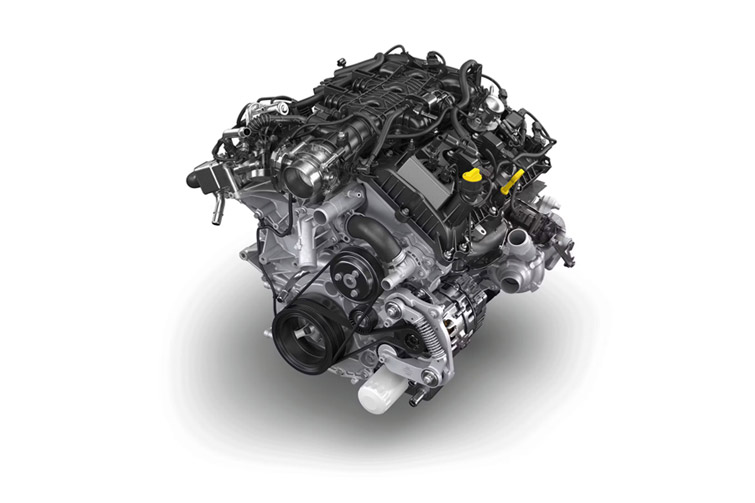
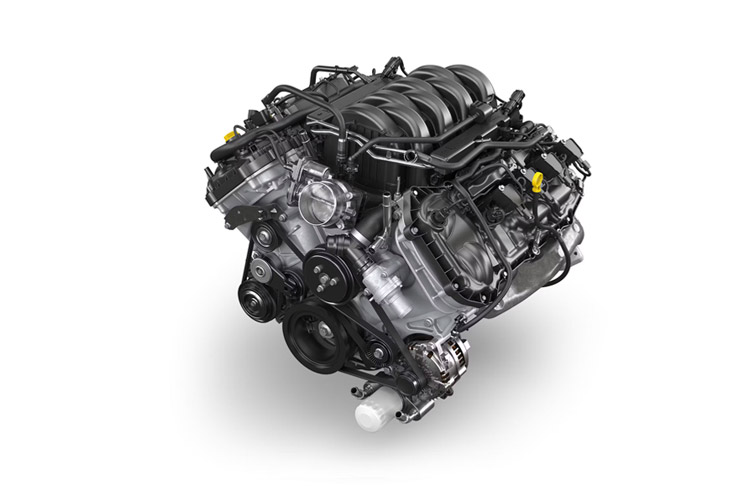
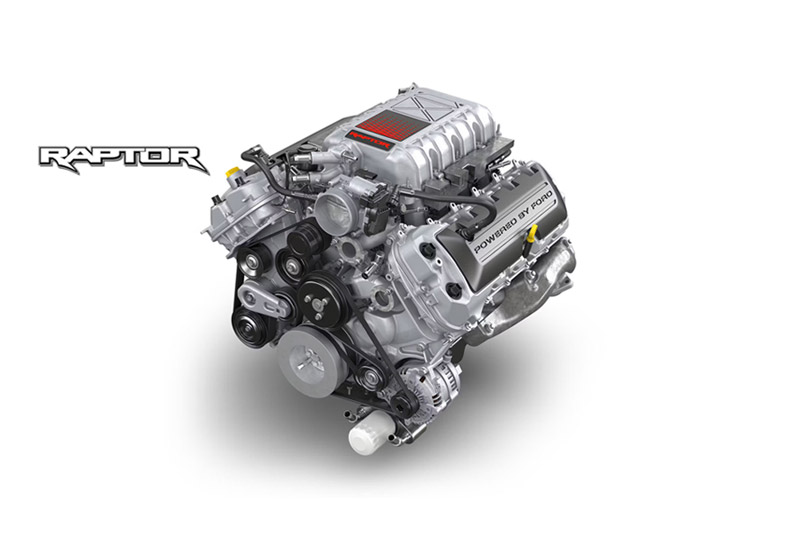
Strong power must ultimately serve practical work, specifically towing and payload capacity, which are the metrics most valued by pickup users.
Towing and Payload Capacity: Who Is the True King of Work?
After discussing power, let’s look at how that power translates into actual towing and hauling capabilities.
What the Tundra Can Do
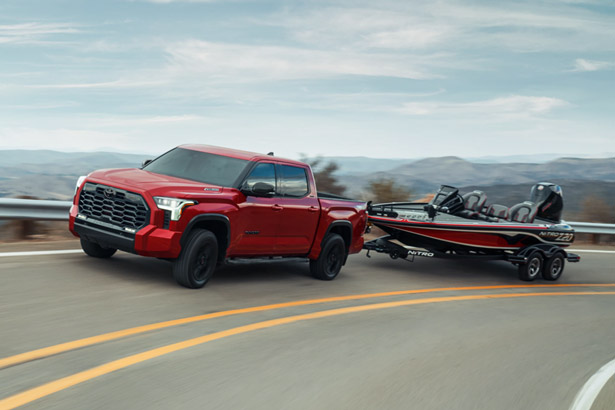
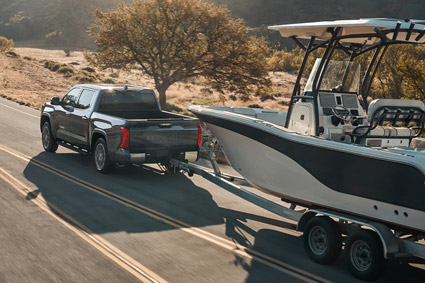
When equipped with the i-FORCE MAX hybrid system, the Toyota Tundra demonstrates remarkable strength. It boasts a maximum towing capacity of up to 12,000 lbs and a maximum payload capacity of up to 1,850 lbs. Furthermore, Toyota provides many intelligent assist features to enhance the towing experience, such as the Trailer Backup Guide with Straight Path Assist, which uses sensors and cameras to help keep your trailer in a straight line while reversing. Meanwhile, the available Panoramic View Monitor and power extending/folding tow mirrors greatly improve visibility and convenience during hitching and driving.
How the F-150 Responds
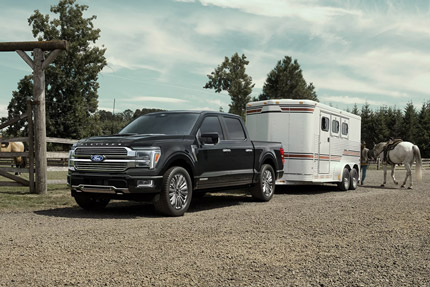
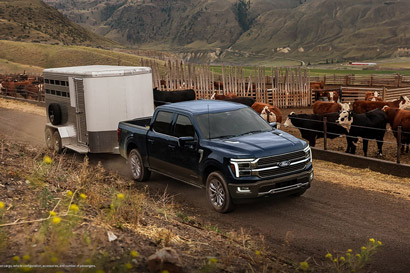
The Ford F-150, however, is precisely designed to lead in these hard metrics. Thanks to its powerful engine lineup, the F-150 achieves a class-leading maximum towing capacity of 13,500 lbs and a class-leading maximum payload capacity of 2,440 lbs. These figures clearly indicate that if your work places strict demands on ultimate hauling capability, the F-150 remains the industry benchmark. What’s more, the F-150’s Pro Power Onboard™ onboard generator system is a massive differentiator. It delivers up to 7.2 kW of power output, enough to run a miter saw at a job site or power household essentials at a campsite, delivering practicality far beyond a traditional pickup.
Clearly, the F-150 wins in extreme figures. But a pickup’s use case extends far beyond the worksite, and off-road performance is an equally critical battlefield.
Off-Road Performance: TRD Family vs. Raptor and Tremor
When the pavement ends, the real adventure begins. Both Toyota and Ford have prepared dedicated weaponry for off-road enthusiasts.
Tundra’s Off-Road Arsenal: Technology First
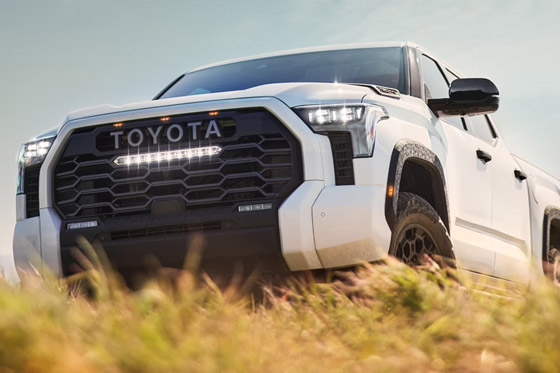
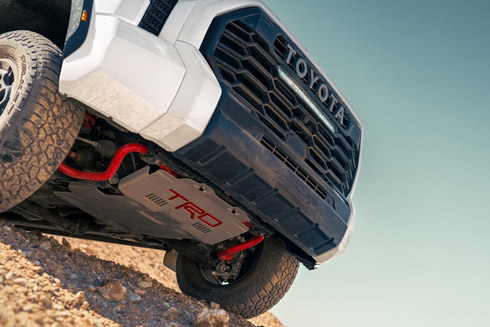
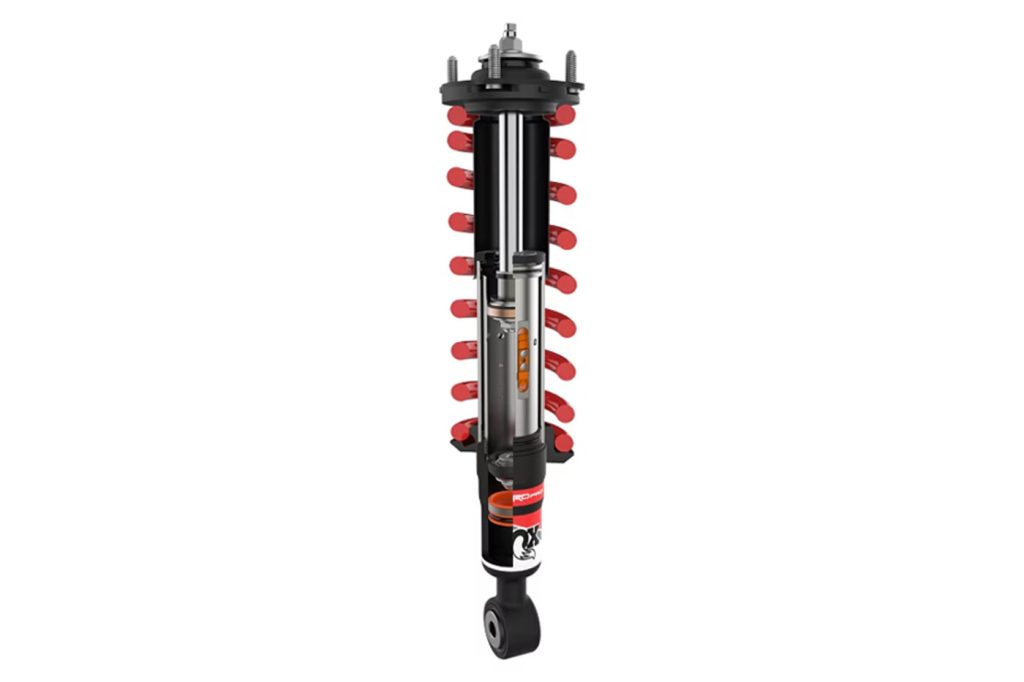
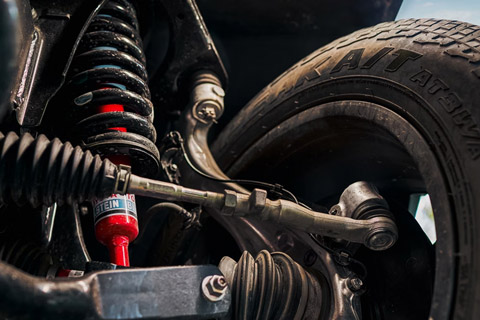
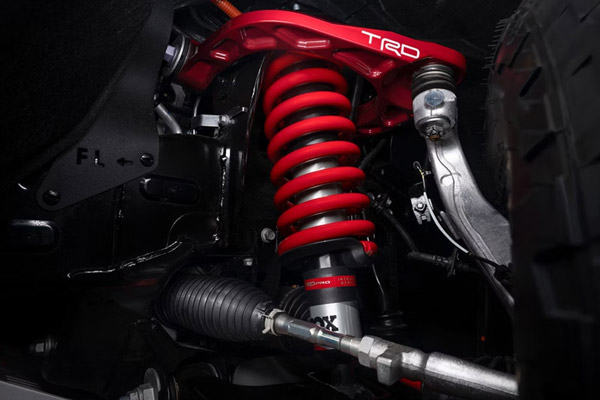
The Toyota Tundra’s off-road essence is concentrated in its TRD family. For hardcore enthusiasts, the TRD Pro is the ultimate choice. It comes equipped with FOX® Internal Bypass shocks designed for harsh terrain, TRD Pro upper control arms that enhance front suspension strength, and sturdy BBS® forged aluminum wheels along with an aluminum front skid plate. On the technology front, the Tundra offers the new-generation Crawl Control system, which can automatically modulate the throttle and brakes at five low-speed settings, allowing you to traverse complex terrain smoothly and quietly. At the same time, Multi-Terrain Select and the electronically locking rear differential further enhance its ability to navigate low-traction surfaces such as sand, mud, and rocks.
F-150’s Off-Road Ace: Raptor Territory
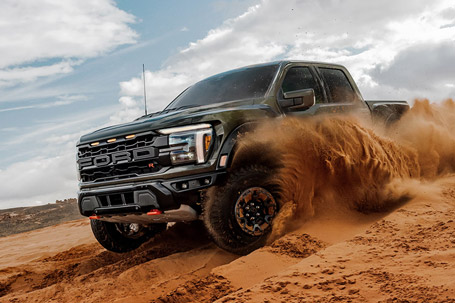
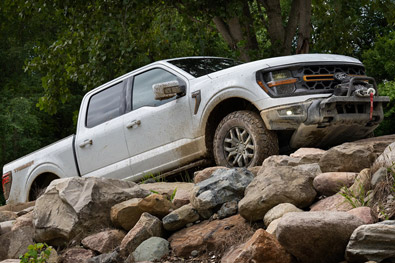
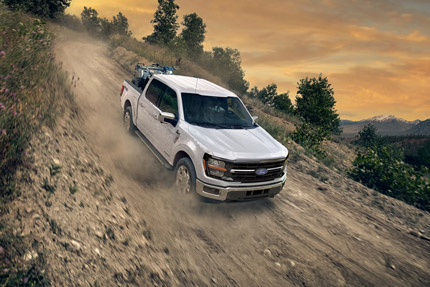
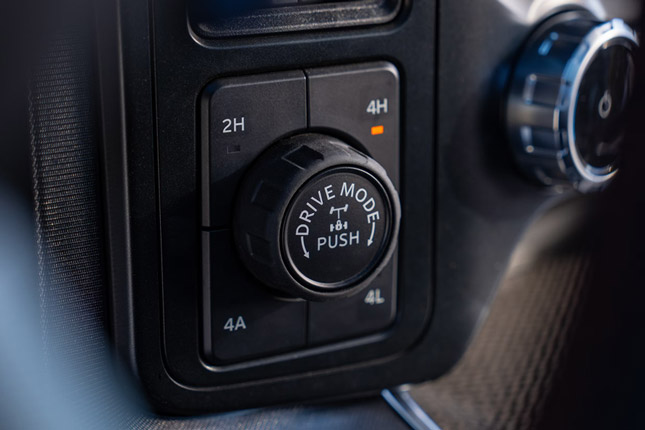
Ford is equally uncompromising in the off-road realm, and its ace is the legendary F-150 Raptor. The Raptor is not merely a suspension upgrade; it is a Baja racer born for high-speed desert running. It features class-leading ground clearance, FOX® Racing Dual Live Valve shocks, and a Baja driving mode specifically tuned for desert blasts. For users who do not need something as extreme as the Raptor, the Tremor model is a perfect compromise, also equipped with an off-road-tuned suspension, increased ground clearance, and all-terrain tires. Additionally, the widely available FX4® Off-Road Package can satisfy most mild off-road needs. Ford’s electronic systems, such as Trail Control® off-road cruise control and Trail Turn Assist, effectively compete with Toyota’s Crawl Control on a technological level.
Looking at the exterior and interior, both trucks strive to perfectly blend ruggedness with luxury.
Interior, Technology & Design: Where Modern Luxury Meets Rugged Style
Step inside, and you’ll find that modern pickups have long since shed their image as purely utilitarian tools.
Tundra: A Cabin Focused on Detail
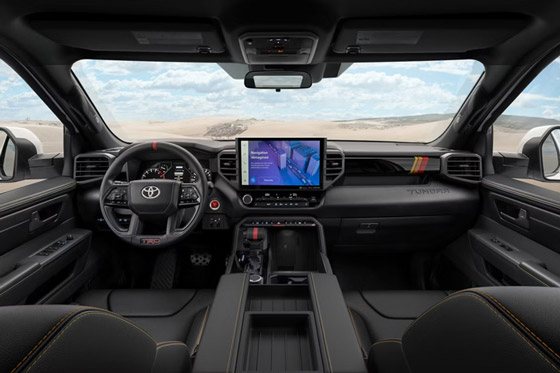
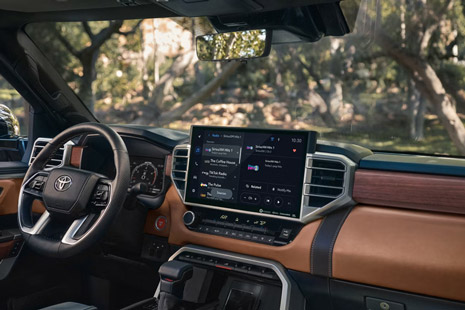
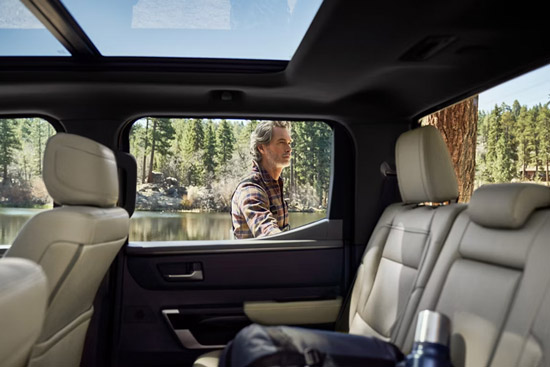
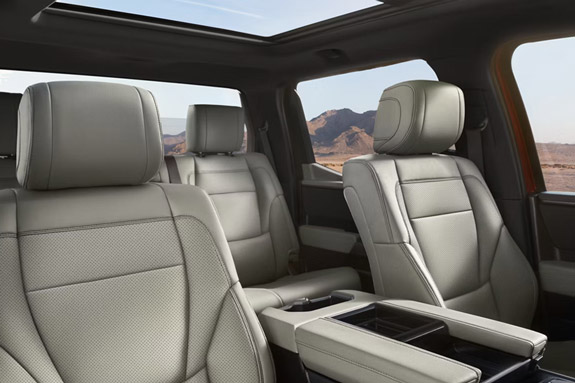
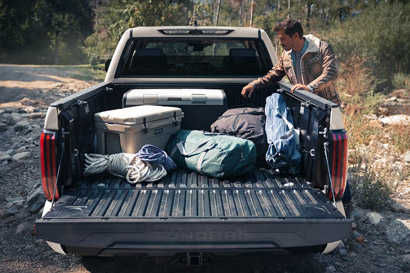
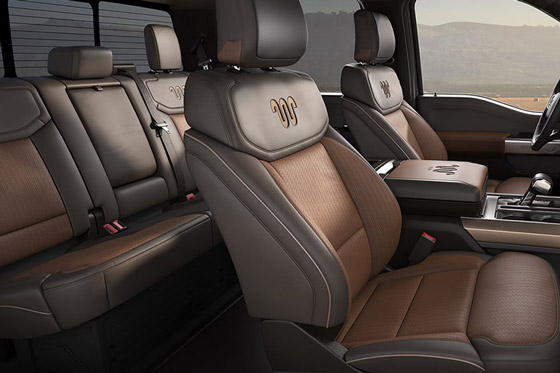
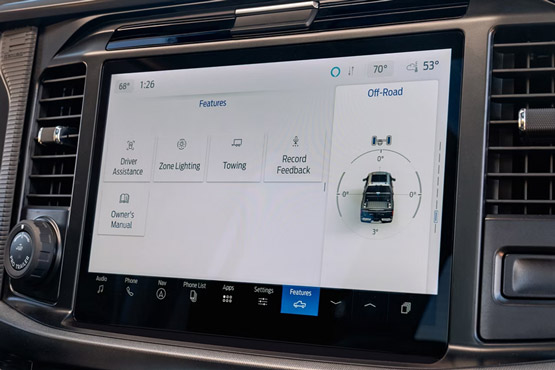
The Toyota Tundra’s interior aims to deliver a “premier” experience. High-grade trims, such as the 1794 Edition, feature luxurious saddle-brown leather and American walnut wood trim, creating a retro yet premium ambiance. In terms of technology, the Tundra offers a 14-inch multimedia touchscreen and a 12.3-inch digital instrument cluster, with clear and intuitive information display. Some thoughtful designs, such as the power vertical sliding rear window and the power tailgate with knee-lift assist closing function, provide great convenience in daily use.
F-150: Productivity and Entertainment Hub
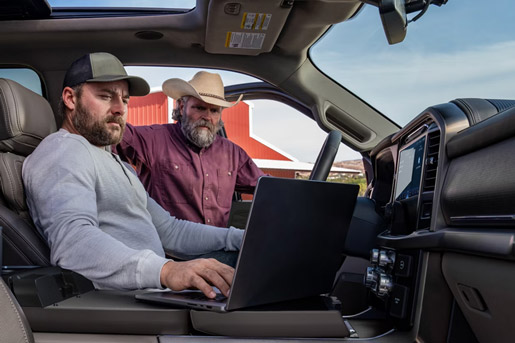
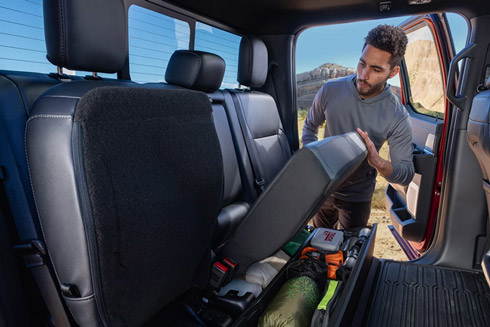
The Ford F-150’s interior design leans more towards functionality and modern flair. Its biggest highlight is the center armrest that can fold down into an Interior Work Surface, which is highly practical for users who need to work on the go. In terms of technology, the F-150 similarly comes with a 12-inch digital instrument cluster and an optional Head-Up Display (HUD). But the F-150 goes a step further in intelligent driving assistance with its available BlueCruise hands-free driving system, which allows for truly hands-free driving on designated highways—a feature the Tundra currently does not offer.

Finally, the decisive link is the balance between price and value.
Pricing and Value Proposition
Both the 2026 Toyota Tundra and Ford F-150 offer a wide range of trim levels, from entry to top-of-the-line.
The Toyota Tundra’s starting MSRP (SR base trim) is $41,260, which gets you a 389-horsepower, 479 lb-ft of torque i-FORCE V6 engine. The top-tier hybrid Capstone model, meanwhile, reaches a price of $80,800.
The Ford F-150’s starting MSRP (XL trim) is $36,274, with its base powertrain being a 2.7L EcoBoost V6. Its hybrid model (PowerBoost) is distributed among mid to high trim levels, while the range-topping Raptor R version far exceeds the eighty-thousand-dollar mark.
From a value perspective, the Tundra’s hybrid system has a broader reach, as the i-FORCE MAX can be selected even on the relatively low Limited trim, allowing more users to experience the advantages of electrified performance. The F-150, on the other hand, offers unparalleled customization freedom through its extremely rich combination of engines, cabs, and cargo boxes, as well as unique features like Pro Power Onboard and BlueCruise.
Conclusion: Which Pickup Is Right for You?
In summary, the choice between the 2026 Toyota Tundra and the Ford F-150 ultimately comes down to a matter of personal needs and preferences.
Choose the Toyota Tundra if:
- You prioritize electrified performance and strong low-end torque.
- You value a seamlessly integrated, easy-to-use suite of off-road electronic aids, such as Crawl Control.
- You appreciate Japanese-style reliability, a unique interior design, and meticulous attention to detail.
Choose the Ford F-150 if:
- You have an uncompromising demand for maximum towing and payload, where its figures are class-leading.
- You need unique features like Pro Power Onboard™ to serve as a mobile generator.
- You crave the richest variety of options, from powertrains and body styles to extreme off-road models like the Raptor, and even hands-free driving technology like BlueCruise.
Whichever you choose, both the 2026 Toyota Tundra and Ford F-150 represent the highest standard in the full-size pickup segment. With their formidable capabilities and modern features, they can perfectly handle the dual roles of work and recreation. It is recommended that you take a test drive yourself to feel the subtle character differences between the two and thus find the steel partner that suits you best.
Looking for top-quality new or used cars? Trust DG Motors for fast, reliable service—or visit our Phnom Penh showroom today!