Want to push your beloved car past the 100,000-mile mark? This guide will reveal the ultimate secrets to extending your vehicle’s lifespan. We’ll start with daily driving habits. Then we’ll gradually delve into maintenance intervals and repair strategies for core components. No matter where you are, follow these proven principles. Your vehicle can successfully reach the six-figure mileage milestone. It also has the potential to advance toward 200,000 or even 300,000 miles. This is a worthwhile investment. Maintaining a high-mileage car often costs far less than replacing it with a new one.
I. Daily Driving Habits
Many people don’t realize that a vehicle’s lifespan depends greatly on the driver. Your daily driving habits often influence durability more directly than brand or price.
Smooth Starts and Gentle Warm-Up. During a cold start, engine oil has not yet fully lubricated all components. Sudden acceleration will exacerbate friction between metal parts. Follow this correct approach: wait 15 to 30 seconds after starting. Once the RPM stabilizes, begin driving at a low speed. Keep engine RPM below 2,000 until coolant reaches normal operating temperature. Avoid hard acceleration. Remember, prolonged idling only increases carbon deposits and wastes fuel. It also accelerates aging of the three-way catalytic converter. It does more harm than good.
Cultivate Anticipatory Driving. Frequent hard acceleration and sudden braking increase fuel consumption. They also significantly accelerate wear on brake pads, rotors, tires, and the transmission. In contrast, smooth acceleration and deceleration effectively reduce the wear rate on these core components. Furthermore, learn to anticipate road conditions. Ease off the throttle early and coast when you see a red light or congestion ahead. When going over speed bumps, reduce speed to below 20 km/h (approximately 12 mph). Cross them perpendicularly. Driving over them with only one side of the vehicle causes severe damage to shock absorbers and wheel alignment.
Proper Transmission Operation. Transmission repairs are costly. Yet many failures are entirely avoidable through proper operation. For manual transmissions, always ensure you fully depress the clutch pedal when shifting gears. For automatic transmissions, never shift into R (Reverse) or P (Park) before the vehicle stops completely. Each rough operation inflicts irreversible impact damage on the internal gears.
Timely Refueling and Reducing Load. Do not wait for the fuel warning light to come on before you refuel. The fuel pump relies on gasoline for cooling and lubrication. A low fuel level causes the pump to overheat. This shortens its service life. Refill when the fuel gauge shows a quarter tank remaining. At the same time, regularly clear out long-term clutter from the trunk. Excessive vehicle weight increases stress on the engine, suspension, and tires. It accelerates the overall aging of these components.
II. Core Maintenance
If driving habits are software optimization, then regular maintenance is hardware upkeep. Replacing consumables on schedule keeps all systems operating at peak performance. It prevents small issues from escalating into costly major repairs.
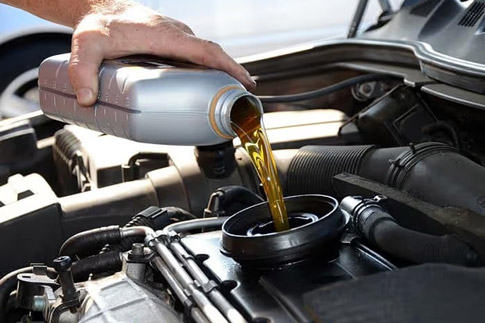
Engine Oil and Oil Filter: The Engine’s Dialysis. Engine oil is the lifeline ensuring smooth operation. Without proper lubrication, metal components wear prematurely. The engine cannot work efficiently. Follow these change intervals for different oil types:
- Mineral oil: Every 5,000 km or 6 months
- Semi-synthetic oil: Every 8,000 km or 8 months
- Full synthetic oil: Every 10,000 to 15,000 km or 12 months
Please note an important exception. Frequent driving in high heat, heavy traffic, or short trips (under 10 km / 6 miles one way) triples the normal wear rate. In such cases, shorten the maintenance interval by 20%. Check the engine oil level monthly. Do so more diligently before long trips. Always use oil that meets owner’s manual specifications. Replace the oil filter simultaneously with every oil change.
Air Filter and Cabin Air Filter. A dirty air filter obstructs the engine’s intake. This leads to reduced power and increased fuel consumption. Replace the engine air filter every 12 months or 15,000 km. If you live in a dusty or sandy area, shorten the interval to every 8,000 km. Replace the cabin air filter every 12 months or 10,000 km. This affects air conditioning cooling efficiency. It also directly impacts cabin air quality and your respiratory health.
Brake System: Safety First, No Compromise. Brake system maintenance relates directly to your safety and that of your passengers. Arrange an inspection immediately if you notice these warning signs: a metallic screeching sound when braking, pedal or steering wheel vibration, noticeably longer stopping distances, a soft or sinking brake pedal, or vehicle pull to one side. Here are the replacement intervals for components:
- Brake pads: Front pads every 30,000 to 50,000 km; rear pads every 60,000 to 80,000 km
- Brake rotors/discs: Replace after every two sets of brake pads
- Brake fluid: Every 2 years or 40,000 km, as it readily absorbs moisture and reduces braking efficiency
Coolant: Preventing Engine Overheating. Coolant maintains the engine’s normal operating temperature. It also prevents corrosion within the cooling system. Replace long-life coolant thoroughly every 5 years or 100,000 km. Replace conventional coolant every 2 years or 40,000 km. Never simply top it off without replacing it. Adding fluid without periodic replacement degrades anti-corrosion properties. This ultimately damages the radiator and water pump.
III. Key Focus Areas in the High-Mileage Phase (Beyond 100,000 Miles)
When your odometer points to 100,000 miles, celebrate the milestone. However, certain components are now approaching the end of their design life. They require your special attention. Fortunately, many high-mileage vehicles can still provide reliable transportation. Continued maintenance makes this possible.
Timing Belt: A Replacement That Absolutely Cannot Be Delayed. If your vehicle uses a timing belt rather than a chain, replace it immediately. Do this when mileage reaches 80,000 to 100,000 km. If a timing belt suddenly breaks while driving, internal components will violently collide. This causes catastrophic damage. Repair bills can amount to thousands of dollars. Engines with timing chains do not require chain replacement. Yet you should still inspect the tensioner and guide rails for wear.
Spark Plugs: The Key to Igniting Power. Worn spark plugs cause engine misfires, reduced power, and increased fuel consumption. Service life varies significantly by type. Standard nickel-alloy spark plugs require replacement around 30,000 km. Iridium or platinum spark plugs can last 60,000 to 100,000 km.
Transmission Service: A Core Component Not to Be Overlooked. When mileage exceeds 100,000 miles, transmission maintenance becomes critical. Traditional automatic transmissions need fluid and filter changes every 50,000 miles. Dual-clutch and CVT transmissions often need a specialized adaptation procedure after fluid changes. Watch for warning signs like delayed engagement, harsh shifting, or unusual noises. Change manual transmission fluid every 5 years or 100,000 km. Change automatic transmission fluid every 3 years or 60,000 km.
Suspension System: Restoring Handling Quality. By 100,000 miles, suspension components have endured considerable wear. Shock absorbers and struts degrade gradually. This manifests as excessive body bounce, uneven tire wear, and diminished handling. Worn ball joints and control arm bushings cause clunking noises or vehicle drift. Owners easily overlook these issues because they worsen slowly. Yet timely replacement of worn suspension parts significantly enhances safety and handling quality.
Belts, Seals, and Battery: Common High-Mileage Wear Points. Drive belts (alternator and A/C belts) tend to crack or slip after 100,000 miles. Inspect and replace them every 60,000 to 100,000 miles. Additionally, rubber engine and transmission mounts soften and crack noticeably after 100,000 miles. This leads to idle vibration, shifting noise, and increased cabin noise. Various gaskets and seals may also begin to seep oil. Examples include the valve cover gasket and timing cover seal. Regarding the battery, most last only 1.5 to 2 years in tropical climates. During the high-mileage phase, proactively replace it every 3 years to avoid unexpected failure.
IV. Repair Strategy
Establish an Annual Inspection Routine. Schedule a comprehensive vehicle inspection at least once a year. Keep detailed records of all maintenance and repairs. Address unusual noises, odors, or behavior immediately. Do not delay.
Heed Warning Lights. Dashboard warning lights are distress signals from your vehicle. Stop and inspect immediately if you see these lights: engine overheat indicator, oil pressure warning, charging system warning (alternator fault), or brake system warning. Ignoring these warnings could mean thousands of dollars in repair bills.
Choose a Trustworthy Technician. A qualified technician is a long-term investment in your vehicle’s health. Selection criteria include: recommendations from owners of similar models, relevant brand certifications, use of modern diagnostic equipment, transparent communication and pricing, and a warranty on repair work.
Use High-Quality Replacement Parts. Opt for parts that meet or exceed Original Equipment Manufacturer (OEM) standards. The upfront cost may be slightly higher. Yet they last longer and protect other components from collateral damage.
V. Environmental Impact: How to Protect Your Vehicle from Climate Damage
The parking environment has a profound impact on a vehicle’s service life. Long-term exposure to outdoor sun and rain accelerates paint deterioration. It hardens and cracks rubber seals and promotes chassis rust. Whenever possible, choose underground garages or sheltered parking spots. When you cannot avoid outdoor parking, use a sunshade. This effectively slows interior aging. Wash your vehicle weekly to remove road salt and grime. Apply wax every six months to protect the paint surface. Repair scratches promptly to prevent rust.
Conclusion
Extending a vehicle’s service life to 100,000 miles and beyond is not an unattainable dream. It is the inevitable outcome of a series of correct choices. You do not need to become an automotive expert. You do not need to invest huge sums of money. What it demands is persistent attention. It demands a gentle and patient driving style. It demands a steadfast belief in preventive maintenance.
Remember this simple equation: The cost of preventive maintenance is always lower than the price of emergency repairs.
Looking for top-quality new or used cars? Trust DG Motors for fast, reliable service—or visit our Phnom Penh showroom today!