Contents
hide
- Core Powertrain: Four-Cylinder Efficiency vs. Six-Cylinder Excitement
- Electric Range: A Key Metric for Daily Commuting
- Pricing Strategy: Entry-Level Luxury vs. Performance Flagship
- Shared Strengths: Luxury and Technology on the Same Platform
- Choosing in a Global Context: Surrounded by Competitors
- How to Choose: Who Is Each Model For?
- Conclusion: There Is No Absolute Winner, Only a More Suitable Choice
As the luxury plug-in hybrid sedan market continues to expand, BMW has keenly captured this trend by introducing the 5 Series plug-in hybrid models: the efficiency-focused and practical 530e, and the performance-driven 550e xDrive. Both models are equipped with advanced eDrive plug-in hybrid technology, but there are significant differences in power output, electric range, and pricing strategy.
So, which one is your ideal choice? Let’s dive into a detailed comparison.
Core Powertrain: Four-Cylinder Efficiency vs. Six-Cylinder Excitement
The difference in powertrain is the most fundamental distinction between the two models.
The BMW 530e is powered by a 2.0-liter four-cylinder turbocharged gasoline engine, paired with an electric motor and a 19.4 kWh high-voltage lithium-ion battery pack. The combined system output reaches 299 hp (approximately 215 kW), with a peak torque of 450 Nm. This powertrain enables the 530e to accelerate from 0 to 100 km/h in 6.3 seconds and reach a top speed of 230 km/h.
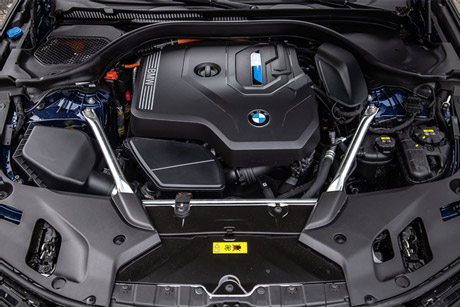
The BMW 550e xDrive takes a completely different powertrain approach. It is equipped with a 3.0-liter inline six-cylinder turbocharged engine, combined with an electric motor to deliver a system output of 489 hp (approximately 360 kW) and a peak torque of 700 Nm (about 516 lb-ft). Thanks to this powerful setup, the 550e slashes the 0–100 km/h sprint to just 4.3 seconds and raises the top speed to 250 km/h.
The performance gap is clear. However, there is a key point worth noting: the combined system power is not simply the sum of the engine’s peak power and the electric motor’s peak power. Because the power delivery curves differ, the actual combined output of both models is lower than the theoretical maximum sum of what the engine and motor could deliver simultaneously.
Key takeaway: If you prioritize fuel economy and daily commuting, the 530e is more than adequate. If you crave thrilling driving even in electric mode, the 550e will not disappoint.
Electric Range: A Key Metric for Daily Commuting
For plug-in hybrid owners, pure electric range directly determines daily running costs. In this regard, both models deliver satisfactory performance.
Under the WLTP test standard, the 530e can achieve a maximum pure electric range of around 103 km, sufficient to cover the daily commuting needs of most users. The 550e xDrive, despite its stronger performance, also carries a 19.4 kWh high-voltage lithium-ion battery pack and offers a maximum electric range of approximately 90 km.
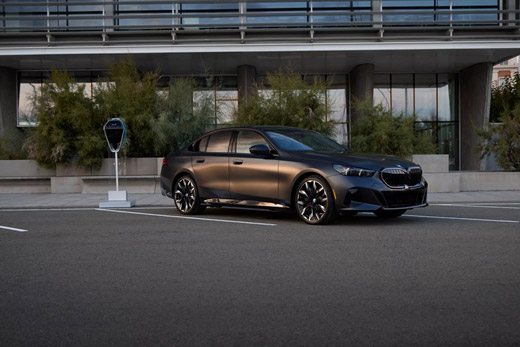
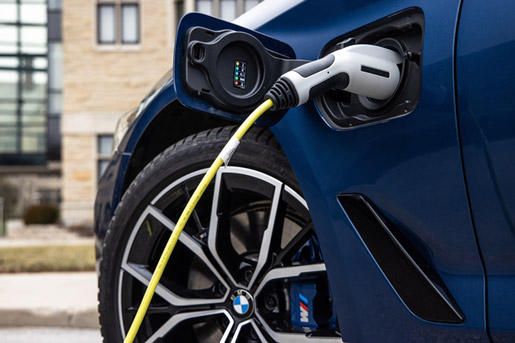
It is worth noting that some reviews indicate the 550e’s real-world usable electric range is around 55 km, as the larger-displacement engine and heavier body lead to more noticeable energy consumption. Both models support AC charging up to 7.4 kW, and a full charge from empty takes approximately 3 hours and 15 minutes.
In pure electric mode, both models can drive at speeds of up to 140 km/h. This means you can cruise entirely on electric power even on the highway.
Pricing Strategy: Entry-Level Luxury vs. Performance Flagship
Price is a key factor influencing purchasing decisions. The two models target different budget ranges and consumer groups.
In global markets, the 530e is positioned more affordably. In Europe, the starting price is approximately RMB 500,000; in the UK, the 530e M Sport starts at around £61,905. The 550e xDrive is positioned as a premium offering: in Europe it is priced at about RMB 593,000, while in the UK the 550e xDrive M Sport starts at a hefty £79,075. In the US market, the 550e xDrive has an MSRP of approximately USD 72,700.
The price gap of nearly £20,000 or about RMB 100,000 between the two models is enough to sway many consumers’ final decisions. It should be emphasized, however, that the 530e offers excellent value for money with a lower entry threshold and outstanding fuel economy. The 550e, on the other hand, uses that extra budget to deliver performance close to M5 levels.
Despite their completely different powertrains, the 530e and 550e share many core strengths.
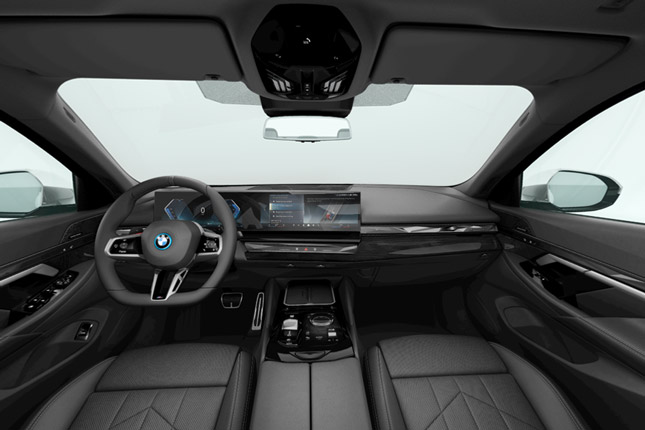
In terms of interior and technology, both models feature BMW’s latest curved infotainment display, consisting of a 12.3-inch instrument cluster and a 14.9-inch central touchscreen. The cabin also incorporates the “Interaction Bar” design inspired by the 7 Series, where touch-sensitive controls and ambient lighting blend together, creating a highly modern cockpit atmosphere. The 550e xDrive comes standard with the M Sport package, which includes M-tuned suspension, M sport seats, and upgraded brakes.
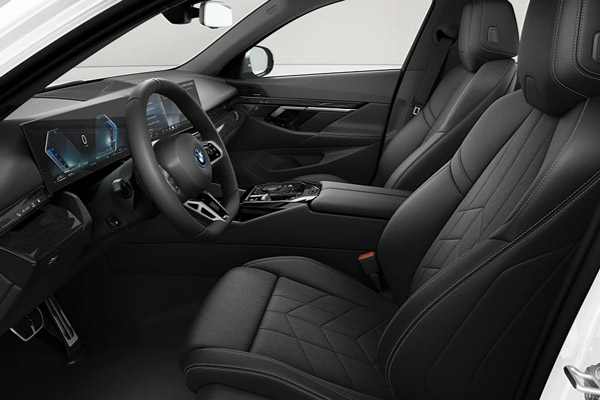
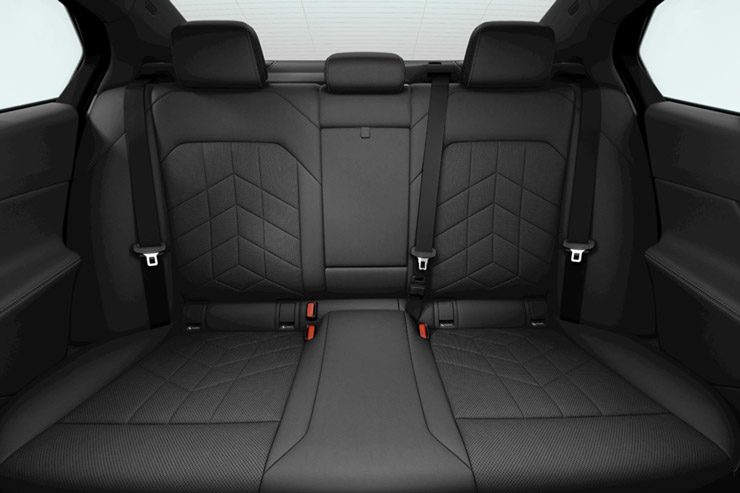
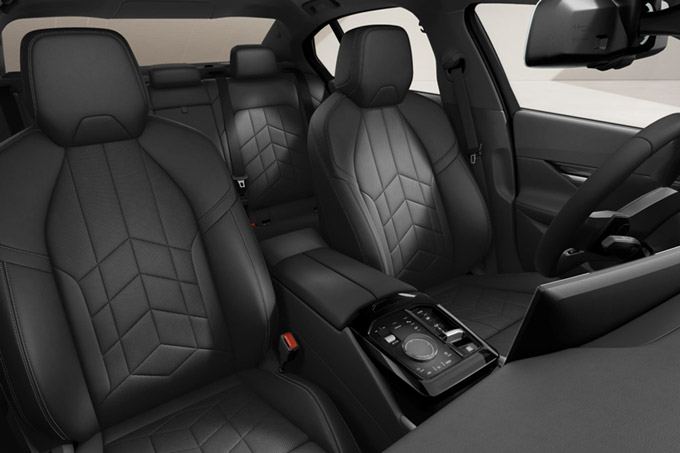
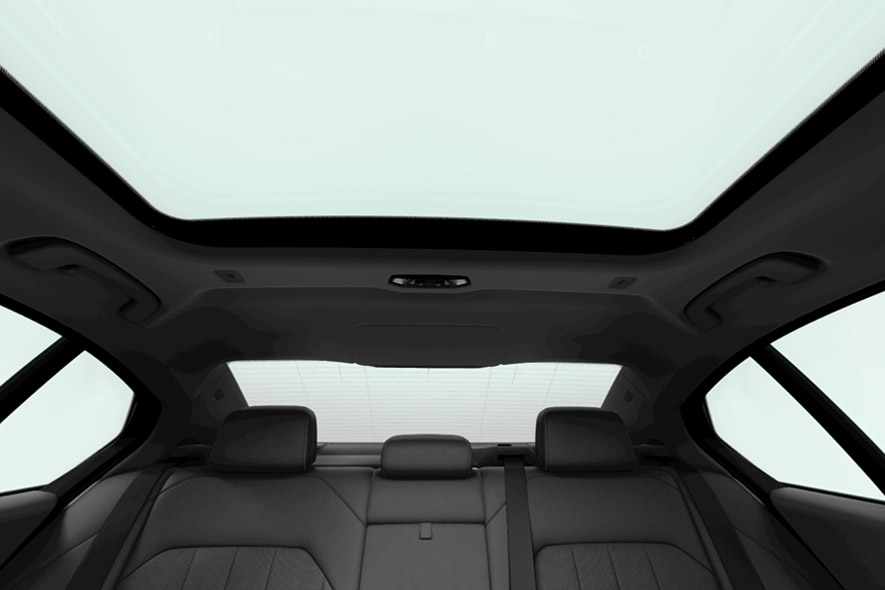
In terms of space and practicality, the eighth-generation 5 Series has a wheelbase extended by 20 mm to 2,995 mm, further optimizing rear-seat passenger space. The luggage compartment volume is 410 liters, which is mainstream for the segment.
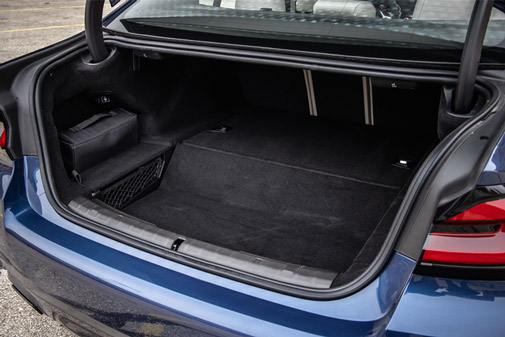
Fuel consumption is also impressive. Under the WLTP standard, the plug-in hybrid 5 Series with eDrive technology can achieve combined fuel consumption as low as 1.0–0.6 liters per 100 km — meaning one liter of fuel can take you between 100 and 167 km.
Choosing in a Global Context: Surrounded by Competitors
Before making a final decision, it’s worth understanding the competitive landscape in which these two models operate.
In the global plug-in hybrid market, BMW faces competitive pressure from multiple directions. On one hand, traditional luxury rivals such as the Mercedes-Benz E300e and Volvo S90 Recharge are circling. On the other hand, an undeniable trend is unfolding: the volume of Chinese automobiles being sold globally continues to expand, and Chinese brands are using plug-in hybrids as a breakthrough to accelerate their capture of global market share.
In the third quarter of 2025, global new energy vehicle sales rose 31% year-on-year, with Chinese automakers performing particularly outstandingly in this wave. Brands like BYD, AITO, and Li Auto have not only continued to push forward in the PHEV segment but also won increasing recognition from international consumers through highly competitive pricing strategies and abundant tech features. In the European market, sales of Chinese-brand PHEV models even surged by 59%.
This trend means that luxury-brand plug-in hybrid models must strike a more precise balance among performance, efficiency, and value. From this perspective, BMW’s dual-model strategy for the 5 Series PHEV — one model driving volume and the other setting a benchmark — appears particularly wise.
How to Choose: Who Is Each Model For?
Choose the BMW 530e if you meet the following criteria:
- Daily commuting is your primary driving scenario. The 103 km electric range is enough to cover most weekday travel needs.
- You have a relatively limited budget. The starting price of around RMB 500,000 lets you enter the 5 Series PHEV family with a lower threshold.
- You value fuel economy. The 2.0T four-cylinder engine is more fuel-efficient in daily driving.
- You are satisfied with ample, sufficient power. With 299 hp and a 0–100 km/h time of 6.3 seconds, it is more than enough for most driving situations.
Choose the BMW 550e xDrive if you meet the following criteria:
- Performance is your top priority. With 489 hp and a 0–100 km/h time of 4.3 seconds, its performance level is close to that of the previous-generation M550i V8.
- You frequently drive long distances or need all-wheel drive. The xDrive all-wheel-drive system provides superior traction and stability.
- You have a more generous budget. The starting price of around RMB 600,000 is higher, but you get a qualitative leap in return.
- You want richer standard equipment. The M Sport package becomes standard, including sport suspension, upgraded brakes, and sport seats.
Conclusion: There Is No Absolute Winner, Only a More Suitable Choice
The BMW 530e and 550e xDrive are not simply about better or worse — they represent two different car-owning philosophies.
The 530e is the rational choice. With lower purchase cost, longer electric range, and more economical fuel consumption, it provides an almost perfect solution for daily commuting. The 550e is the emotional choice. With performance approaching M Performance levels, it proves that a plug-in hybrid can also quicken your pulse.
Before making your choice, ask yourself one question: What is the core value of a luxury plug-in hybrid sedan to you? Is it an efficient and composed daily companion, or driving excitement ready to erupt at any moment? Your answer will guide you to the 5 Series that suits you best.
Looking for top-quality new or used cars? Trust DG Motors for fast, reliable service—or visit our Phnom Penh showroom today!


